Category Archives: Uncategorized

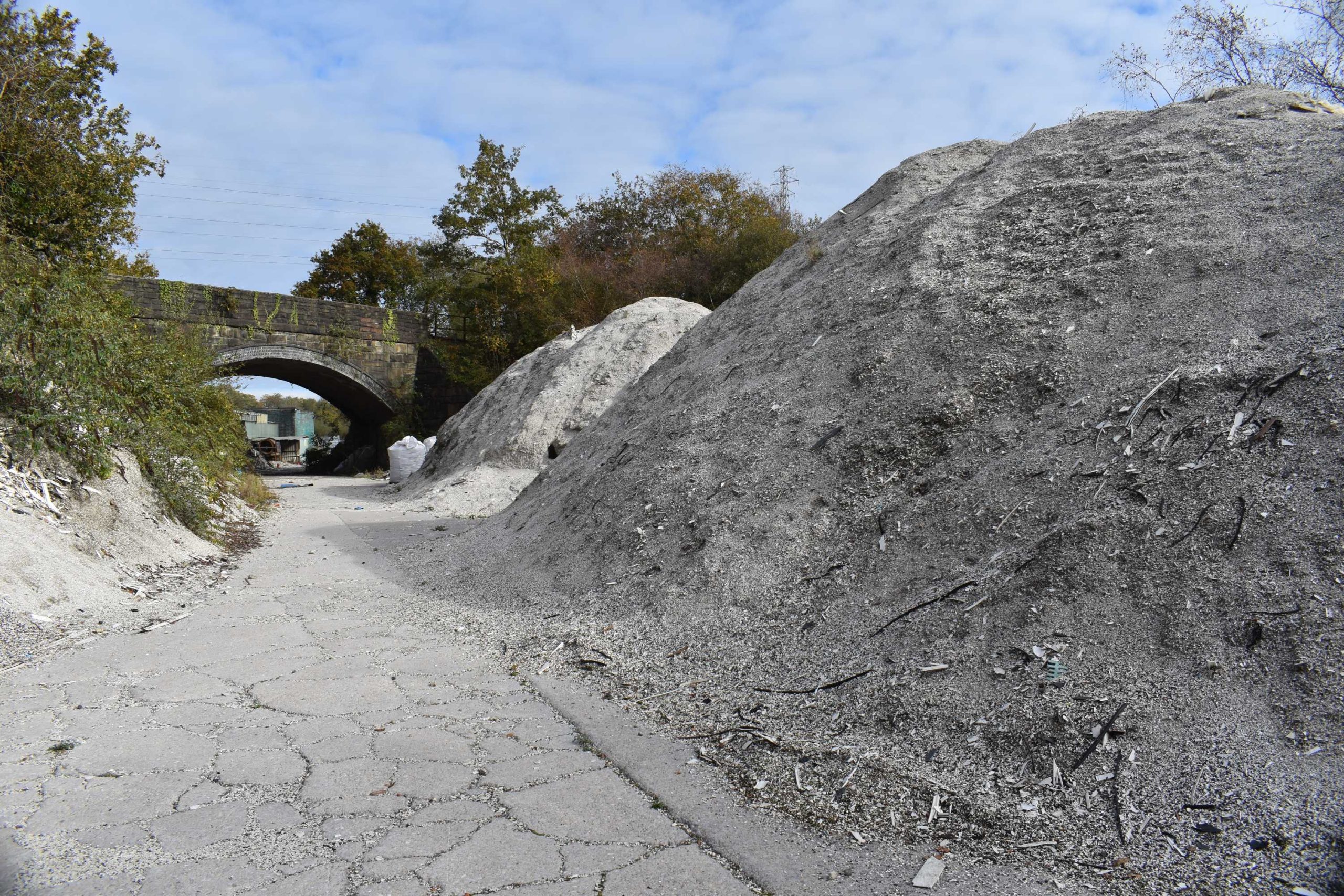
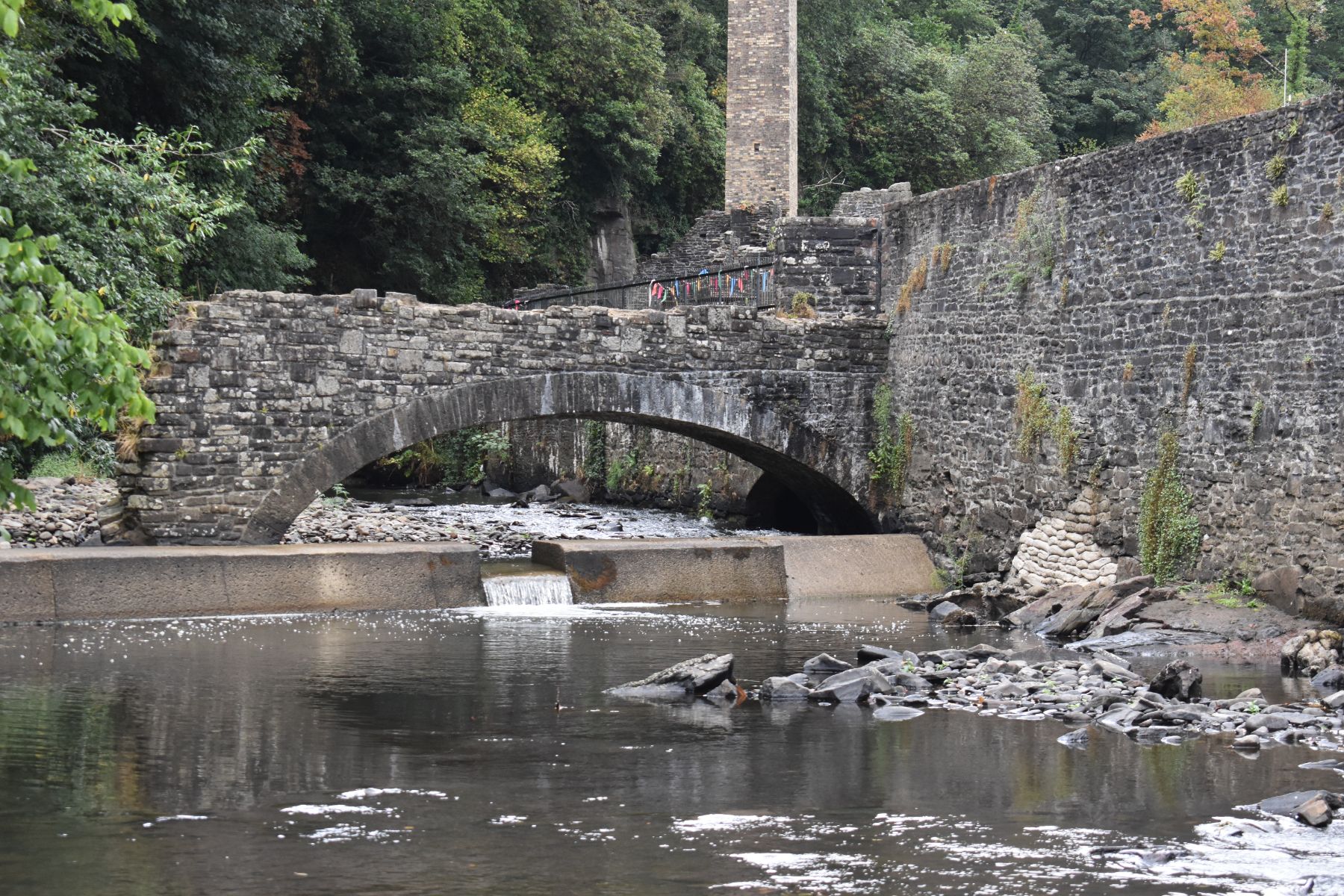
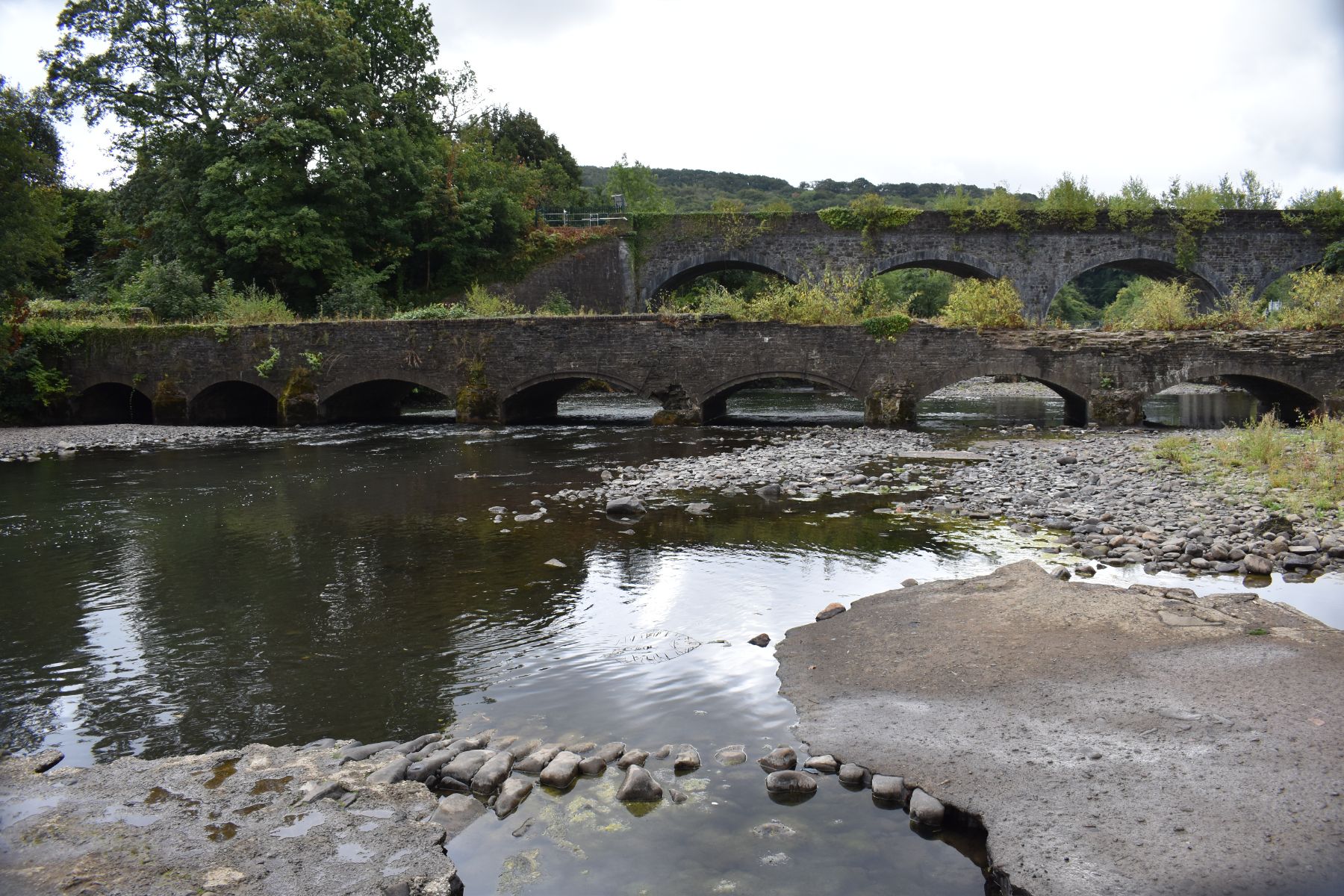
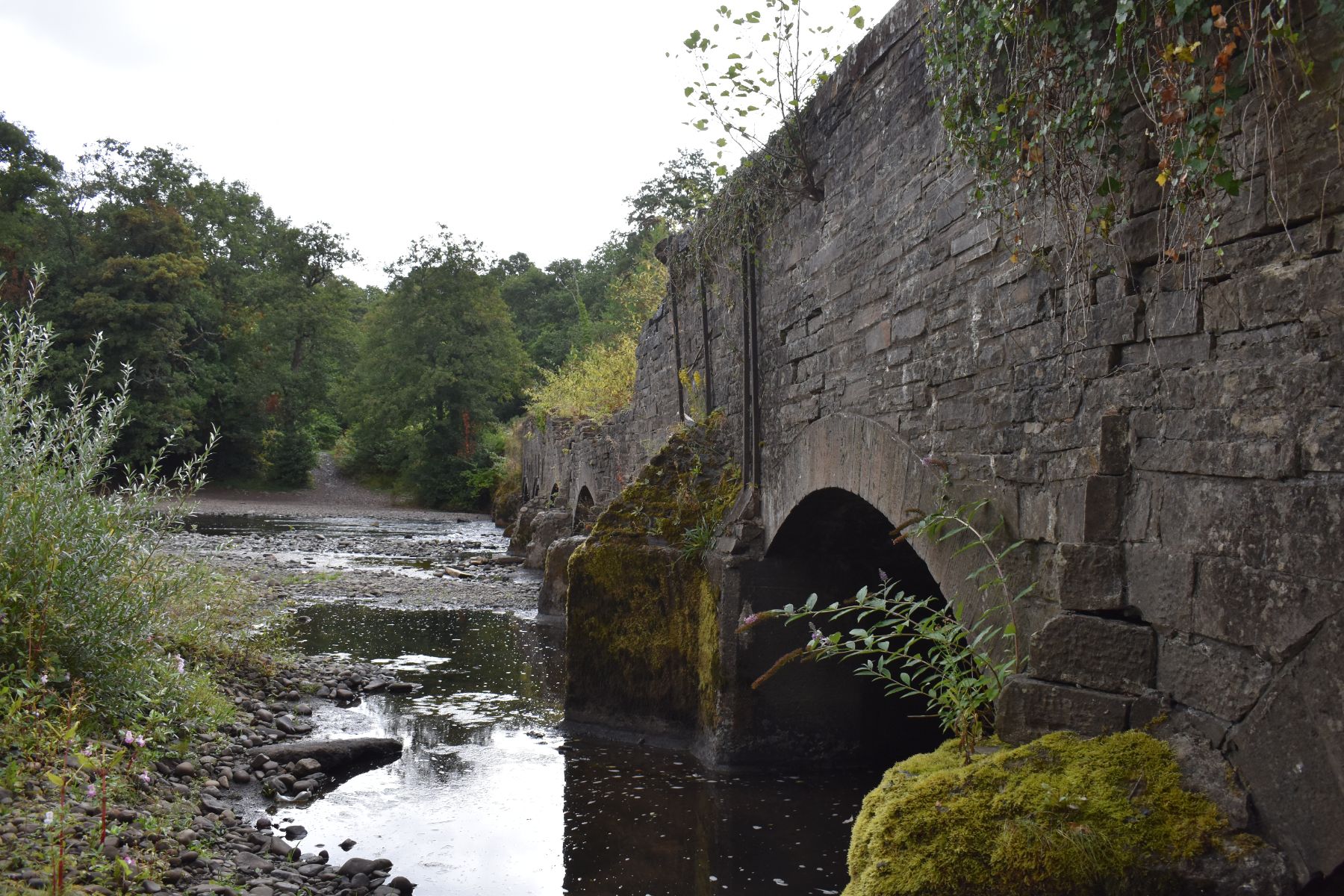
Damaged Bridge at Derwen Group Causing Towpath Confusion

Damage to the Derwen Group’s Listed Works Bridge leaves Tennant canal walkers unsure how to safely continue their journey.

By Gareth Davies
September 27 2026
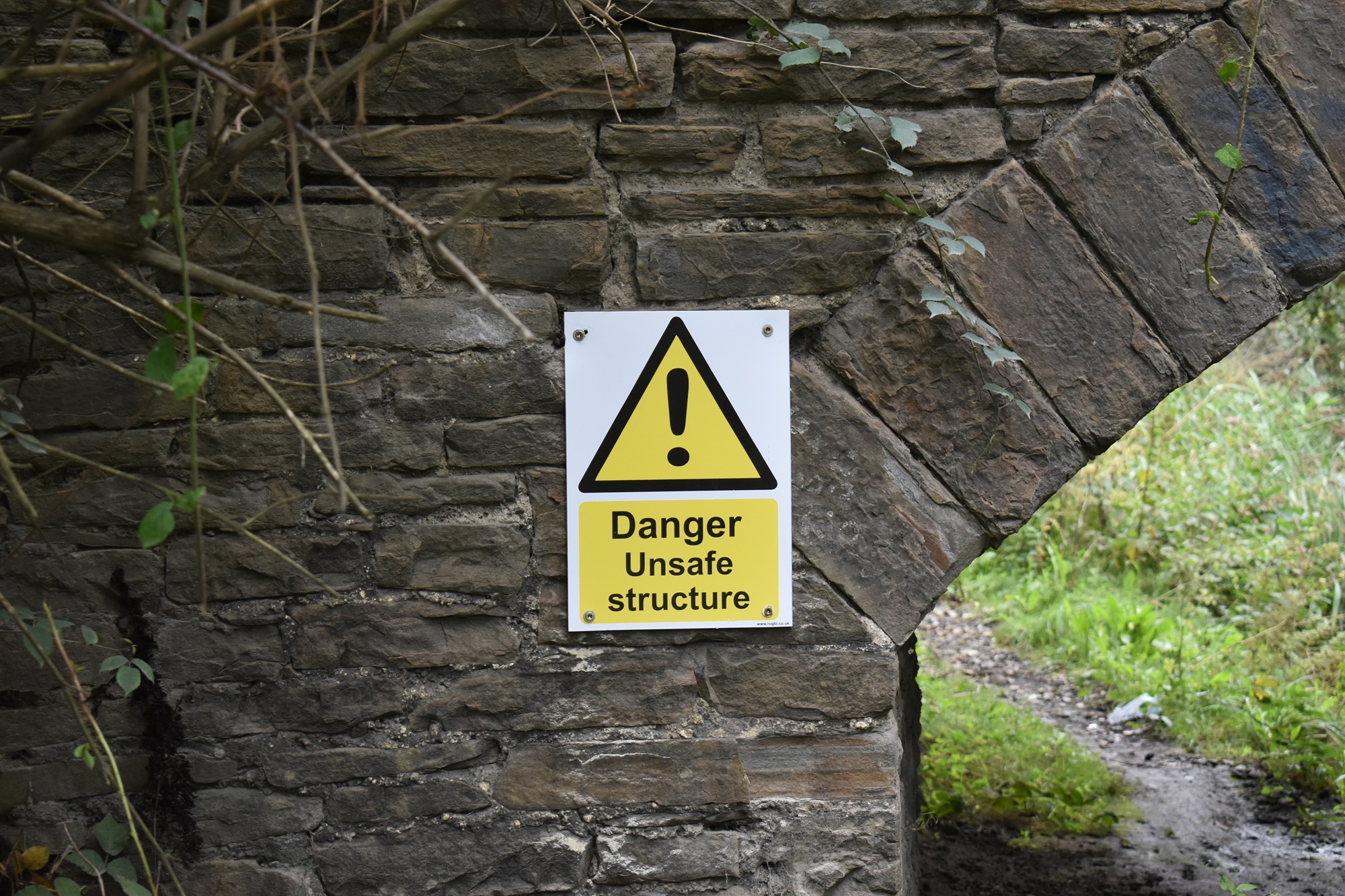
Damaged Bridge at Derwen Group.
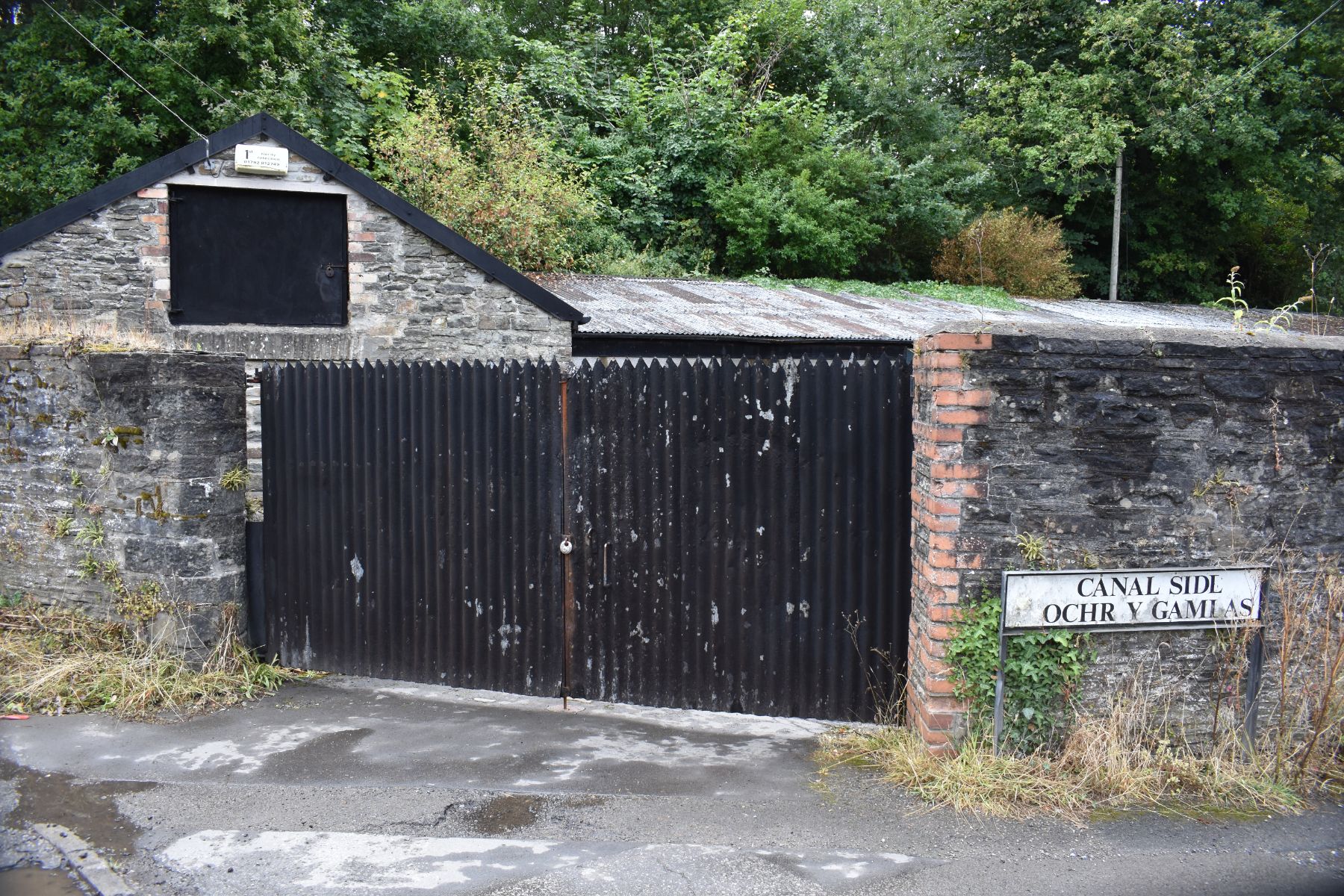
Derwen Group damaged Bridge at the works entrance.

Letters to:
Leeder Property Consultants Ltd (Tennant Canal Representatives)
NPTC (N.Pearce Corporate Director – Oversees both Highways/Bridges and Waste Services)

A towpath bridge that has quietly deteriorated over many years under the strain of heavy industrial traffic has now reached a point where its condition can no longer be ignored. Repeated use by large vehicles has warped the structure, undermined its stability, and left visible signs of long‑term fatigue.

What had become a familiar but overlooked hazard has suddenly been formalised with the appearance of new warning signs, alerting the public that the bridge is now considered unsafe. For regular walkers, this abrupt shift from silent decay to official caution has created confusion along the towpath, raising questions about access, safety, and the future of a route already burdened by neglect.
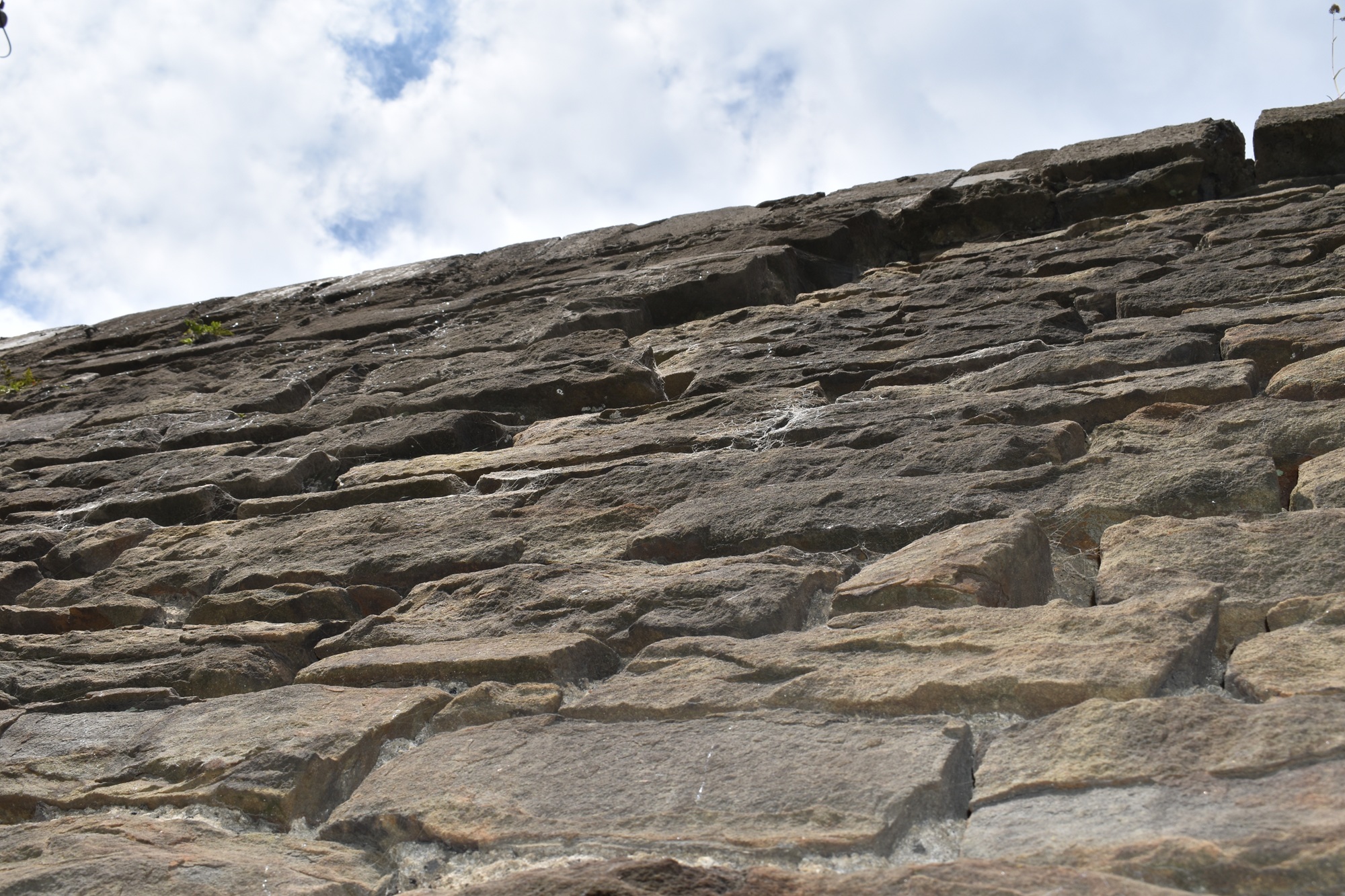
The Damaged Listed Building at Derwen Group’s Access Bridge
The Damaged Listed Building at Derwen Group’s Access Bridge.

It is our understanding that these warnings signs were not installed by the canal’s owners, but were instead put in place by the Derwen Group. We also believe that under a private agreement between the landowners and the company, Derwen Group is responsible for maintaining this 200‑year‑old bridge.

The fact that the bridge has deteriorated to the point where unofficial safety signs are now required suggests a failure of oversight and a maintenance regime that has fallen far short of what such an historic crossing demands.
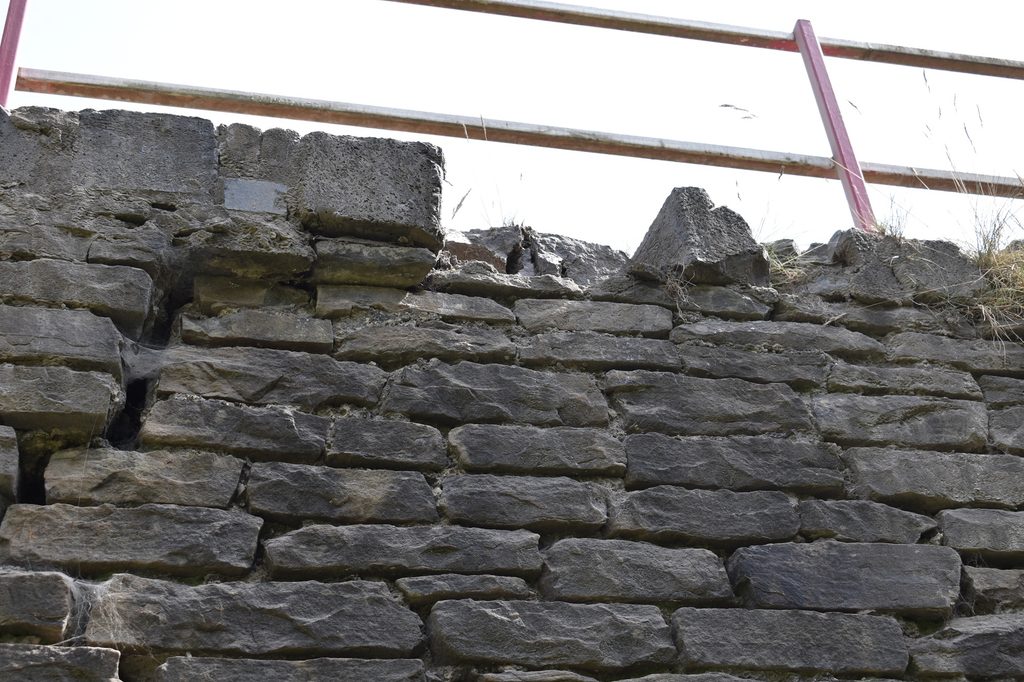
The Tennant Canal bridge pictured 2022.

It must also be seriously highlighted that the bridge continues to carry thousands of tons of heavy vehicle traffic every week, including large Derwen Group lorries. These vehicles cross the damaged structure daily as part of routine operations. The fact that such significant loads are still being driven over a bridge now deemed unsafe for pedestrians beneath it raises urgent questions about structural risk and duty of care.
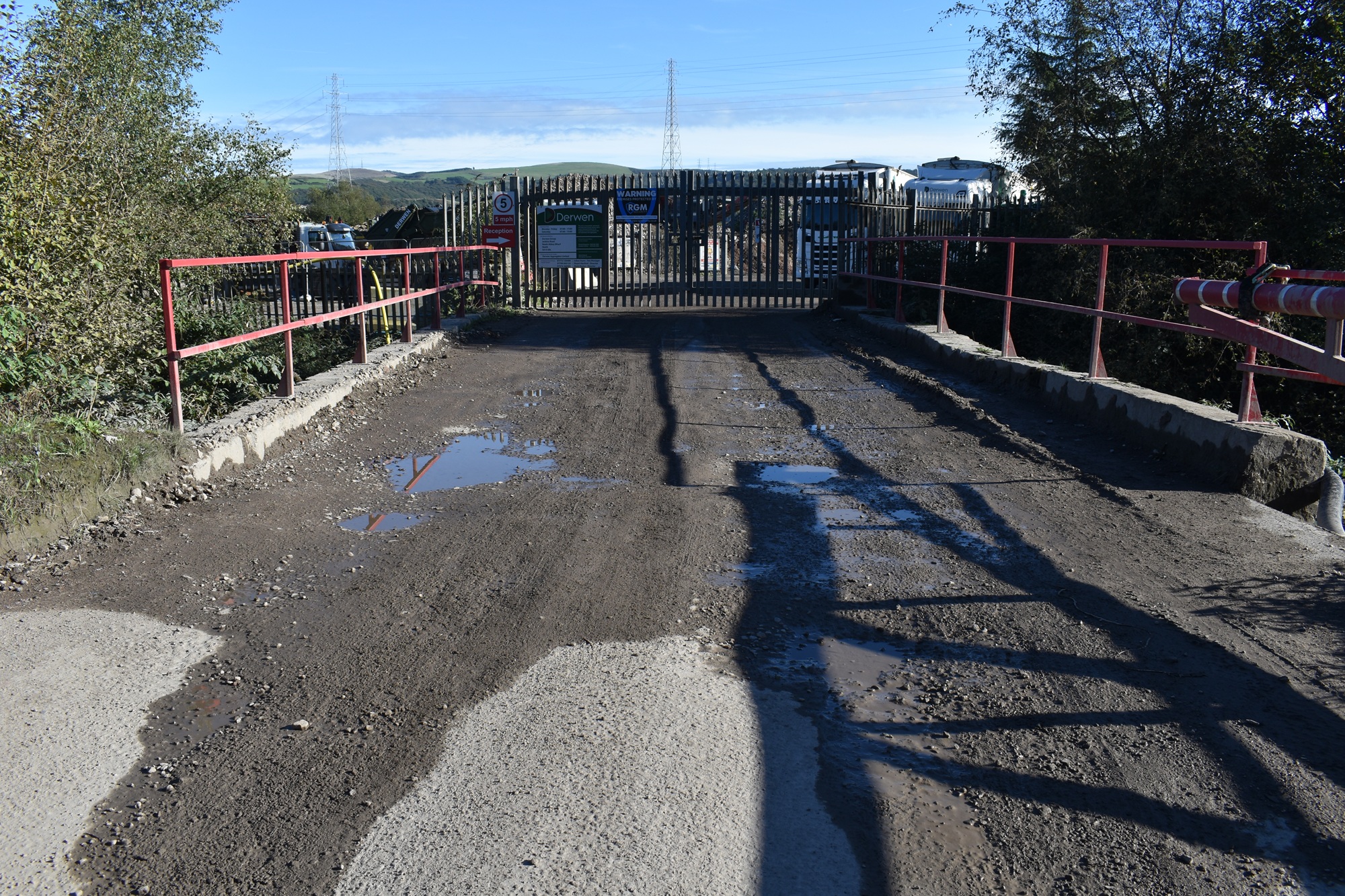
The damaged Derwen Group bridge from above 2026.
The Derwen Group Main entrance.

If the bridge is compromised enough to require warning signs for towpath users, it is entirely unacceptable that no equivalent warnings or restrictions have been placed for Derwen Group customers, contractors, or heavy‑goods vehicles using the road above.
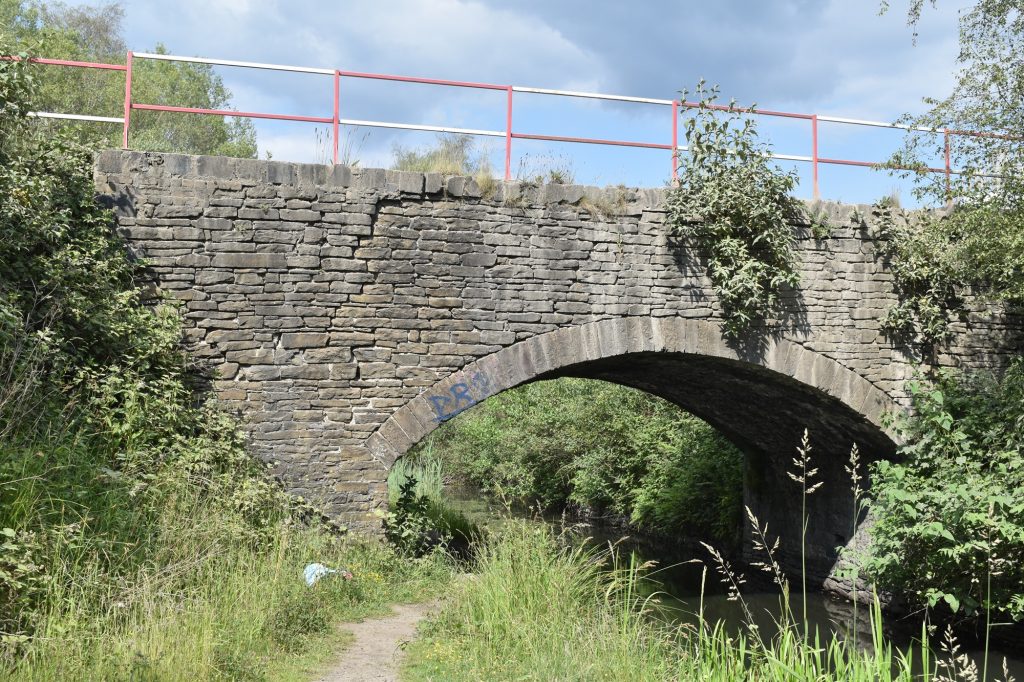
Derwen Group bridge in June 2023

The Derwen Group bridge has been literally falling apart for years, its condition worsening with every passing month as heavy industrial traffic continued to batter a structure never designed for such loads.
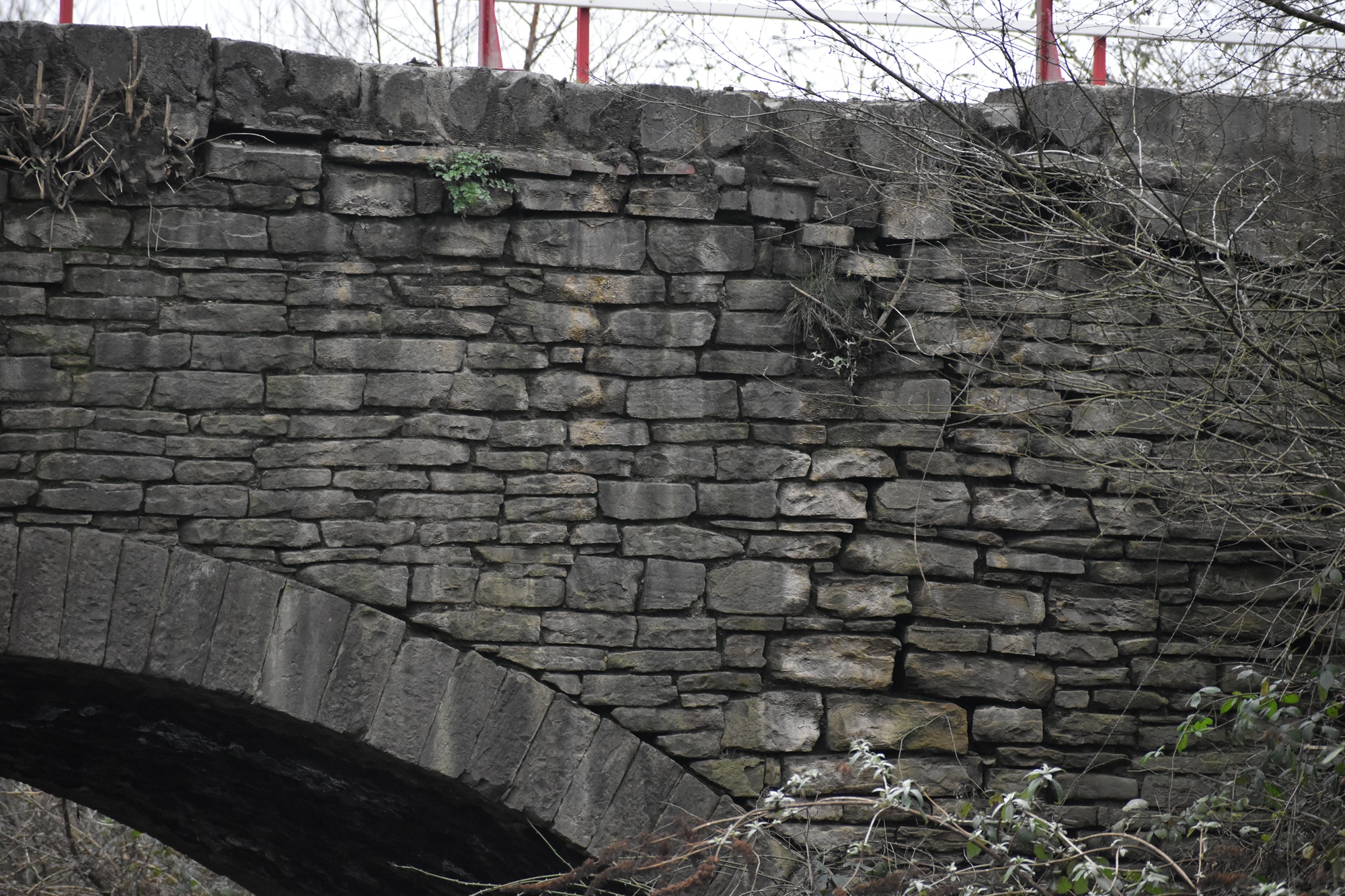
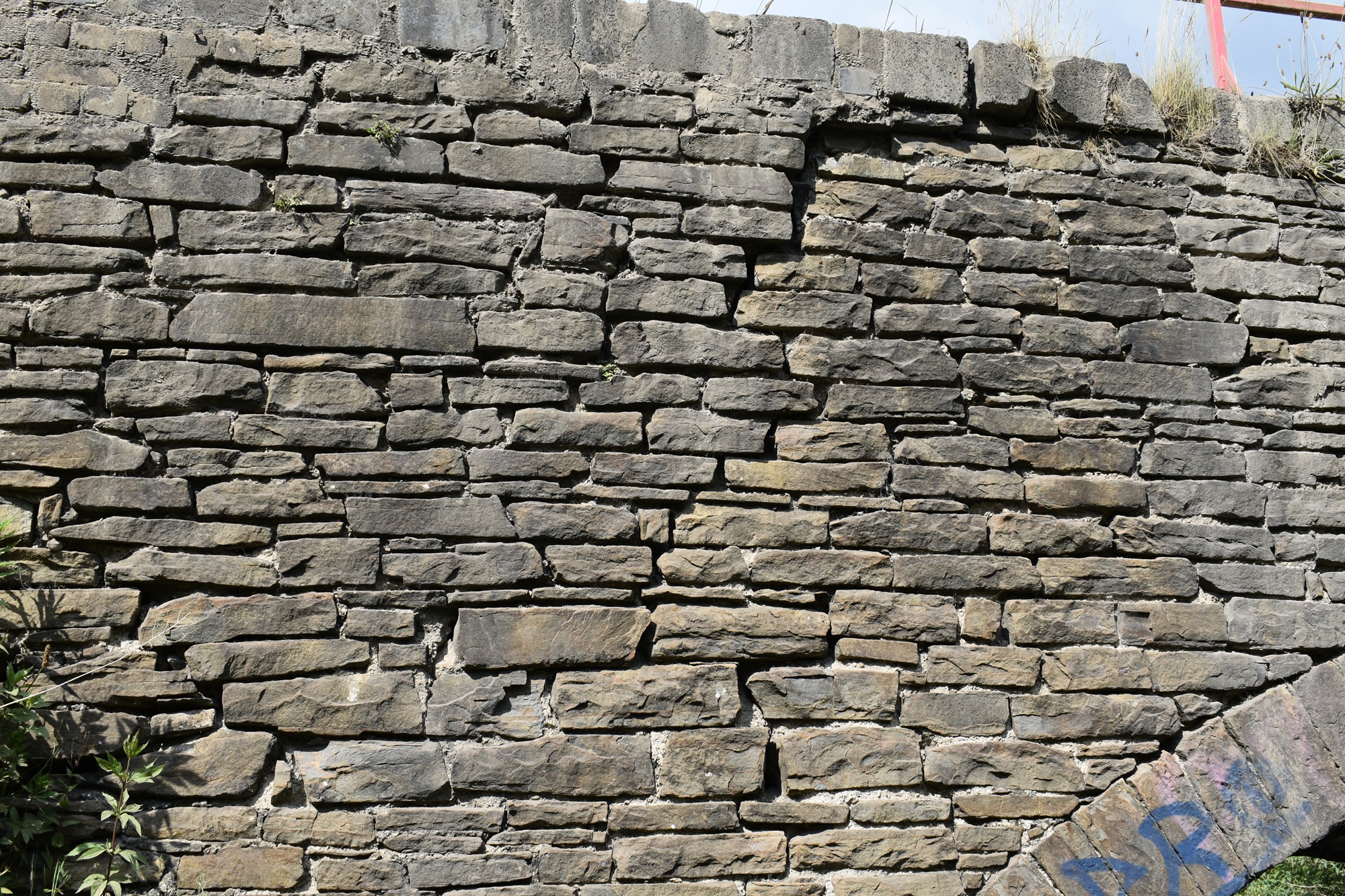
Broken Bridge January 2022
Damaged Derwen Group Bridge January 2022
Broken Bridge June 2021
The historically listed damaged Derwen Group bridge in June 2021

Local residents and walkers have reported the deterioration to Neath and Port Talbot councillors, yet no meaningful action has ever been taken.
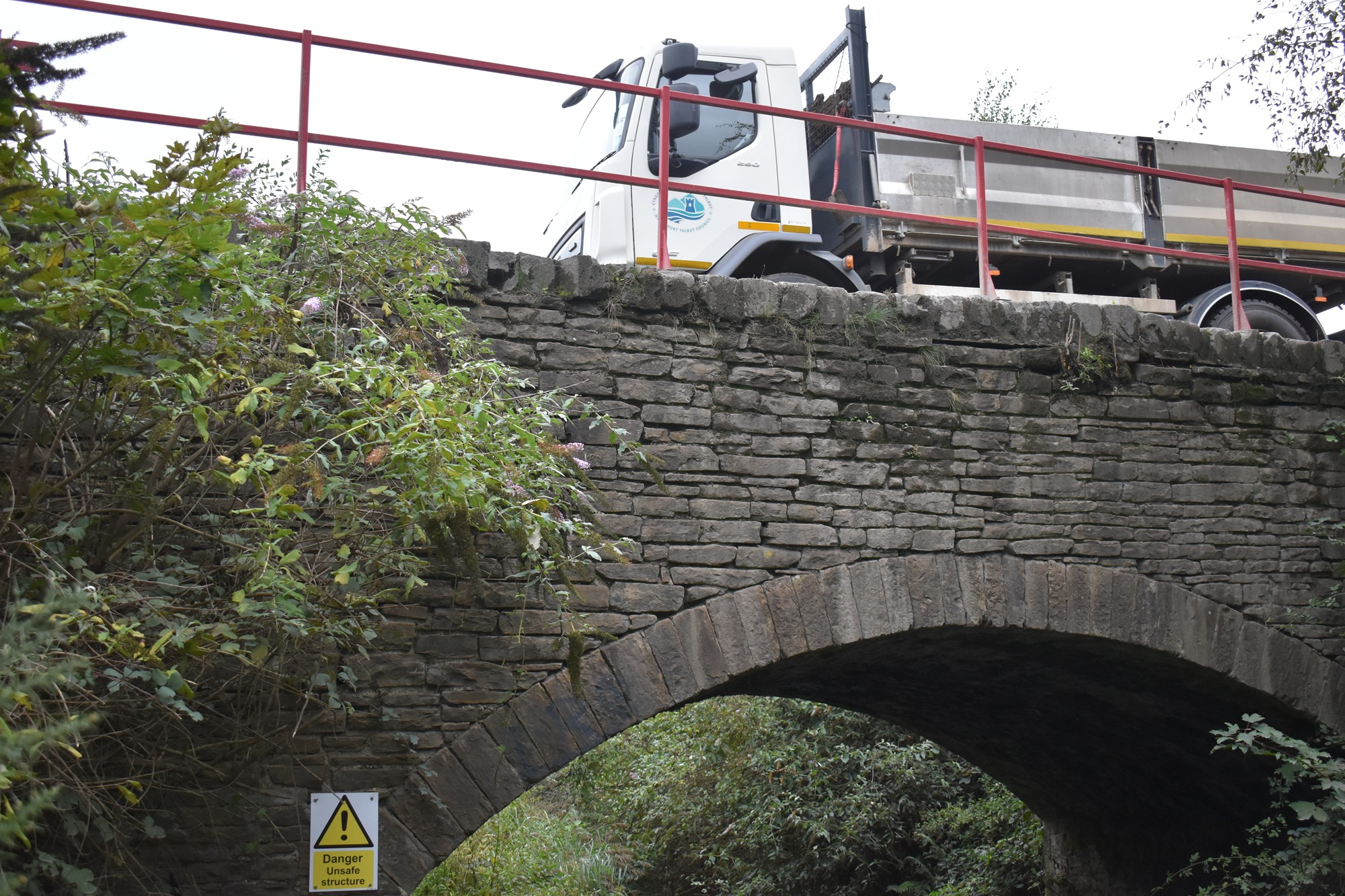
Broken Bridge at Derwen Group.
Neath and Port Talbot Council vehicles cross the bridge hundreds of times each week as part of routine operations.

The irony is impossible to ignore: even though the bridge has now been formally declared dangerous, a Neath and Port Talbot Council lorry still passes over it as part of its recycling operations.

This listed building — in this case, a historic bridge at the Derwen Group works entrance — must be repaired by whoever is responsible for causing the deterioration. Whoever has contributed to the damage has a clear duty to put it right, and to do so in a way that respects the bridge’s age, status, and historic significance.

In 1797, the Crown Copper Works was opened on the right bank of the River Neath, becoming one of the area’s earliest major industrial sites. When the Tennant Canal was constructed and opened in 1824, this stone bridge — built around 1822 — was added to provide access to the copper works. Map of the area 1844.
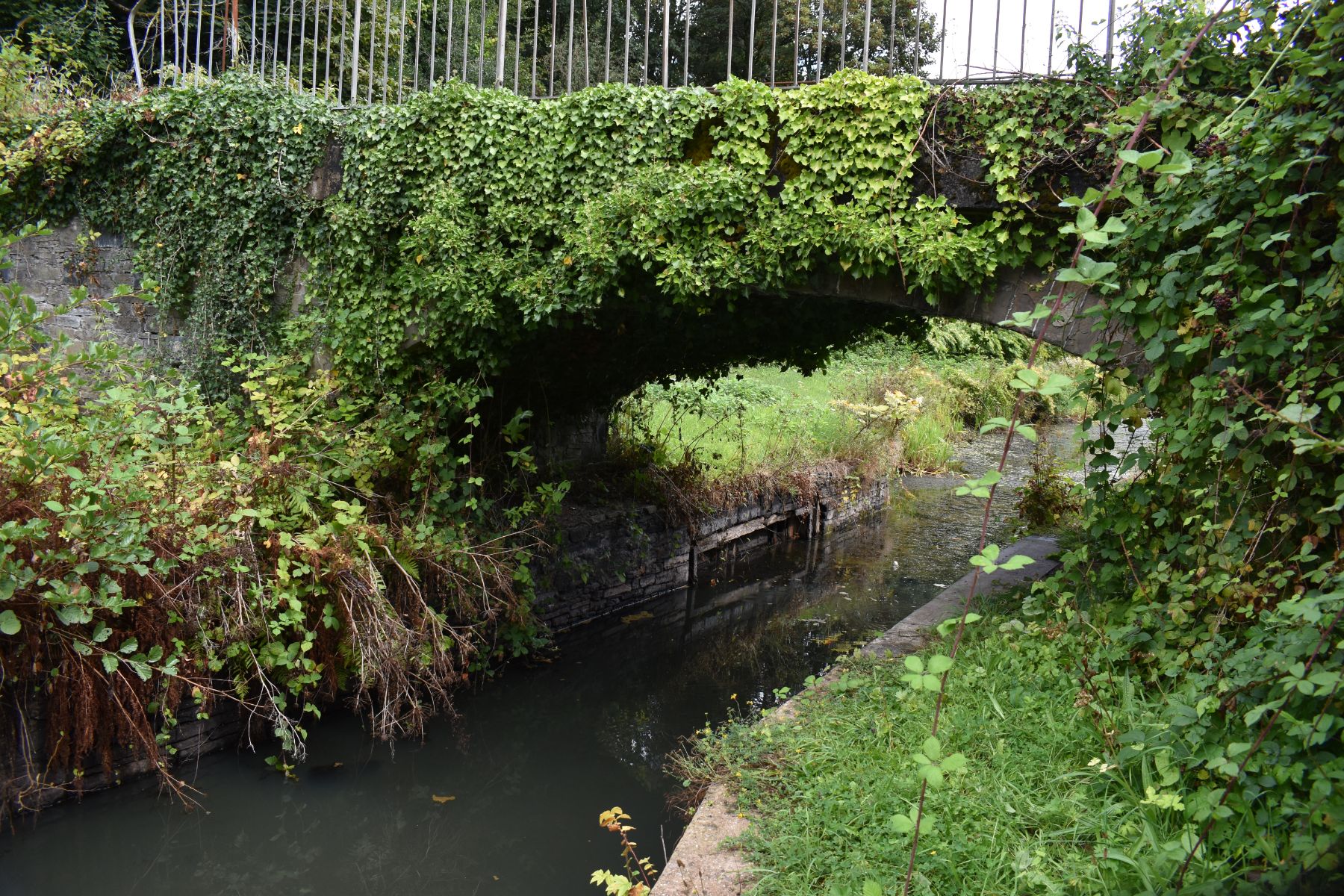
A listed structure must be treated with care, not battered by heavy vehicles and left to crumble until warning signs appear. Proper, respectful restoration is now overdue.

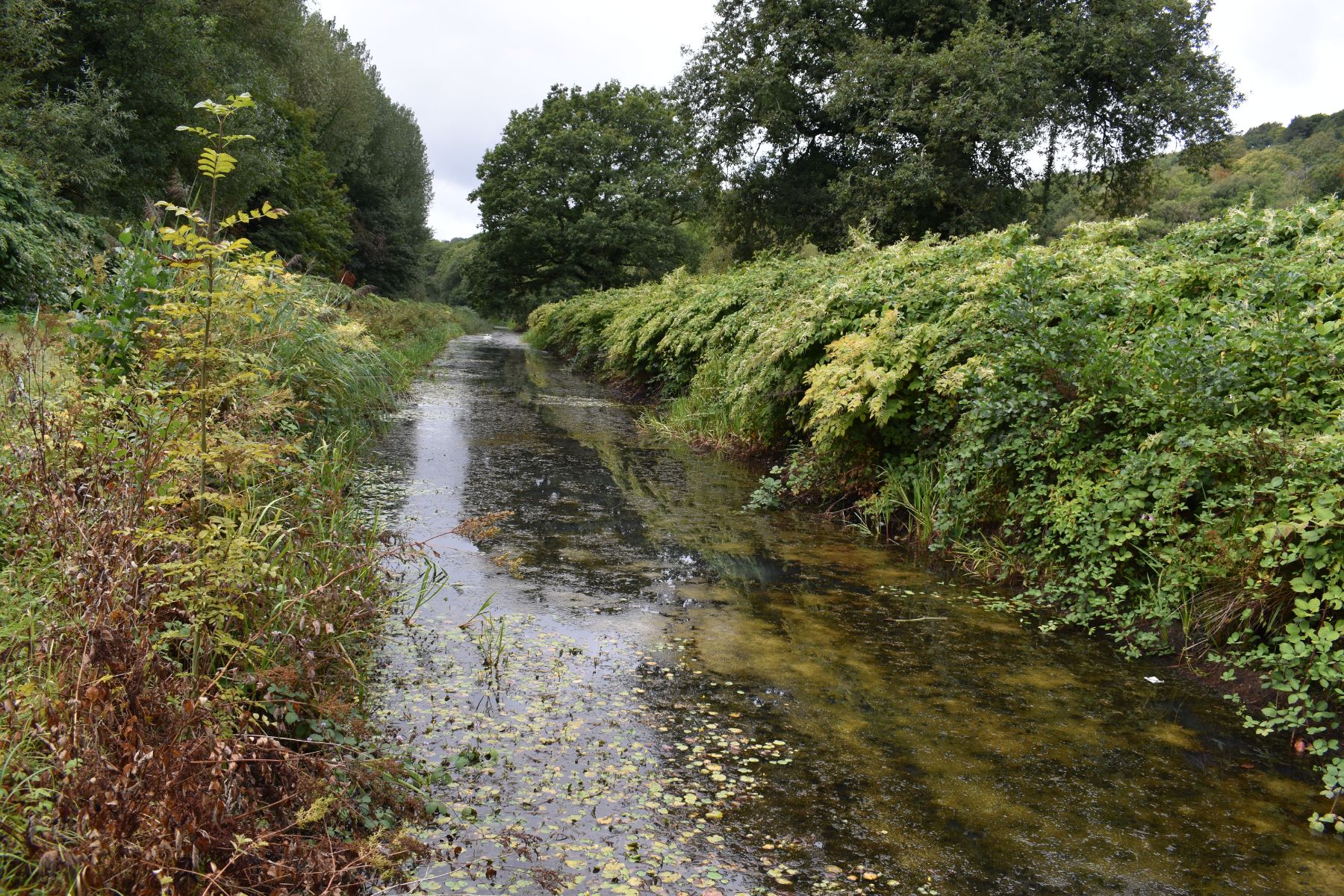
For towpath users, the result is confusion, restricted access, and yet another example of infrastructure along the Tennant Canal being left to decline until the danger becomes impossible to ignore.
STTC

Part 1: Pollution Along the Tennant Canal
September 01 2026.

STTC have already reported this incident to the Tennant Canal owners, ensuring they are aware of the polluted brown water entering the canal from the 2021 drainage outlet.
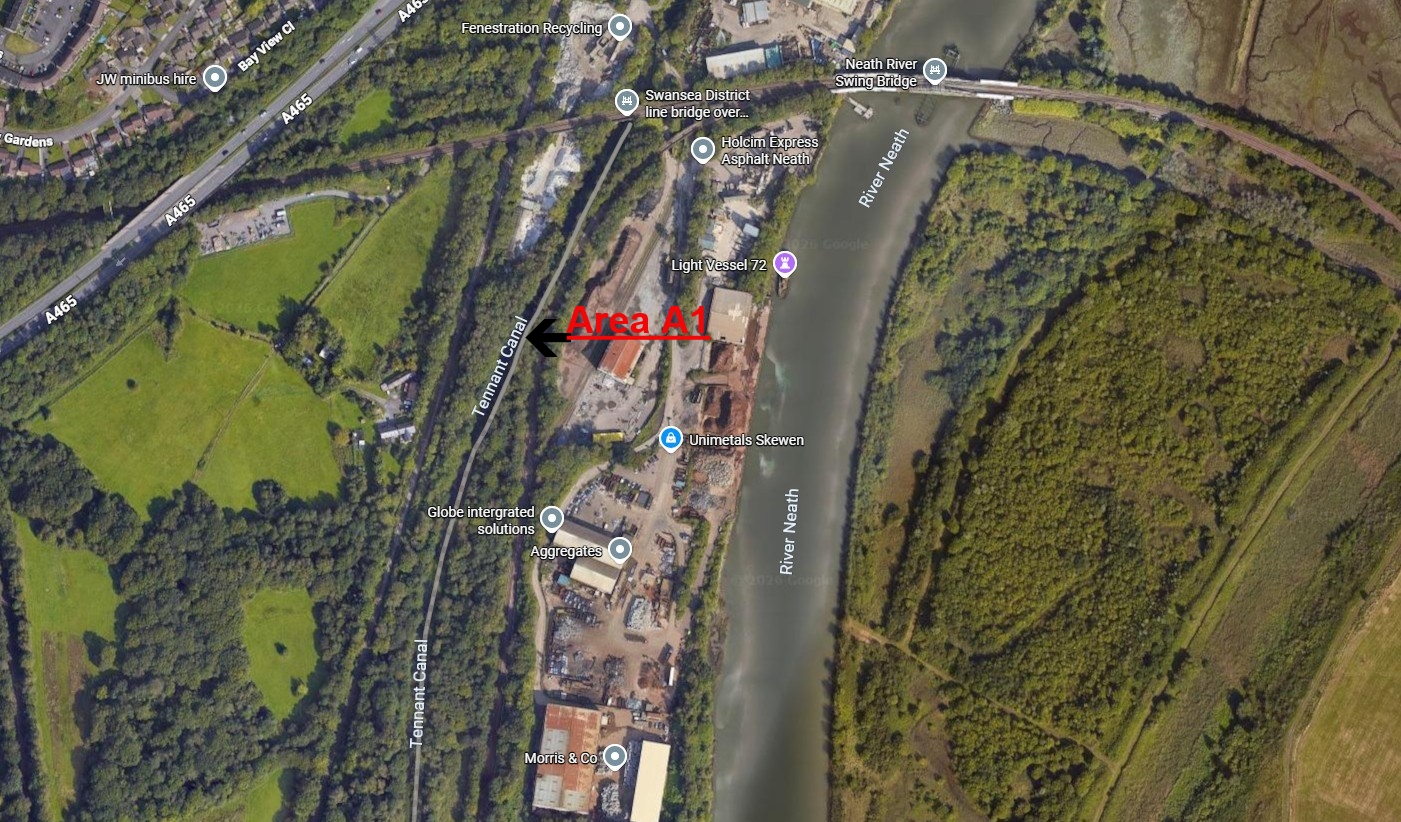
Area A1: Thick Orange Water and Mineral Runoff.
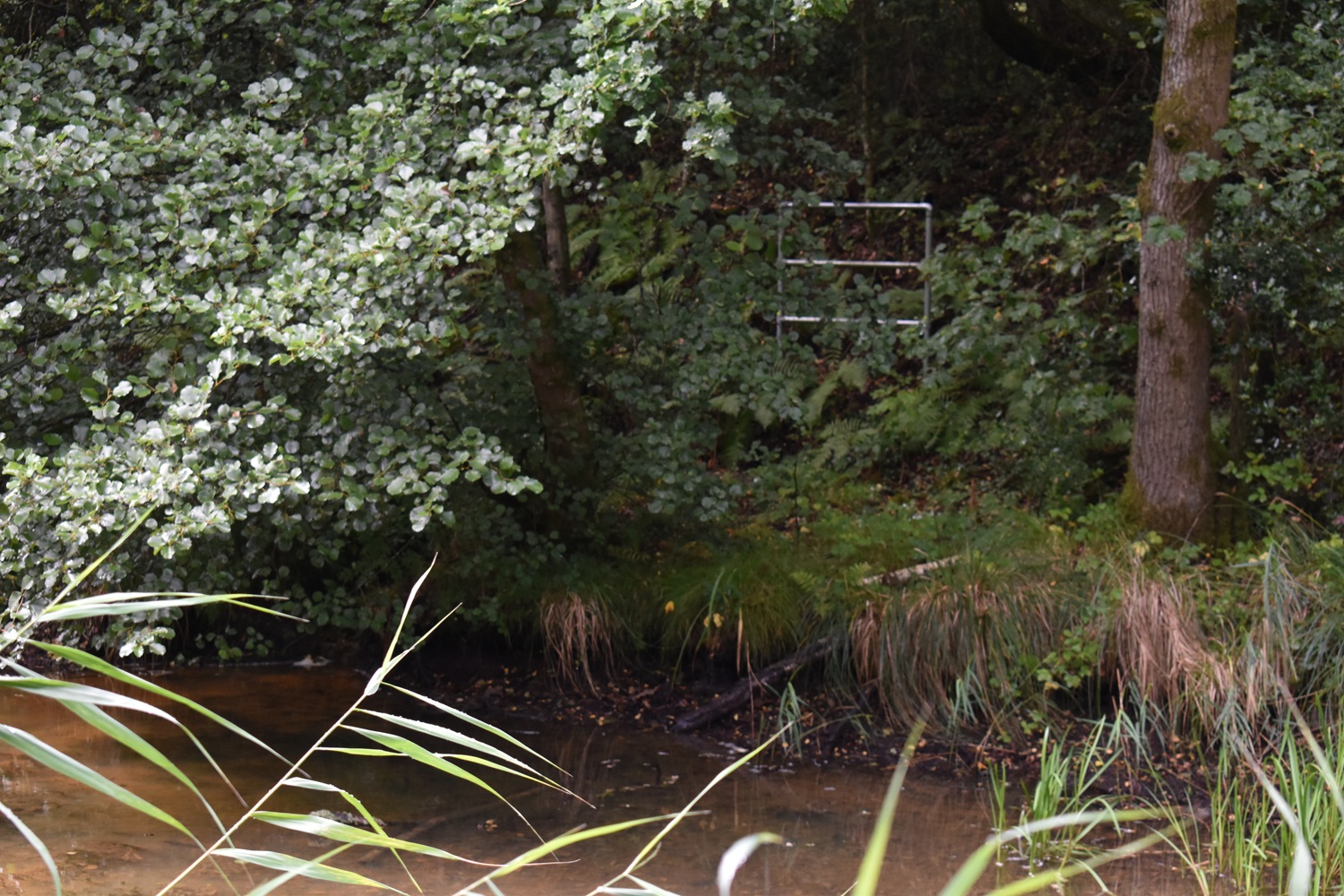
The drain system installed in 2021 in August 2026.
Pictured in September 01 2026. The drain system installed in 2021 is responsible..

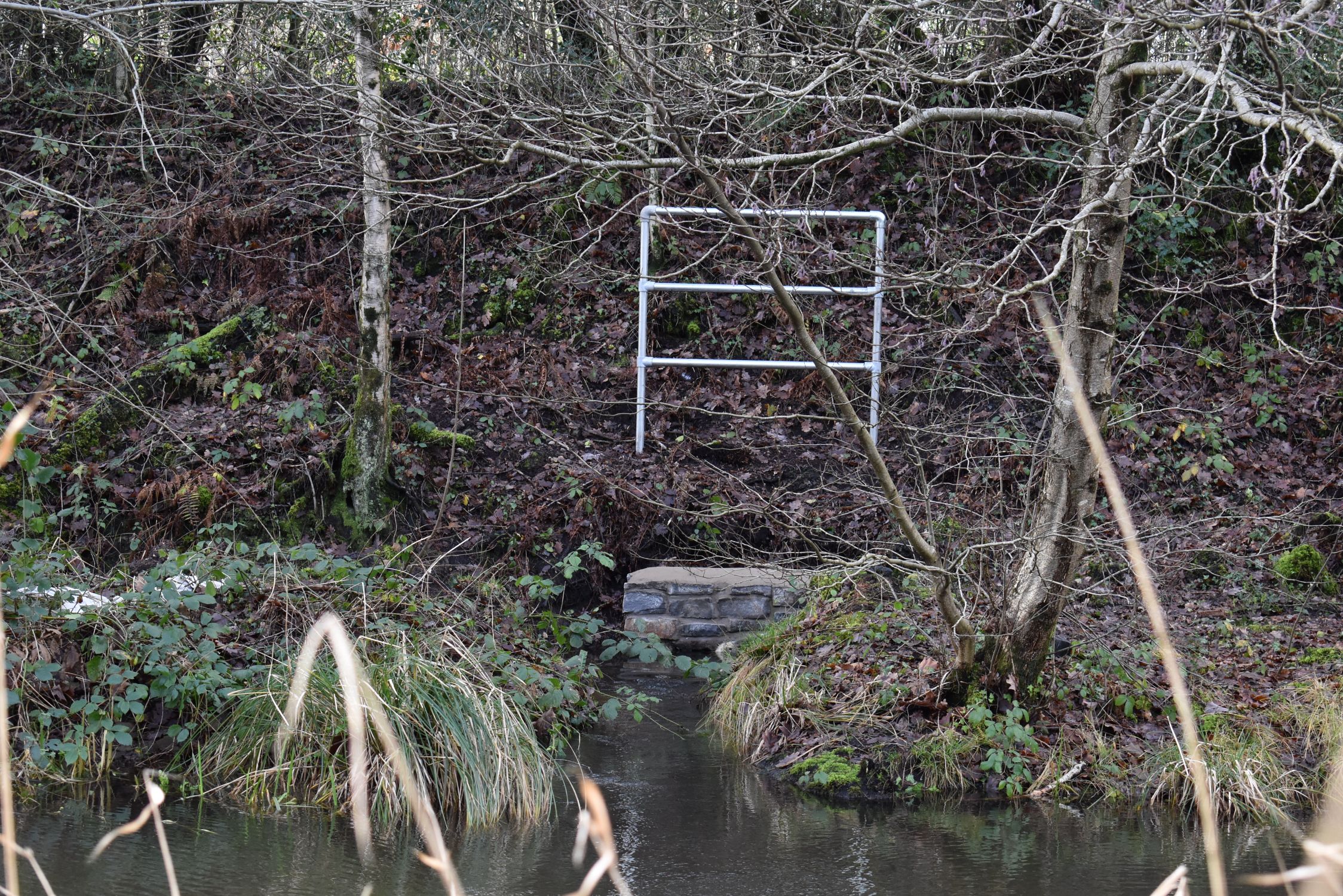
The drain system installed in 2021 is responsible for the brown, contaminated water entering the canal, creating the long plume of discolouration that now runs both upstream and downstream from the outflow.

Pictured in September 01 2026. The drain responsible for the brown water is the 2021 drainage outlet.

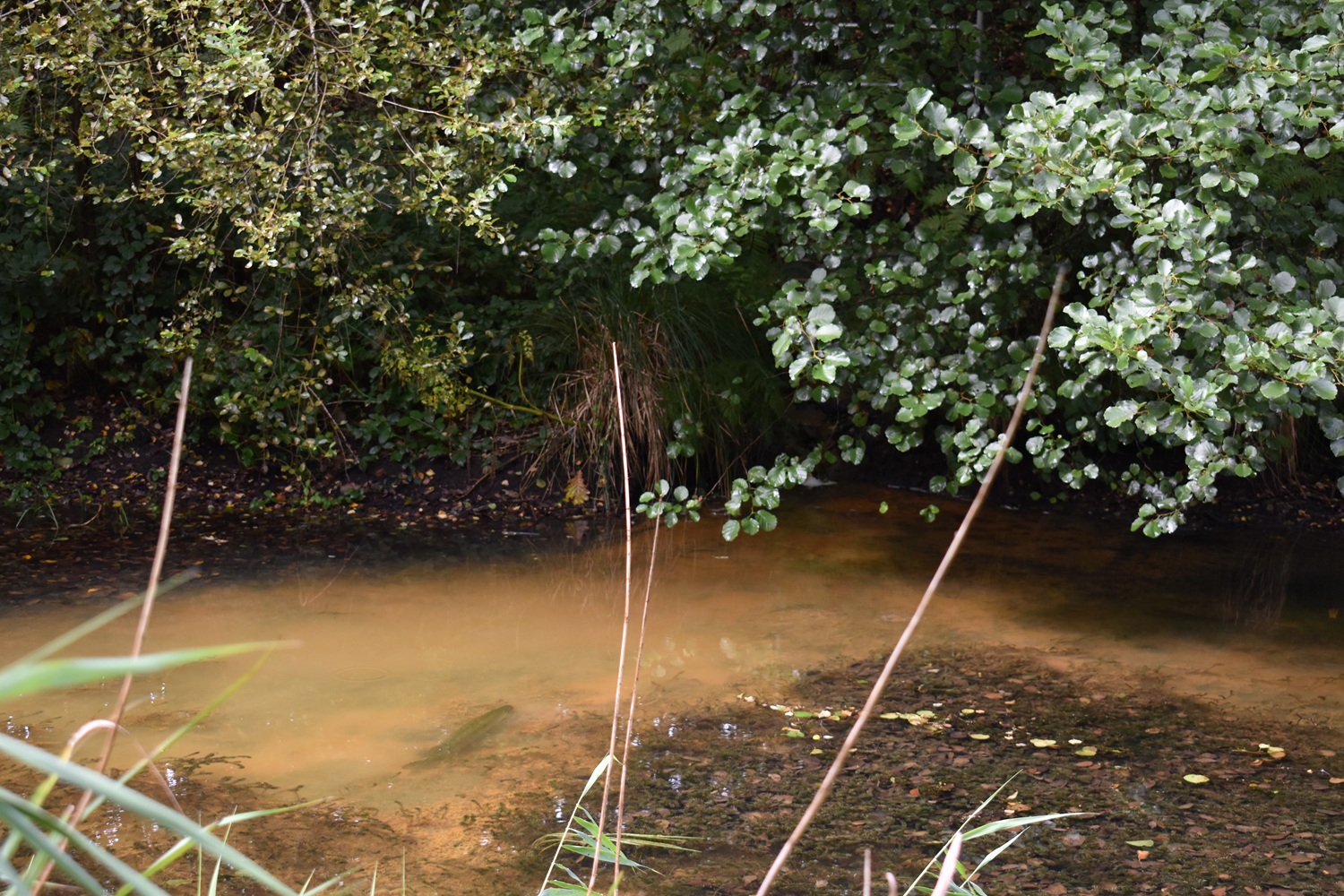
There was a bleak irony in the scene. A large pike rested in just inches of brown, contaminated water, facing the polluted drain as if acknowledging the source of the murk that now smothers this stretch of canal.

Pictured in September 01 2026.

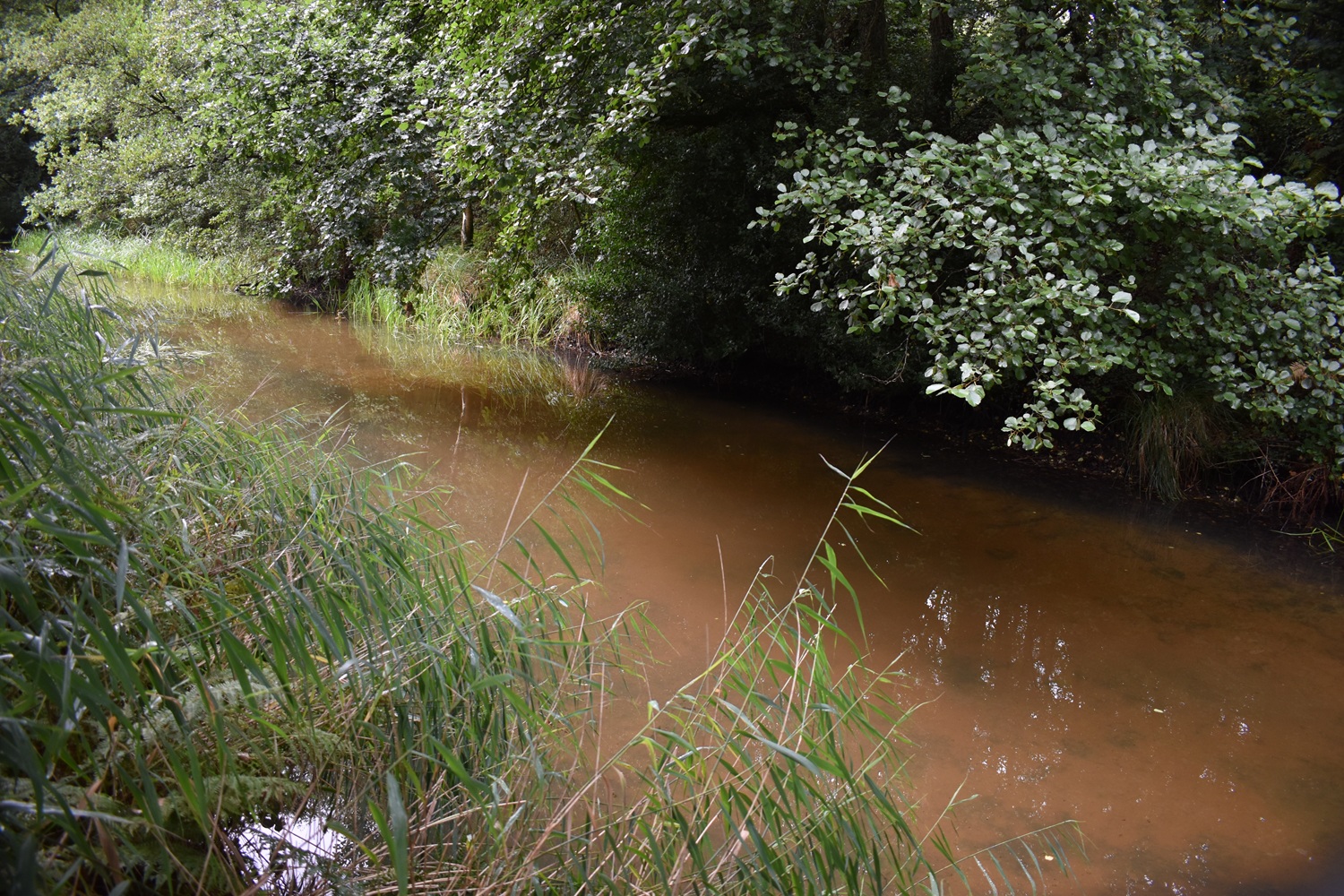
The canal water is visibly discoloured, carrying a blend of brown sediment from the drainage outlet. The water is now flowing out of the drainage system installed in 2021, discolouring the canal and adding to the visible pollution in this section.

Downstream, the canal carries a long trail of pollution from the drain.

The polluted brown water doesn’t just pool around the outflow — it travels upstream for over 50 yards, leaving a long, murky trail that stains the canal and makes the entire stretch look contaminated.

A drain system to the rear of Fenestration Recycling Co Ltd was built in 2021.
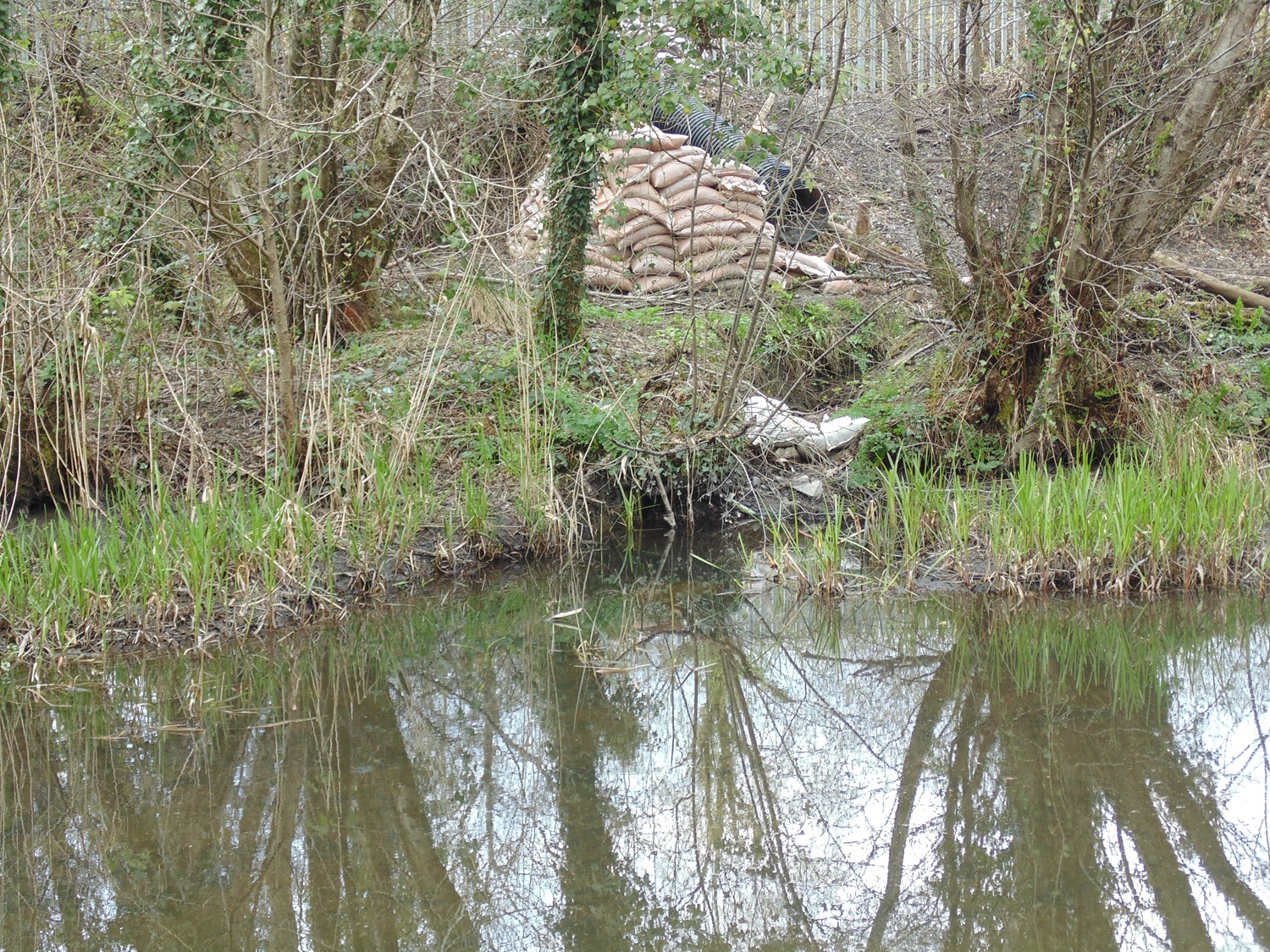
The drain system under construction in 2021.
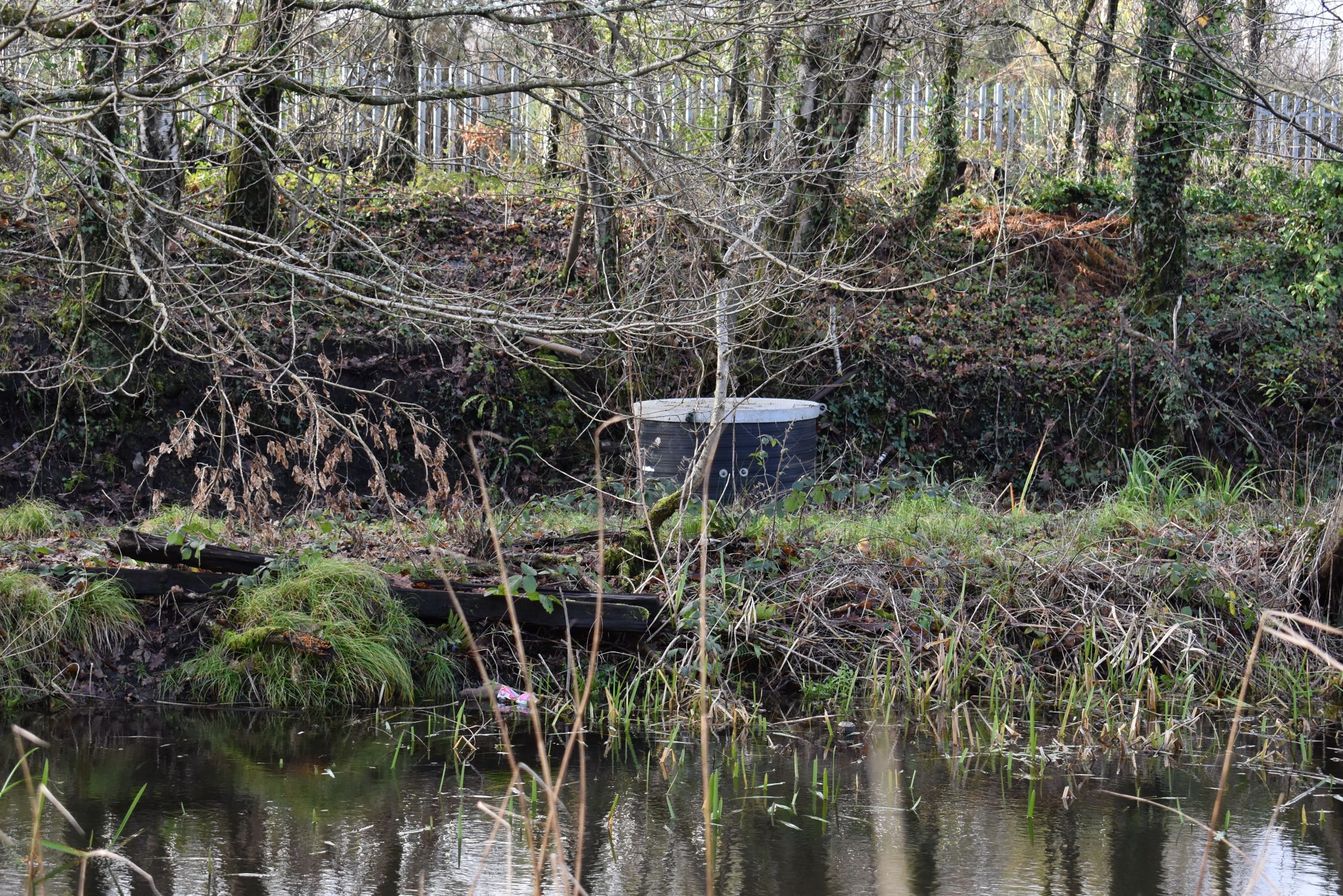
The drain system after construction in 2021.
Fenestration Recycling Co Ltd went into Liquidation in 2024

Fenestration Recycling Co Ltd entered creditors’ voluntary liquidation on 31 March 2025. The company had multiple Health & Safety failures, formally recorded by the Health and Safety Executive, including dangerous electrical systems, missing safety covers, damaged emergency stops, and inadequate arrangements to prevent exposure to live conductors. These failures created immediate risks to worker safety and required enforcement action.

The Canalman

A Historic Canal in Ruin: Aberdulais to Neath Abbey

Neglect by River Management

Bureaucracy and red tape can absolutely damage an ecosystem, especially when concentrated in a powerful, slow‑moving “super‑quango.” The core problem is simple: ecological systems respond quickly; bureaucracies do not. When administrative delay, fragmented responsibility, or rigid procedures block timely action, wildlife pays the price.

We begin our journey at the Dulais River beside the Aberdulais Tinplate Works, a site shaped by more than 400 years of industry—from early copper working to iron smelting, corn milling, and finally the 19th‑century tinplate works built around 1830. Its waters along with the River Neath had been supplying the Tennant Canal for centuries.
The River Dulais (Afon Dulais)
The Dulias River tinplate works, known today as the Aberdulais Tin Works.
The Aberdulais Aqueduct.
Aberdulais Aqueduct, completed in 1824, joins the Neath and Tennant canals.
The Aberdulais Aqueduct on the Tennant Canal
The Aberdulais Aqueduct.

The Aberdulais Aqueduct that once carried the Tennant Canal remains heavily damaged, trapped in a standstill caused by complex funding disputes, shifting flood-management strategies, and a tangled multi-agency bureaucracy. Ever since Storm Dennis severely breached the structure, the future of this Grade II* listed monument has been caught between calls for full restoration and controversial proposals by Welsh government quango Natural Resources Wales for its demolition.
The Dulias River meets the Tennant Canal supply Weir
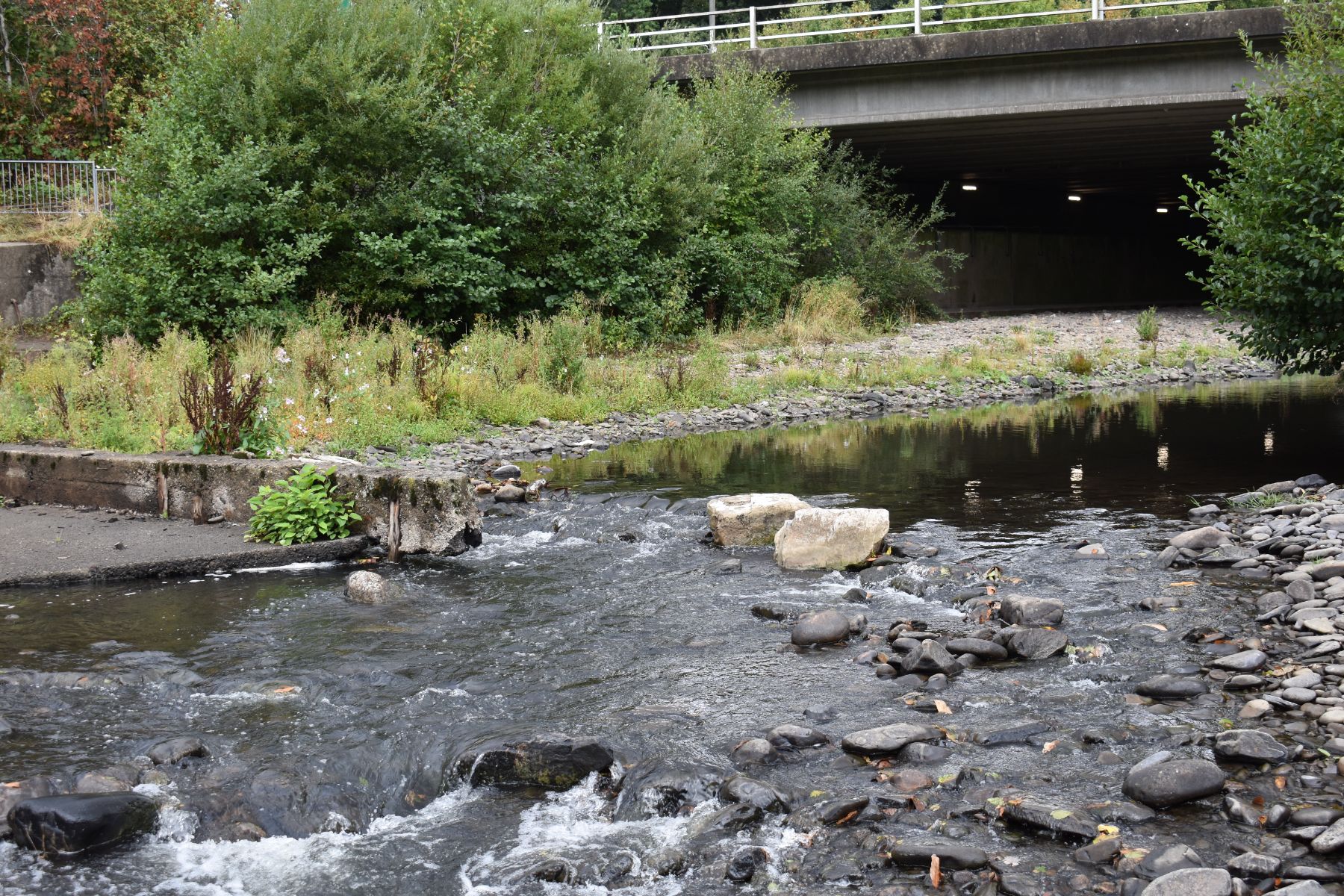
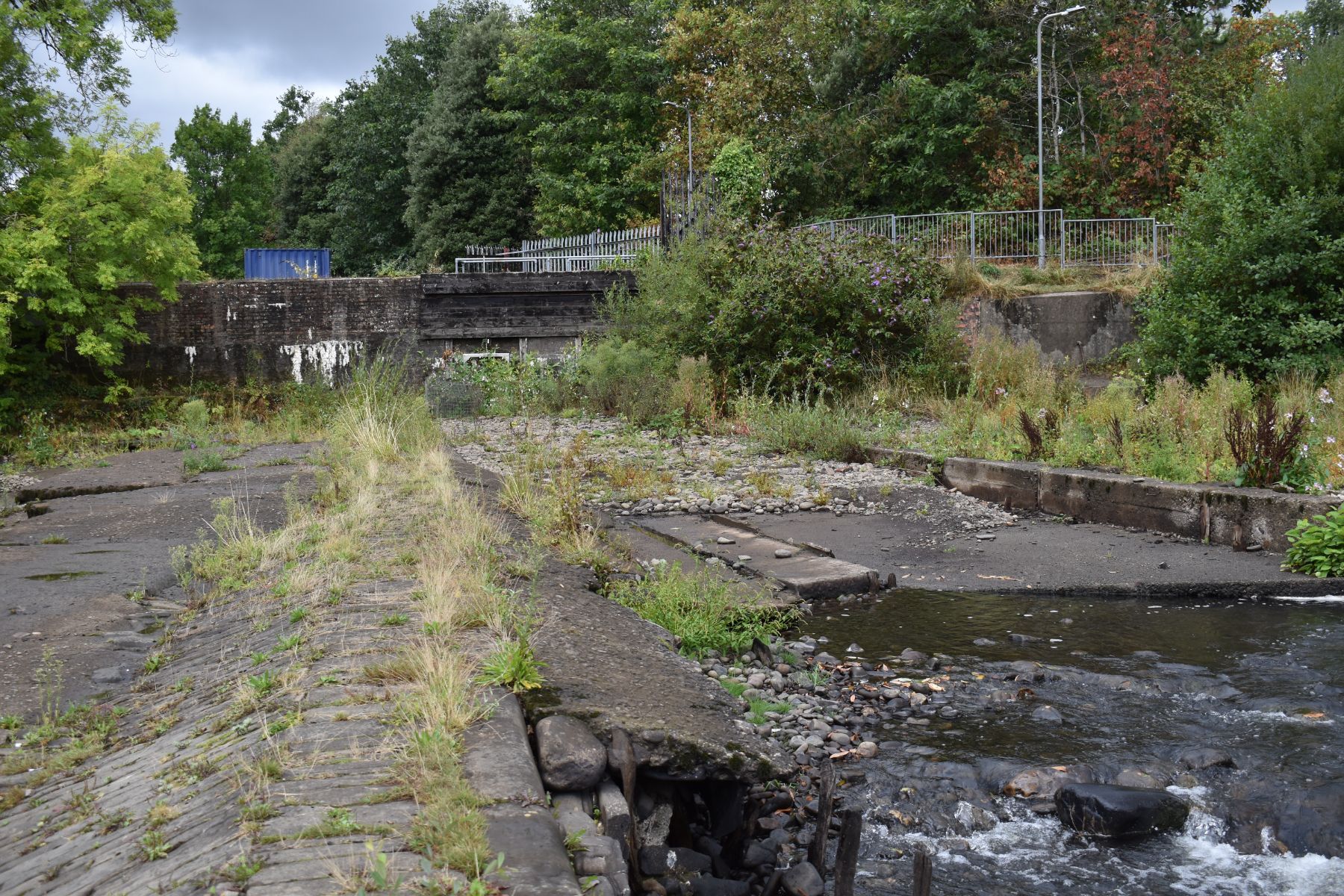
The Tennant Canal supply weir is located just to the left of the picture at Aberdulais at the confluence of the Rivers Neath and Dulais.
Water here at the Dulais has been plentiful enough to simply have topped up the Tennant Canal every day without any problem, and that’s what makes what you are about to witness even more frustrating.
The canal has been without its main water supply since 2015, after Natural Resources Wales introduced new financial demands linked to abstraction licensing. Although the River Neath feeder weir was damaged in February 2015, the channel shown here is still more than capable of carrying water—highlighting how the canal’s decline stems from management decisions rather than physical impossibility.

The Tennant Canal supply Weir at the sluice gates controlled by Natural Recources Wales.
The Tennant Canal’s water supply feeder channel to the sluice gates that once regulated flow is left locked.

The Tennant Canal’s water supply relies on feeder channels and sluice gates connected to the weir system near Aberdulais on the River Neath/Dulais, where flow management falls under Natural Resources Wales (NRW). In other words, the infrastructure to keep this canal alive still exists — it just isn’t being used. What makes the neglect so maddening: the Dulais has more than enough water, the feeder channel is right there, and the whole system could be cleaned and made functional in a couple of hours if anyone actually prioritised it. Instead, the canal is left to dry out beside a river still running strong, a historic waterway fading not because nature demanded it, but because a quango stopped it. What should be a living corridor of water, wildlife and heritage has been reduced to a neglected trench, sacrificed to bureaucracy rather than protected by it.

The Sluice Gates
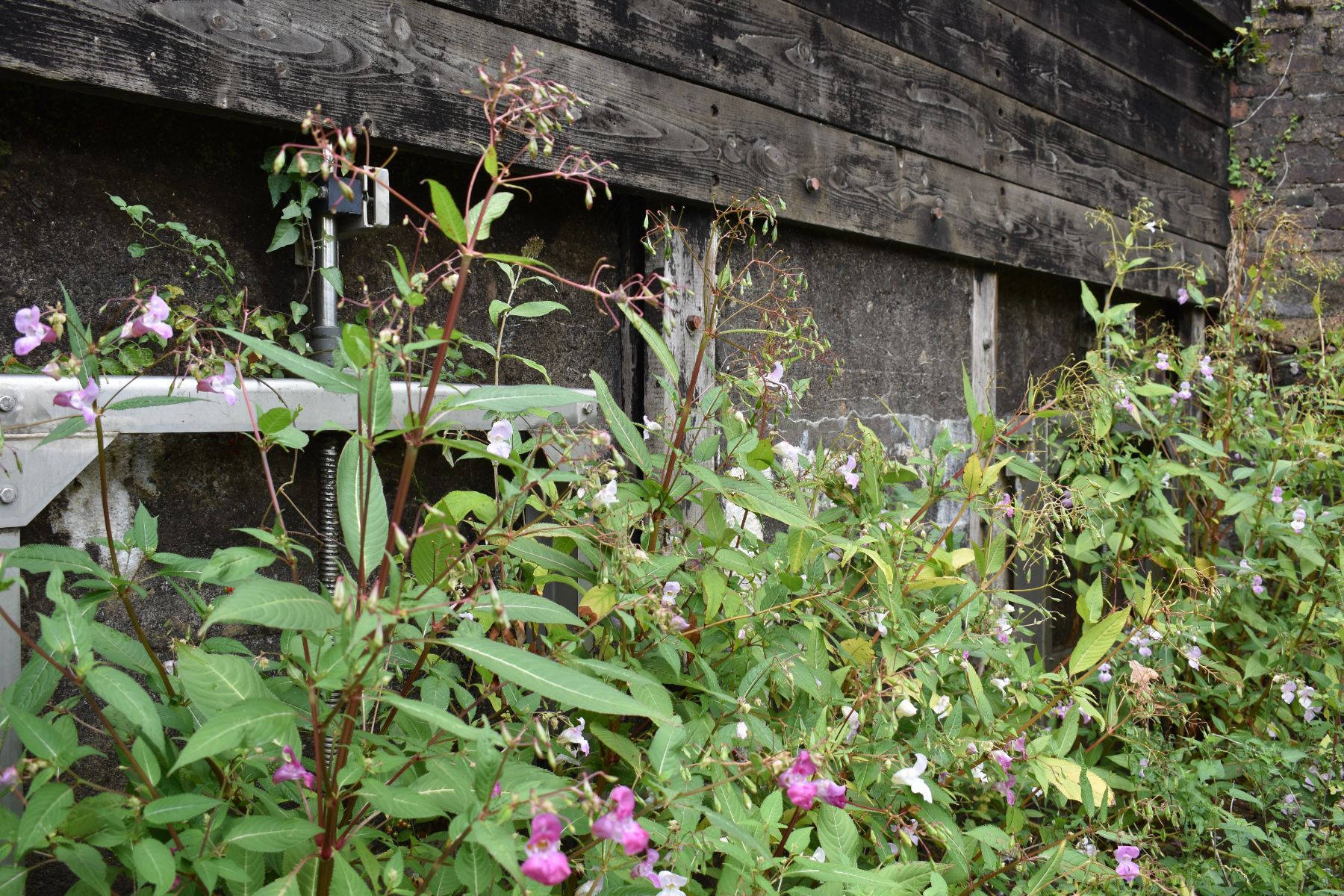
Sluice gates that could feed the canal daily, if anyone bothered to open them.

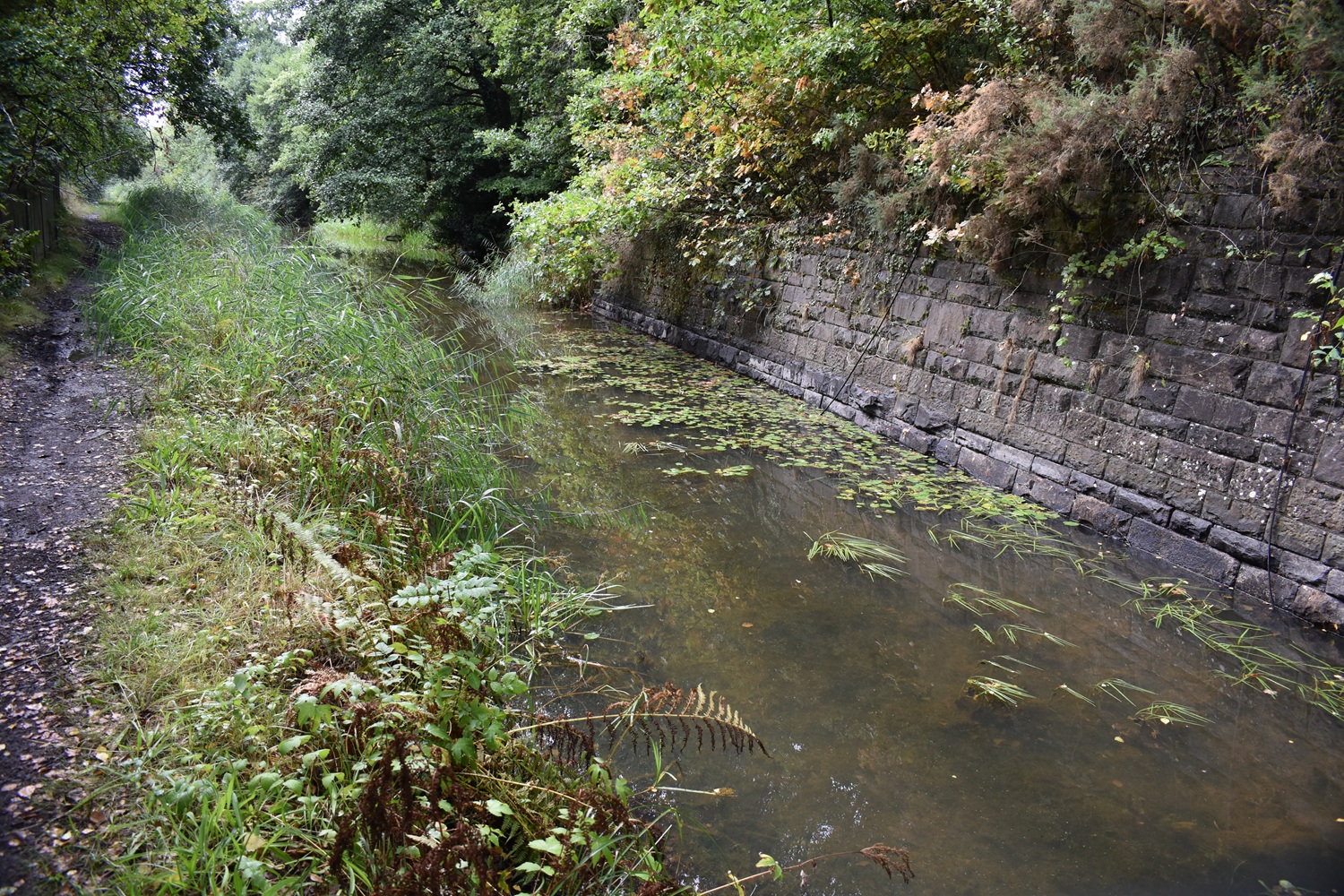
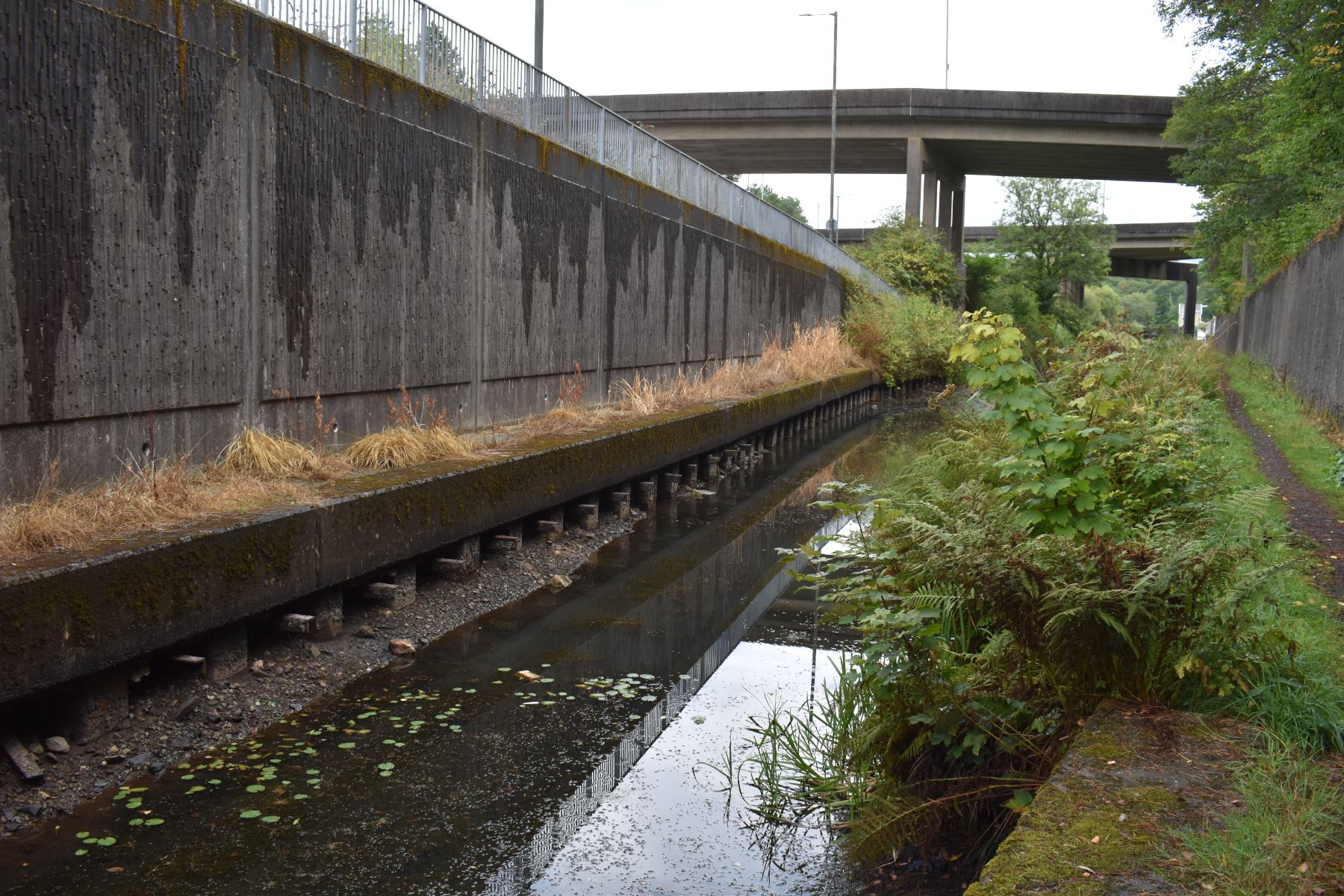
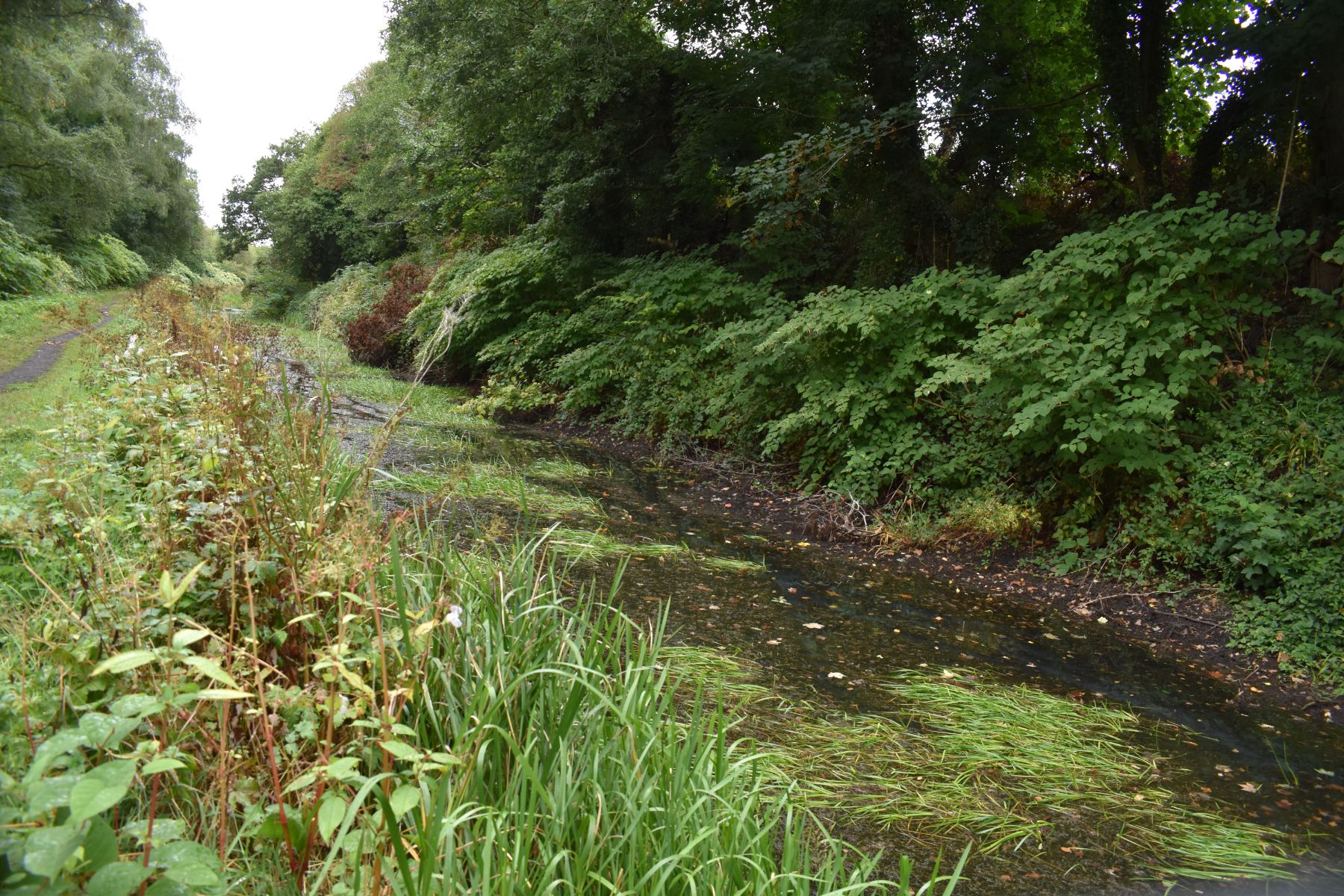
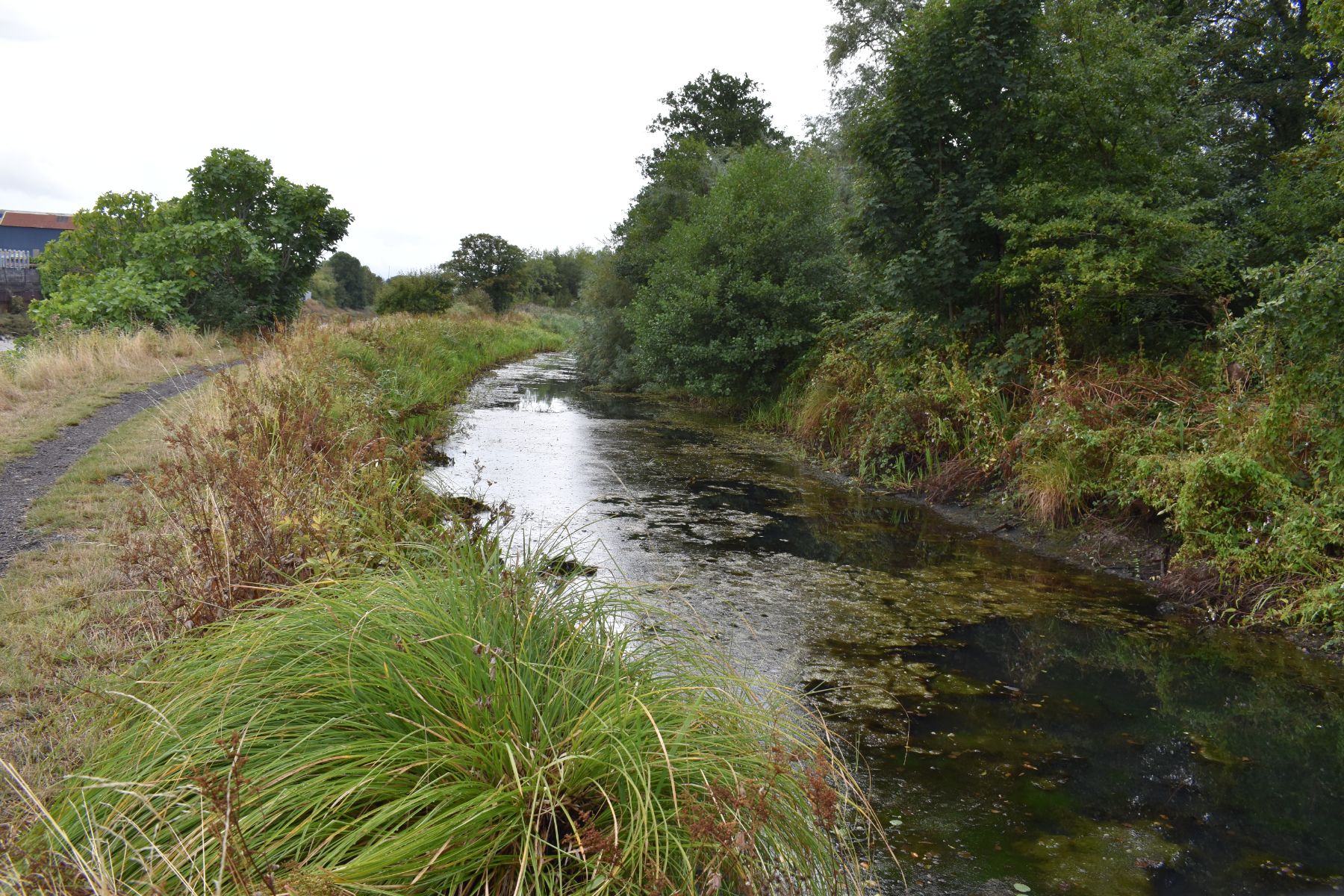
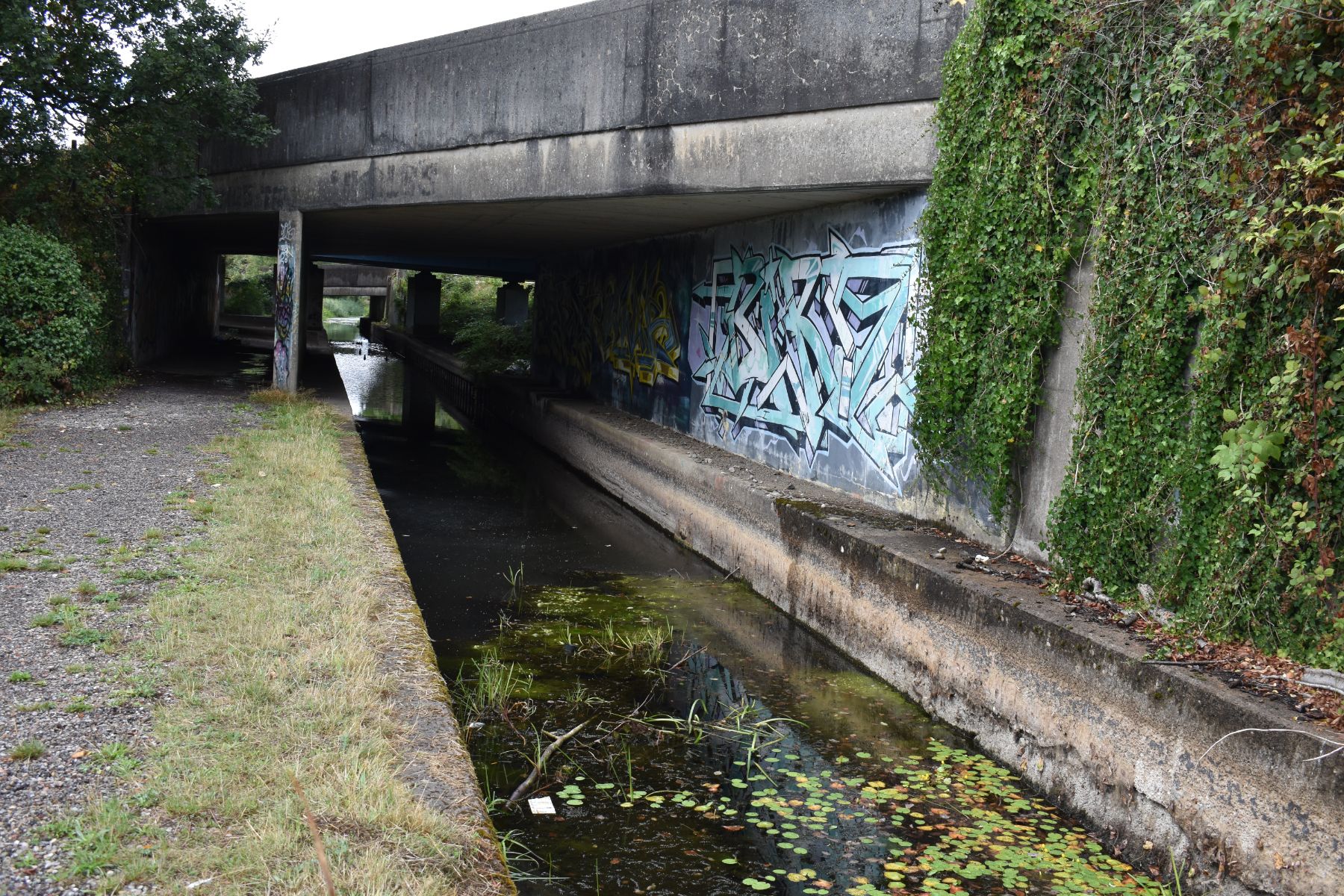
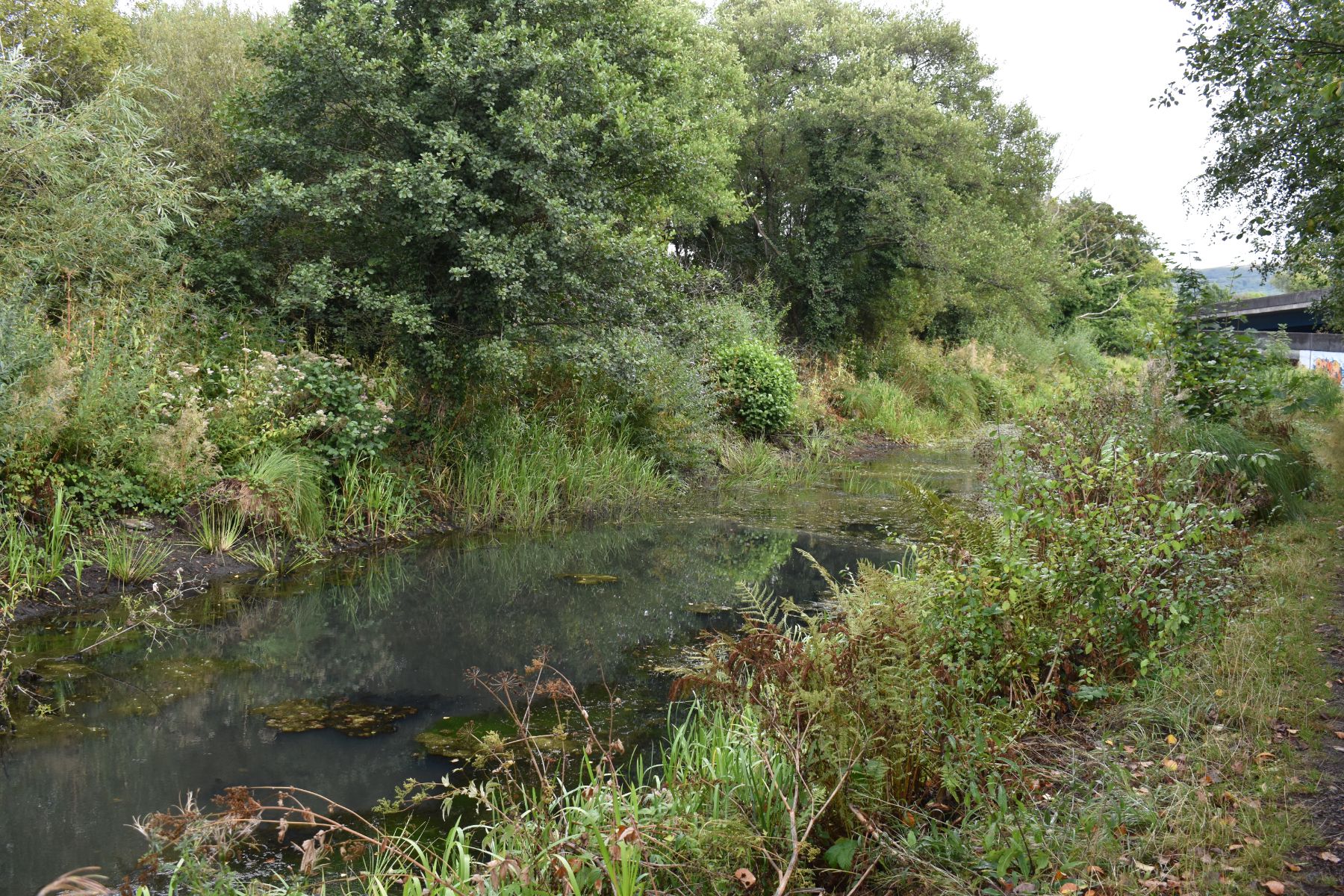
The canal walk from Aberdulais to Neath Abbey is overshadowed by the condition of the Tennant Canal itself. Along this stretch the waterway has deteriorated so badly that it resembles a drained trench in places, its bed choked with silt, weeds, and dense overgrowth. What should be a calm ribbon of water leading toward Neath Abbey has collapsed into a muddy corridor, broken only by short, stagnant pockets of water barely a few inches deep. The towpath that still carries walkers, cyclists, and dog‑owners remains pleasant enough, but the canal beside it feels abandoned.
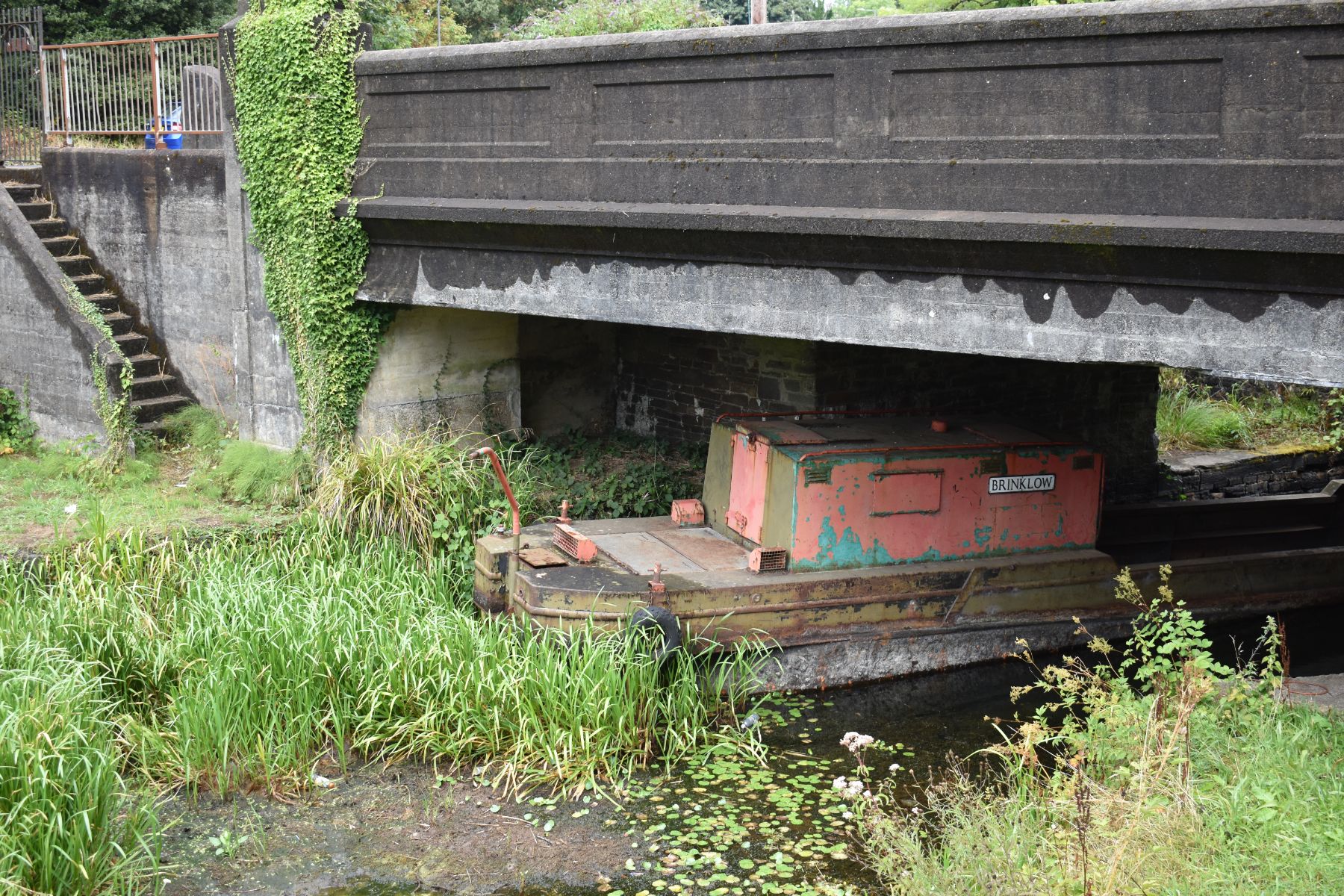
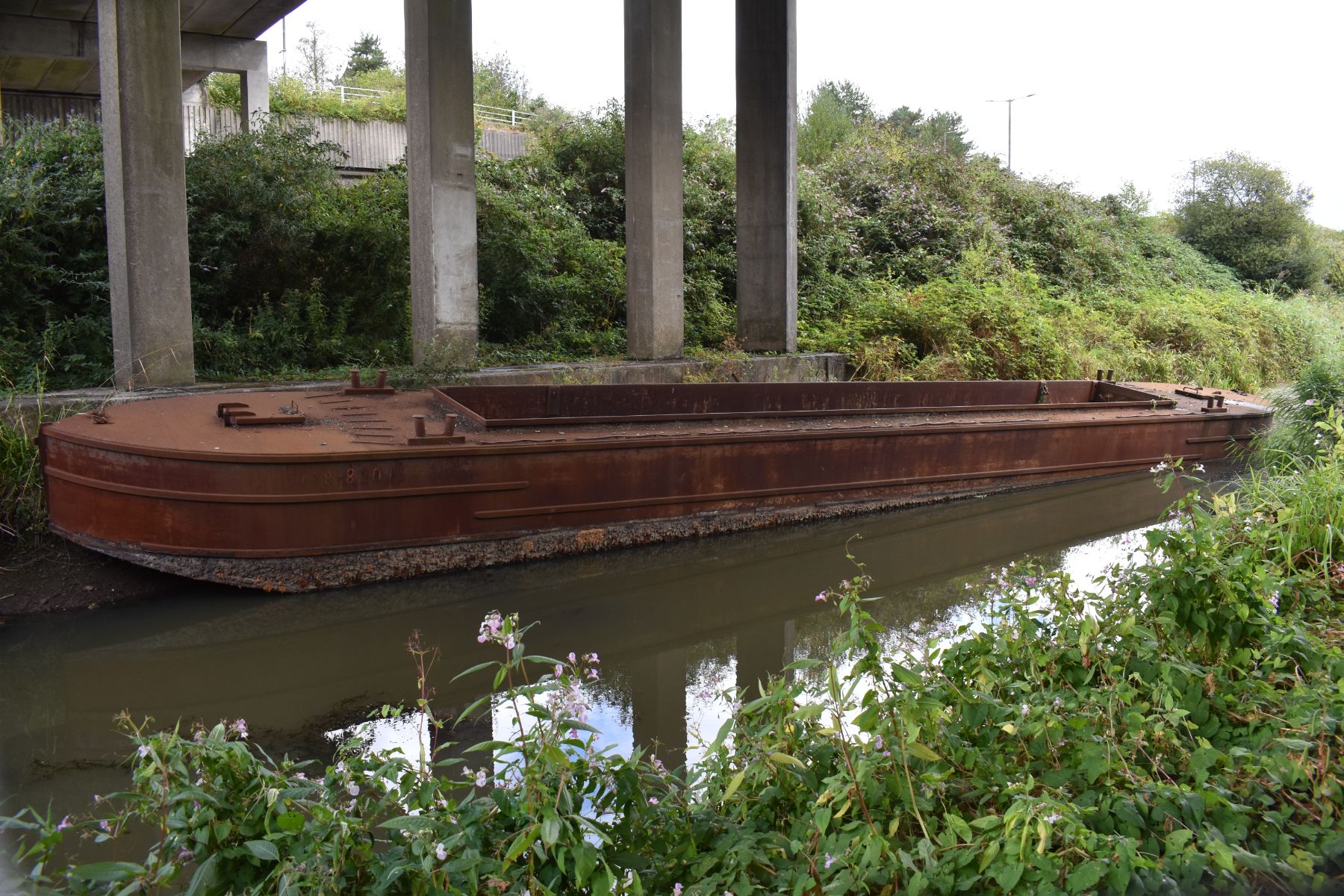
The historic rusted metal barge sitting in inches of water under the bridge at Aberdulais.
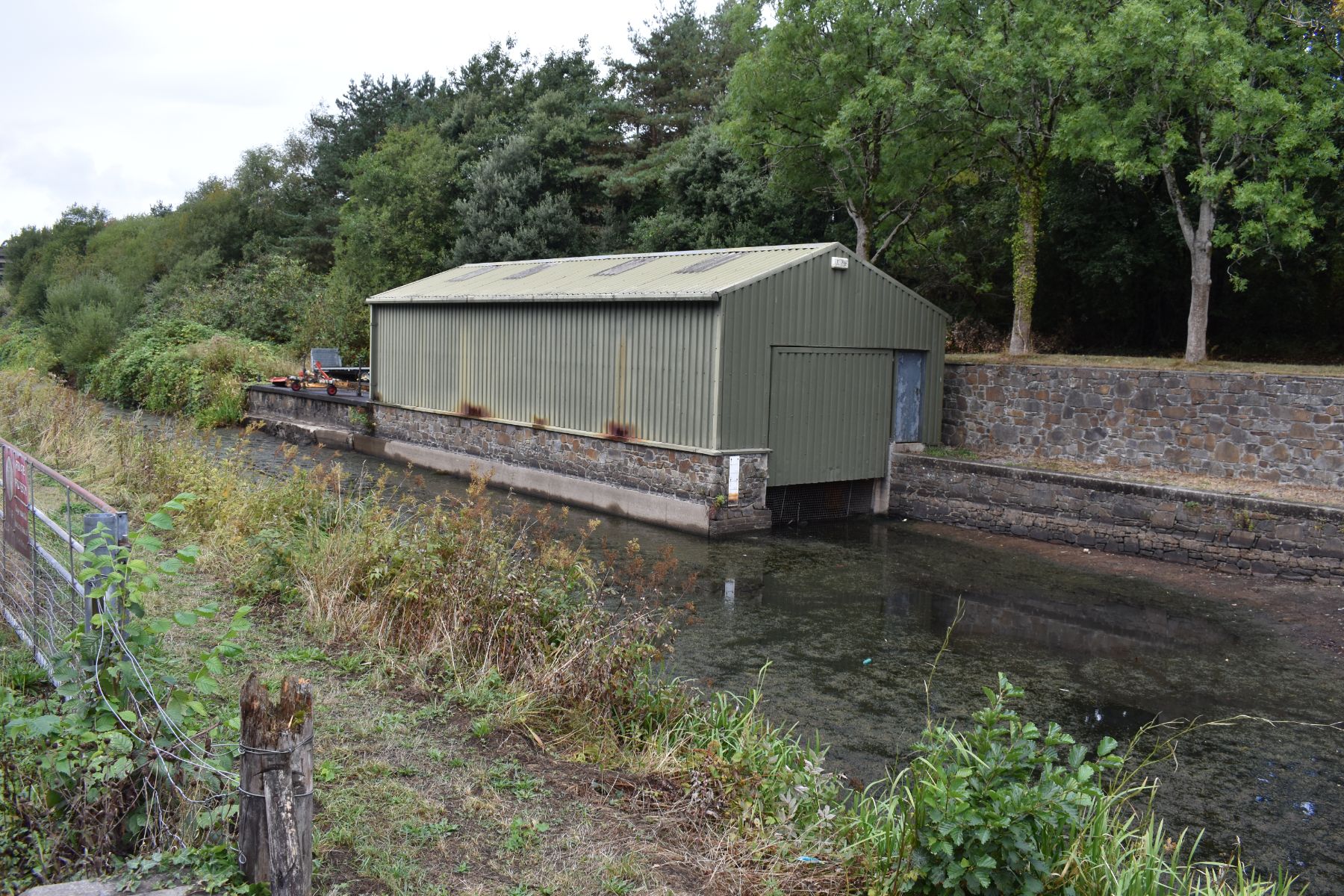
Grade II listed Neath  Workshops and Stores at Aberdulais
The Tennant Canal, owned by the Port Tennant Company, (Coombe Tennant Family) incorporates the Grade II listed Neath Workshops and Stores at Aberdulais.
The Port Tennant Company’s maintenance unit typically contains the weed‑cutter barge, yet the standard of canal maintenance has been consistently poor for many years.
Another historic rusted metal barge sitting in inches of water under a main road bridge at Aberdulais.
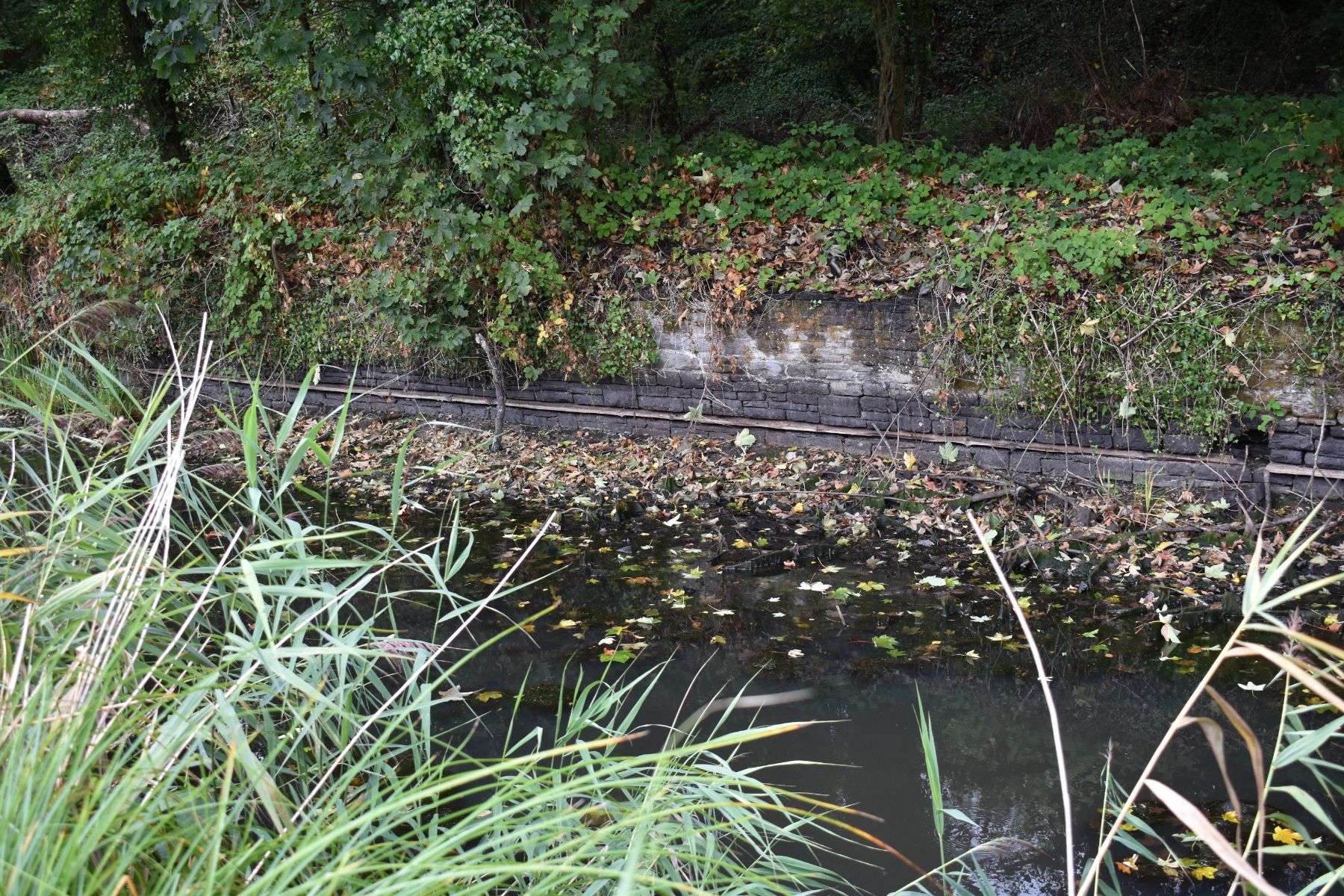
Where the canal water once stood at roughly four feet deep around the bridge and new road sections, it is now reduced to an almost dry channel.
The canal runs behind Tom’s Nurseries & Garden Centre, with the first stone‑arch bridge visible in the distance.
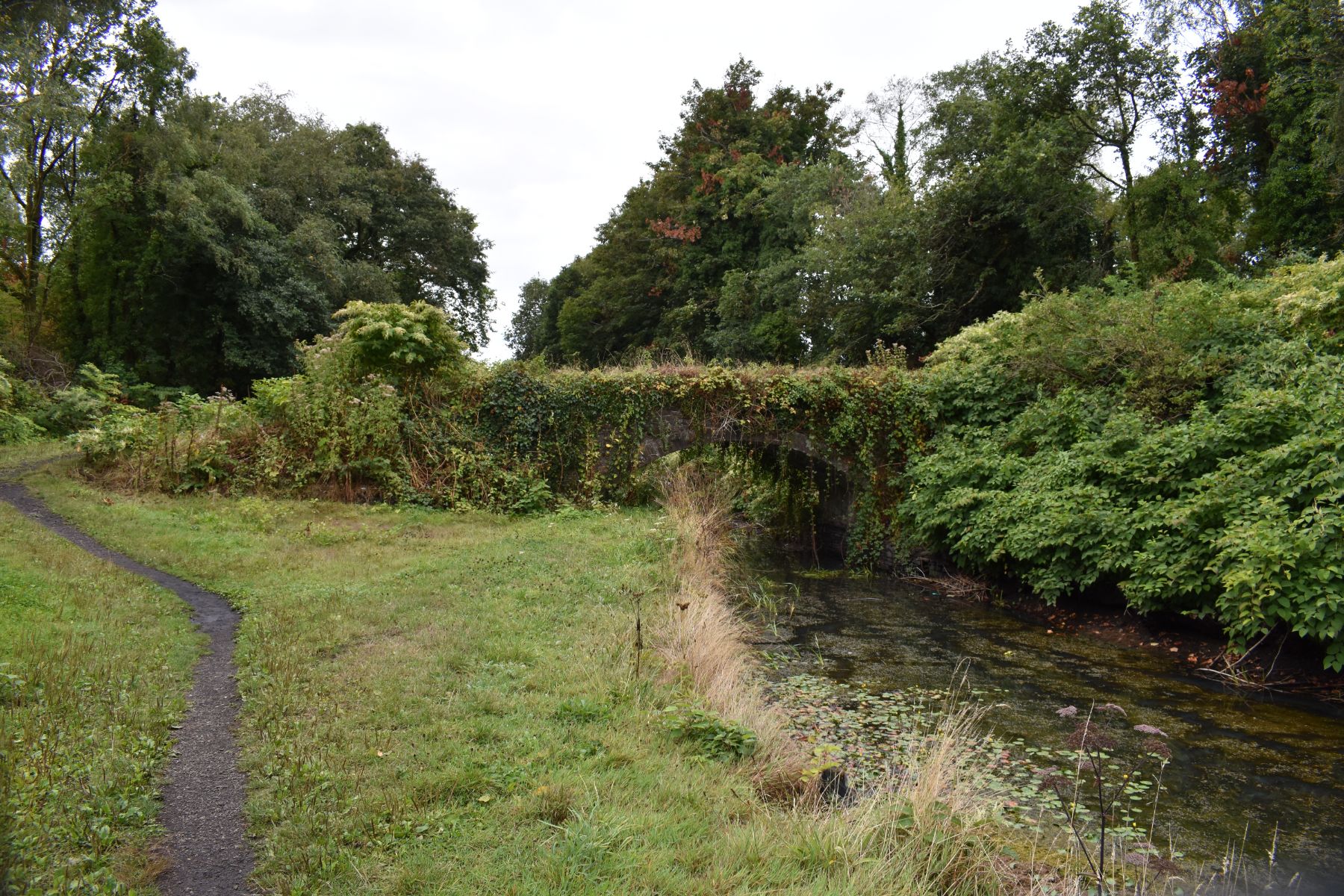
At Aberdulais, the canal’s original arched stone bridge was later given a concrete deck so it could support the weight of maintenance vehicles.
The canal carries on behind the historic village of Cadoxton, following the line of the old waterway.
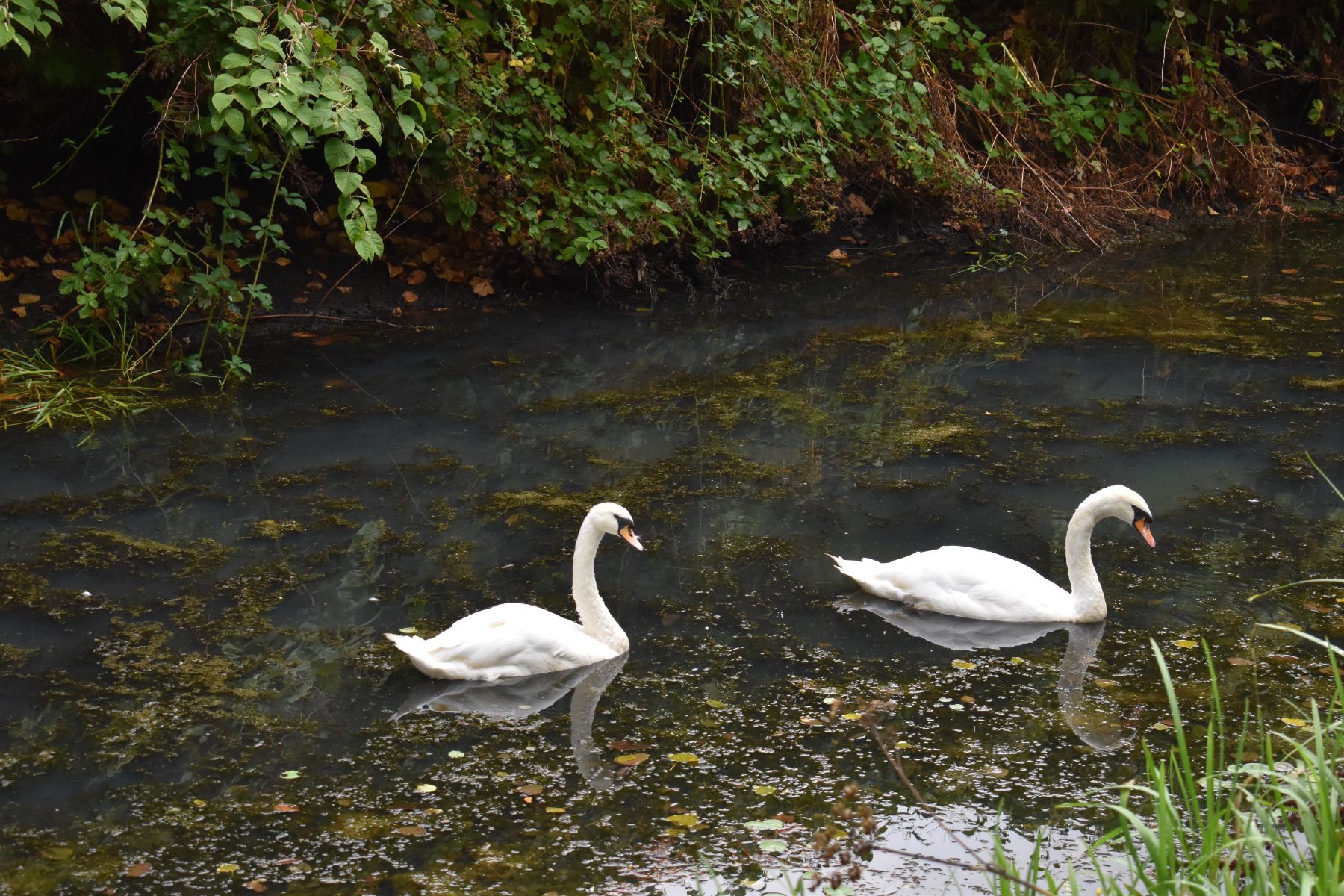
Two swans are left in barely a few inches of dirty, stagnant water, forced to sit rather than swim. Their distress shows in the pronounced bends in their necks, which should normally remain straight.
This historic barge‑loading point was built to serve the canal’s coal trade, once busy with barges carrying coal from the many local mines.
With the Aberdulais feeder no longer supplying the system, the canal now draws its water directly from Cadoxton Culvert and whatever natural run‑off reaches the channel.
The canal passes beneath the Cadoxton bridge, just below Cadoxton Church—the resting place of George Tennant, who was buried here in 1832.
The canal passes beneath the Cadoxton bridge, just below Cadoxton Church — the resting place of George Tennant, who was buried here in 1832.
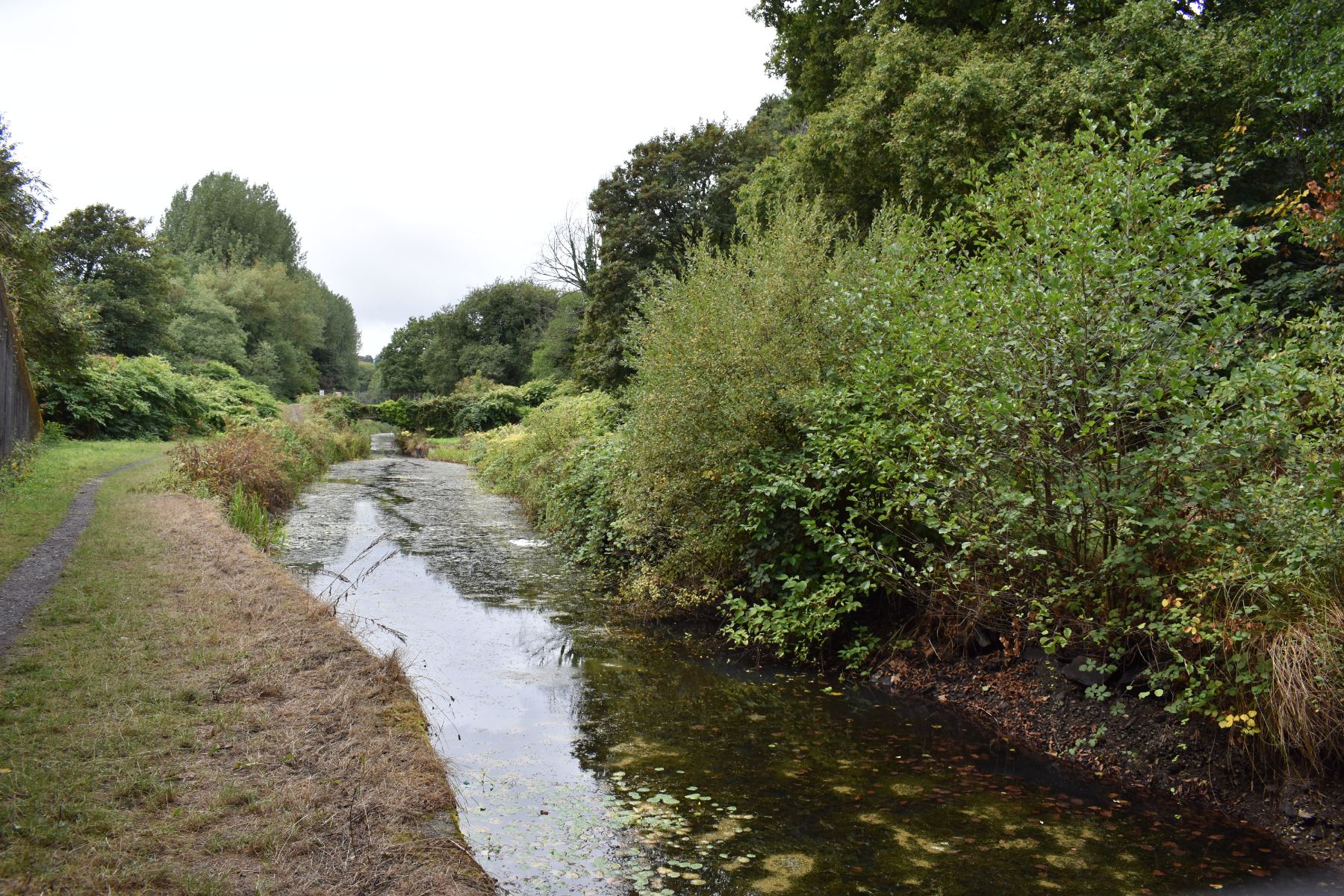
The canal continues its slow journey toward Neath, its visibly degraded and neglected condition impossible to ignore.
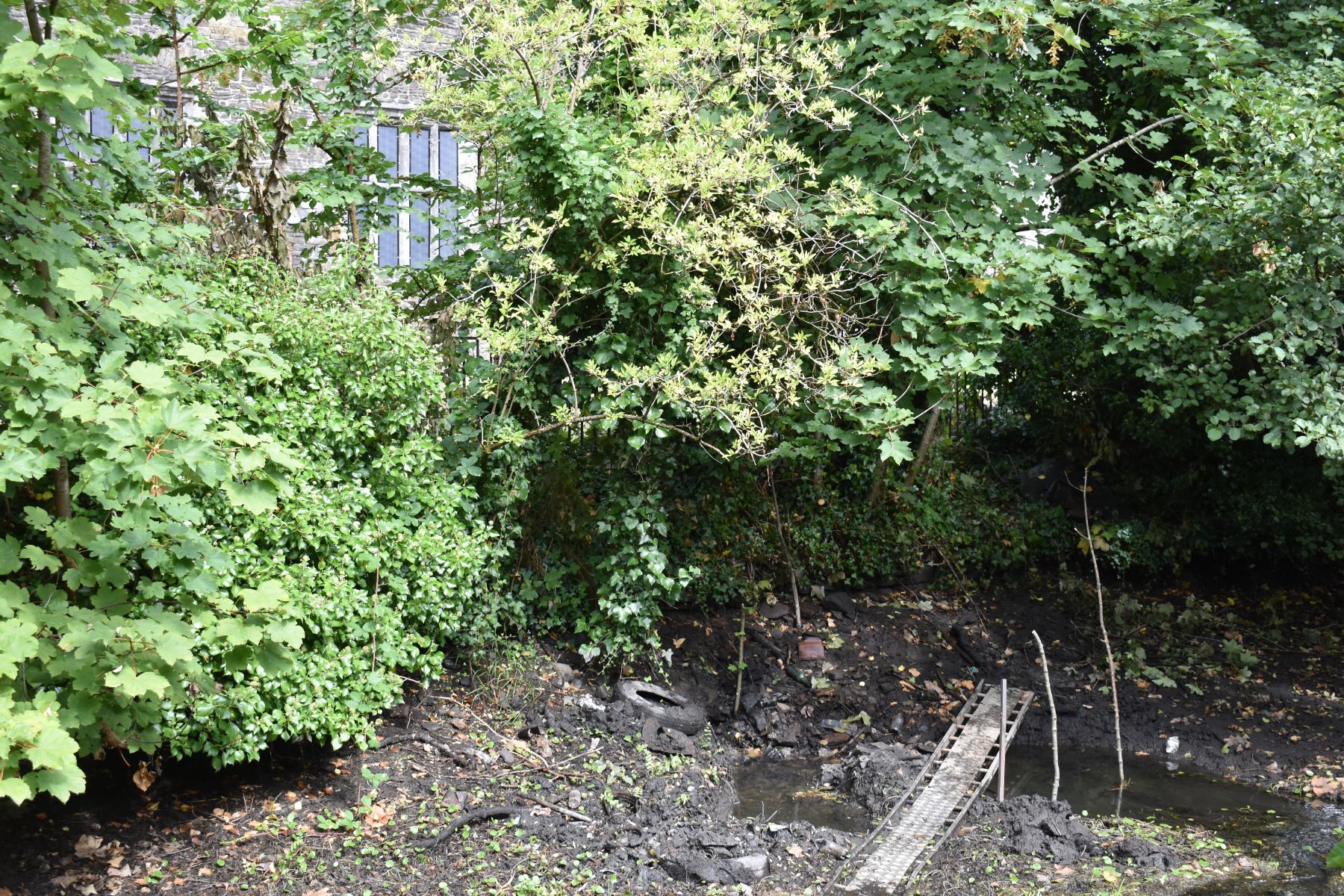
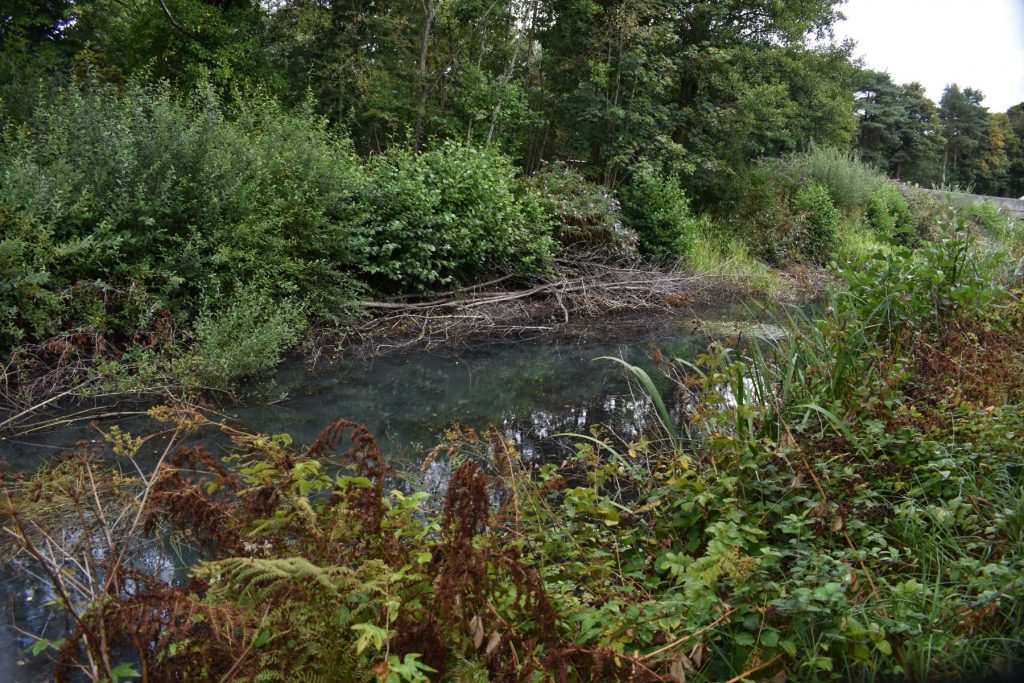
As you leave Neath, the canal becomes nearly blocked by a heavy build‑up of sawn trees and fallen branches.
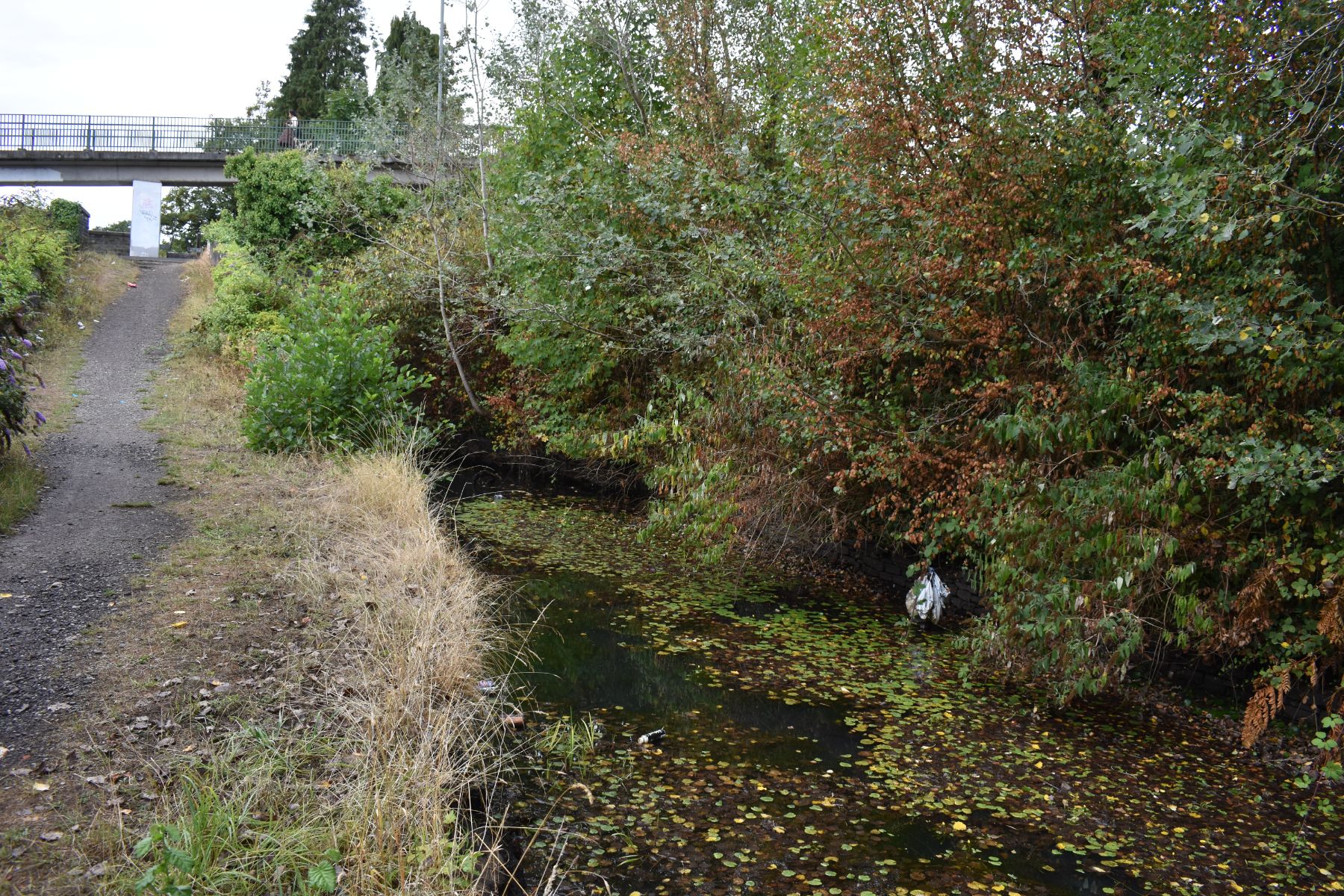
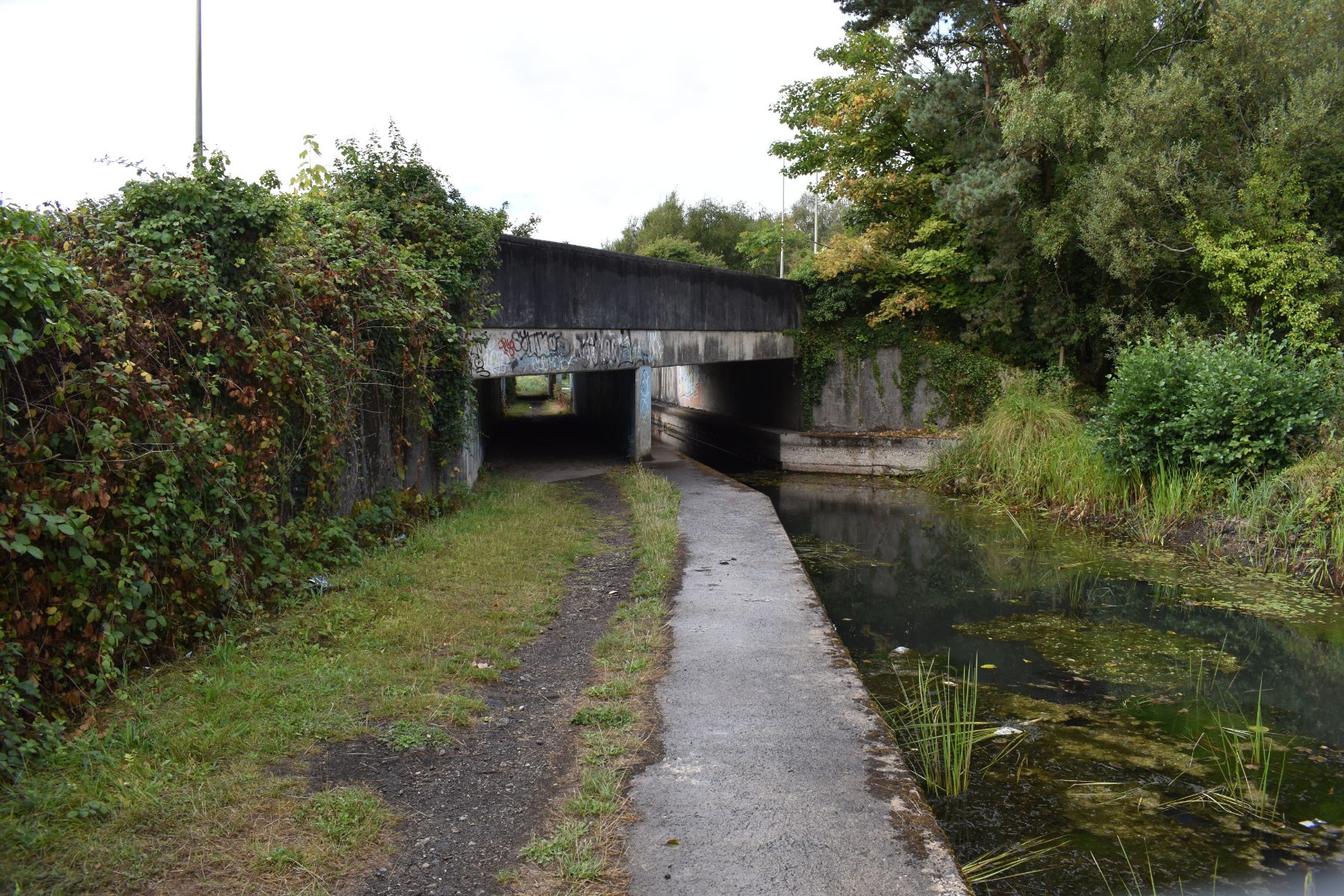
The approach to the Tennant Canal Bridge Street Tunnel tells its own story of neglect.
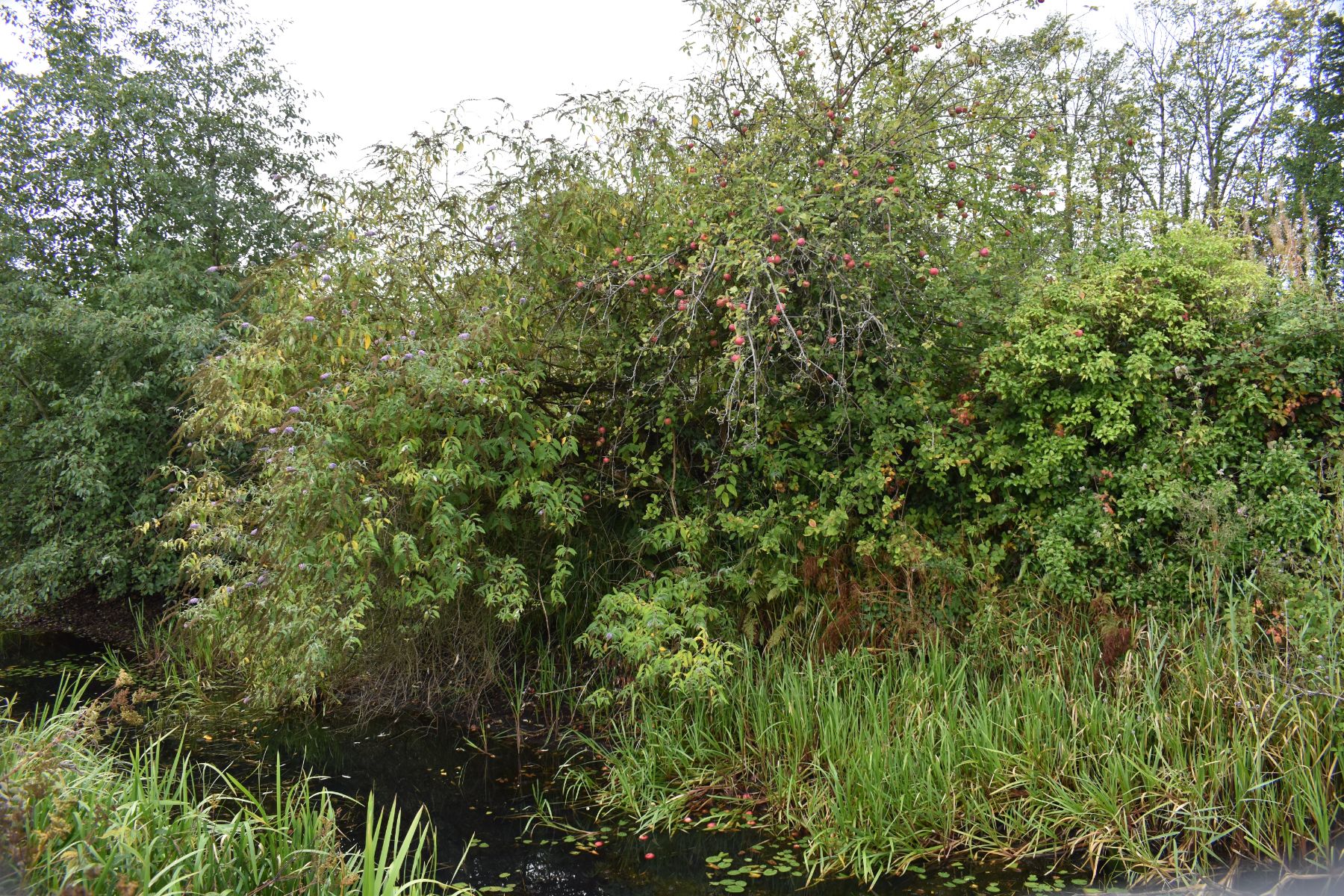
Leaving Bridge Street, we find a large wild apple tree, its branches heavy with deep red fruit.
Leaving Bridge Street, we find a large wild apple tree, its branches heavy with deep red fruit. It stands almost defiantly beside the drying canal, a splash of colour against the fading waterway.
The canal bends away from Neath and begins its gentle curve toward Neath Abbey.
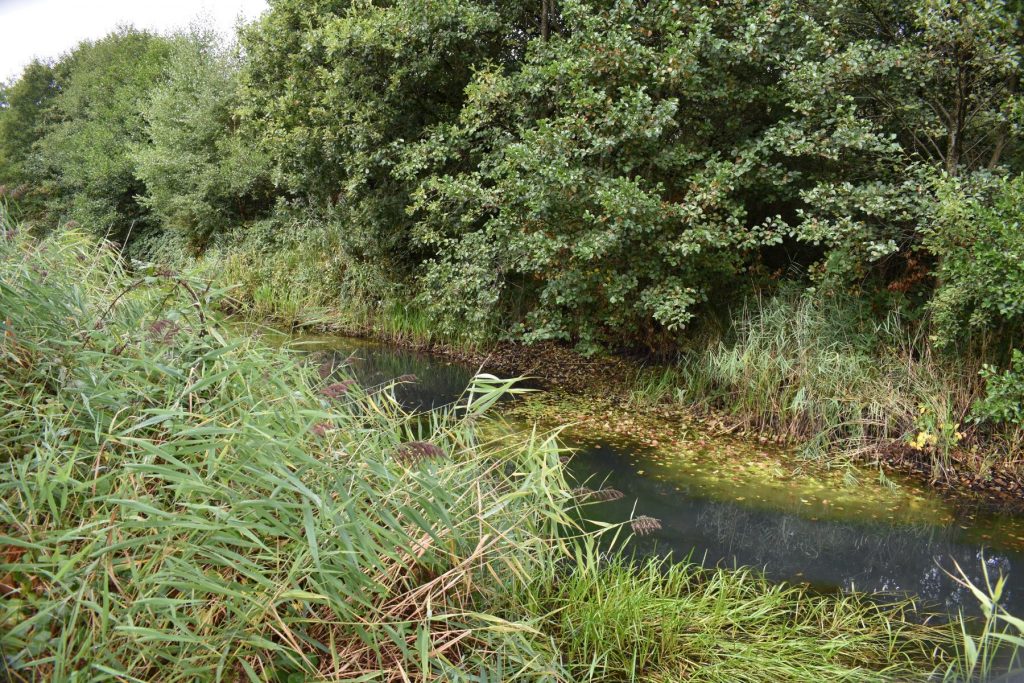
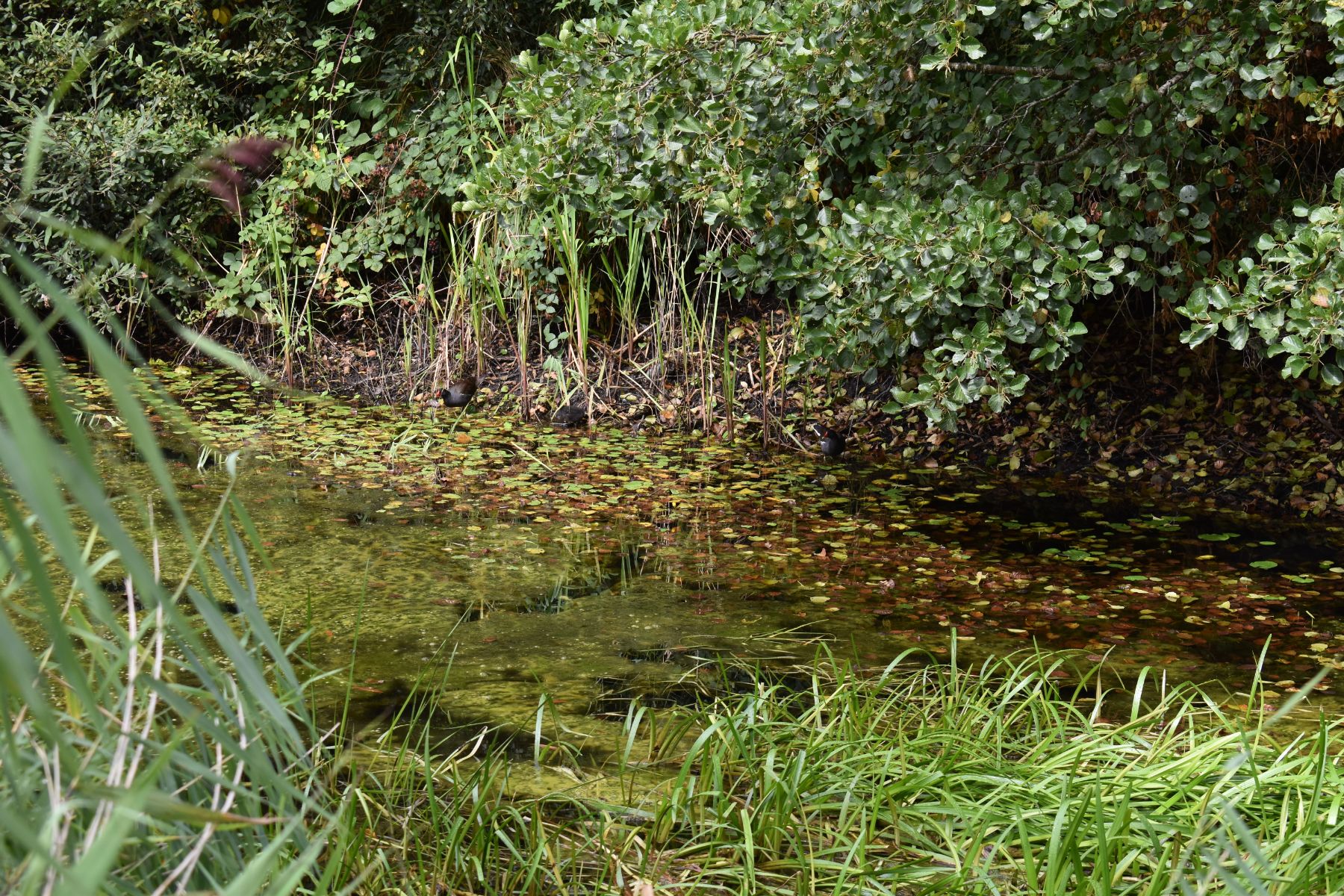
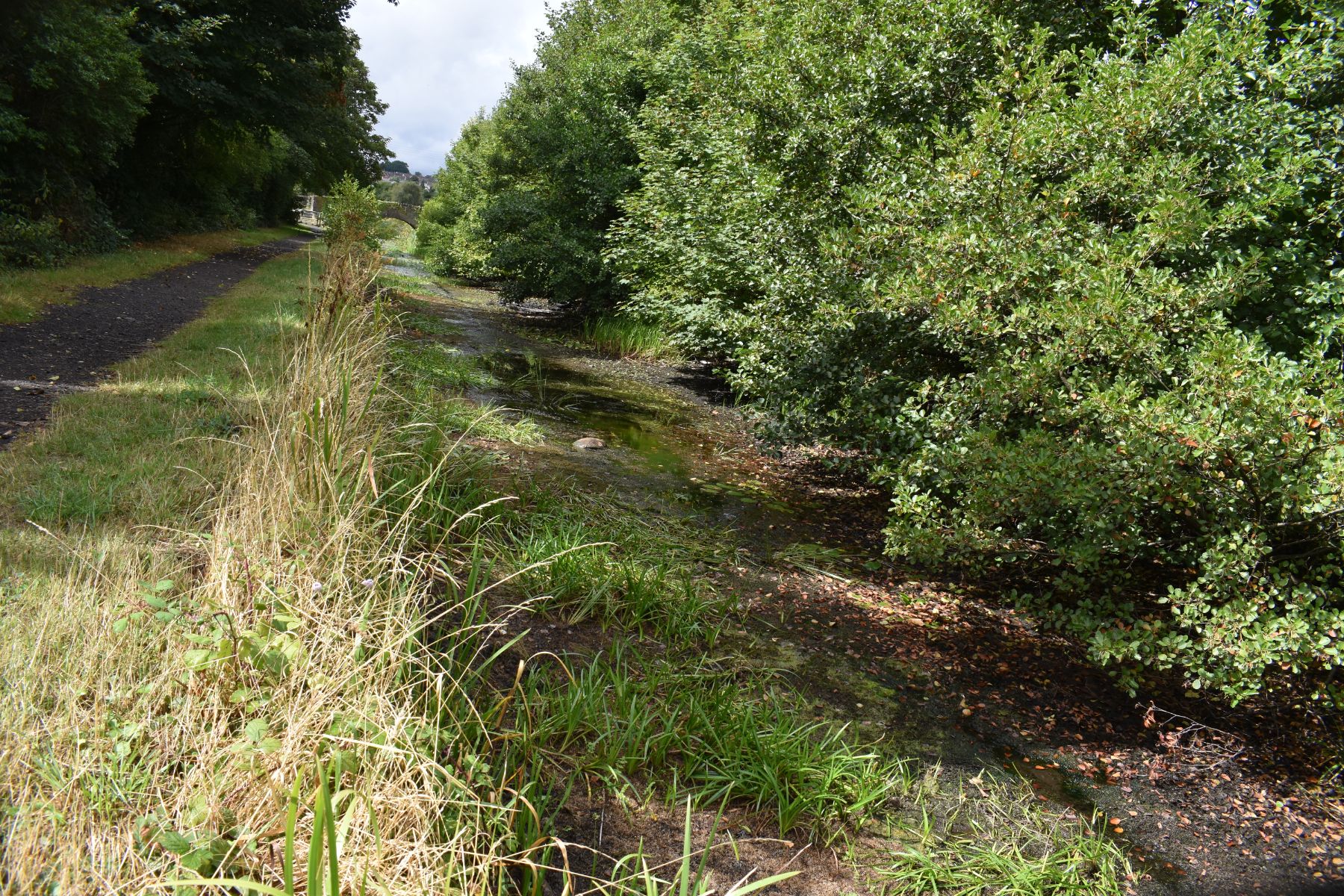
On the approach to the Cwrt Herbert roadway bridges, where the canal is usually one of its deepest sections, the water is now only a few inches deep.
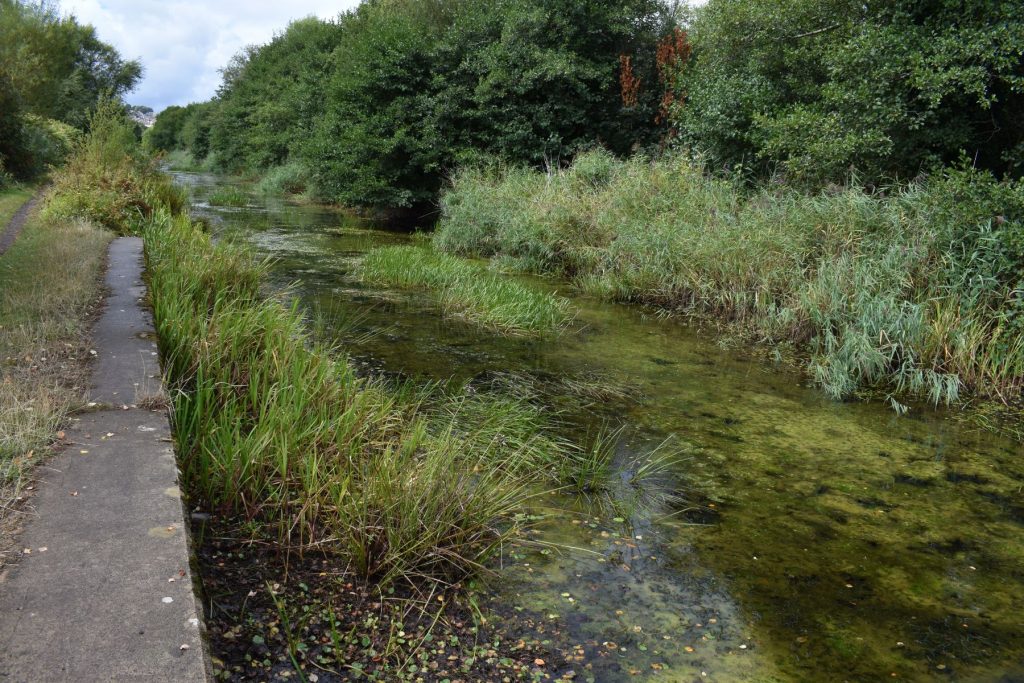
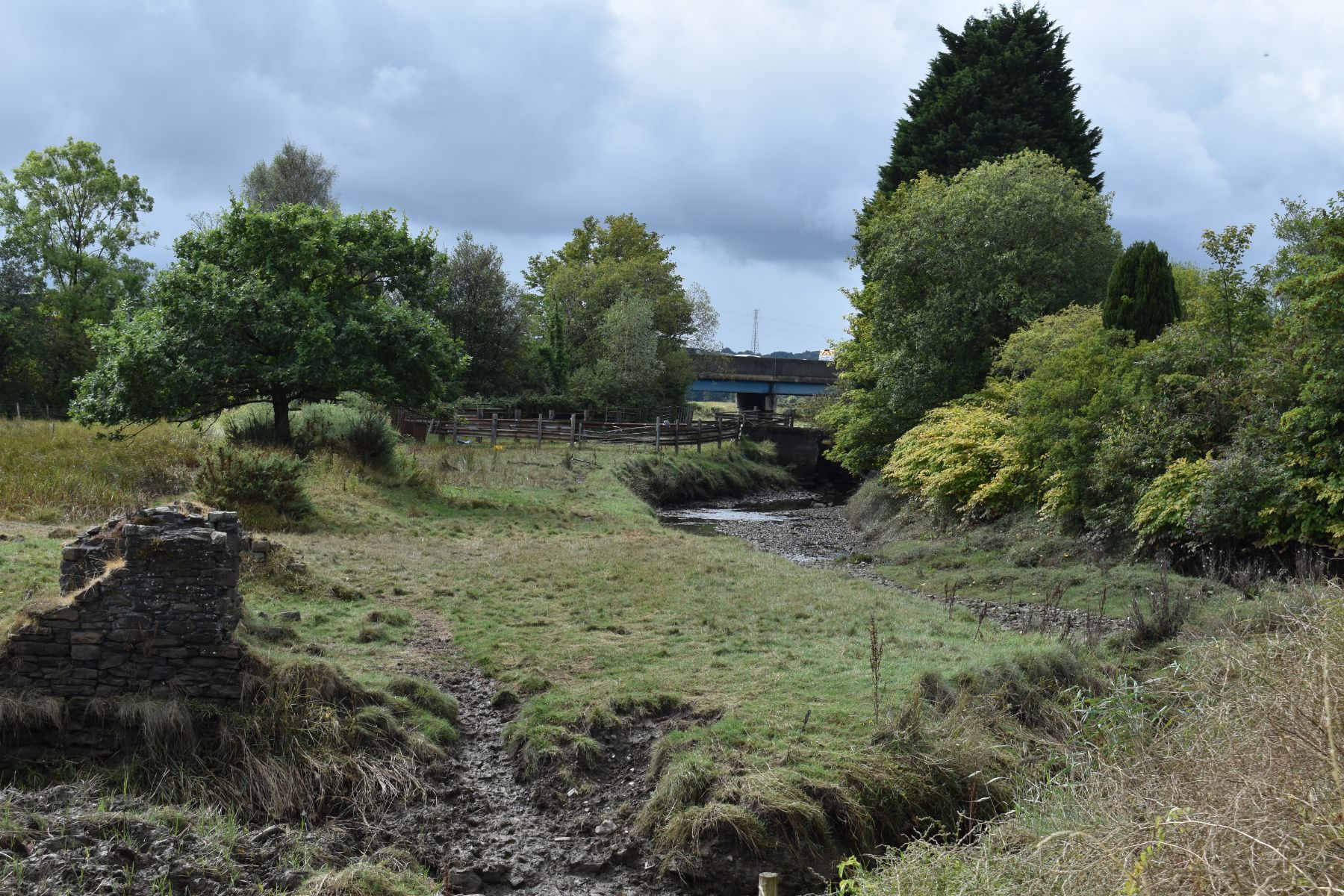
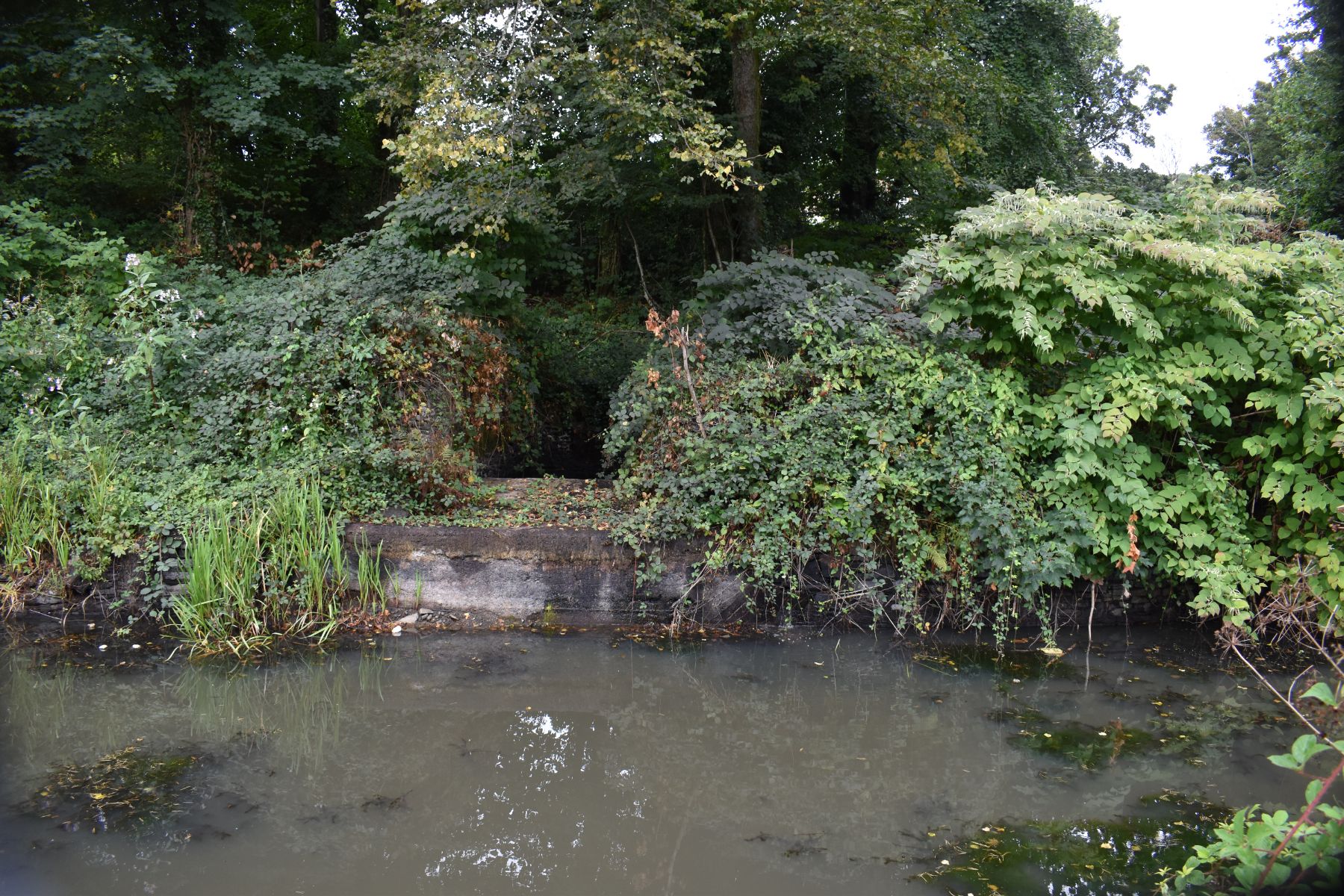
The route carries on between the Cwrt Herbert roadway bridges, where the canal threads its way through one of its most enclosed stretches.
Cwrt Herbert roadway bridge.
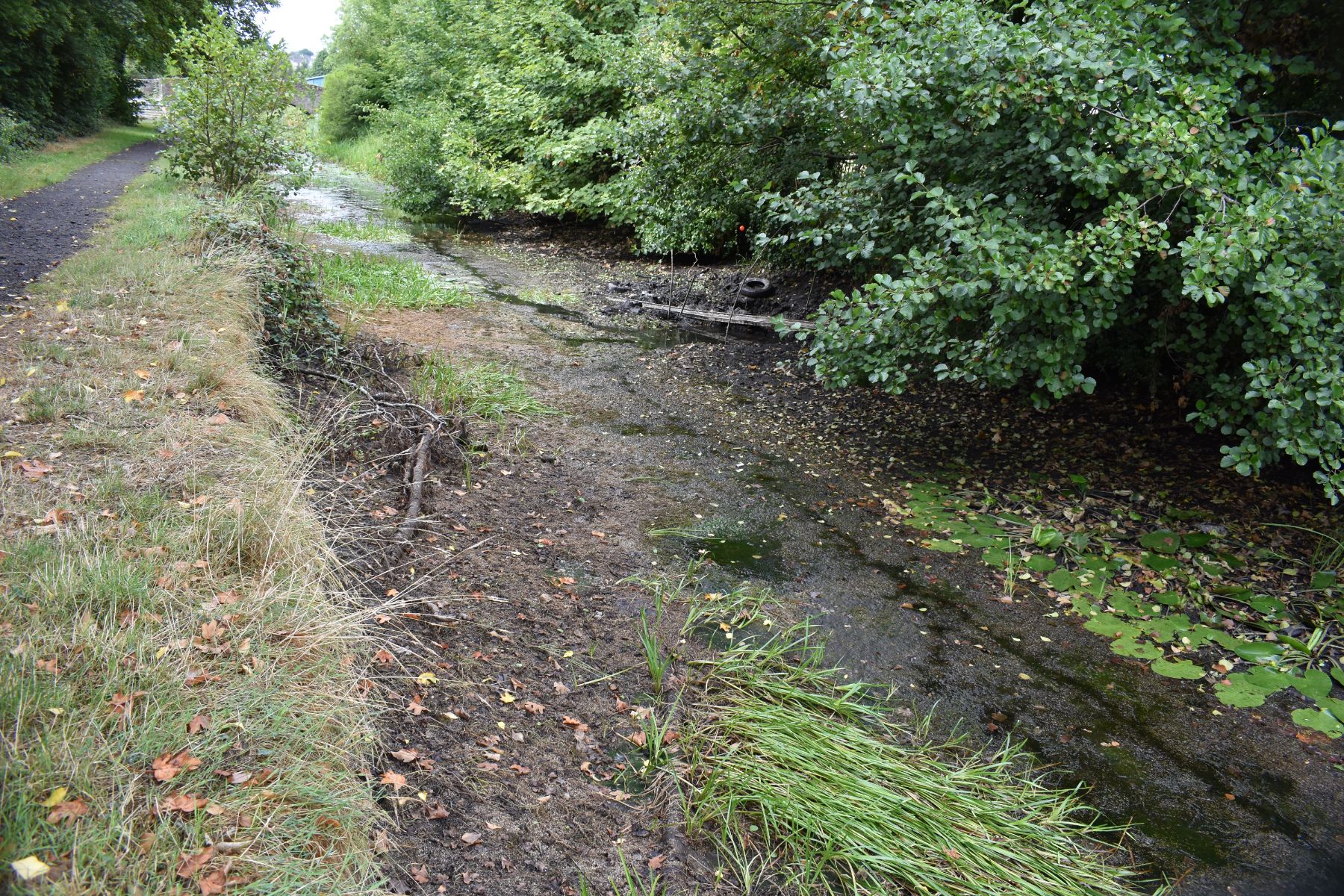
The water that once flowed beneath it is almost gone, leaving a trench of cracked mud and invasive growth.
The sight of moorhens with their chicks picking their way along the far bank, searching for puddles instead of a canal, is one of the clearest signs of how far the damage has spread.
The area of the canal behind Tesco's supermarket at Neath Abbey.
The area of the canal behind Tesco’s supermarket at Neath Abbey.
Approaching the small River Clydach aqueduct, where the river runs beneath the Tennant Canal on its journey through industrial ruins before joining the River Neath.
What was once one of the canal’s most beautiful stretches has now dwindled into a drying, lifeless channel.
On reaching Neath Abbey, the two‑hundred‑year‑old canal collapses into a stagnant, muddy, shameful mess.
As you arrive at Neath Abbey, the two‑hundred‑year‑old muddy canal quietly fades from view, giving way to the grandeur of the ruins in the background.
Now over two hundred years old, the Neath Abbey canal bridge remains one of the canal’s most enduring features, carrying the weight of two centuries of industrial and local history.
The end of our walk brings us to Neath Abbey, whose ruins stand as the most important and impressive monastic remains in South Wales.

Neglect by River Management Cont….

So for centuries the Tennant Canal depended on the Rivers Dulais and Neath for its water supply — not just as a convenience, but as its lifeblood. The feeder channels, sluices and the old Aberdulais weir system were engineered precisely because the Dulais and the Neath had the volume and reliability to keep the canal flowing year‑round.

And that’s the part that stings. This wasn’t an unreliable source. It wasn’t seasonal. It wasn’t marginal. It was proven over generations — industrial eras, drought years, floods, and everything in between. The water kept coming. The canal kept working. Wildlife adapted to it. Communities relied on it. Boats used it. Industries depended on it. Even after commercial use declined, the canal remained a functioning habitat and heritage asset because the water kept moving.

When a system that has worked for centuries collapses in such a short period of modern “management,” it’s hard not to see the damage as avoidable. A feeder channel that could be cleared in hours sits blocked for years. A sluice gate that once regulated flow is left locked. Meanwhile the canal bed dries, silts, and becomes a trench — and the wildlife that depended on that slow‑moving water simply disappears.

Neglect by Ownership.

The Coombe Tennant family, as owners of the waterway, show a complete lack of understanding of the importance of this historic canal and its deep connection to so many communities. With no commercial value left to extract, the canal seems to have been pushed to the bottom of their priorities, maintained only at the bare minimum needed to avoid outright collapse. Its heritage, its wildlife, its role as a green corridor, and its value to local people are ignored. The result is plain to see: canal maintenance has been awful for years, but with only two personnel trying their absolute best, it’s hard to expect anything more. They’re doing everything they can with the limited resources they have, yet the scale of the problems along the six mile canal is far bigger than what a team of two can realistically manage.The waterway that once served generations is now left to deteriorate in full view of the communities it once supported.

Neglect by Local Leadership

Neath and Port Talbot councillors who publicly present themselves as environmental champions have, for many years, overlooked the two historic canals that run through the heart of the area. The Tennant and Neath canals — once defining features of the local landscape and vital pieces of industrial heritage — have been allowed to slip into decline while councillors focus their attention elsewhere. Rather than confronting the long‑standing structural and ecological problems head on, the canals have been quietly sidelined, their deterioration treated as something easier to ignore than address.

Misplaced Priorities

The public funds have repeatedly been directed toward short‑term, headline‑friendly green initiatives instead of the permanent assets already on the ground. Millions have been spent on electric vehicle schemes and other projects that, while modern and politically attractive, do not offer the lasting environmental or cultural value that canal restoration would provide. Meanwhile, the canals — which could serve as biodiversity corridors, heritage attractions, and safe walking routes — remain neglected, overgrown, and in places barely recognisable as waterways.

Promises Without Progress

Councillors insist that a solution is on the horizon, (22-08-26 – New Hope for the Tennant Canal – NPTC) but from our perspective it’s hard to take those assurances seriously. After years of neglect, “plans” and “visions” have become familiar phrases — often repeated by politicans, delivered warmly, but rarely followed by visible action. They say there’s a solution, but don’t hold your breath. The pattern has become predictable: optimistic statements, vague commitments, and then silence as the canals continue to decline year after year.

Real Action

If the Politicians/Councillors truly intend to act, the proof will be in visible progress — dredging, structural repairs, water management, and long‑term ecological planning. Anything less risks becoming yet another promise just added to the pile.

Will the Tennant Canal Survive

The Tennant Canal will “survive” as a physical feature — but without an engineered, reliable water supply,it will not survive as a canal. It will continue drifting toward a seasonal marsh, wet in autumn and winter, drying and silting in spring and summer. In 1824 those engineered systems were the backbone of its survival for nearly two centuries. When they are blocked, broken, or just simply locked, the canal loses its lifeline — and rainfall becomes nothing more than a seasonal top‑up.

The Canalman