Damage to the Derwen Group’s Listed Works Bridge leaves Tennant canal walkers unsure how to safely continue their journey.
By Gareth Davies
September 27 2026
Letters to:
Leeder Property Consultants Ltd (Tennant Canal Representatives)
NPTC (N.Pearce Corporate Director – Oversees both Highways/Bridges and Waste Services)
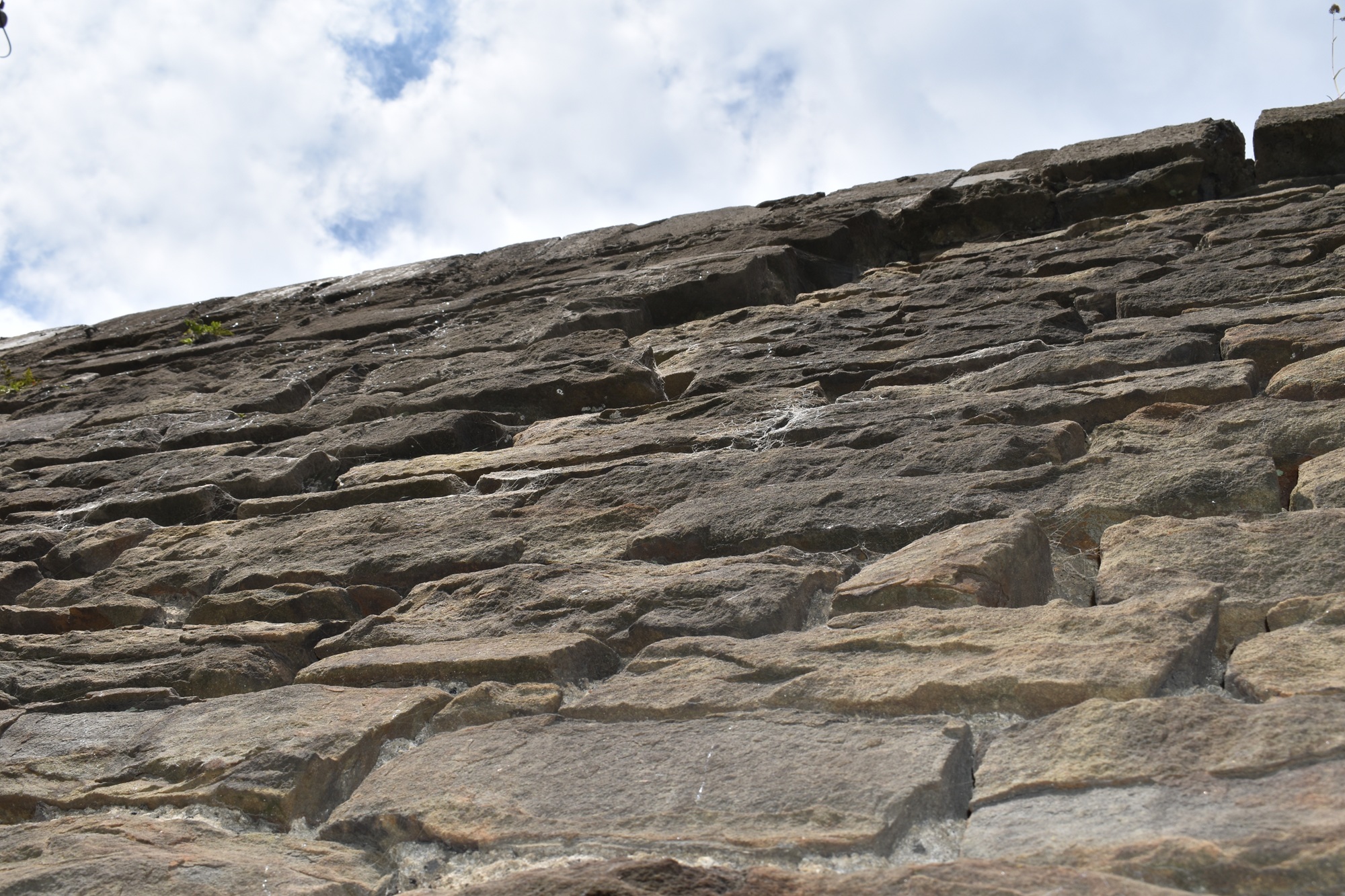
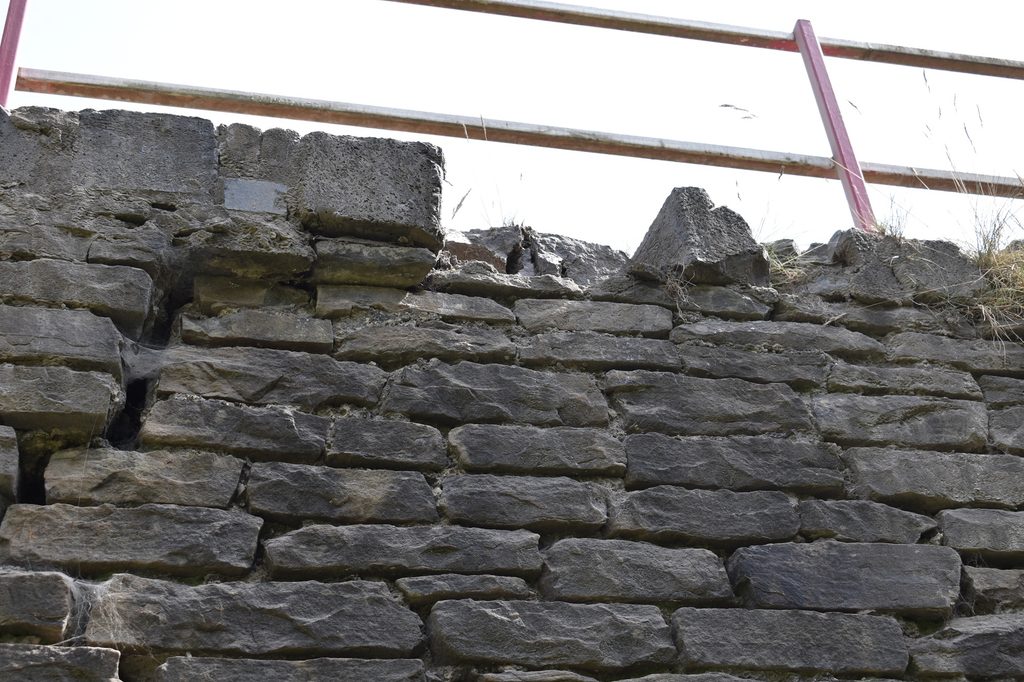
A towpath bridge that has quietly deteriorated over many years under the strain of heavy industrial traffic has now reached a point where its condition can no longer be ignored. Repeated use by large vehicles has warped the structure, undermined its stability, and left visible signs of long‑term fatigue.
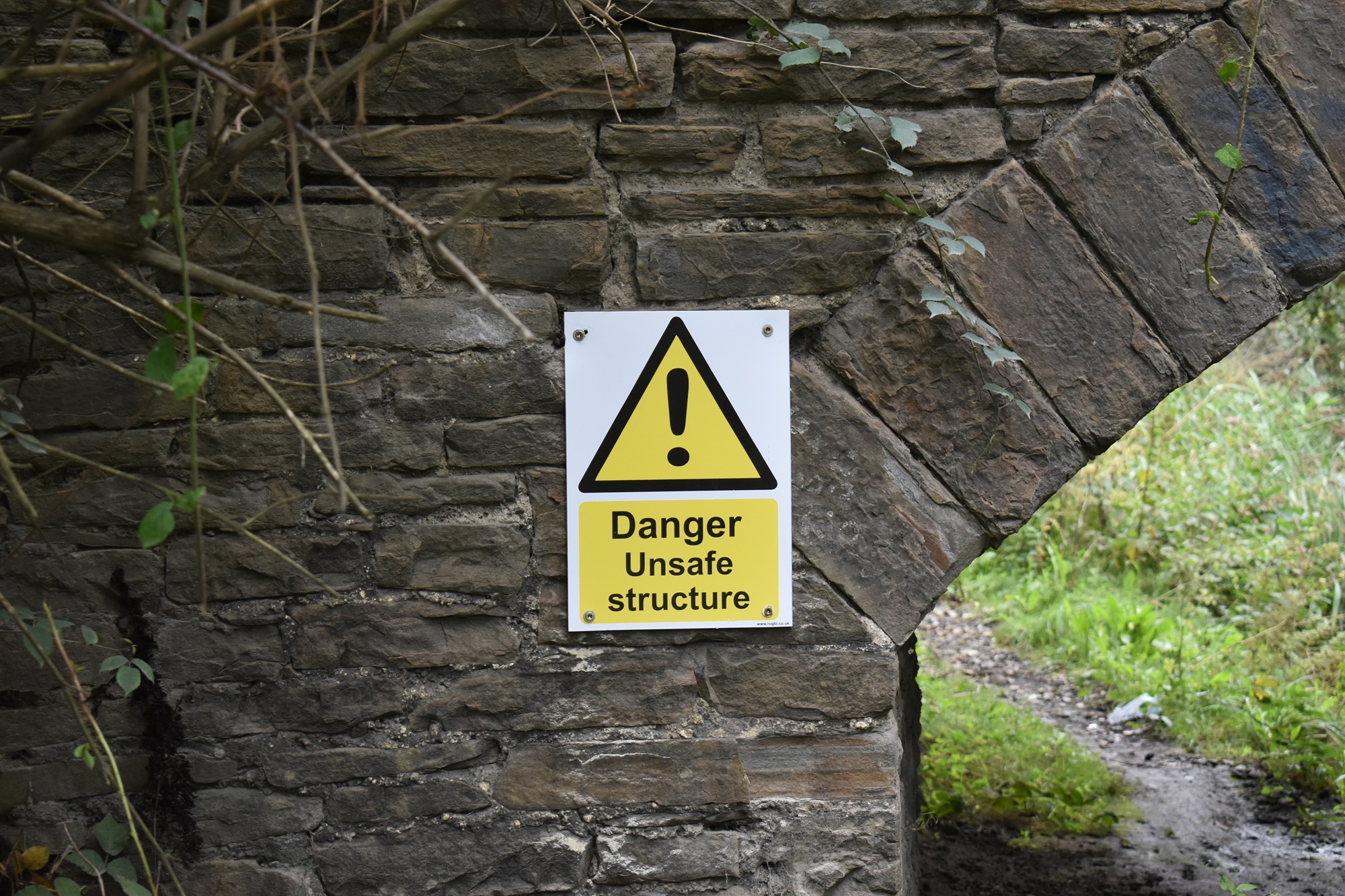
What had become a familiar but overlooked hazard has suddenly been formalised with the appearance of new warning signs, alerting the public that the bridge is now considered unsafe. For regular walkers, this abrupt shift from silent decay to official caution has created confusion along the towpath, raising questions about access, safety, and the future of a route already burdened by neglect.
It is our understanding that these warnings signs were not installed by the canal’s owners, but were instead put in place by the Derwen Group. We also believe that under a private agreement between the landowners and the company, Derwen Group is responsible for maintaining this 200‑year‑old bridge.
The fact that the bridge has deteriorated to the point where unofficial safety signs are now required suggests a failure of oversight and a maintenance regime that has fallen far short of what such an historic crossing demands.
It must also be seriously highlighted that the bridge continues to carry thousands of tons of heavy vehicle traffic every week, including large Derwen Group lorries. These vehicles cross the damaged structure daily as part of routine operations. The fact that such significant loads are still being driven over a bridge now deemed unsafe for pedestrians beneath it raises urgent questions about structural risk and duty of care.
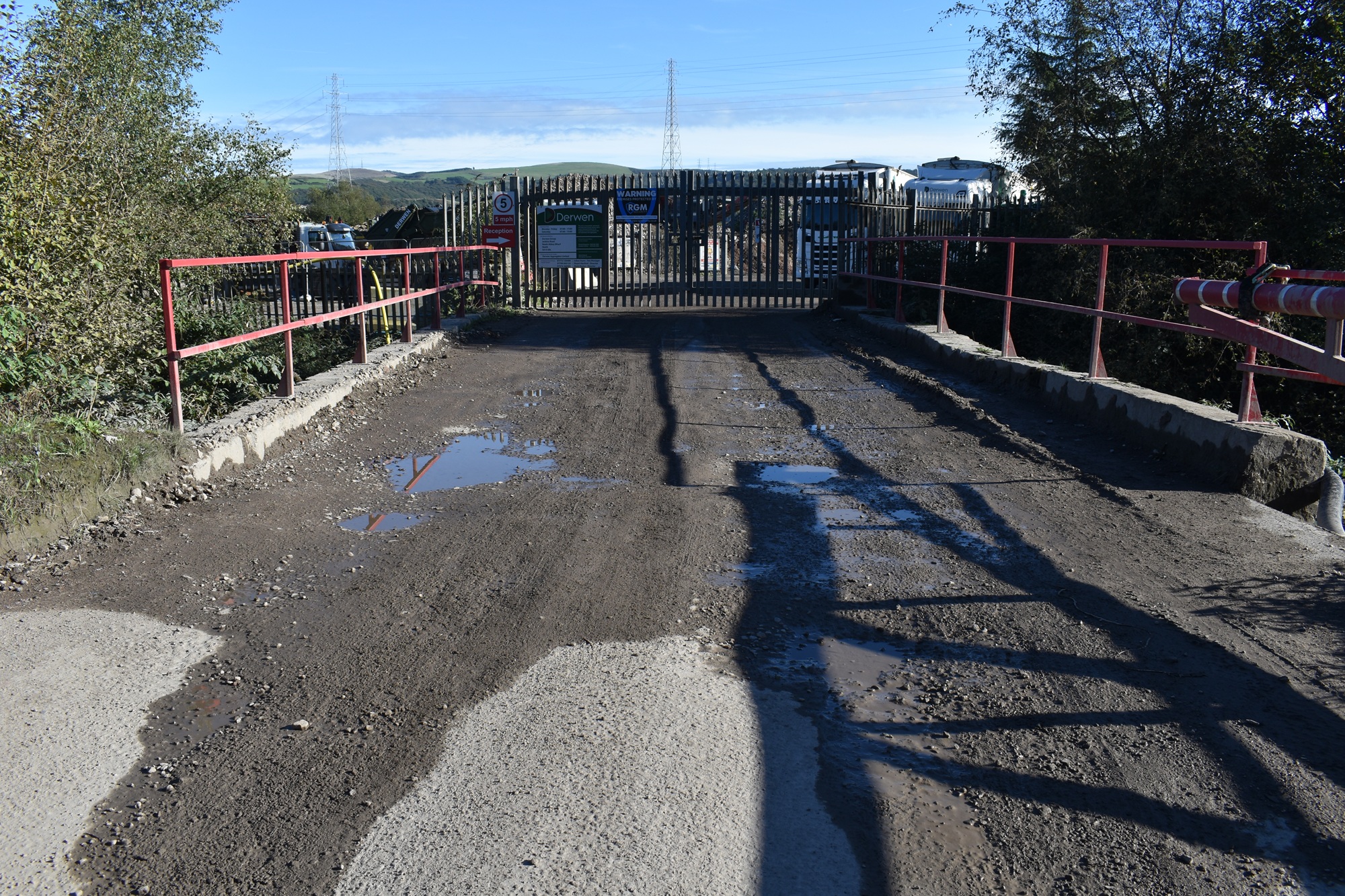
If the bridge is compromised enough to require warning signs for towpath users, it is entirely unacceptable that no equivalent warnings or restrictions have been placed for Derwen Group customers, contractors, or heavy‑goods vehicles using the road above.
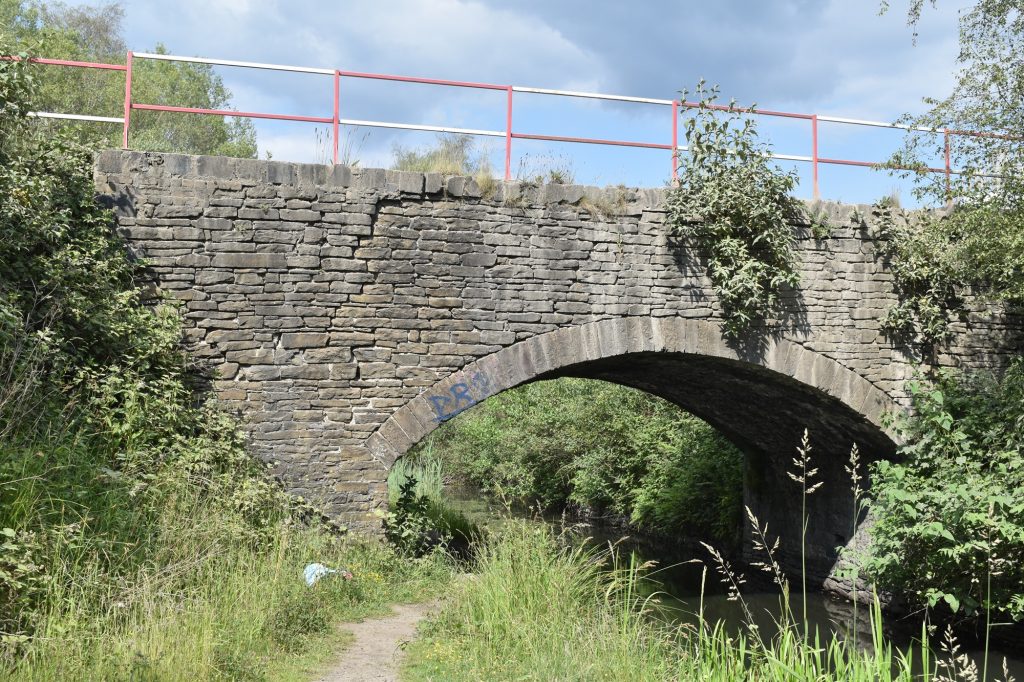
The Derwen Group bridge has been literally falling apart for years, its condition worsening with every passing month as heavy industrial traffic continued to batter a structure never designed for such loads.
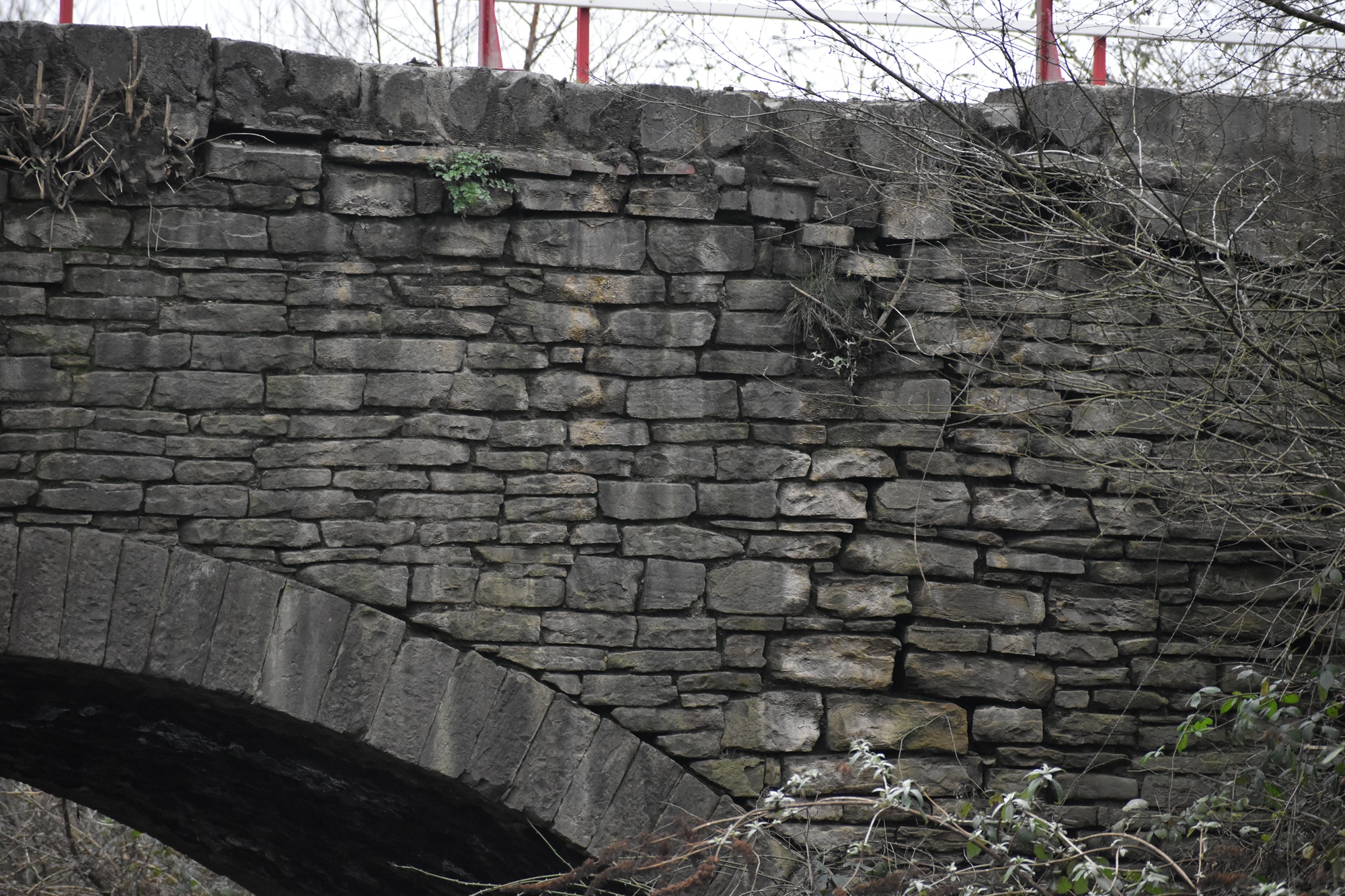
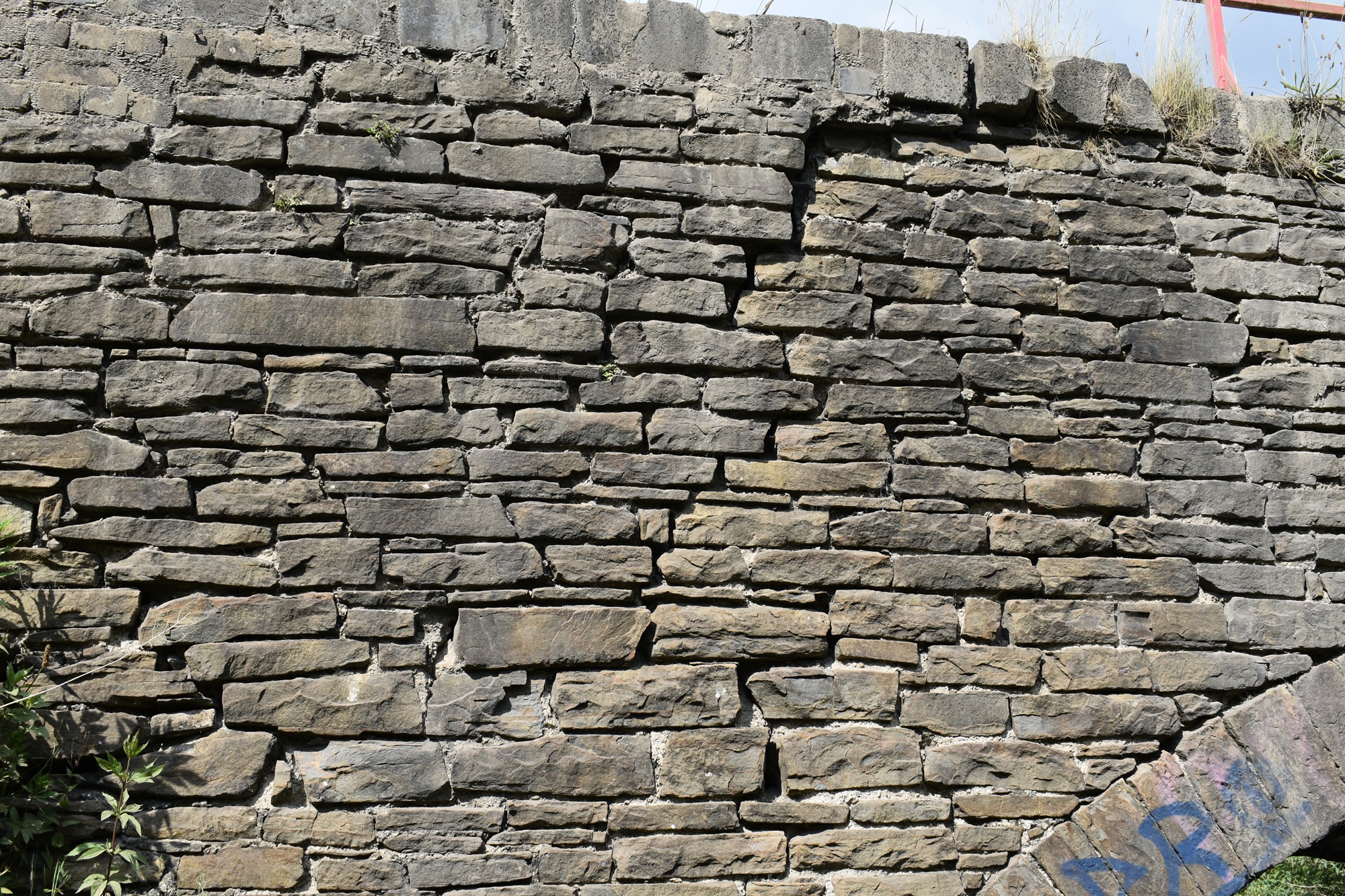
Local residents and walkers have reported the deterioration to Neath and Port Talbot councillors, yet no meaningful action has ever been taken.
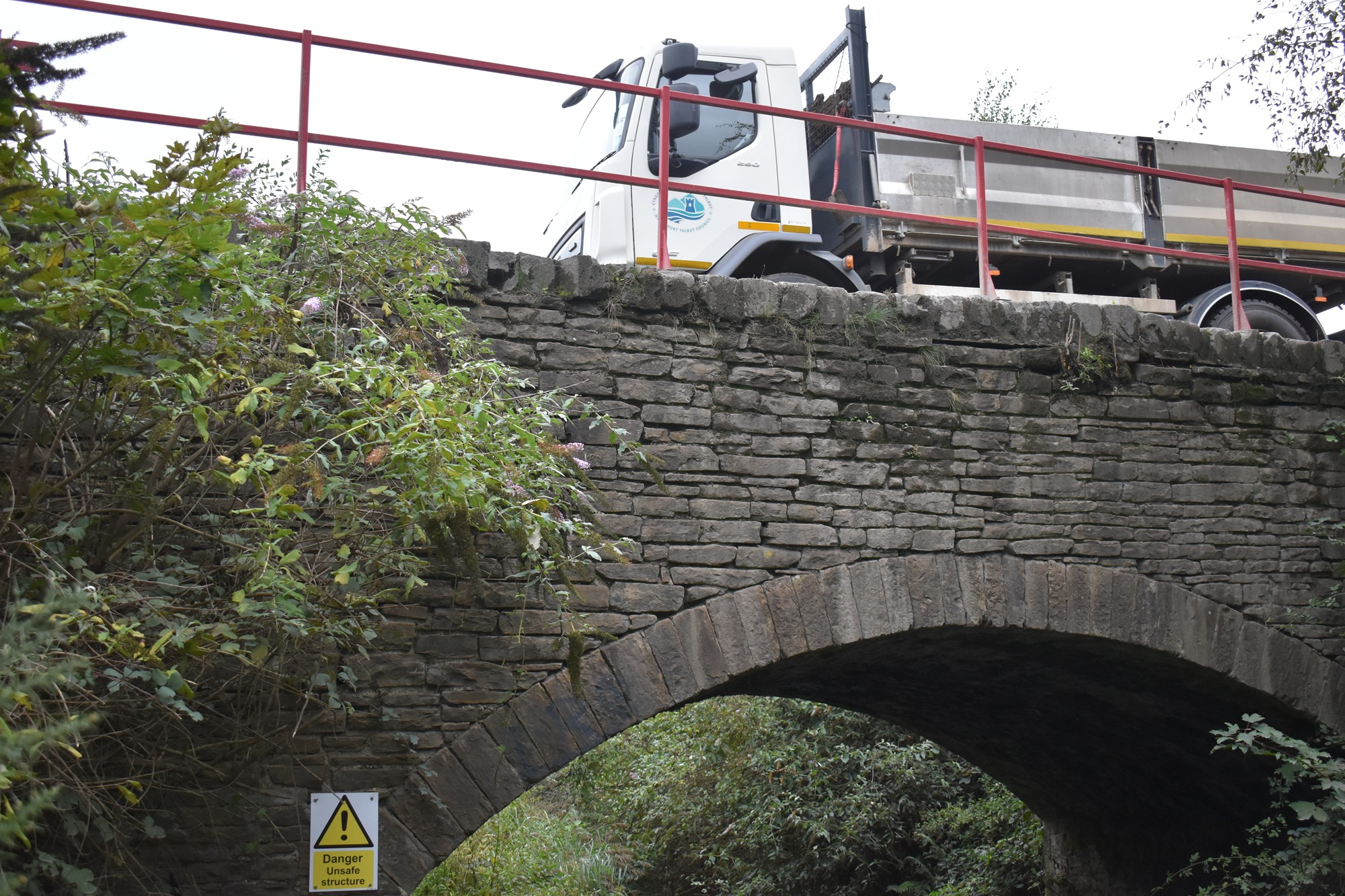
The irony is impossible to ignore: even though the bridge has now been formally declared dangerous, a Neath and Port Talbot Council lorry still passes over it as part of its recycling operations.
This listed building — in this case, a historic bridge at the Derwen Group works entrance — must be repaired by whoever is responsible for causing the deterioration. Whoever has contributed to the damage has a clear duty to put it right, and to do so in a way that respects the bridge’s age, status, and historic significance.
In 1797, the Crown Copper Works was opened on the right bank of the River Neath, becoming one of the area’s earliest major industrial sites. When the Tennant Canal was constructed and opened in 1824, this stone bridge — built around 1822 — was added to provide access to the copper works. Map of the area 1844.
A listed structure must be treated with care, not battered by heavy vehicles and left to crumble until warning signs appear. Proper, respectful restoration is now overdue.
For towpath users, the result is confusion, restricted access, and yet another example of infrastructure along the Tennant Canal being left to decline until the danger becomes impossible to ignore.
STTC
To:
Leeder Property Consultants Ltd
Tennant Canal Representatives
Subject: Urgent Concern Regarding Damage to Grade II Listed Bridge at Derwen Group Works Entrance
September 28 2026
Dear Sir/Madam,
I am writing to raise a serious concern regarding the condition of the 200‑year‑old Grade II listed stone bridge located at the main entrance to the Derwen Group industrial works. As you will be aware, this bridge forms part of the historic Tennant Canal infrastructure and sits directly on the towpath route used daily by walkers travelling between Neath Abbey, Aberdulais, and beyond.
It is our understanding that Derwen Group is responsible for the maintenance of this listed structure under a private agreement with the landowners. Despite this, the bridge has deteriorated to a point where its structural integrity is now visibly compromised. The recent attachment of warning signs to the bridge—presumably installed to alert towpath users to the danger—indicates that the condition has become sufficiently serious to warrant public caution.
This situation raises several concerns:
The bridge is a protected heritage asset, and its deterioration represents a failure of appropriate conservation and oversight.
Towpath users are now faced with uncertainty and potential risk, as the route appears obstructed or unsafe at the works entrance.
No clear diversion or official guidance has been provided, leaving walkers unsure how to proceed safely.
Given the importance of this structure to both the canal’s heritage and public access, we request clarification on the following points:
Whether the Tennant Canal representatives have been formally notified of the bridge’s condition.
What steps are being taken to ensure the safety of towpath users.
Whether enforcement or intervention is planned to ensure the responsible party carries out the required maintenance.
How the public will be informed of any temporary access restrictions or diversions.
For reference, further details and photographic evidence can be viewed here: Derwen Damaged Bridge
We would appreciate a timely response outlining the actions being taken to address this matter. The Tennant Canal continues to face multiple pressures from neglect, industrial encroachment, and environmental decline; the condition of this listed bridge is now a pressing example of why coordinated oversight is urgently needed.
Yours faithfully,
Save the Tennant Canal
To:
NPTC
Nicola Pearce (Corporate Director for Environment & Regeneration – Oversees both Highways/Bridges and Waste Services) Neath and Port Talbot Council
Subject: Damaged Bridge at Derwen Group main entrance
Dear Nicola I am writing to raise serious concerns about Neath Port Talbot Council’s continued use of the Derwen Group main entrance for its recycling operations, despite the approach bridge being formally identified as an unsafe structure.
STTC’s published reports, the bridge — a listed historic structure — has deteriorated significantly under prolonged heavy industrial traffic, to the point where warning signs have now been erected to alert the public to its dangerous condition.
These warnings were reportedly installed by Derwen Group rather than the canal owners, and it is understood that Derwen Group are responsible for maintaining this 200‑year‑old bridge under a private agreement.
Despite this, council vehicles continue to cross the bridge hundreds of times each week as part of routine recycling operations, even though the structure has been declared unsafe.
This raises urgent questions about public safety, heritage protection, and the council’s duty of care in continuing to rely on an access route that is visibly compromised.
Please read the following link to the STTC article urgently: Damaged Bridge at Derwen Group Causing Towpath Confusion
Gareth (STTC)
Save the Tennant Canal