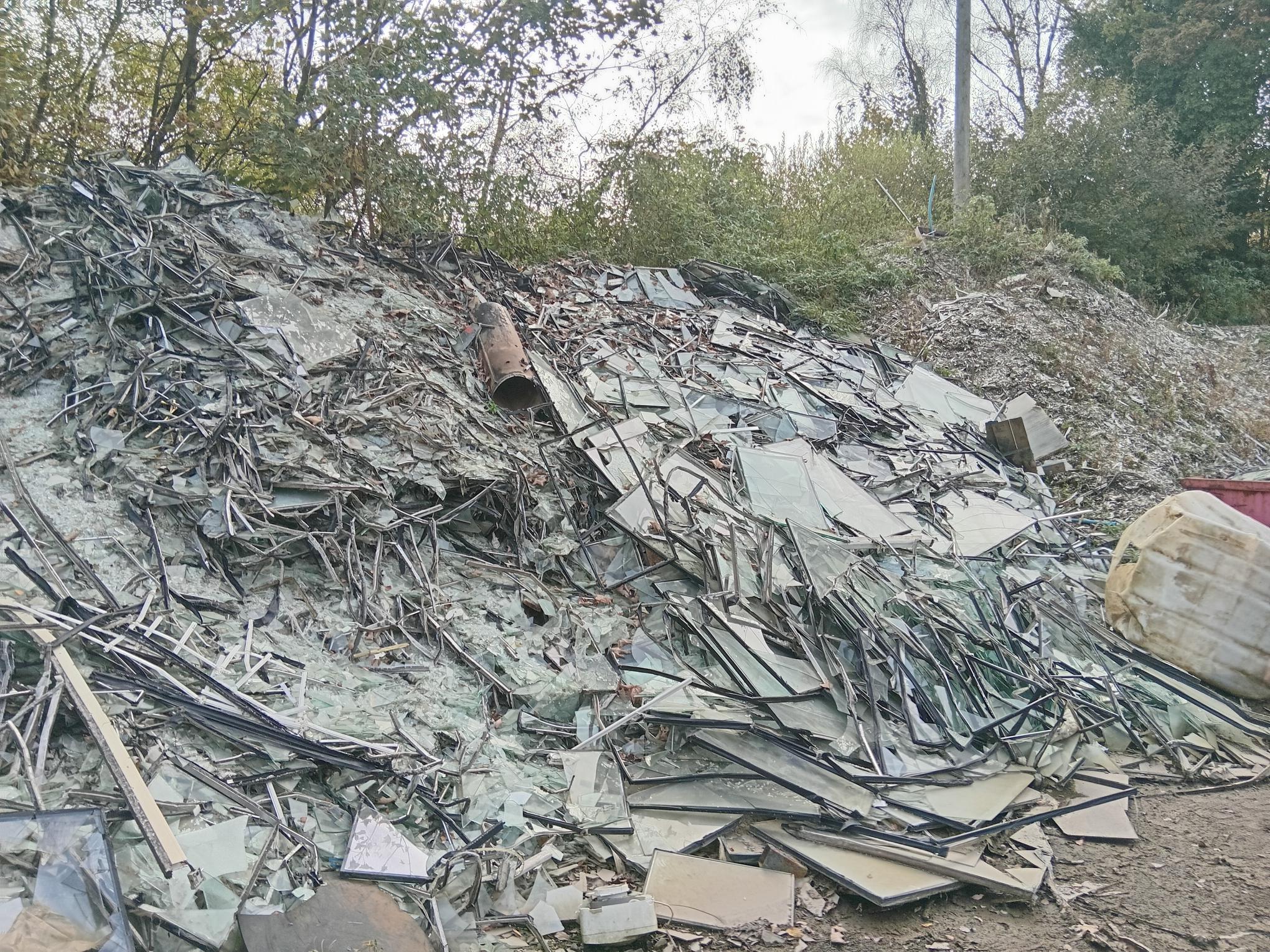
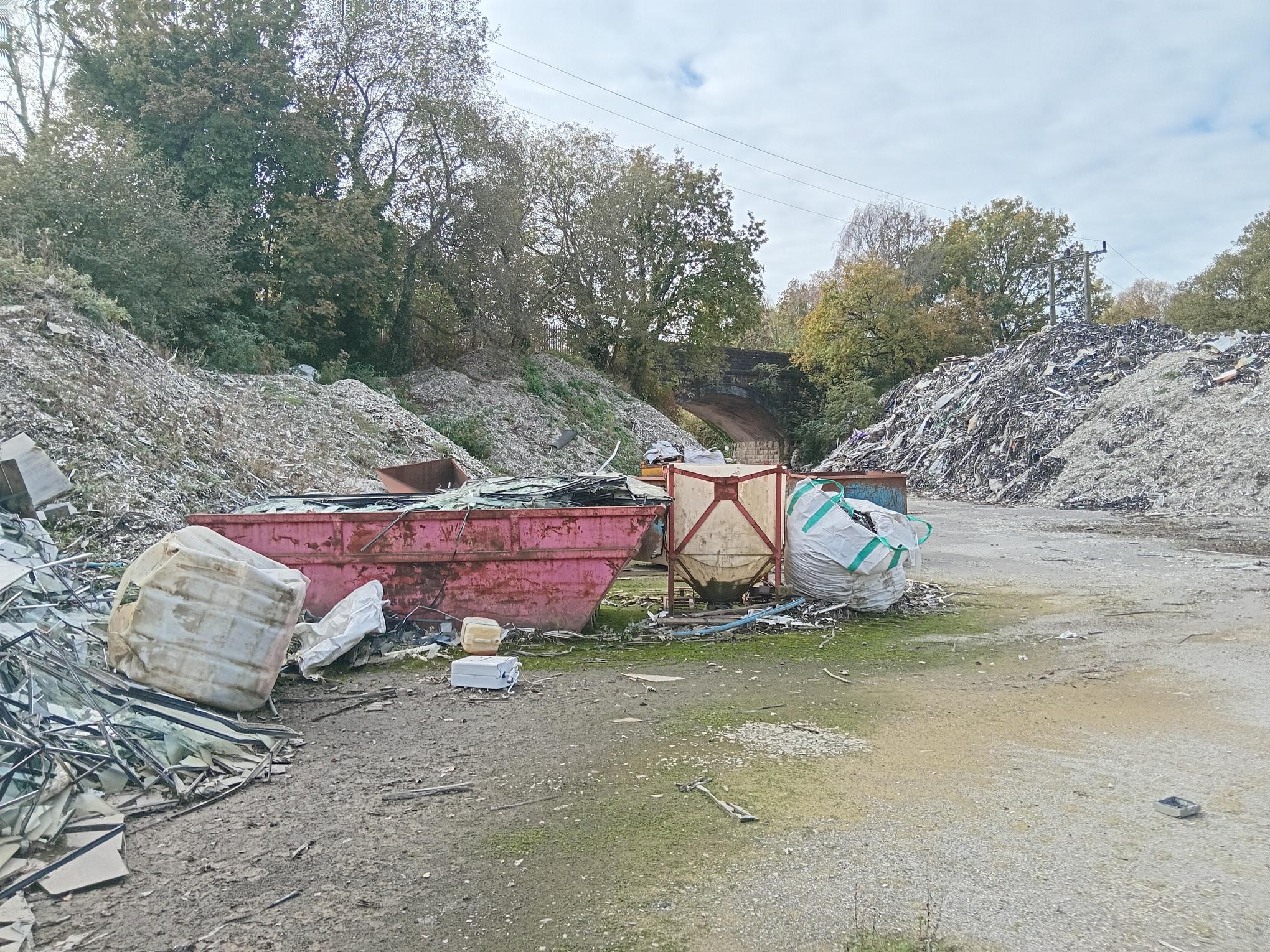
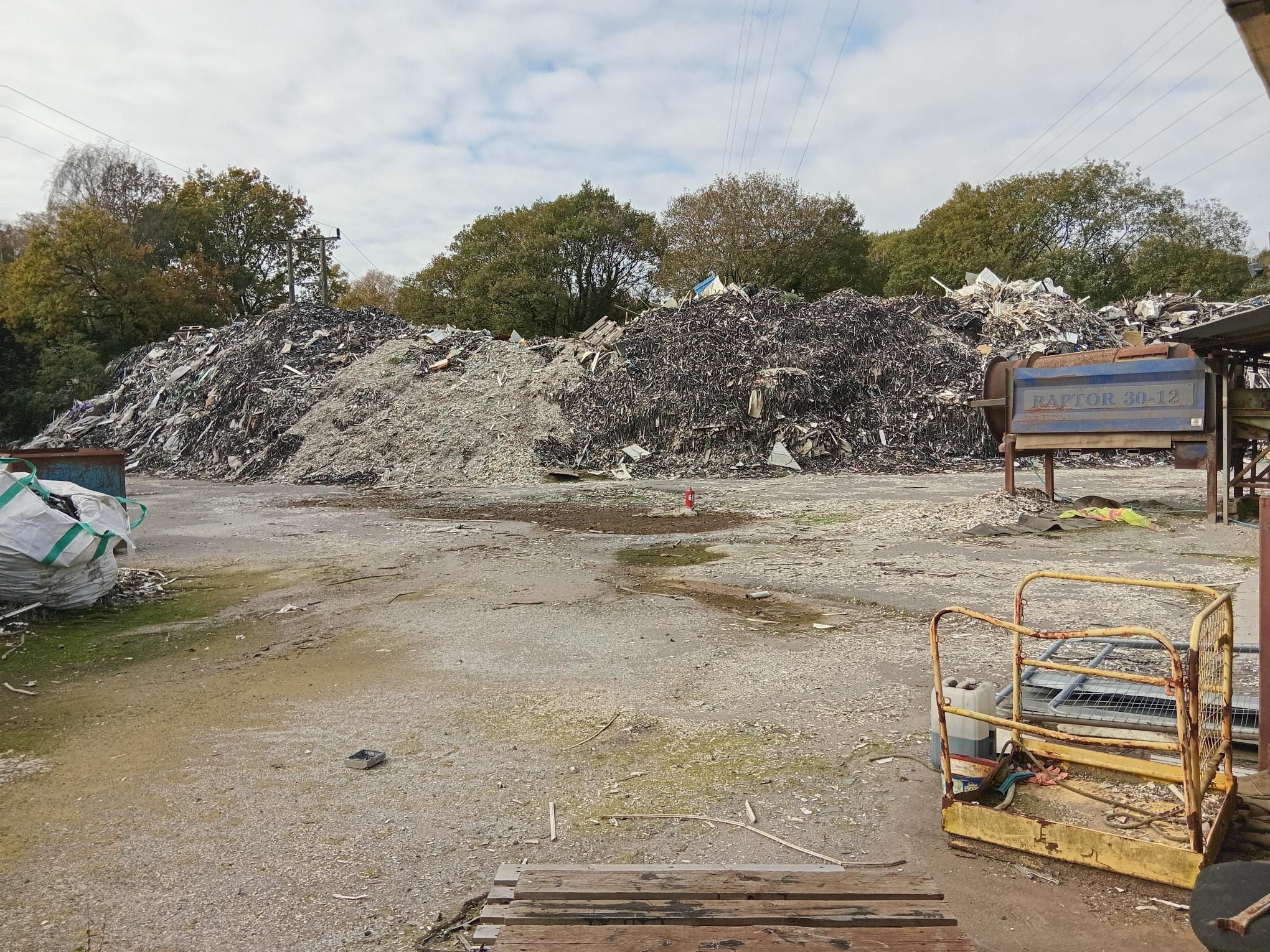
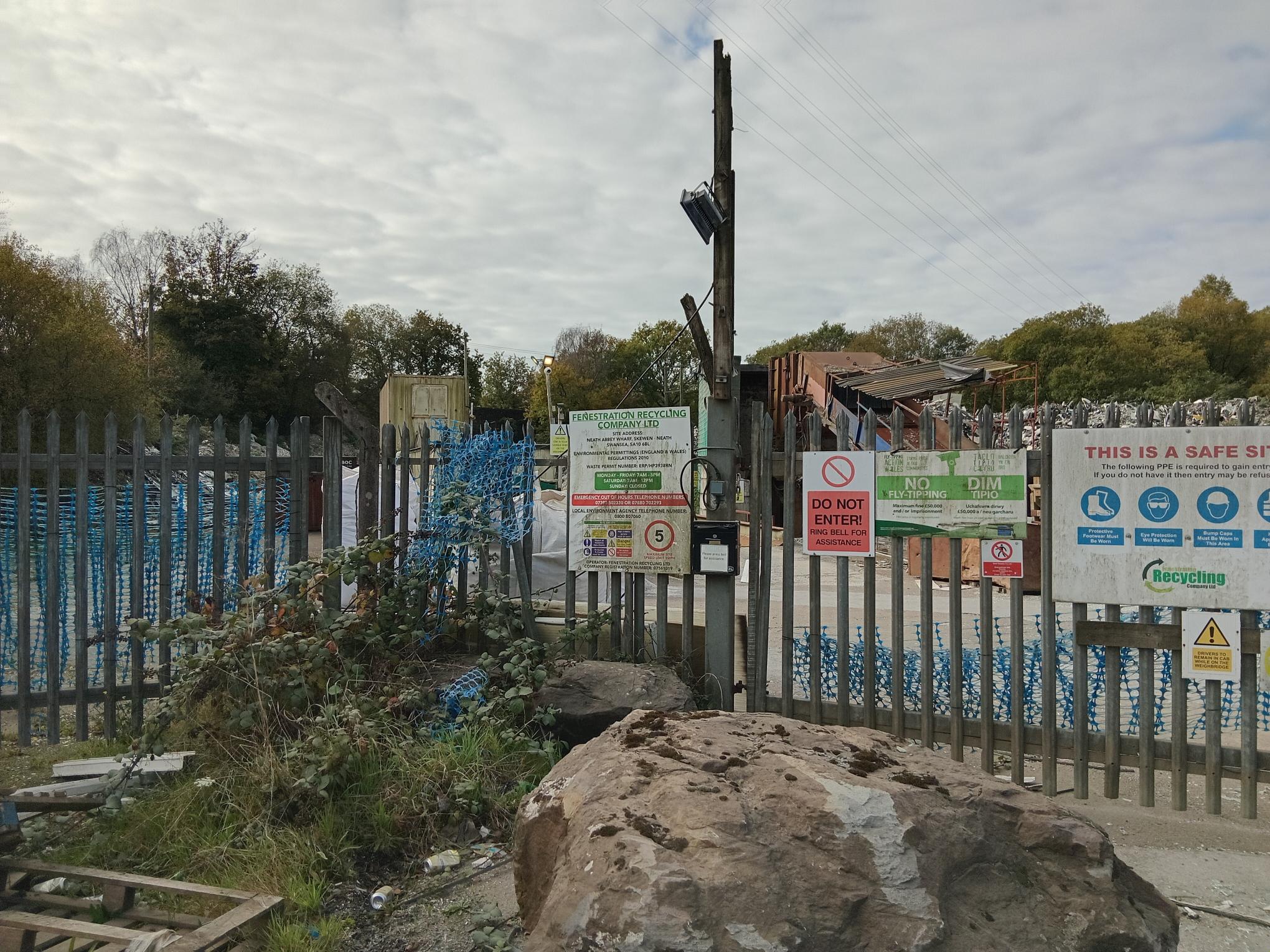
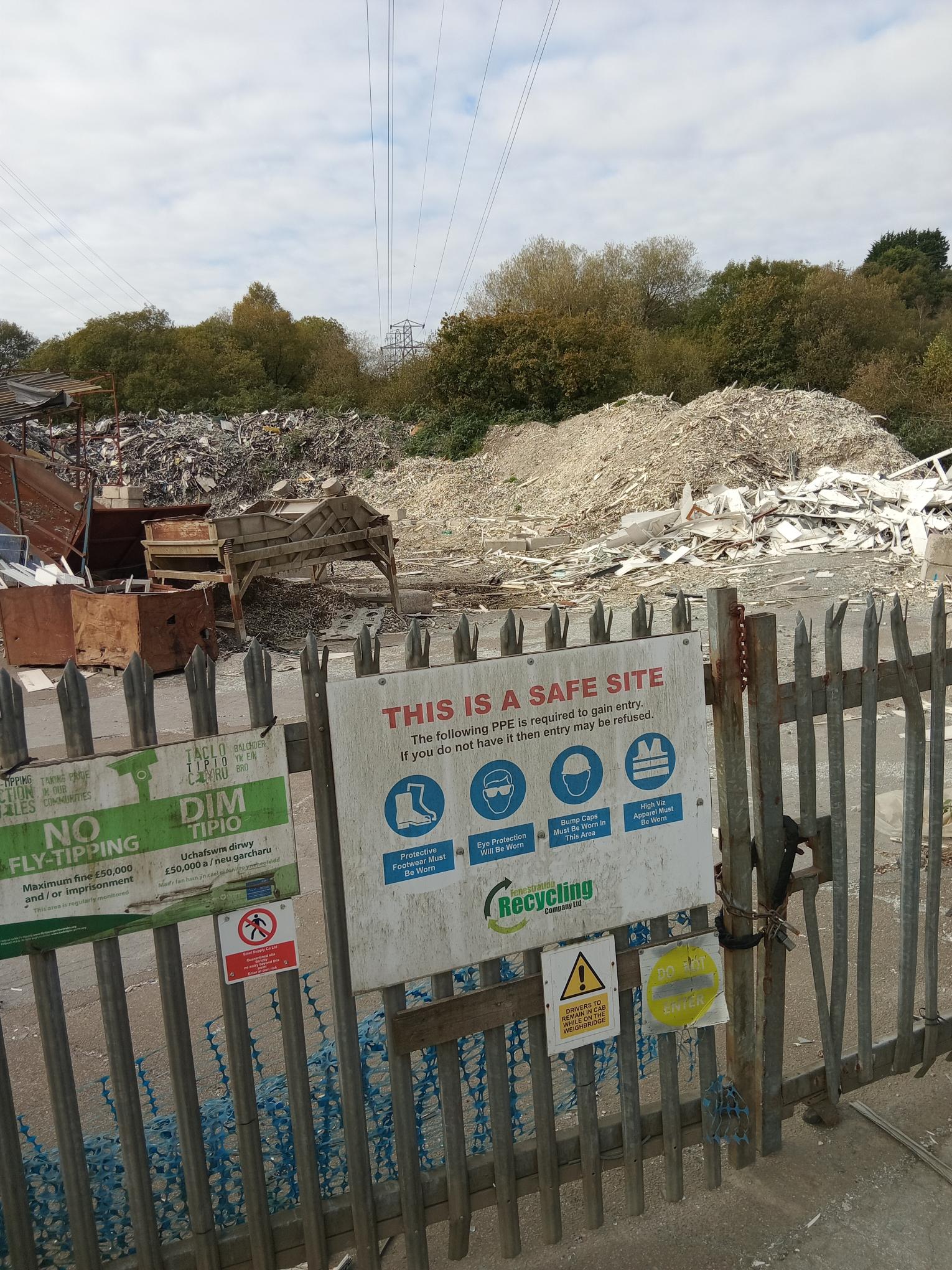
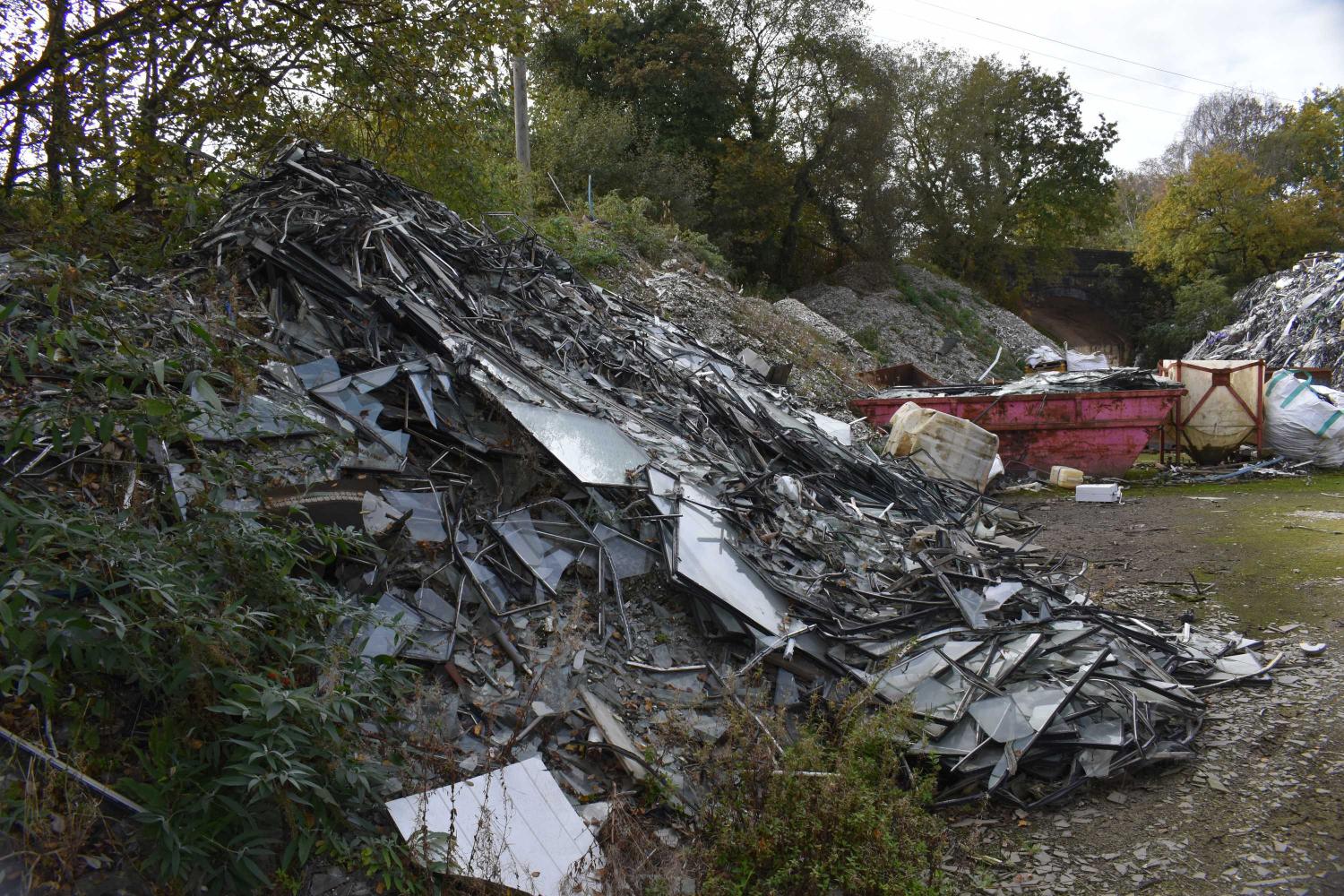
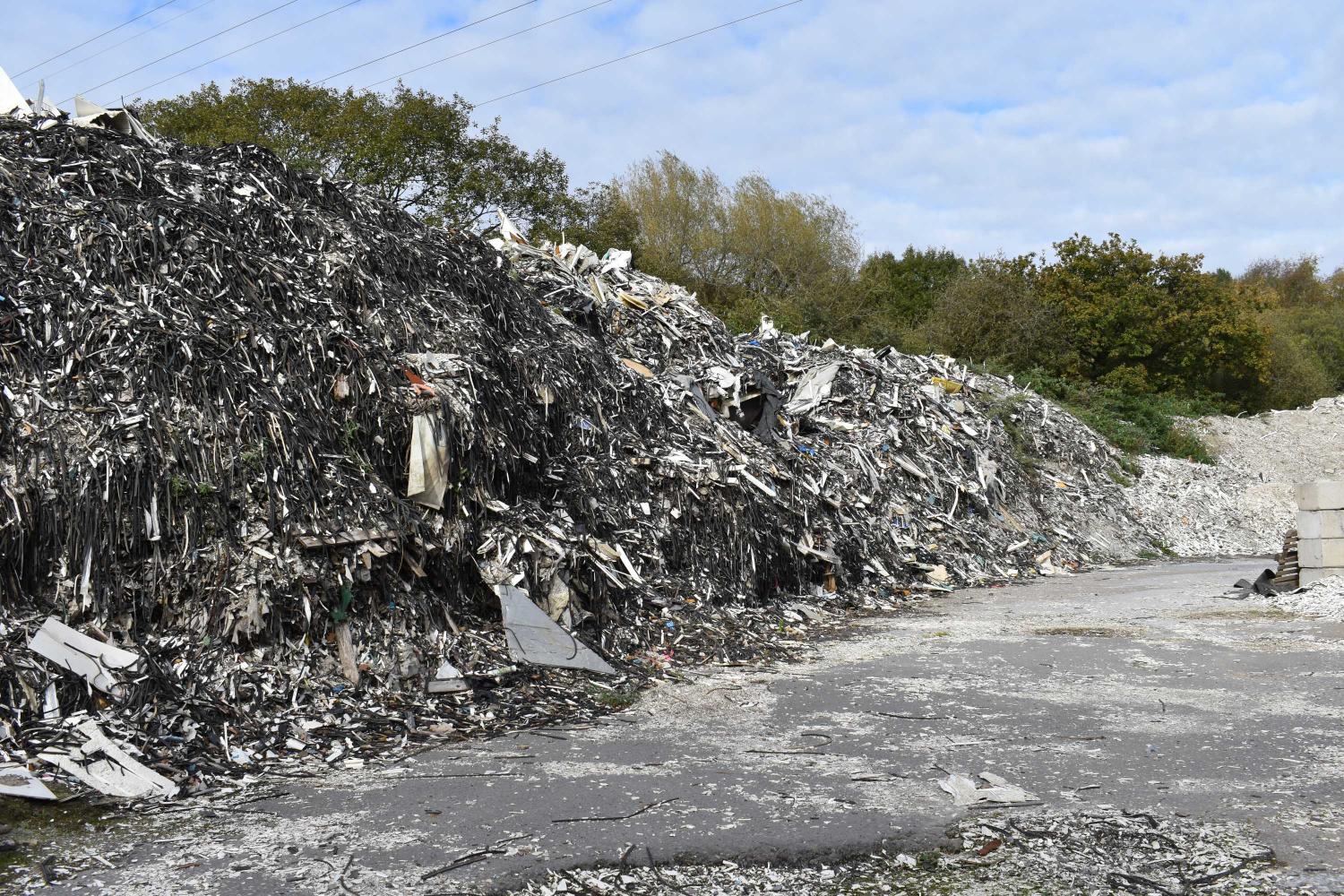
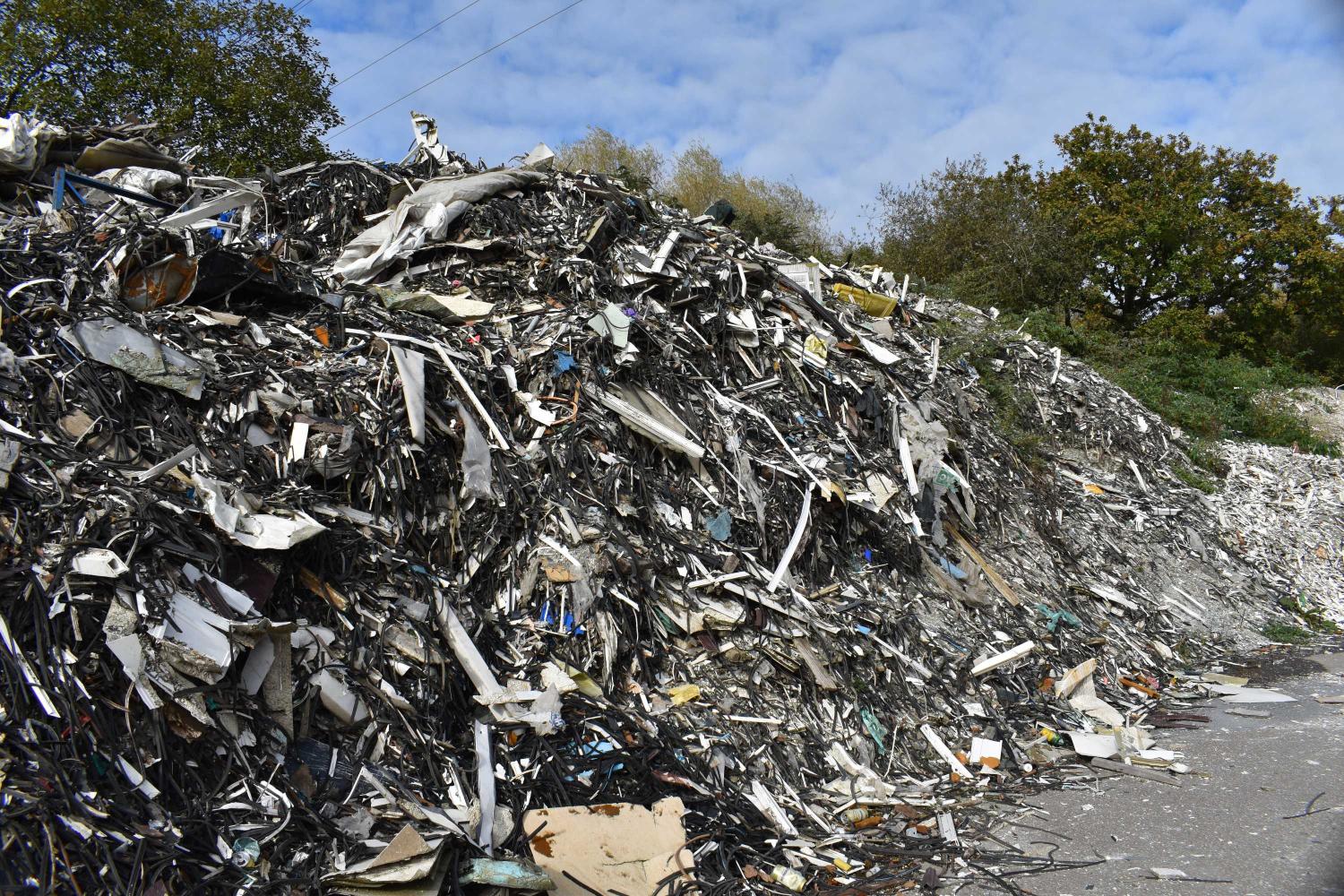
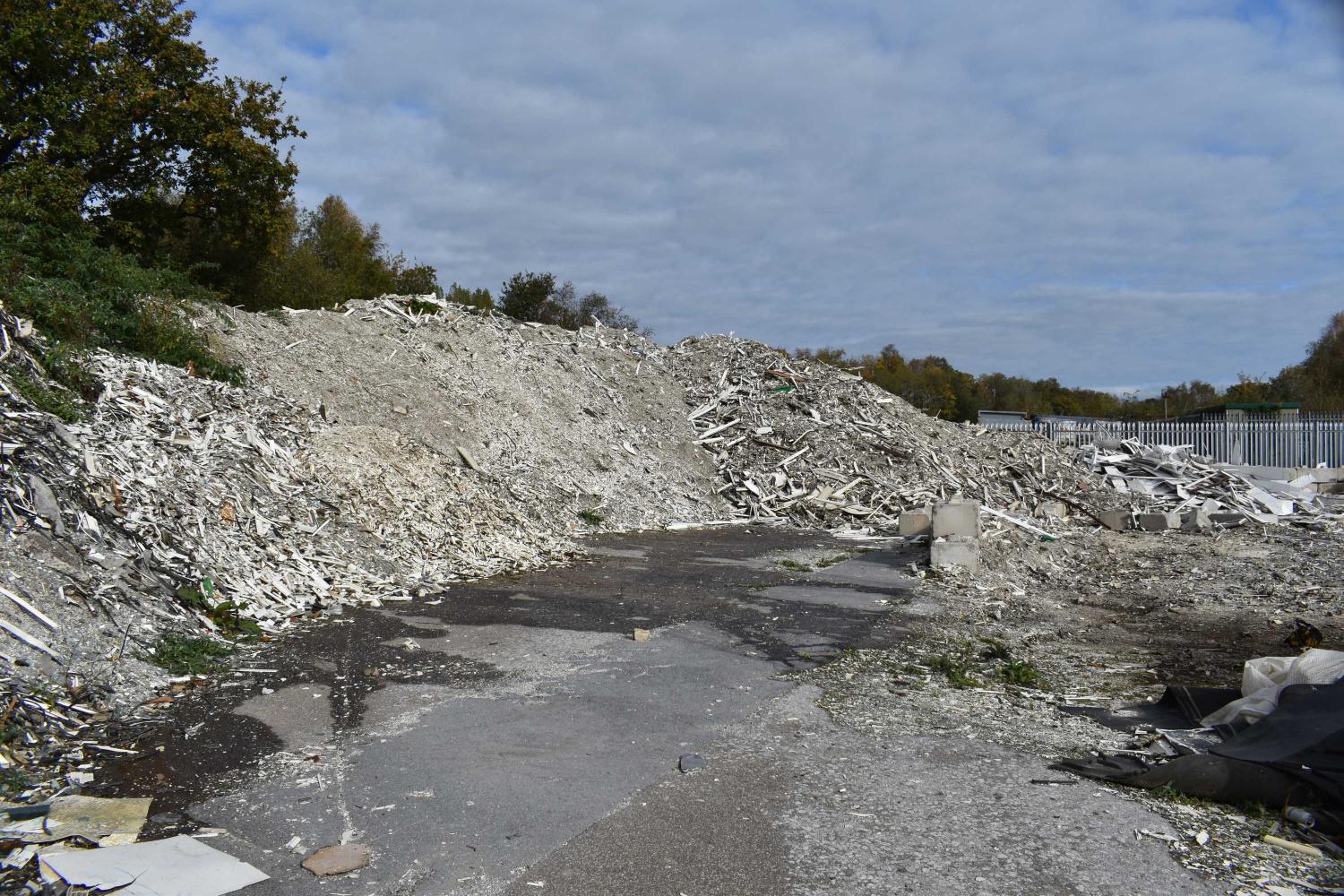
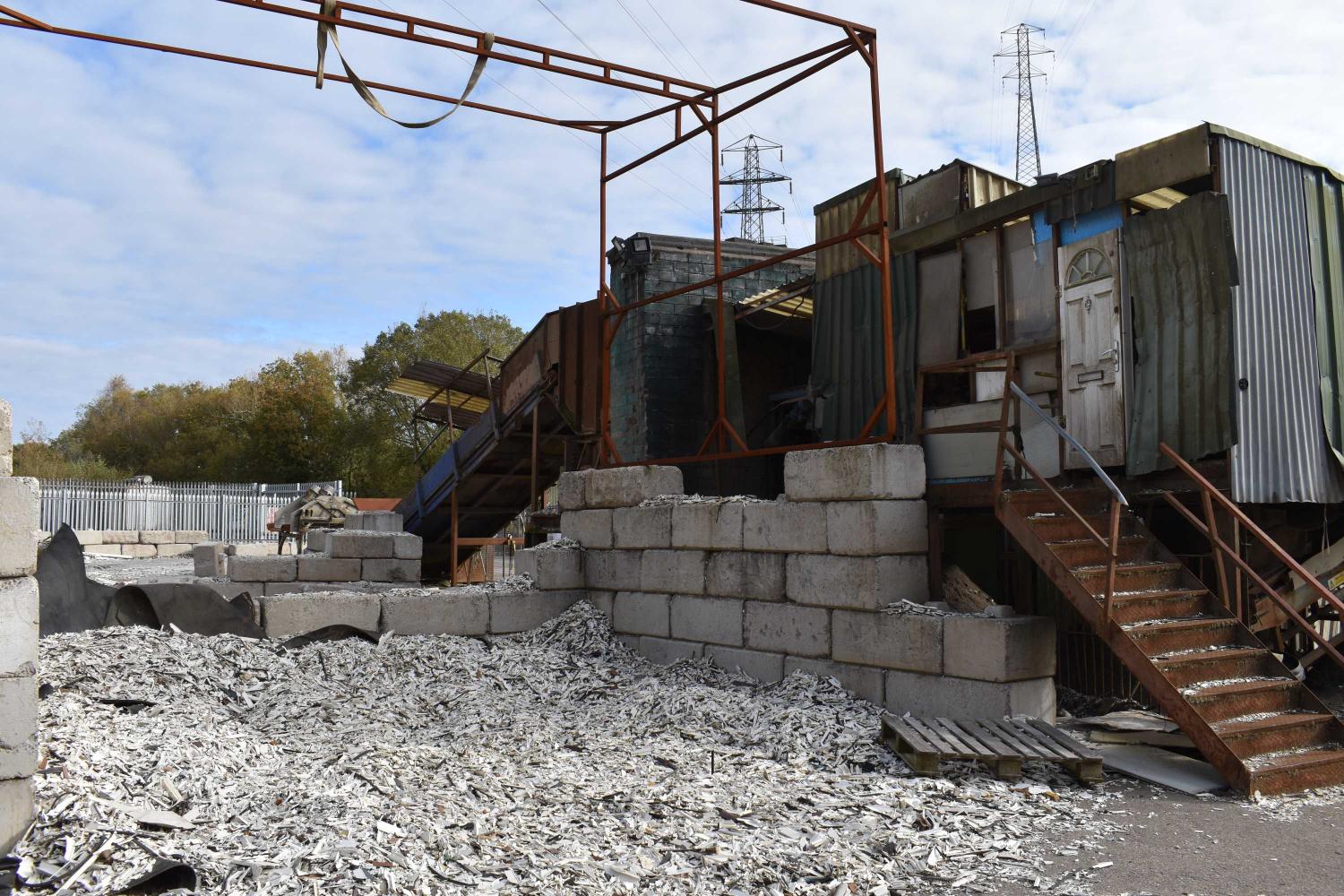
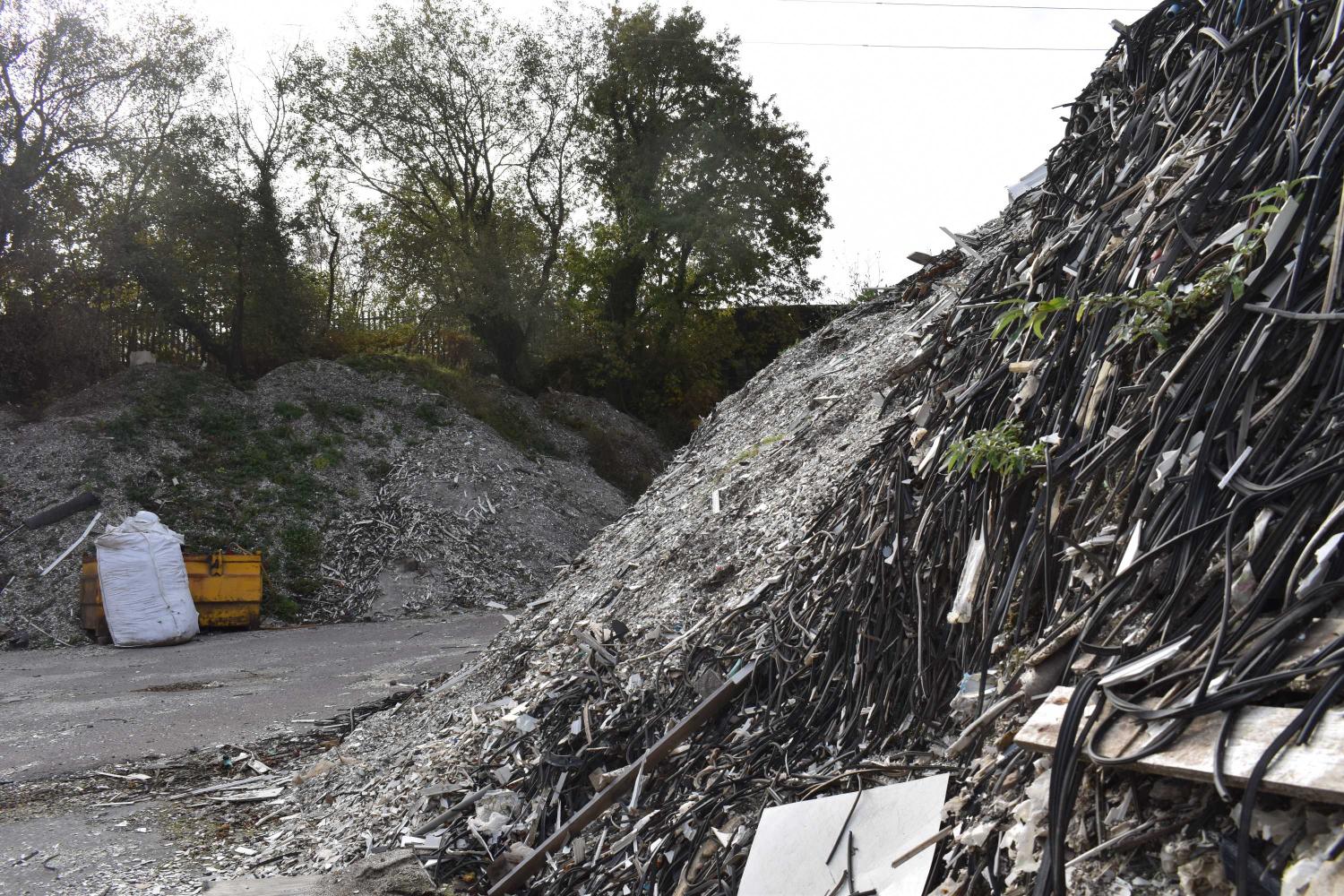
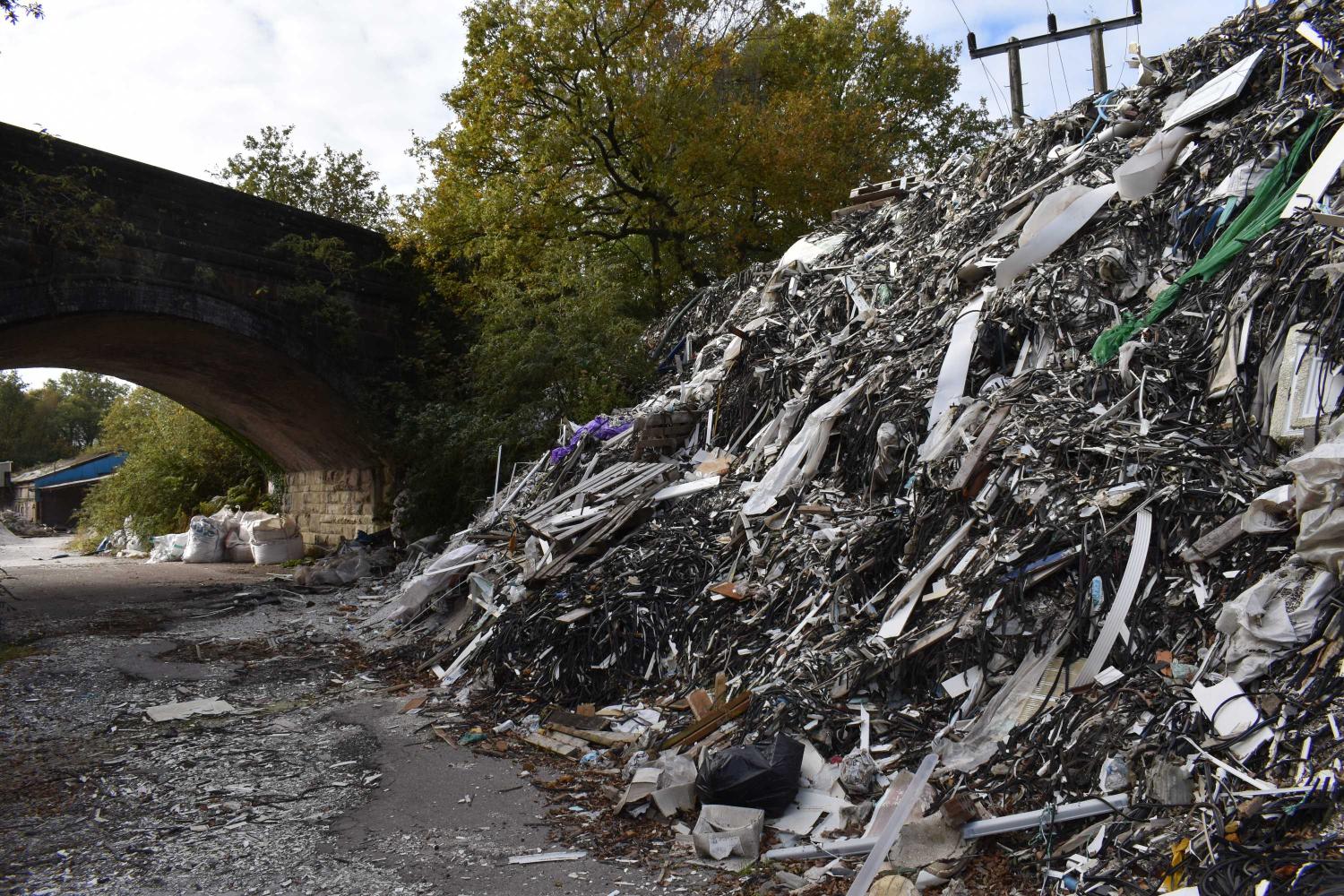
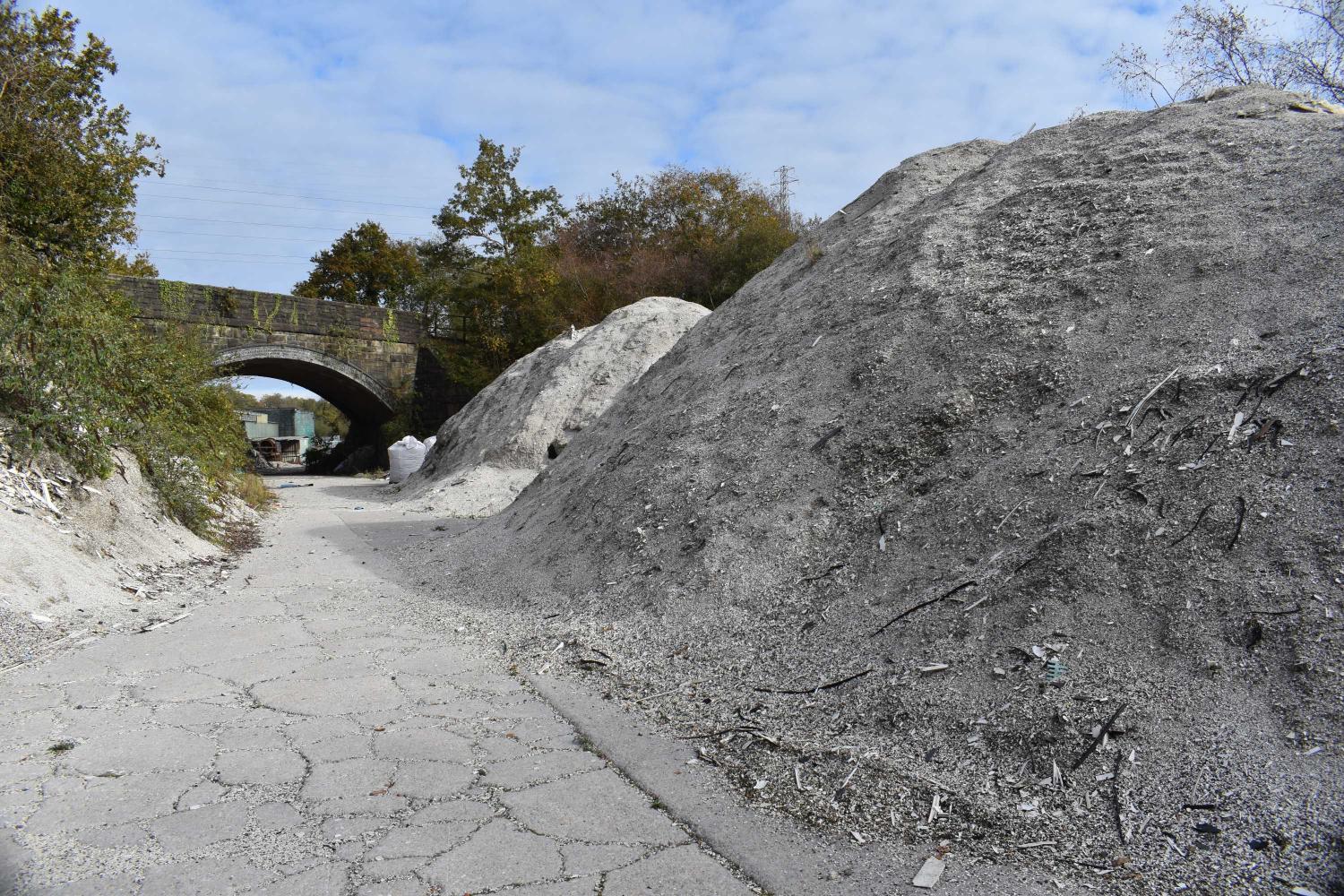
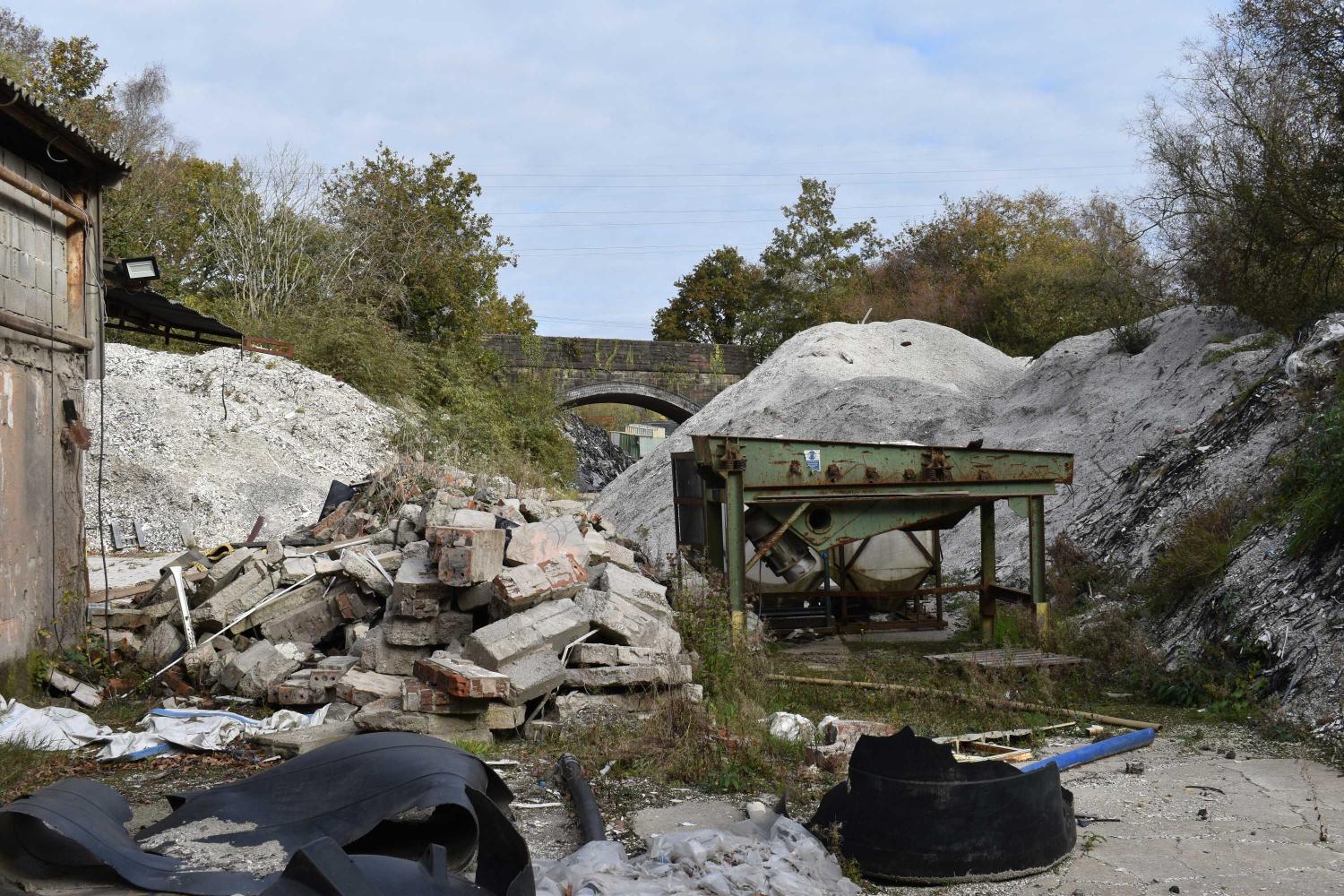
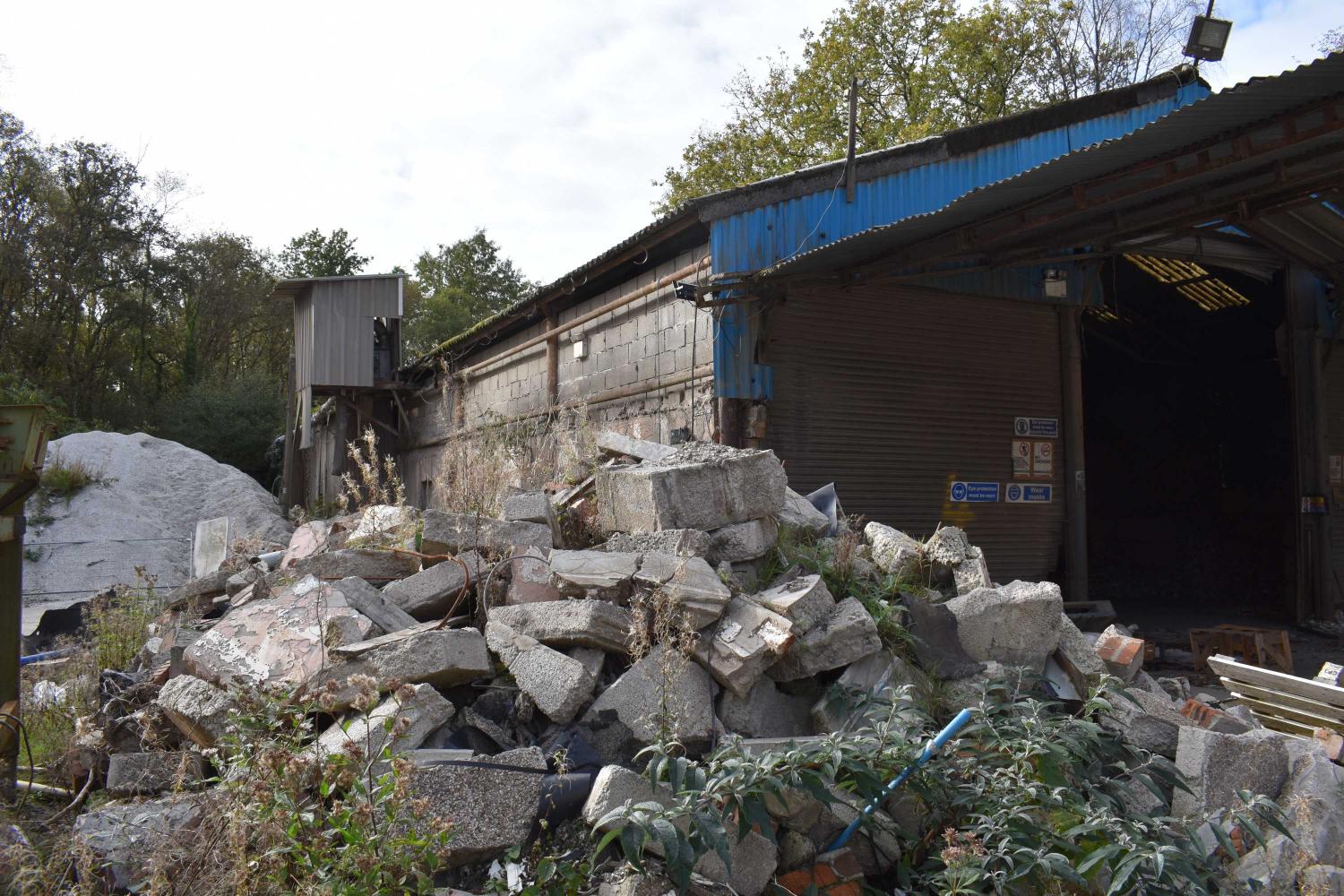
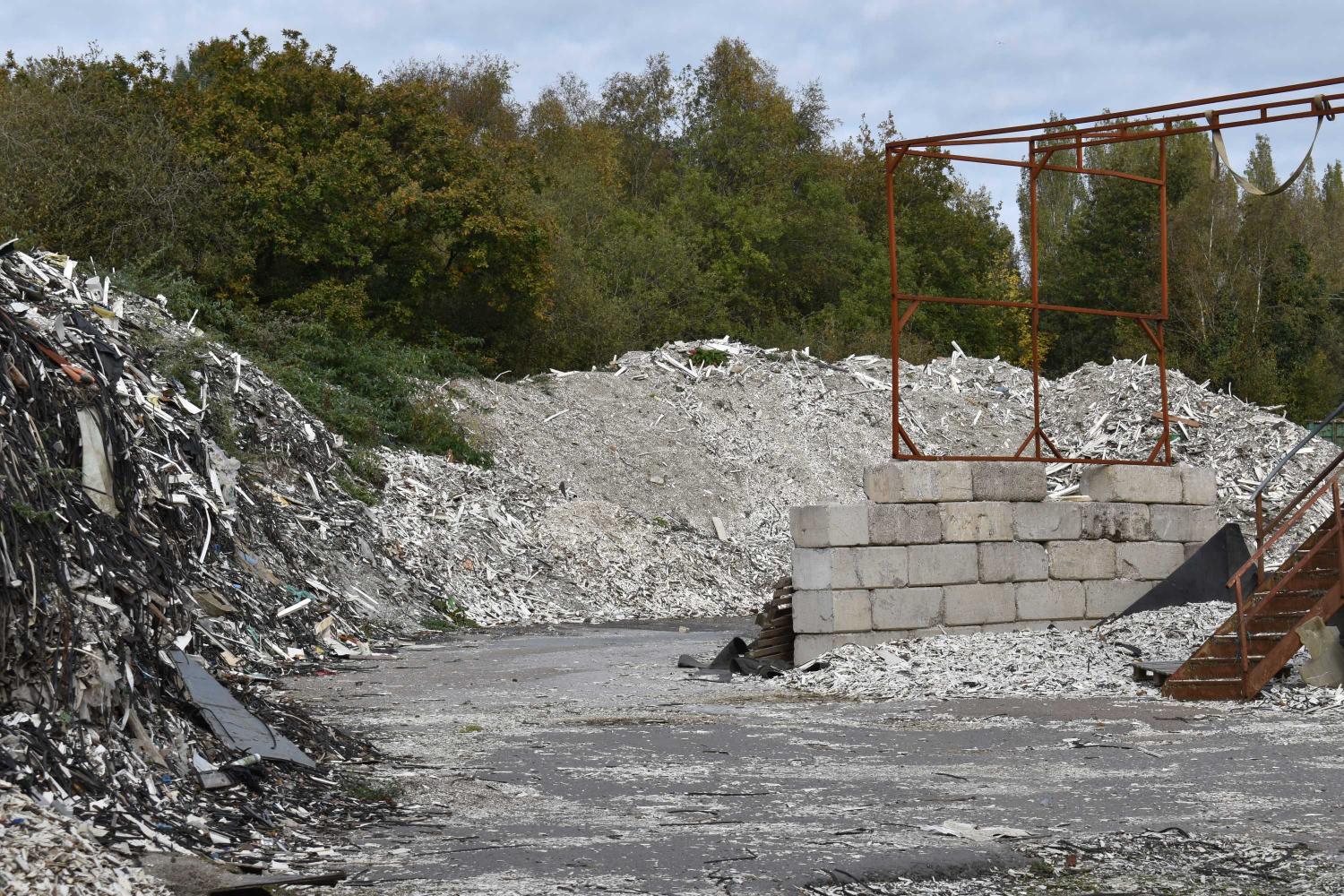
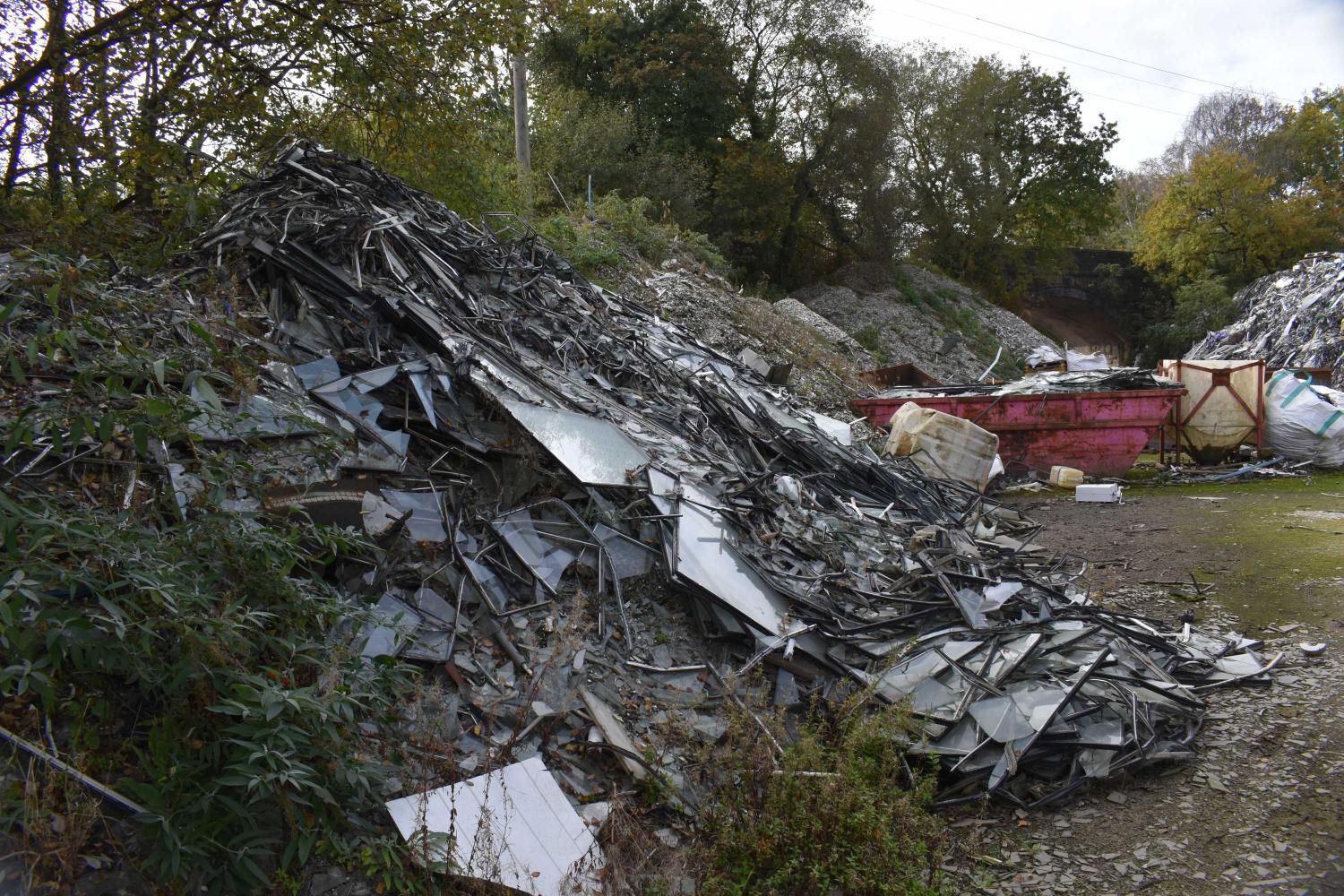
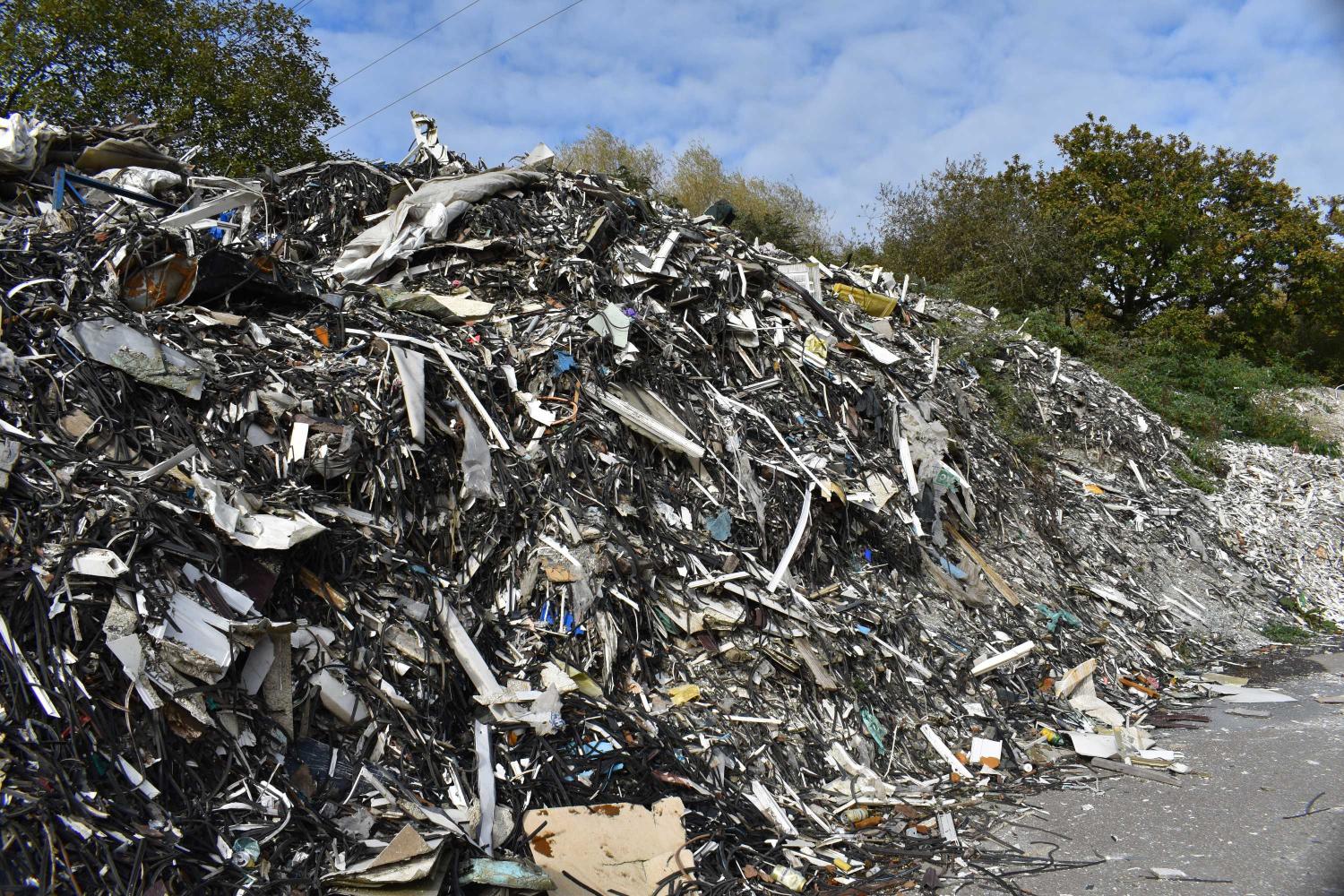
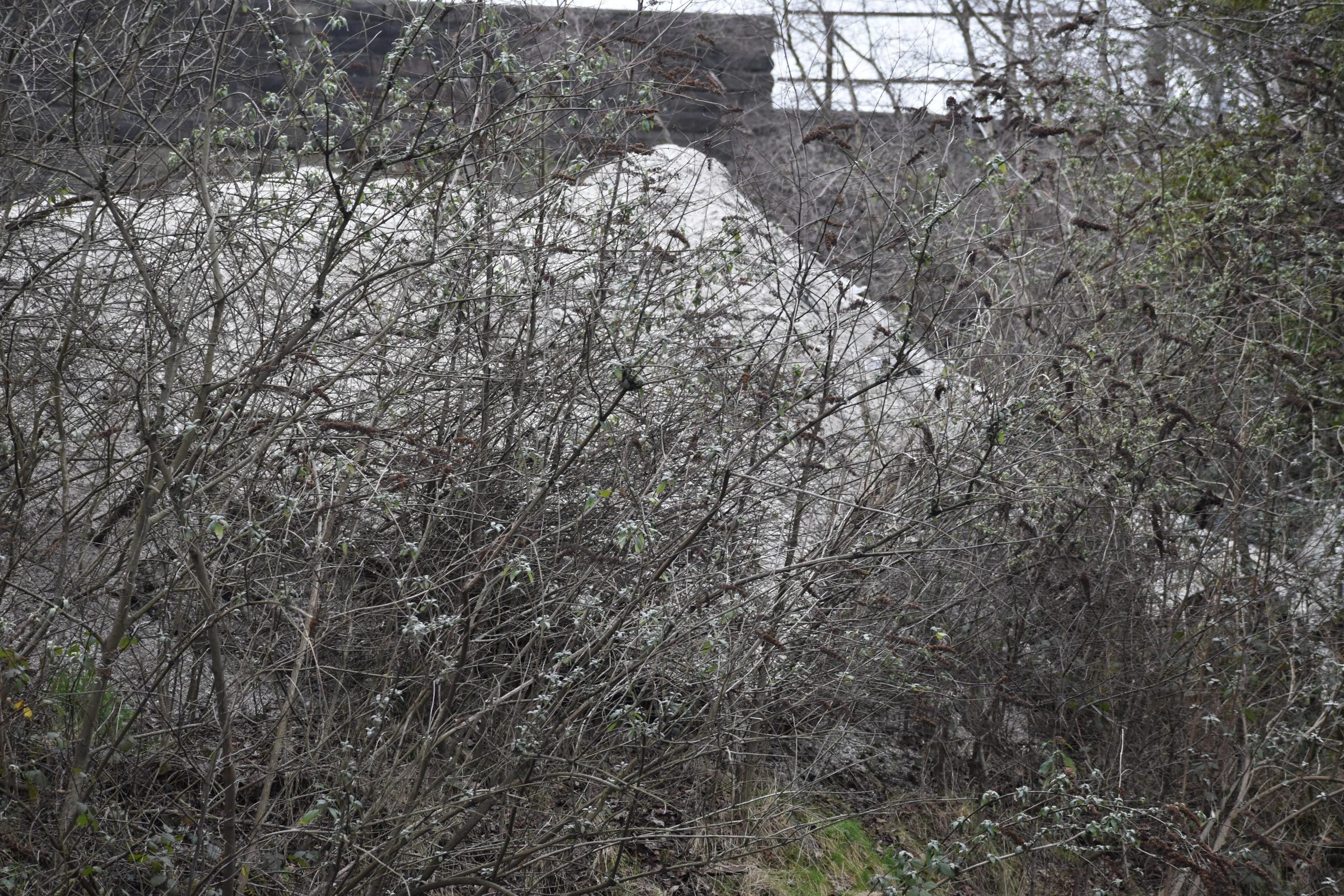
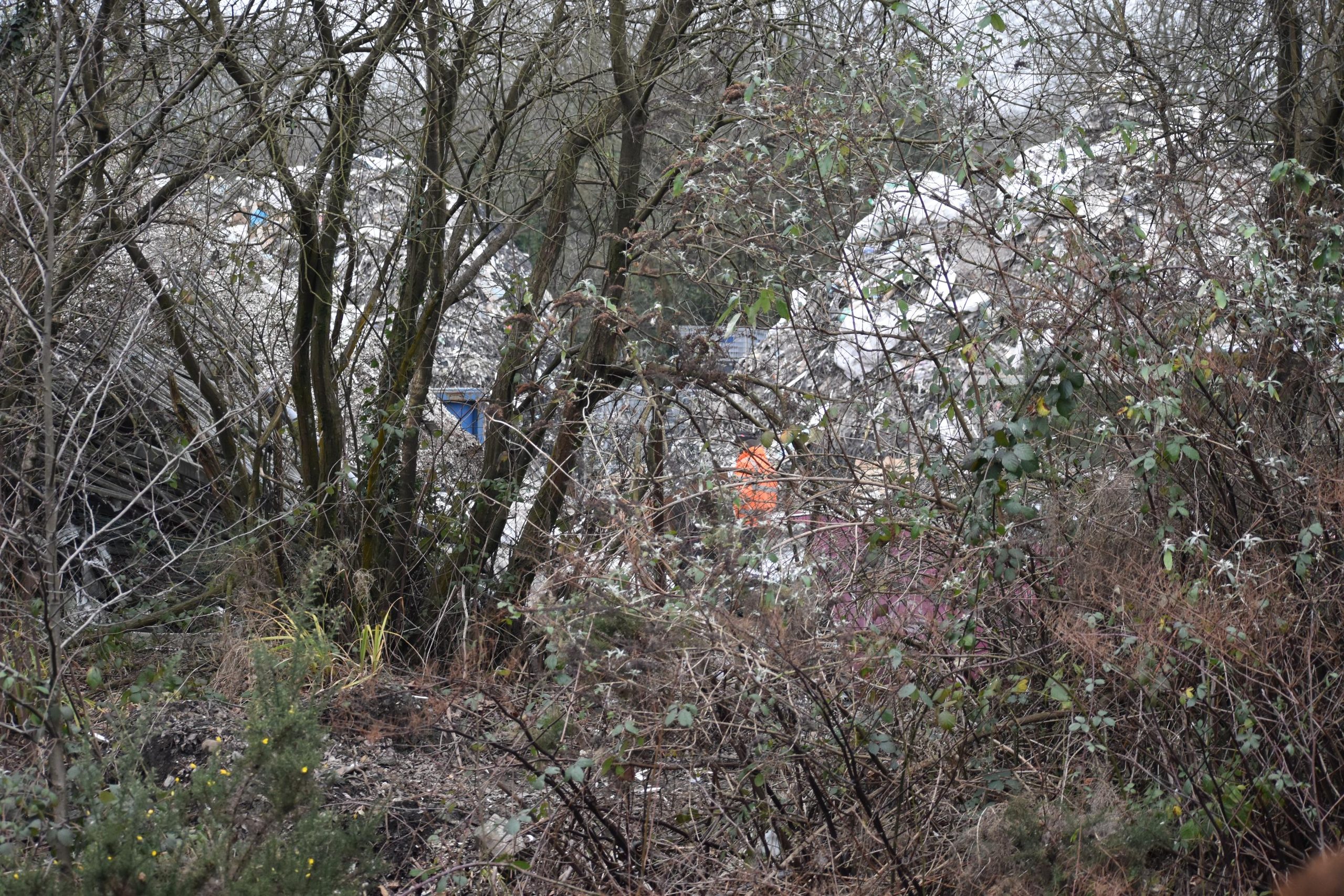
The Public is urged to be aware of a hazardous plastic waste dump discovered near the Tennant Canal.
By Gareth Davies — Photographs by The Canalman
October 13 2026
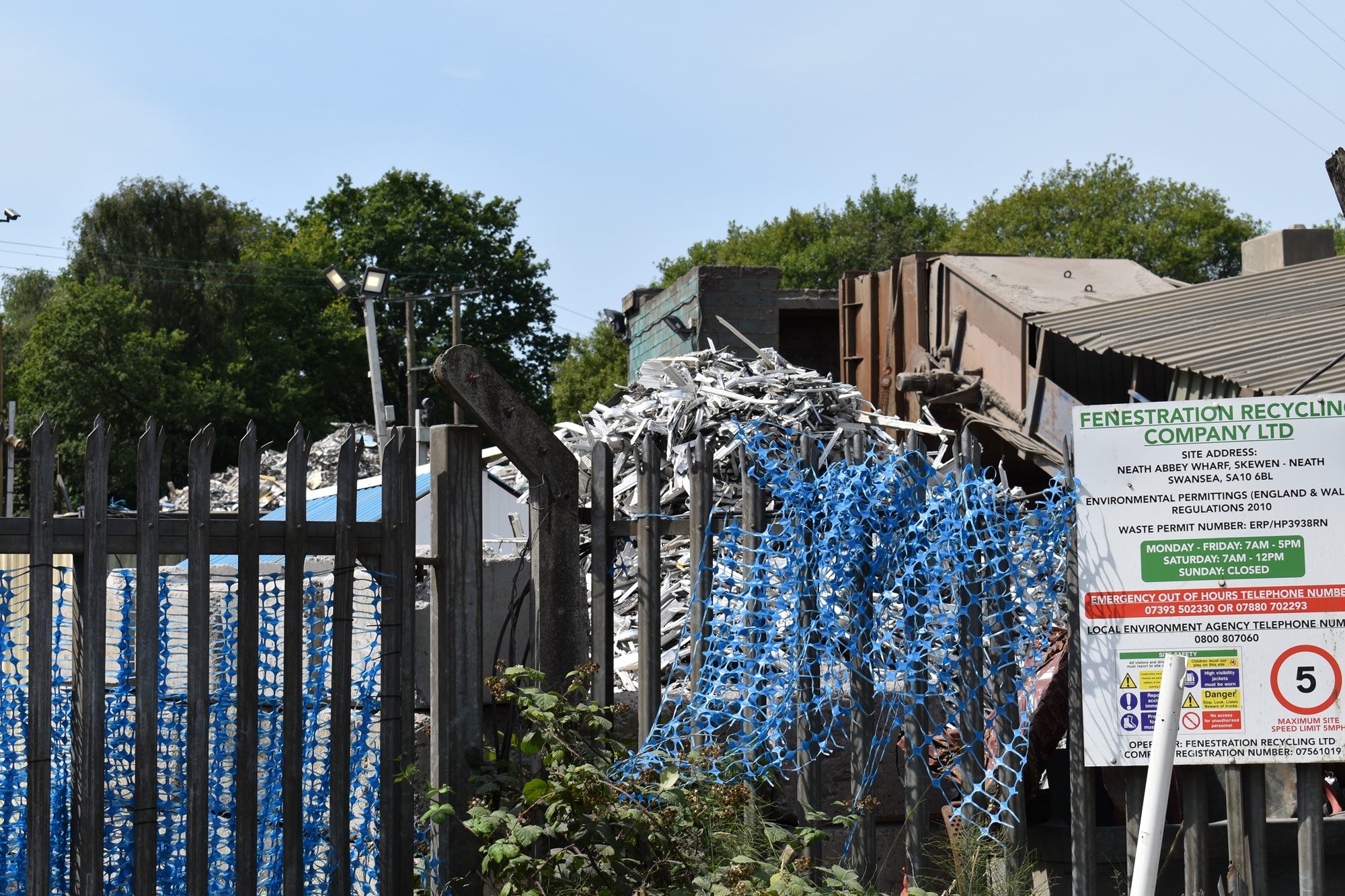
Environmental and Public Safety Impact.
Fenestration Recycling Co Ltd, founded in 2011, (which also traded under the name The National Window Recycling Company) entered the plastic‑recycling sector shortly after its establishment. The company’s operational activity increased notably by 2014, with new director appointments and a clear expansion of its recycling‑related functions.
By 2016, the company proposed to manage environmental risks through its own internal Environmental Management System. As part of its permit application submitted that year, – PDF (640kb) – an Environmental Risk Assessment (ERA) was produced. According to the documentation, the ERA asserted that the proposed facility did not present a significant risk to the environment and that the company’s internal systems were sufficient to control any potential impacts arising from its operations.
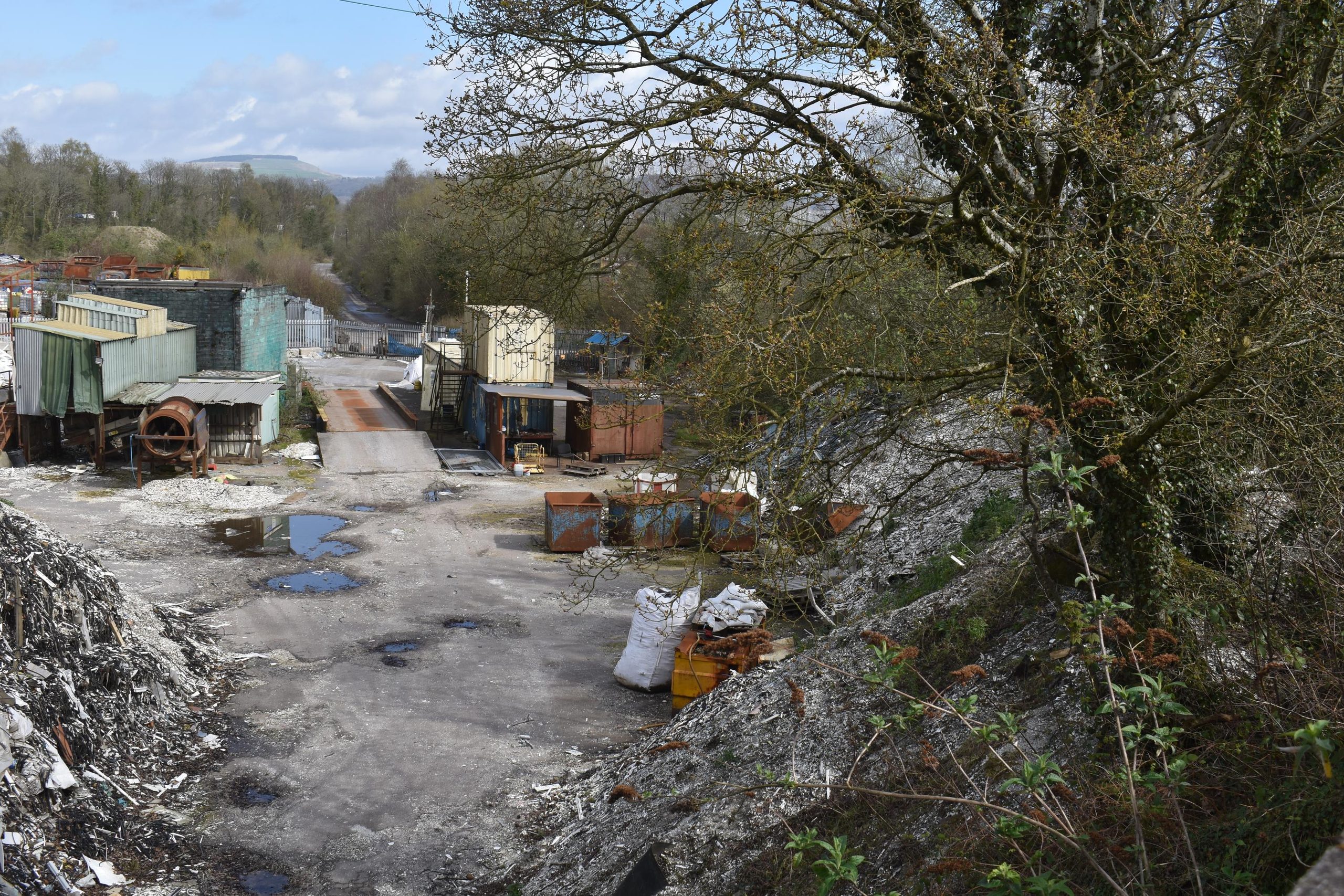
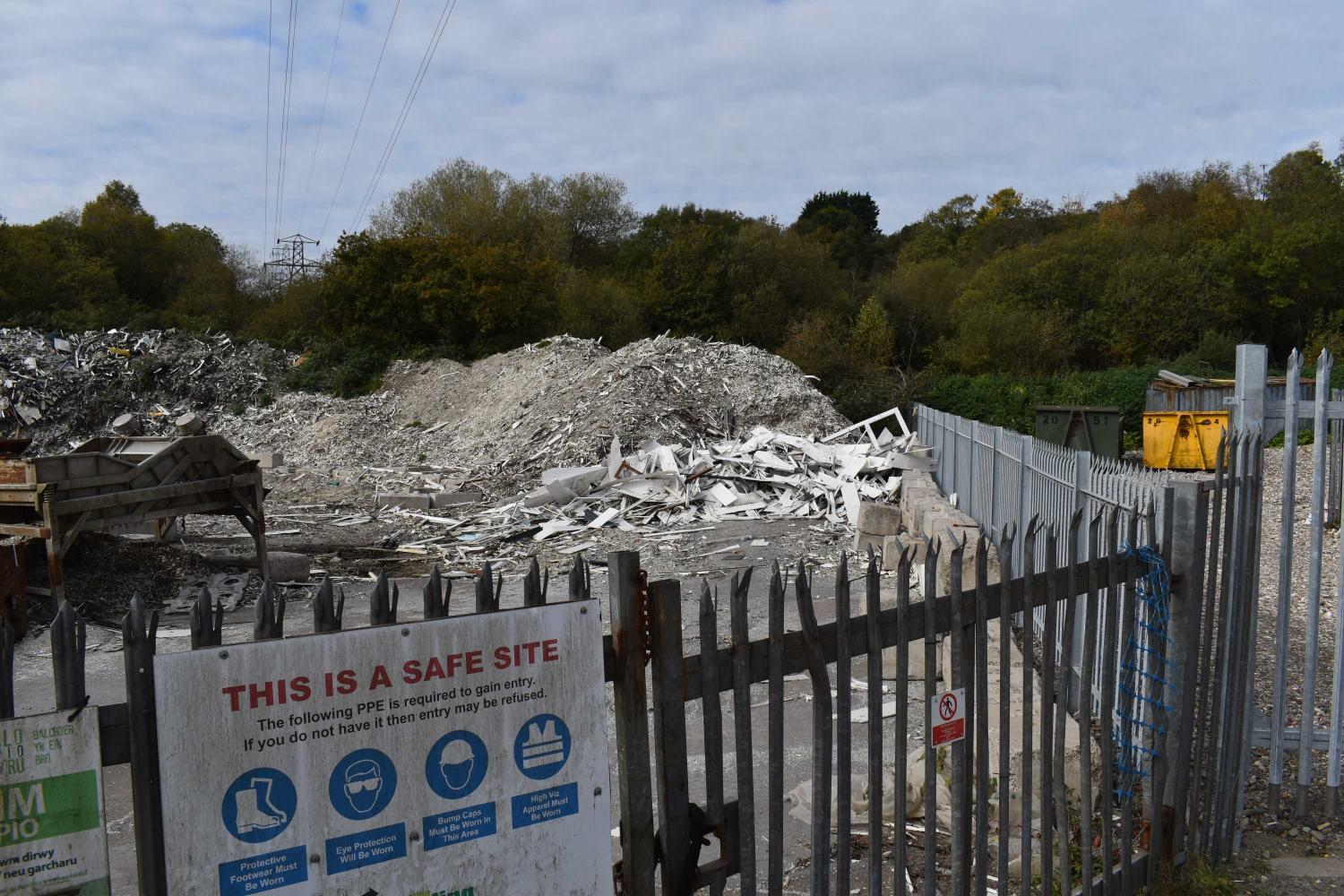
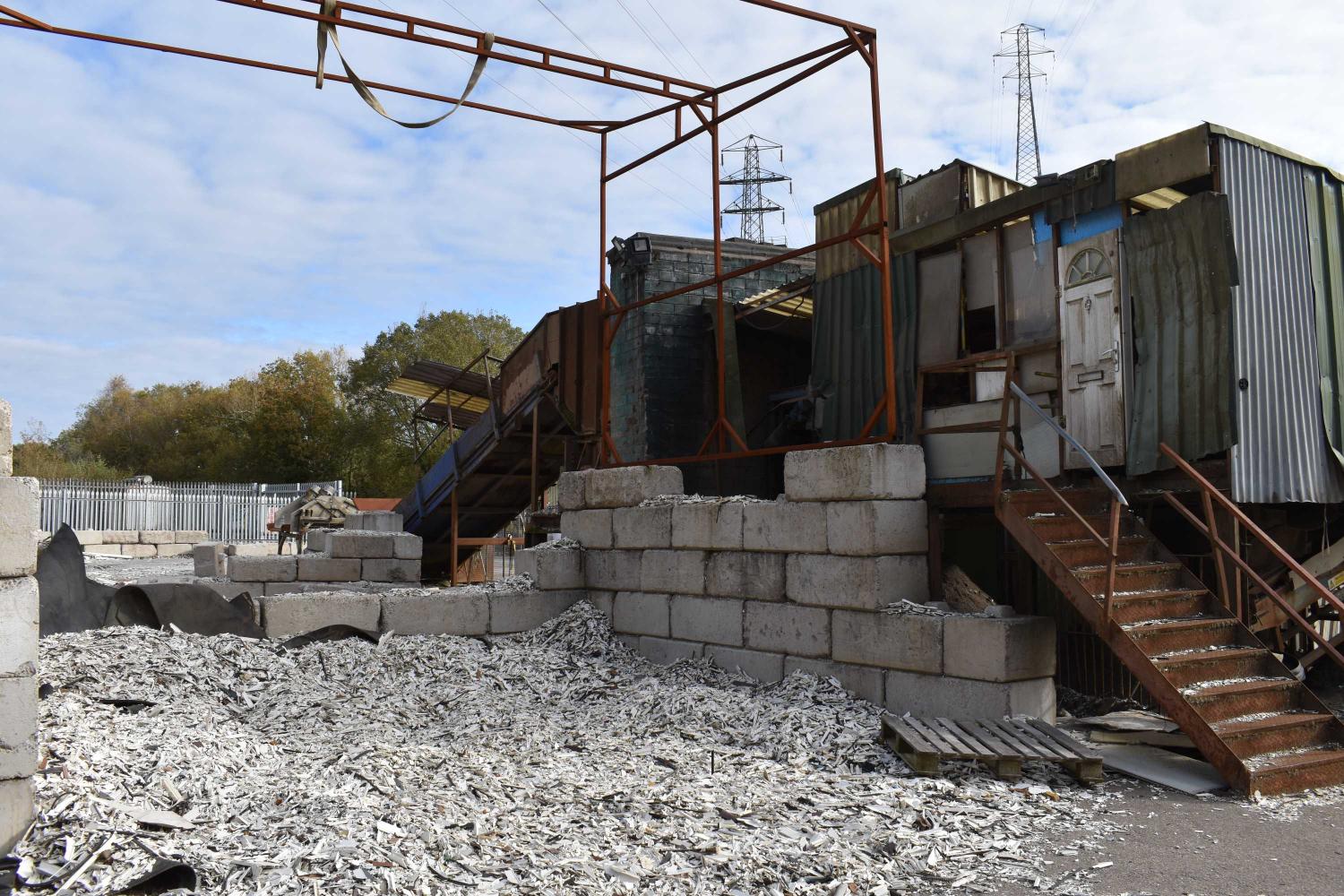
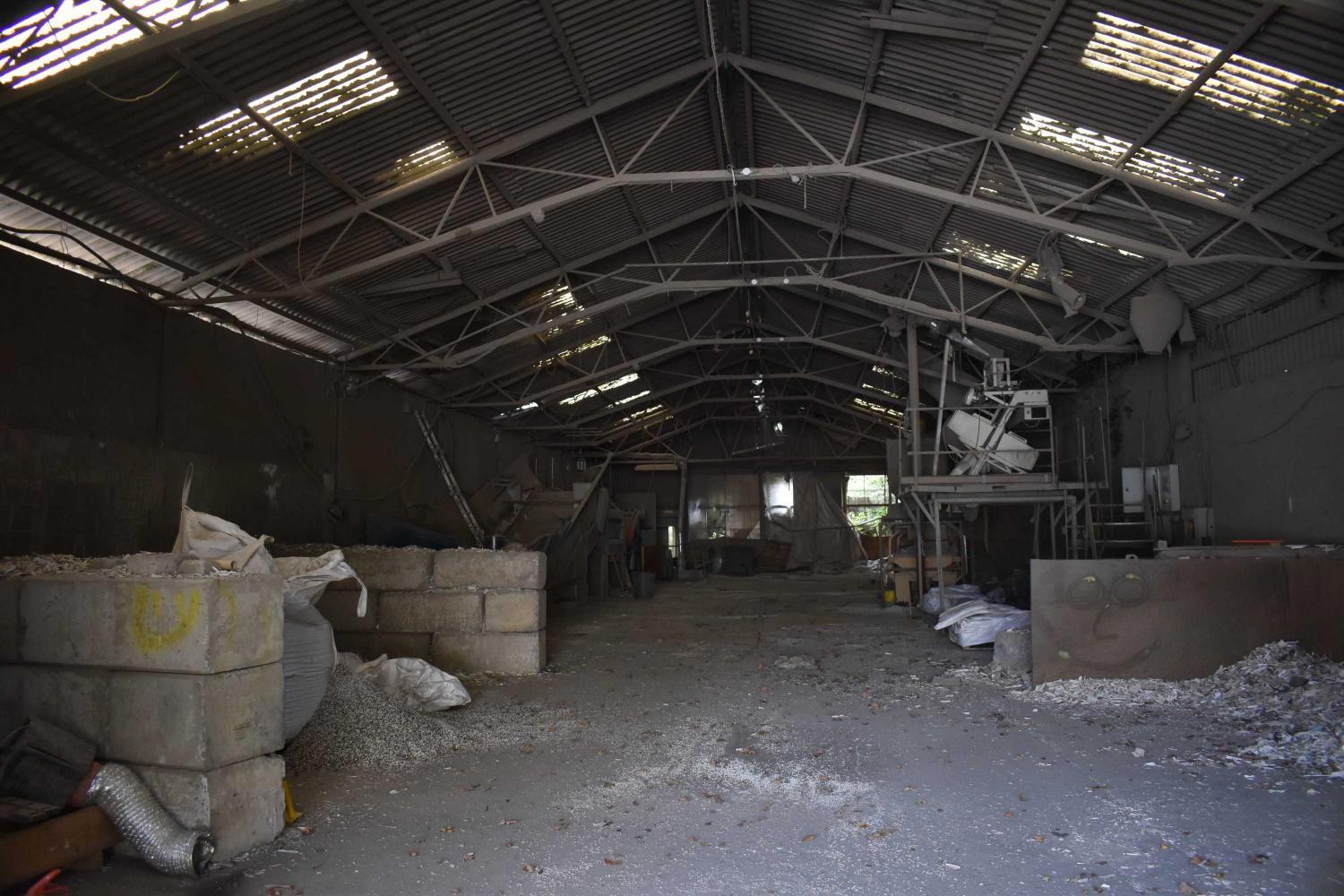
The company’s primary facility is based at Neath Abbey Wharf in Skewen, Neath. Acting as a dedicated disposal site or “tip” for window installation companies, fabricators, and trade professionals, the site handles the bulk collection and physical treatment of uPVC waste and associated glass.
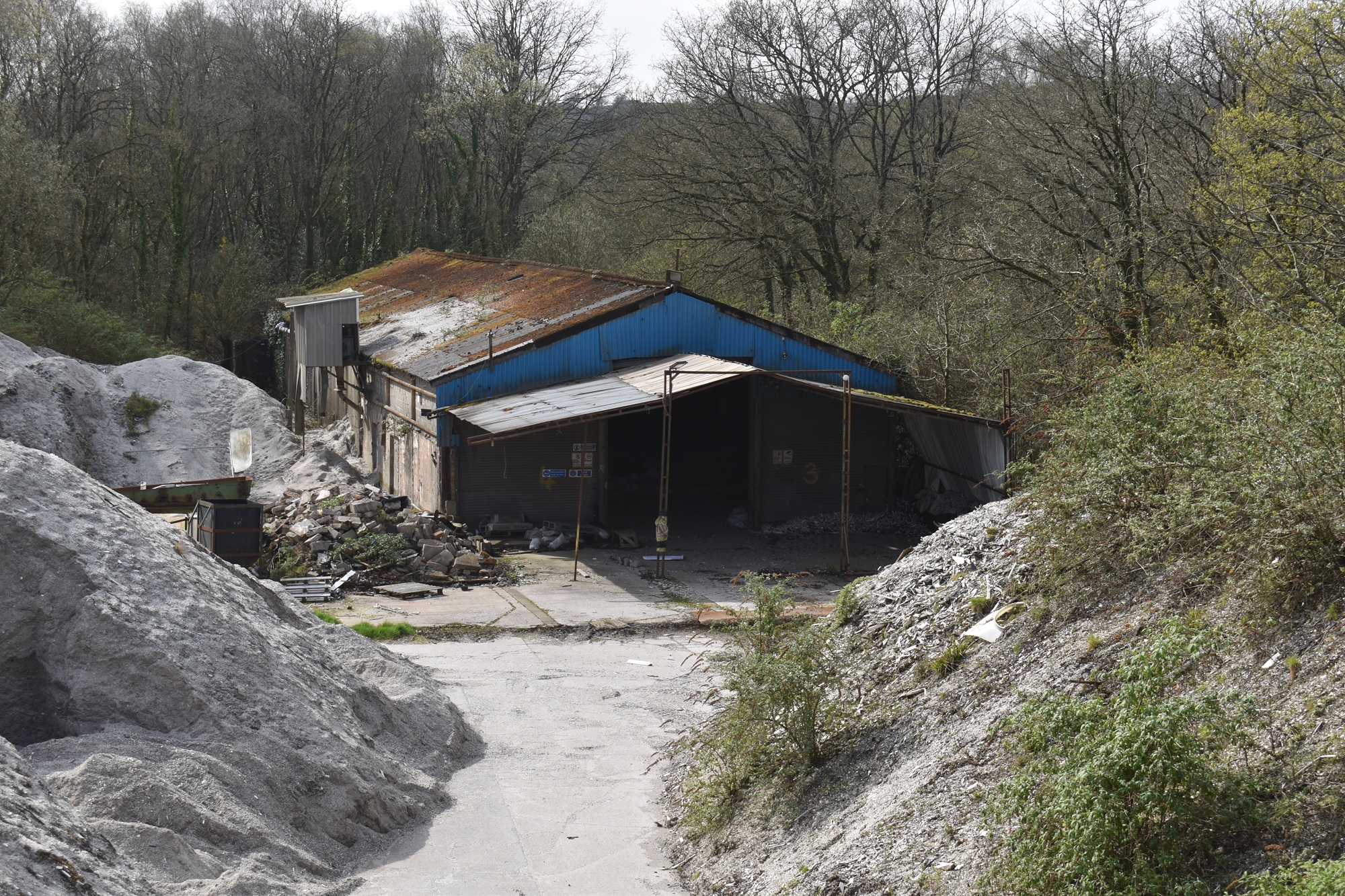
Natural Resources Wales (NRW), the body responsible for issuing and monitoring environmental permits, carried out numerous compliance assessment reports for the site up to July 04 2025. Across these assessments, NRW repeatedly identified breaches of the permit conditions, including failures to prevent pollution, failures to manage waste securely, and failures to operate within the limits of the authorised activity. Despite these well‑documented breaches, NRW issued only standard responses stating that it was “currently considering its response” to the non‑compliance. No enforcement action followed, no criminal prosecutions were pursued, and no suspensions or revocation of permits were considered. Based on the current visual evidence at the abandoned site, no improvements were ever made. As a result, the facility continued to operate in breach of its permit until its eventual abandonment, leaving behind the toxic waste and environmental risks now affecting the surrounding area.
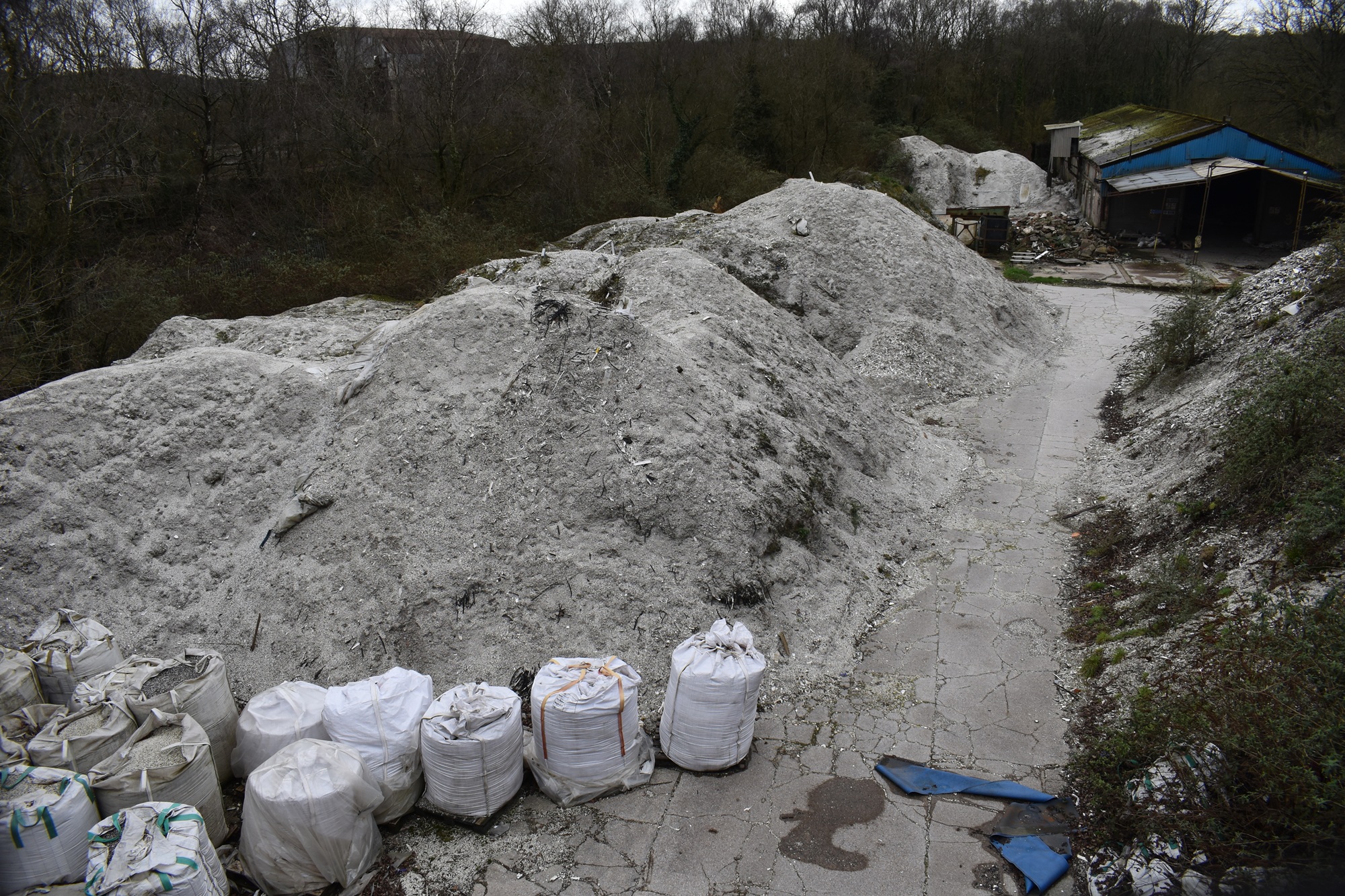
In July 2025, after the company had entered liquidation, NRW conducted a further inspection to assess the condition of the abandoned site. The inspection resulted in a total non‑compliance score of 62, derived from two C2 Significant breaches, each carrying 31 points under NRW’s Compliance Classification Scheme – PDF (3.1mb). – A C2 breach reflects a high‑impact level of non‑compliance. The combined score places the site firmly within the upper tier of regulatory concern, highlighting the seriousness of the issues identified during the assessment. This report was sent to: Parker Andrews Limited, Liquidators, on July 18 2025.
Natural Resources Wales’ public register contains an extraordinary 174 direct communications with Fenestration Recycling Co Ltd during its operational period. The majority of these entries relate to compliance reports, permit discussions, and regulatory correspondence. The volume of communication highlights the long‑running regulatory engagement with the company, which ultimately left behind large quantities of abandoned uPVC waste at its former site.
The absence of earlier meaningful regulatory action has raised concerns about the effectiveness of oversight. The abandoned plastic waste now present contrasts sharply with earlier assurances that the facility posed no significant environmental risk.
HSE Enforcement Notices & Breaches
Public registers show that the Health and Safety Executive (HSE) issued multiple Immediate Prohibition Notices and Improvement Notices to Fenestration Recycling Co Ltd up to April 2024.
STTC have witnessed multiple HSE notices issued to Fenestration Recycling Co Ltd over the years, but many of these records are no longer visible on the public register. The HSE Enforcement Notices Register has undergone several redesigns, and older notices — particularly those issued before 2025 — may no longer be indexed or searchable by company name, postcode, or notice number. As a result, previously accessible enforcement actions now appear to have been removed or archived, despite having been publicly available at the time they were issued.
A 34-year-old man from has died after an incident at Fenestration Recycling Company Ltd (Wales Online)
Summary of Concerns
How was a uPVC tipping and processing plant allowed to operate just yards from a canal towpath used by thousands of visitors every year, given that waste‑handling sites are required to prevent pollution, protect public health, and ensure secure storage under environmental permitting rules?
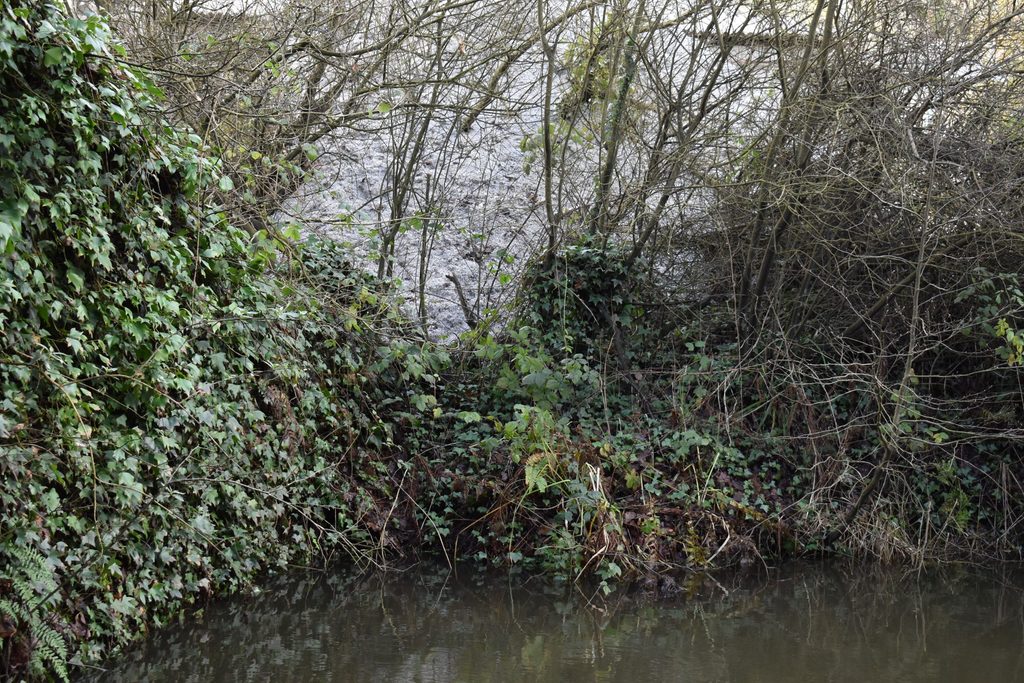
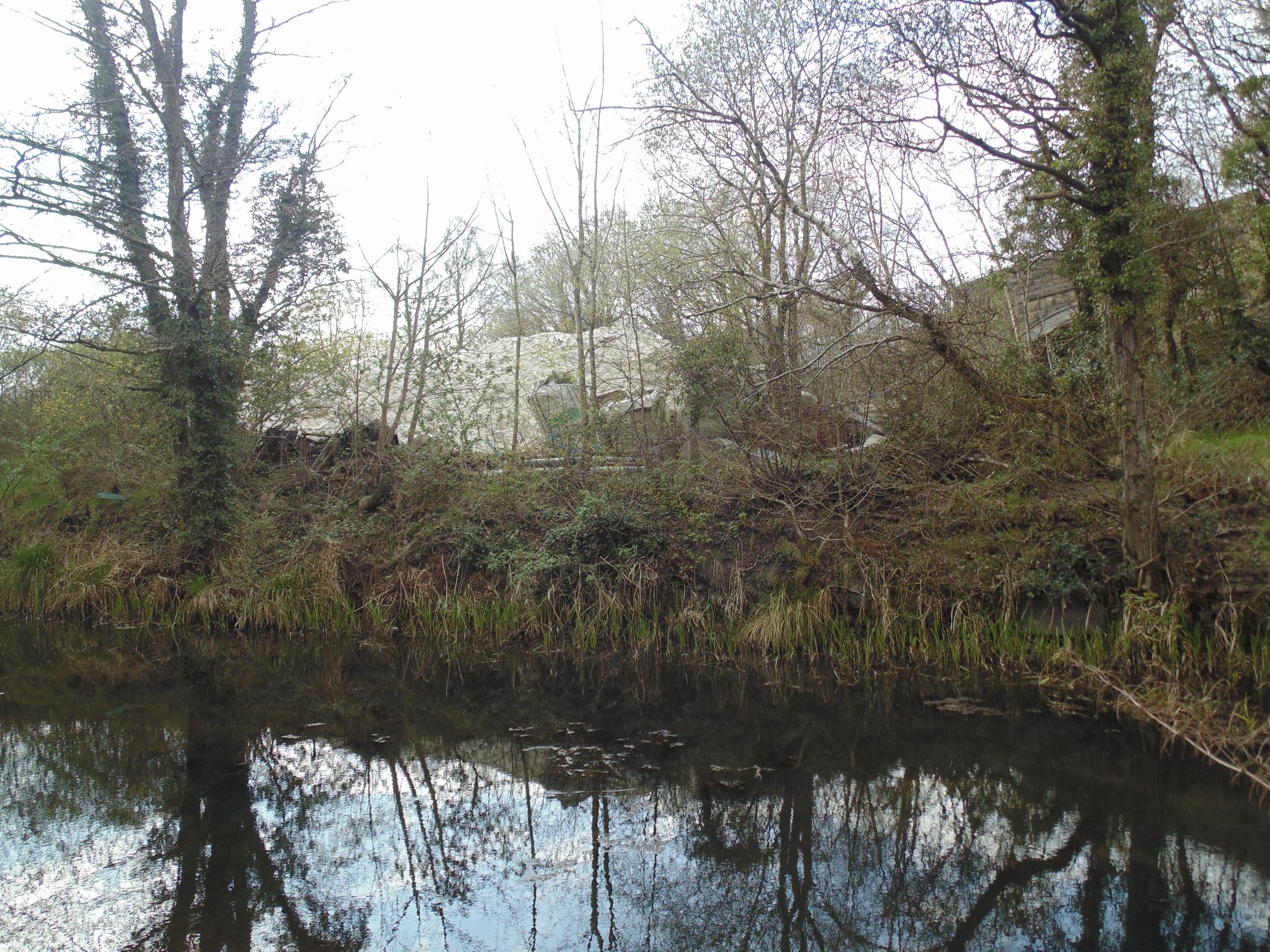
The area is well known for its varied wildlife, including the incredibly rare Fen Raft Spider, a species that depends on clean, undisturbed wetland habitats. Allowing an industrial waste‑processing operation to function in such close proximity to a sensitive ecological corridor raises serious questions about regulatory oversight, environmental protection, and the safeguarding of protected species.
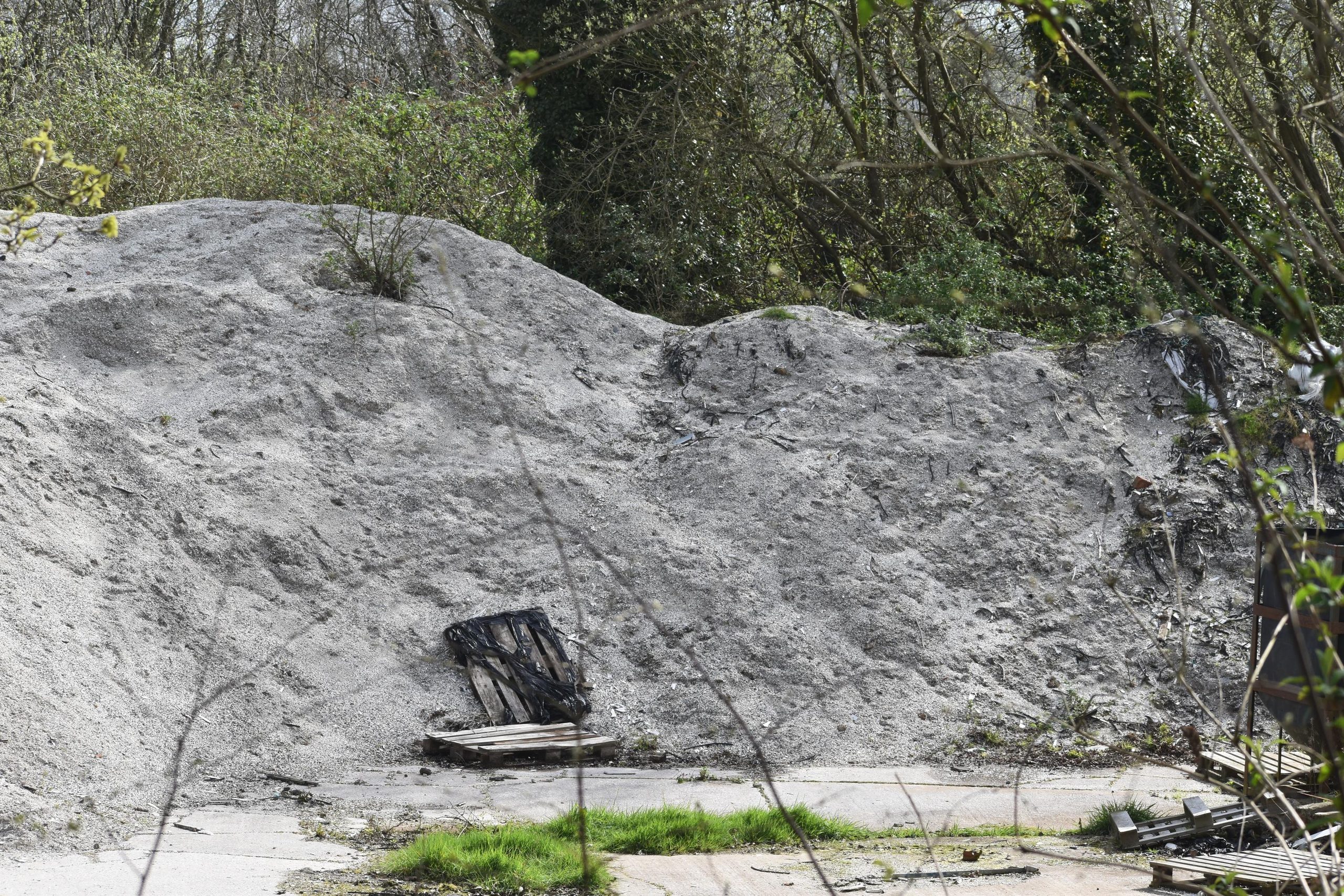
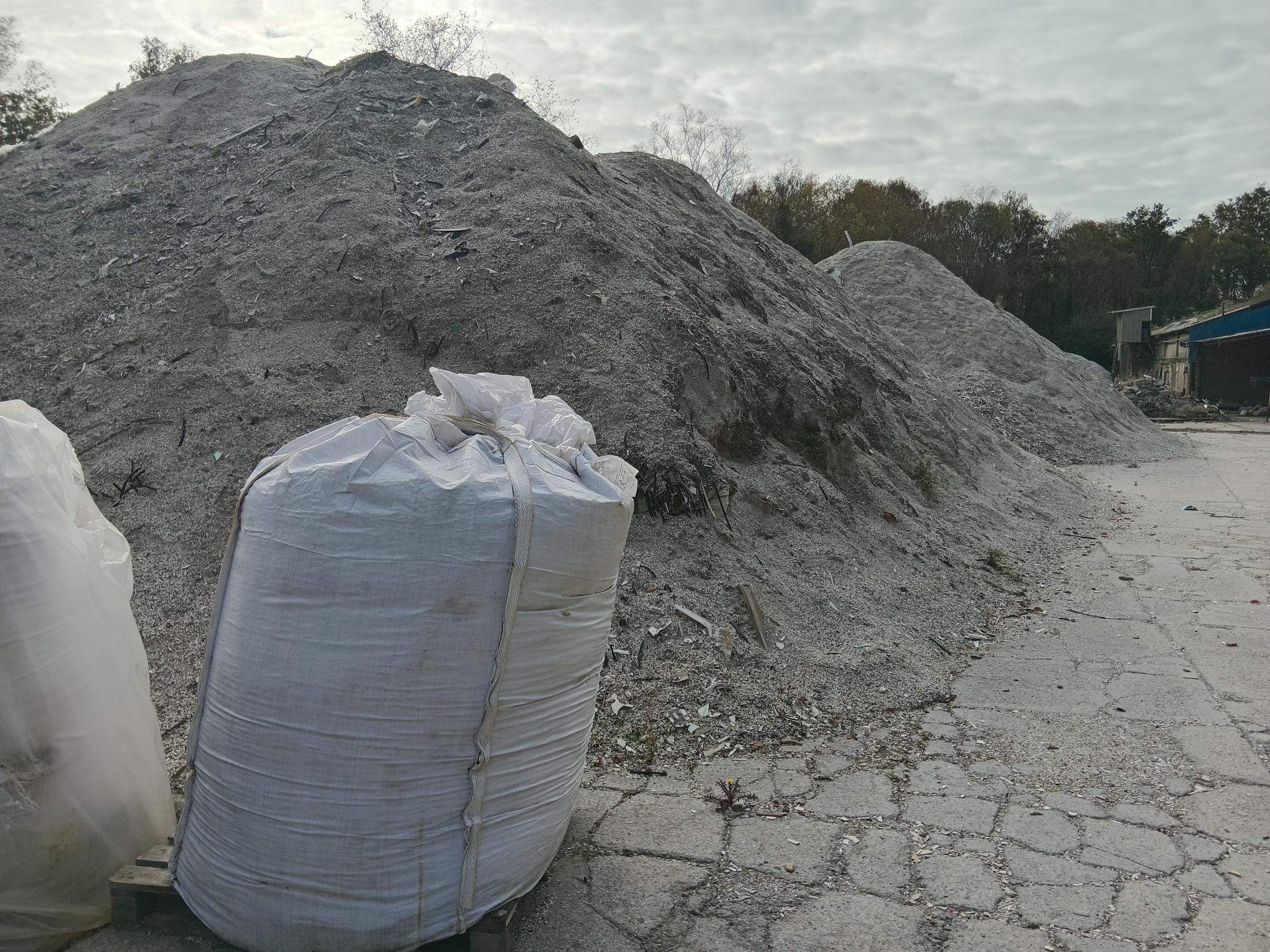
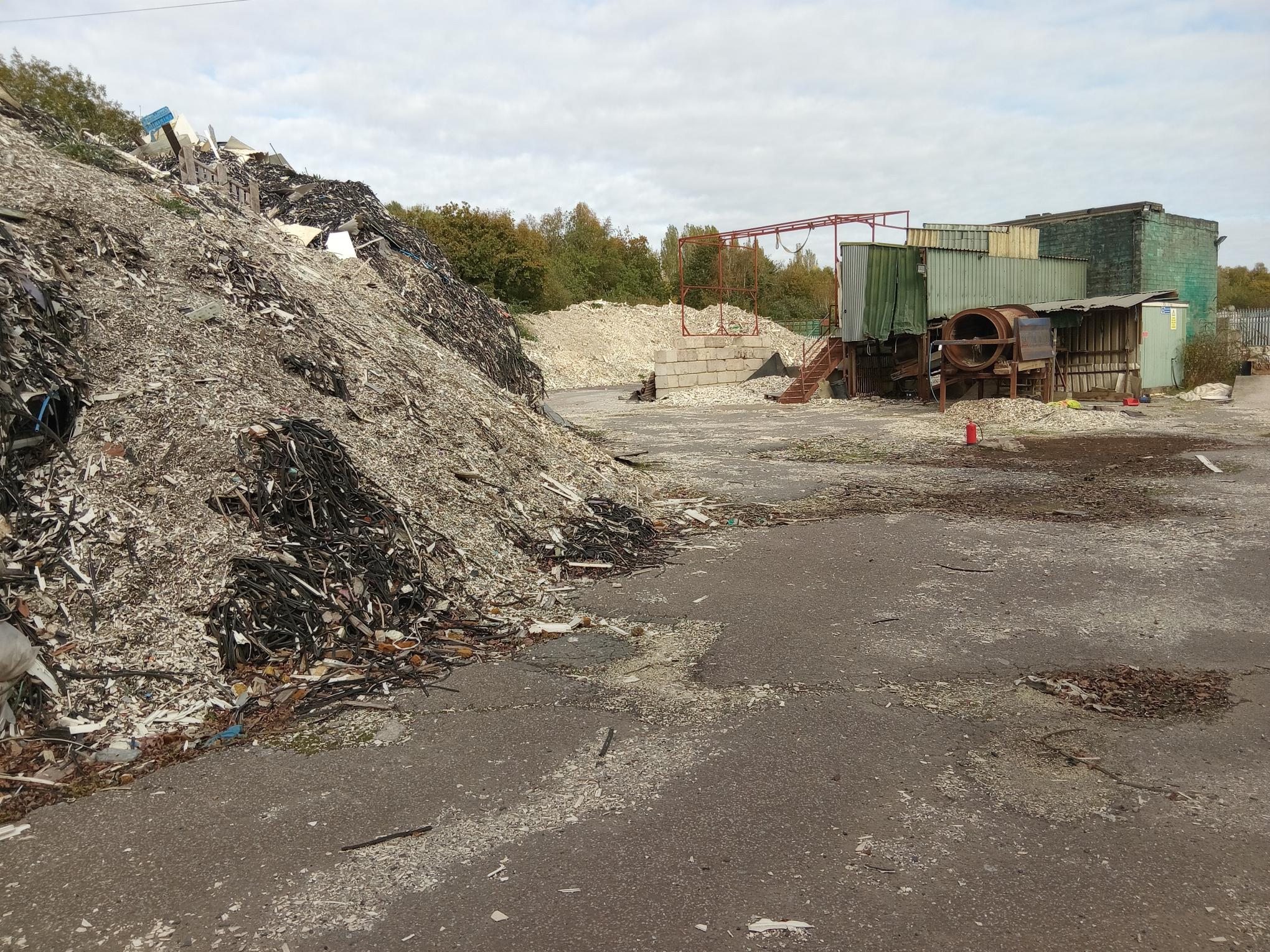
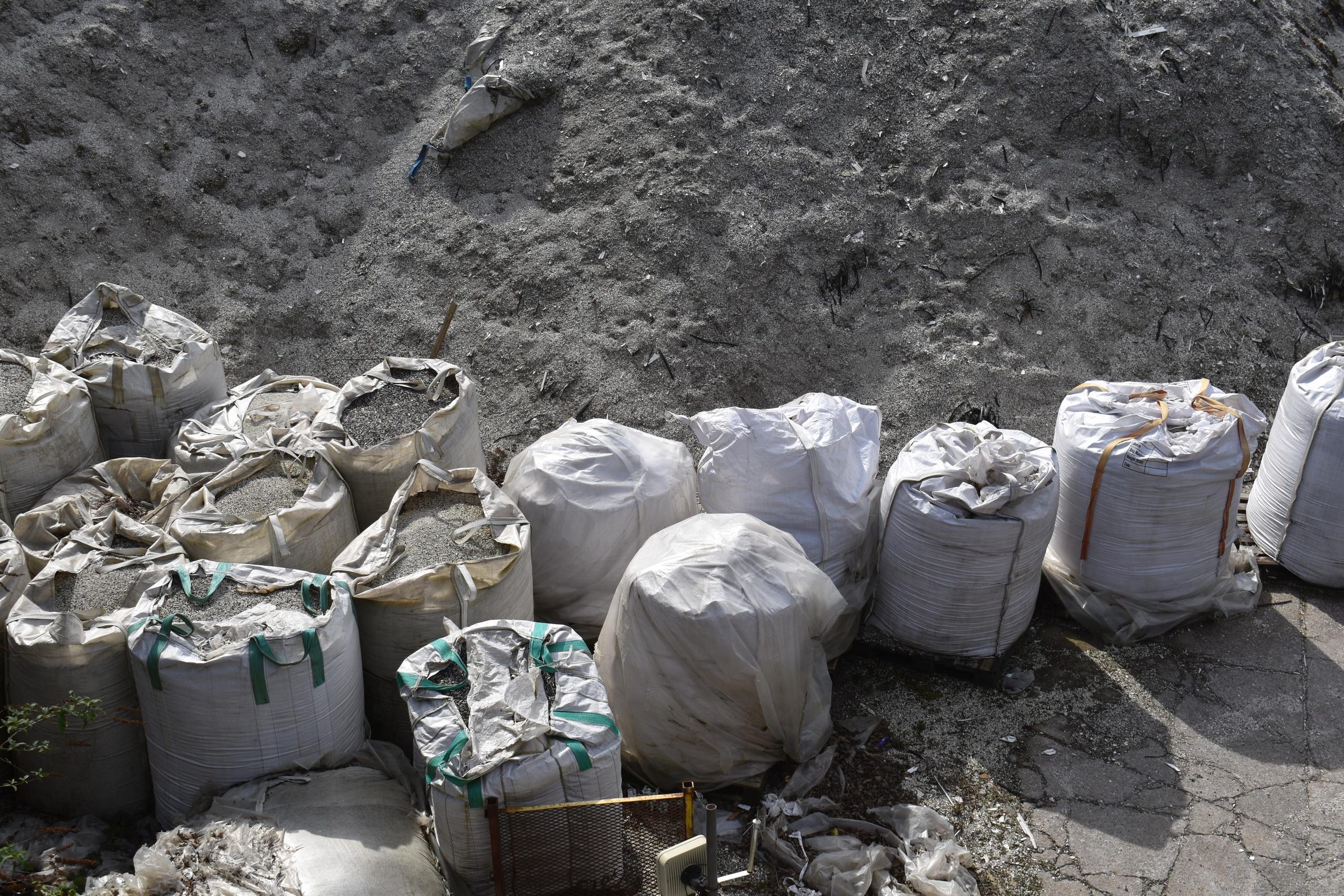
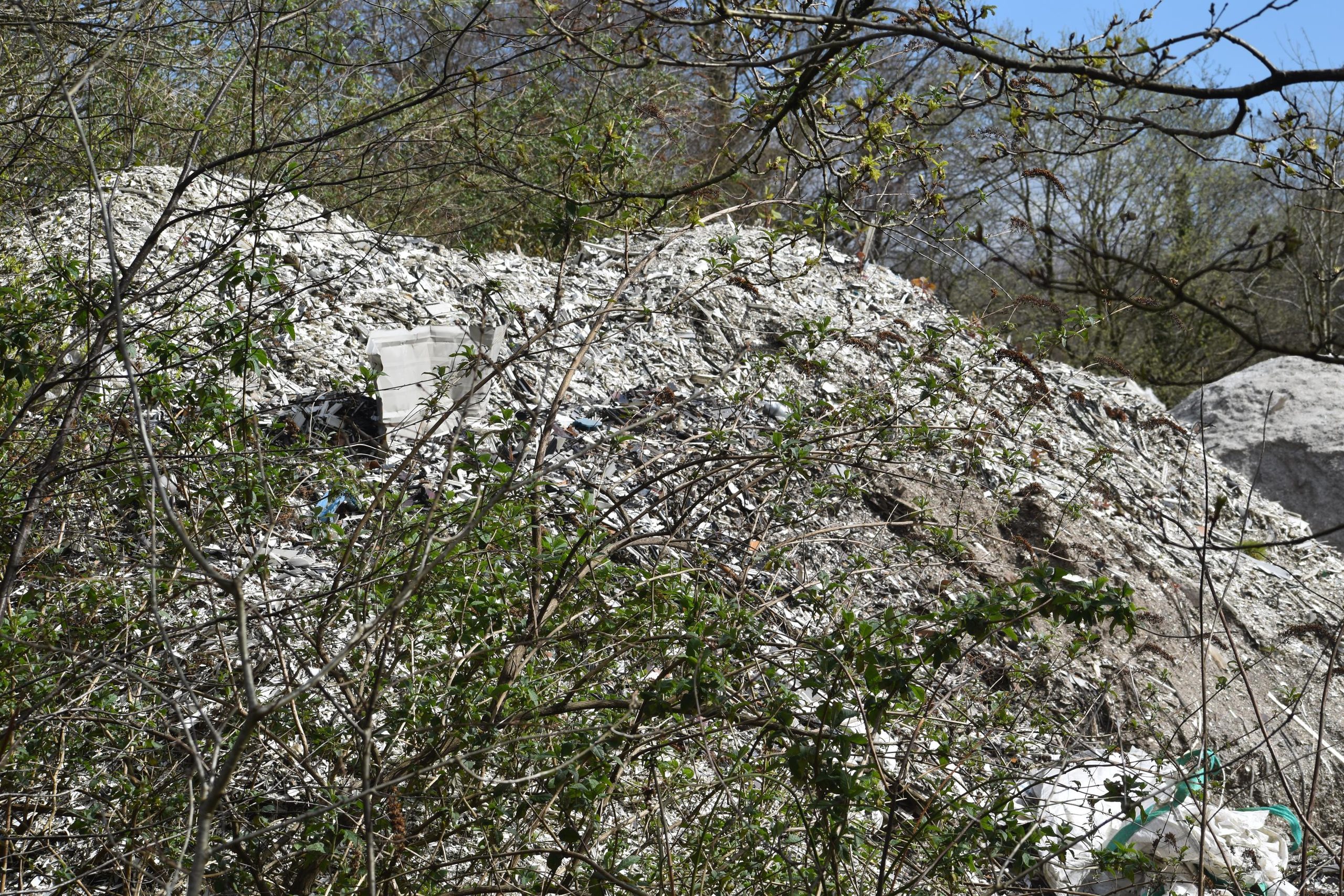
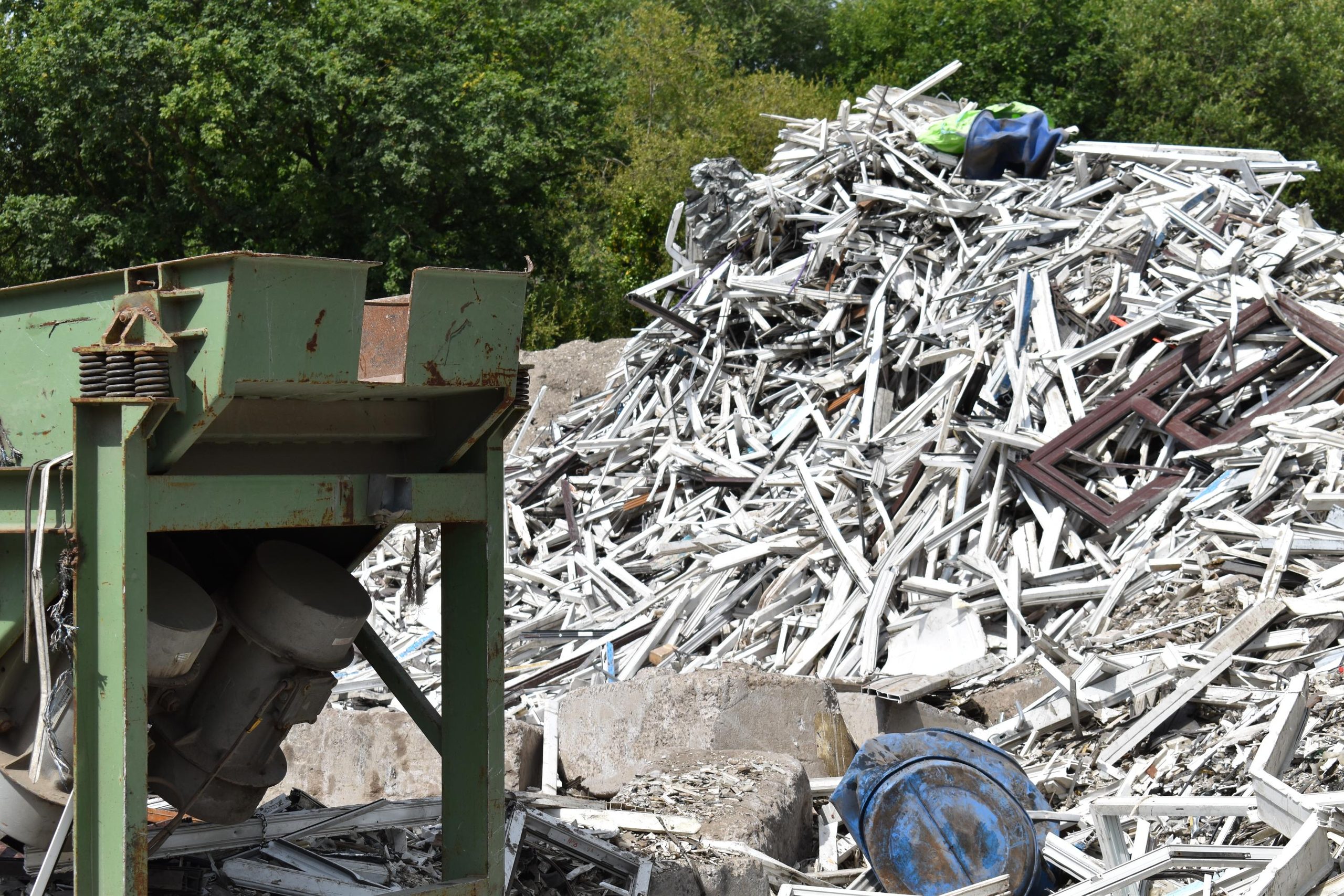
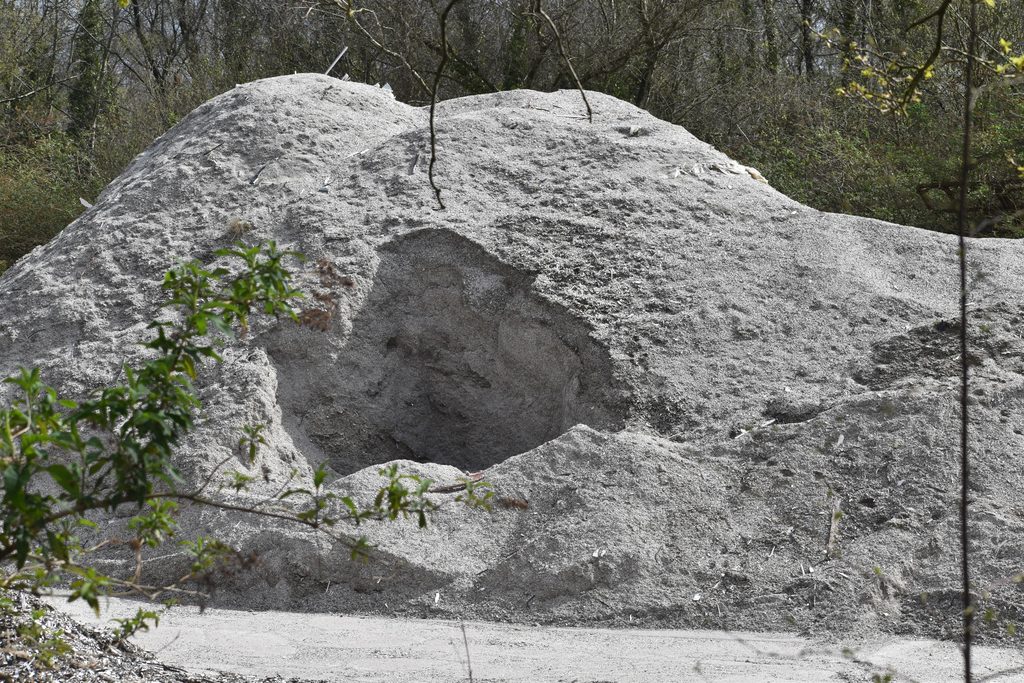
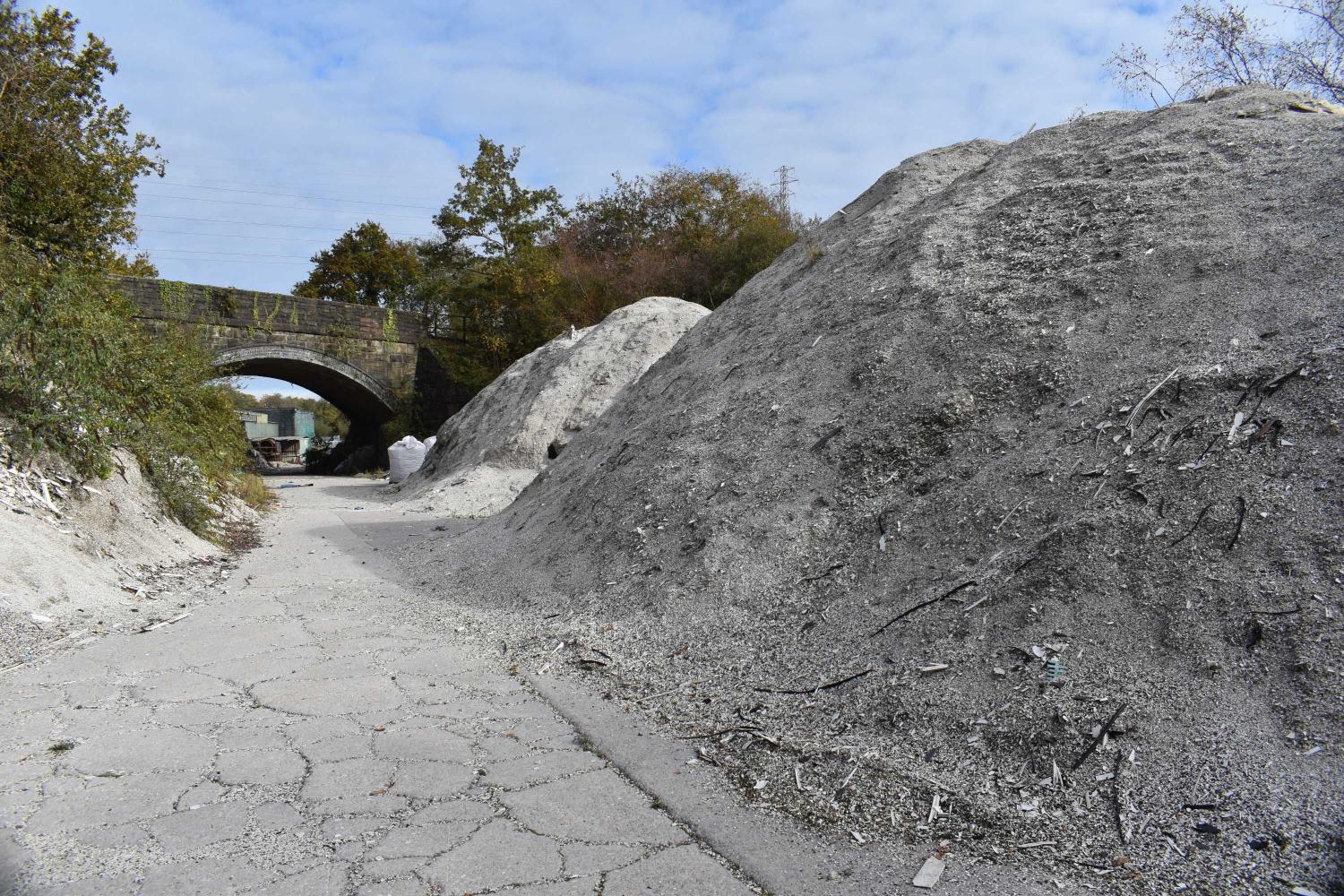
While uPVC is chemically stable and entirely non-toxic when intact as a finished window frame, mechanical crushing drastically alters its safety profile. uPVC windows and doors ground down into dust and left in large exposed piles are highly toxic and hazardous to local plants and wildlife, even when completely excluding the risk of fire.
Transforming the solid plastic into a fine, powdery dust increases its surface area exponentially. When these massive piles are left uncovered in the open air, they become an immediate ecological hazard due to chemical leaching, microplastic migration, and the physical degradation of the surrounding habitat.
The primary chemical threat stems from older uPVC manufactured prior to the mid-2000s, which frequently relied on heavy metals like lead or cadmium as stabilizers to protect the material from weathering.
When rain falls on a massive pile of uncontained dust, it filters through the particles and readily leaches these toxic metals directly into the nearby soil and groundwater tables. Because lead and cadmium are potent neurotoxins and carcinogens, they pose a severe threat to local wildlife.
Plants absorb these contaminants through their roots, allowing the heavy metals to bioaccumulate up the local food chain as insects, birds, and small mammals ingest the contaminated flora and pass the toxins on to apex predators.
STTC have recently reported a incident, which we believe is connected to the abandoned Fenestration Recycling plant, to the Tennant Canal owners. Pollution Incident on the Tennant Canal
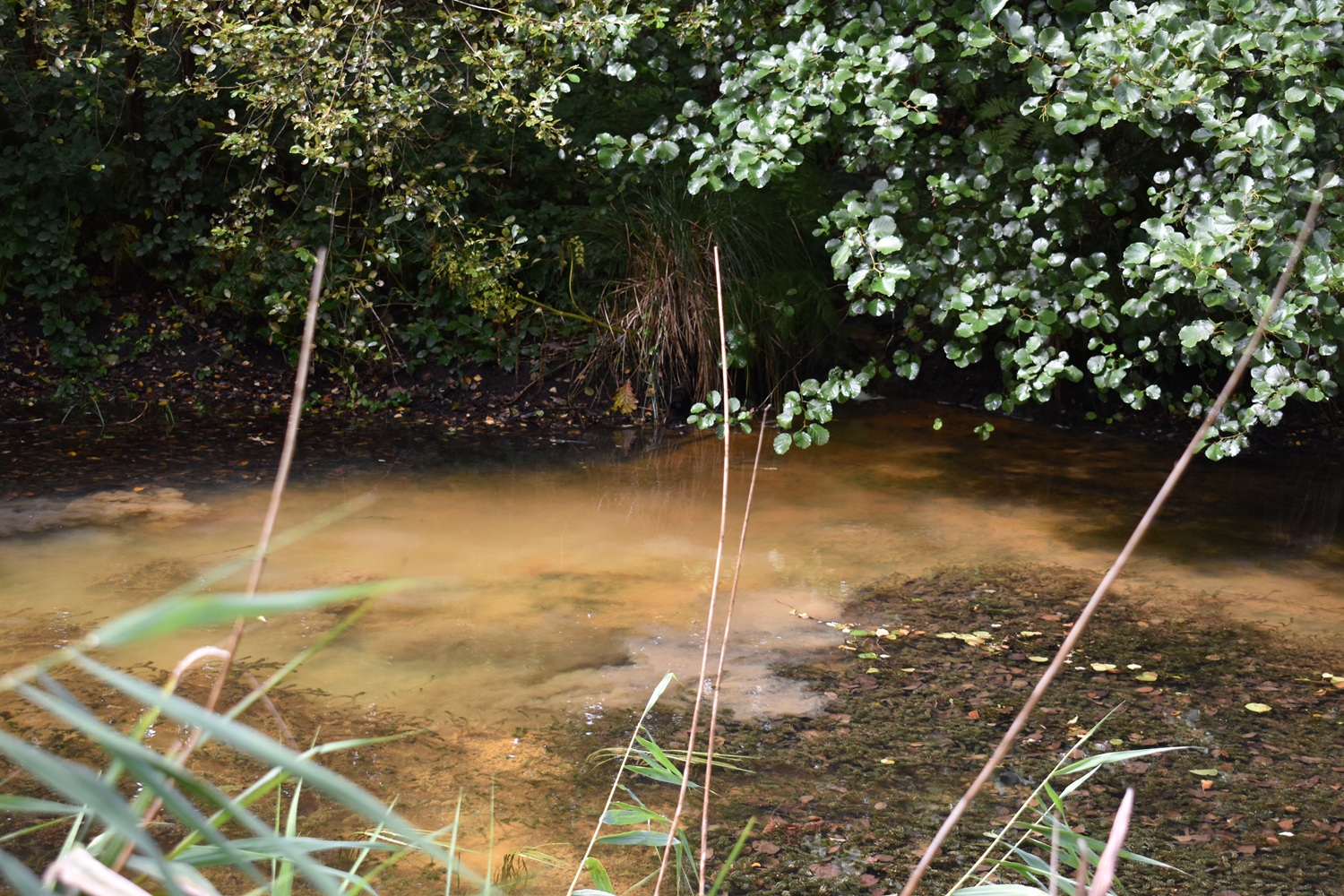
Simultaneously, the physical properties of the dust create a widespread microplastic and nano-plastic crisis for the local ecosystem. Wind and surface runoff easily scatter the lightweight plastic dust across vast distances, contaminating nearby woodlands, fields, and waterways.
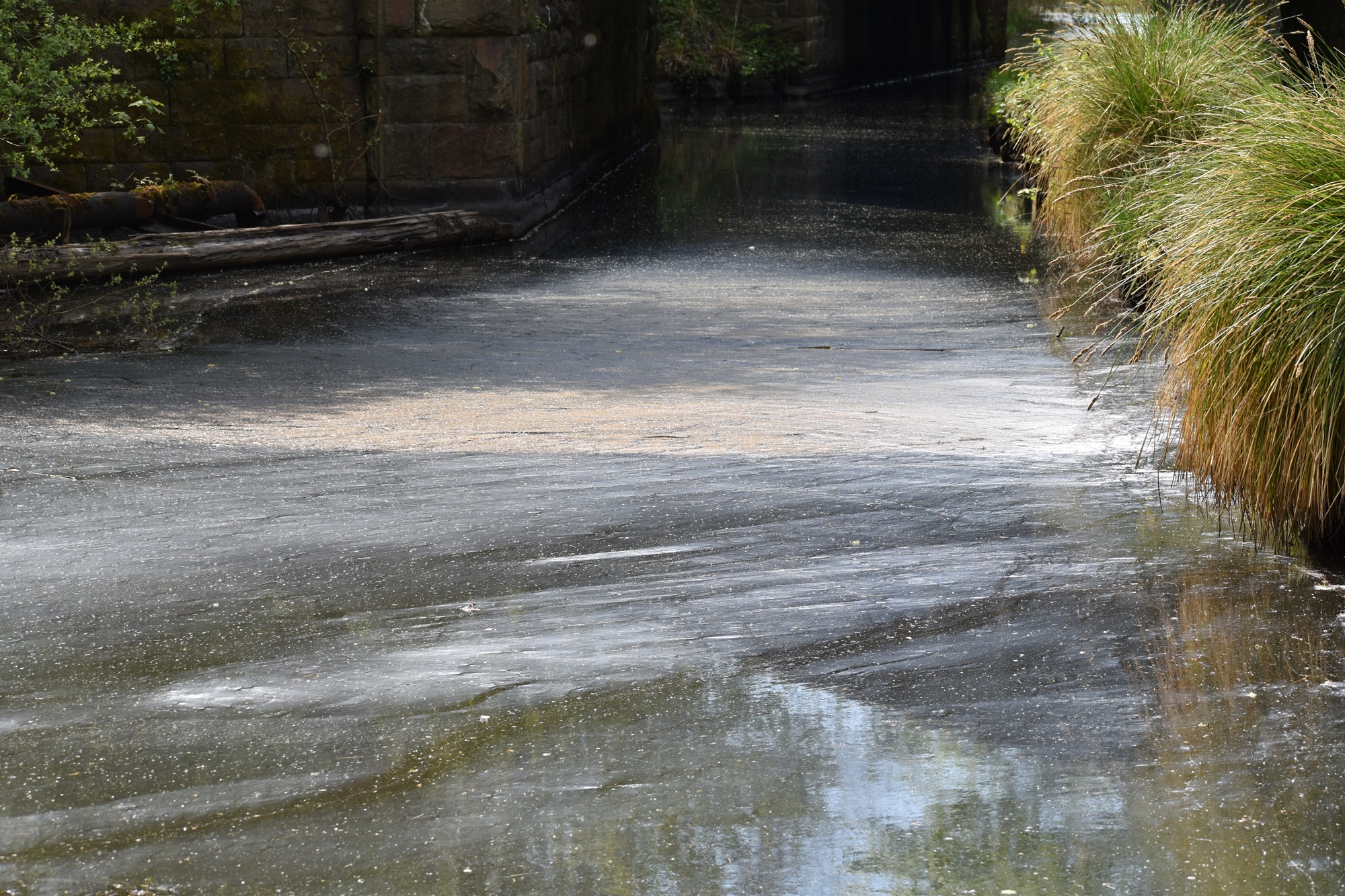
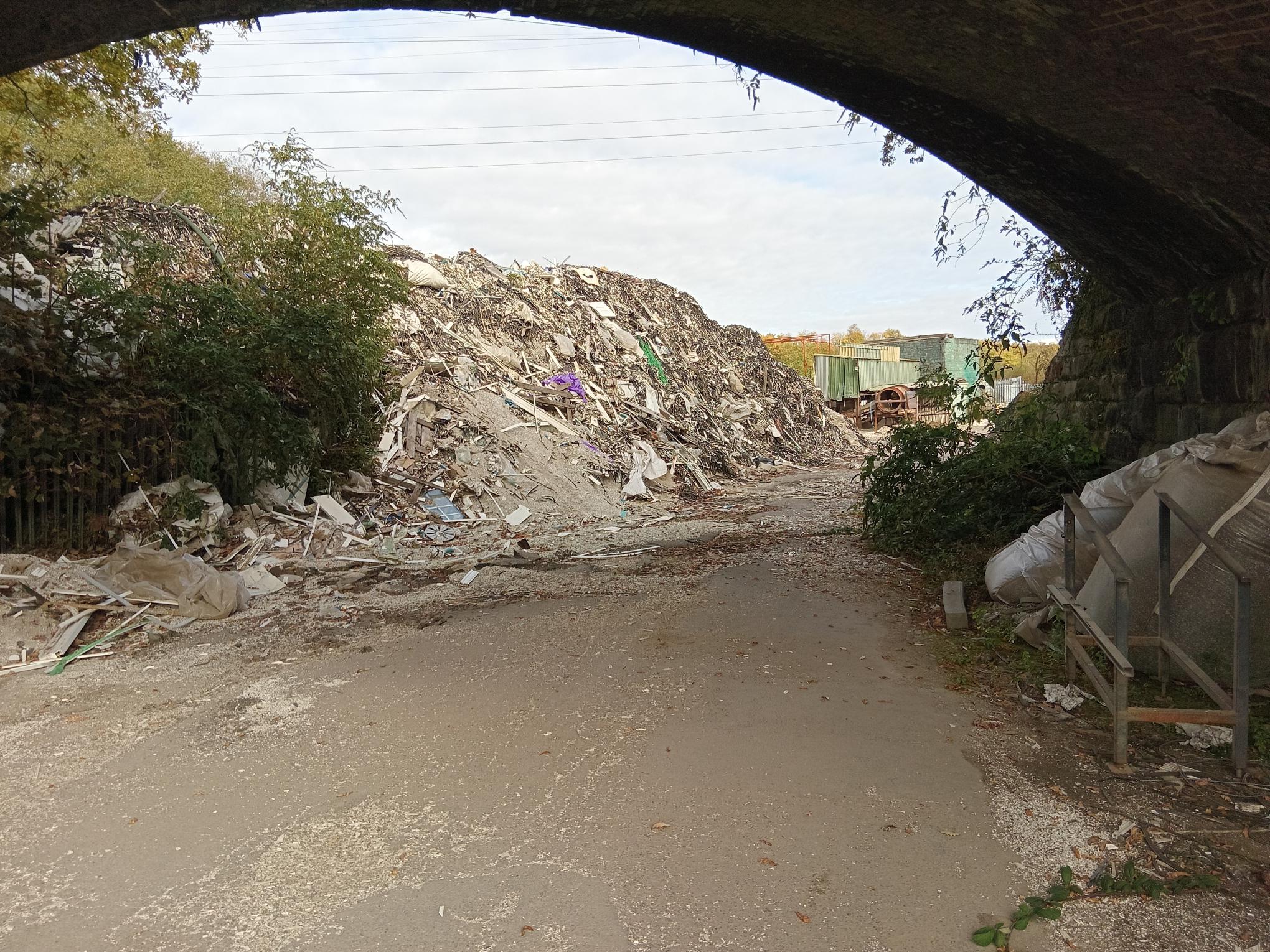
The risk to towpath users is obvious, with unsecured waste, airborne uPVC dust, and unrestricted access creating clear hazards for anyone passing the site.
Local wildlife, birds, and amphibians frequently mistake these tiny, vibrant particles for food or ingest them unintentionally while foraging. Once consumed, the plastic fragments cause severe internal lacerations, physical blockages in the digestive tract, malnutrition, and eventual starvation.
Furthermore, the harsh chemical environment inside an animal’s stomach can accelerate the release of hidden plastic additives, exposing the organism to direct internal chemical poisoning.
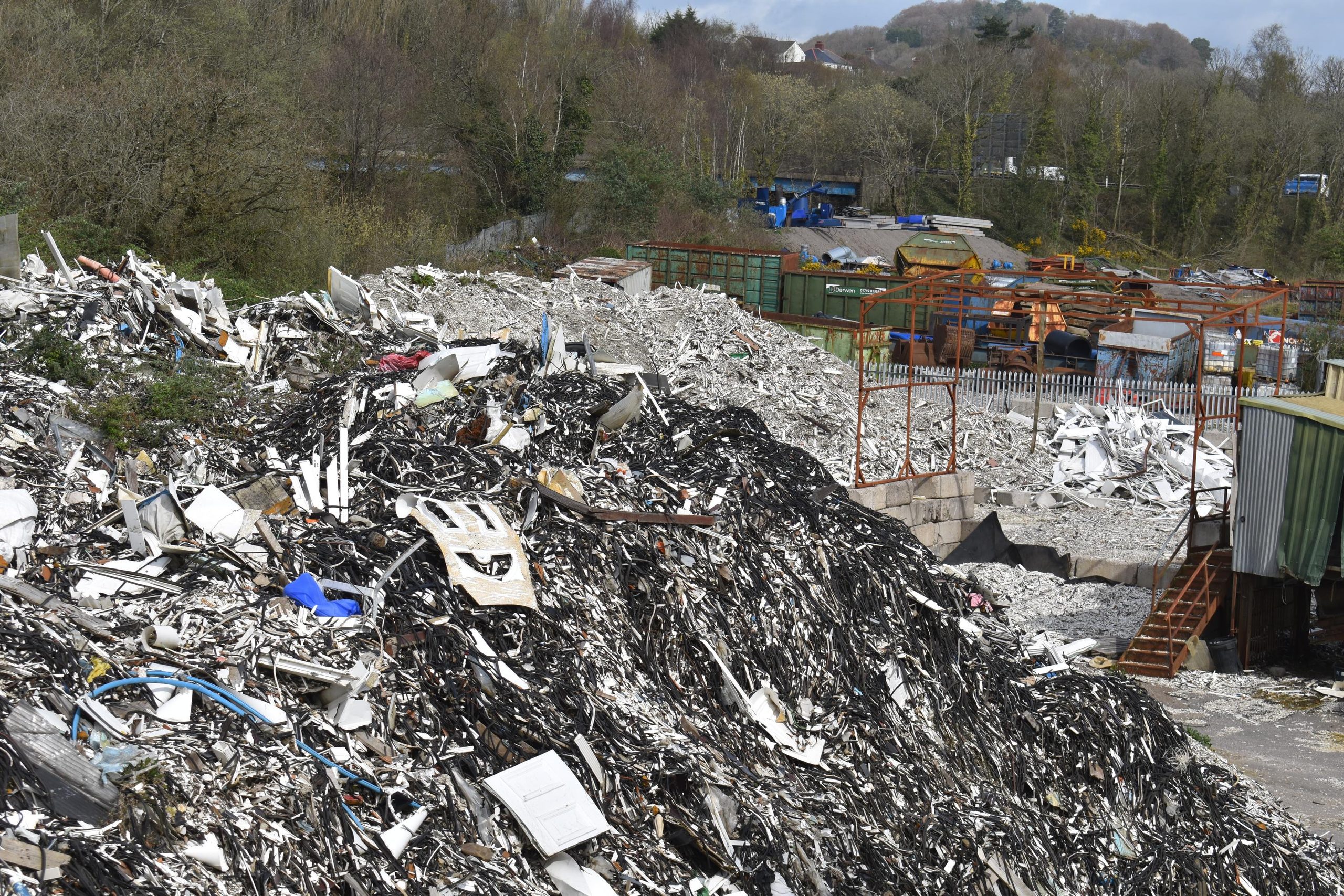
Finally, the accumulation of this heavy dust aggressively compromises plant life and long-term soil health. When windblown dust settles over an area, it forms a thick, dense layer that physically smothers existing vegetation, blocks essential sunlight required for photosynthesis, and prevents new seeds from germinating.
As the fine plastic dust integrates into the upper topsoil layer, it completely destroys the natural soil structure. The presence of the synthetic powder ruins the earth’s natural water retention capabilities and fundamentally alters the soil mechanics, wiping out the delicate networks of beneficial earthworms, soil microbes, and fungi that are strictly necessary for healthy plant growth. Because of these severe, multifaceted environmental threats, industrial crushing regulations mandate that uPVC processing must always occur within fully enclosed recycling systems, making large, open-air piles a direct violation of environmental safety laws.

As the fine plastic dust integrates into the upper topsoil layer, it completely destroys the natural soil structure. The presence of the synthetic powder ruins the earth’s natural water retention capabilities and fundamentally alters the soil mechanics, wiping out the delicate networks of beneficial earthworms, soil microbes, and fungi that are strictly necessary for healthy plant growth. Because of these severe, multifaceted environmental threats, industrial crushing regulations mandate that uPVC processing must always occur within fully enclosed recycling systems, making large, open-air piles a direct violation of environmental safety laws.
STTC have written to a number of councillors in the area to request a formal response and to highlight the urgent public‑safety and environmental concerns associated with the abandoned Fenestration Recycling Co Ltd site. We believe the issues raised require immediate attention from all elected representatives responsible for the Tennant Canal corridor and surrounding communities.
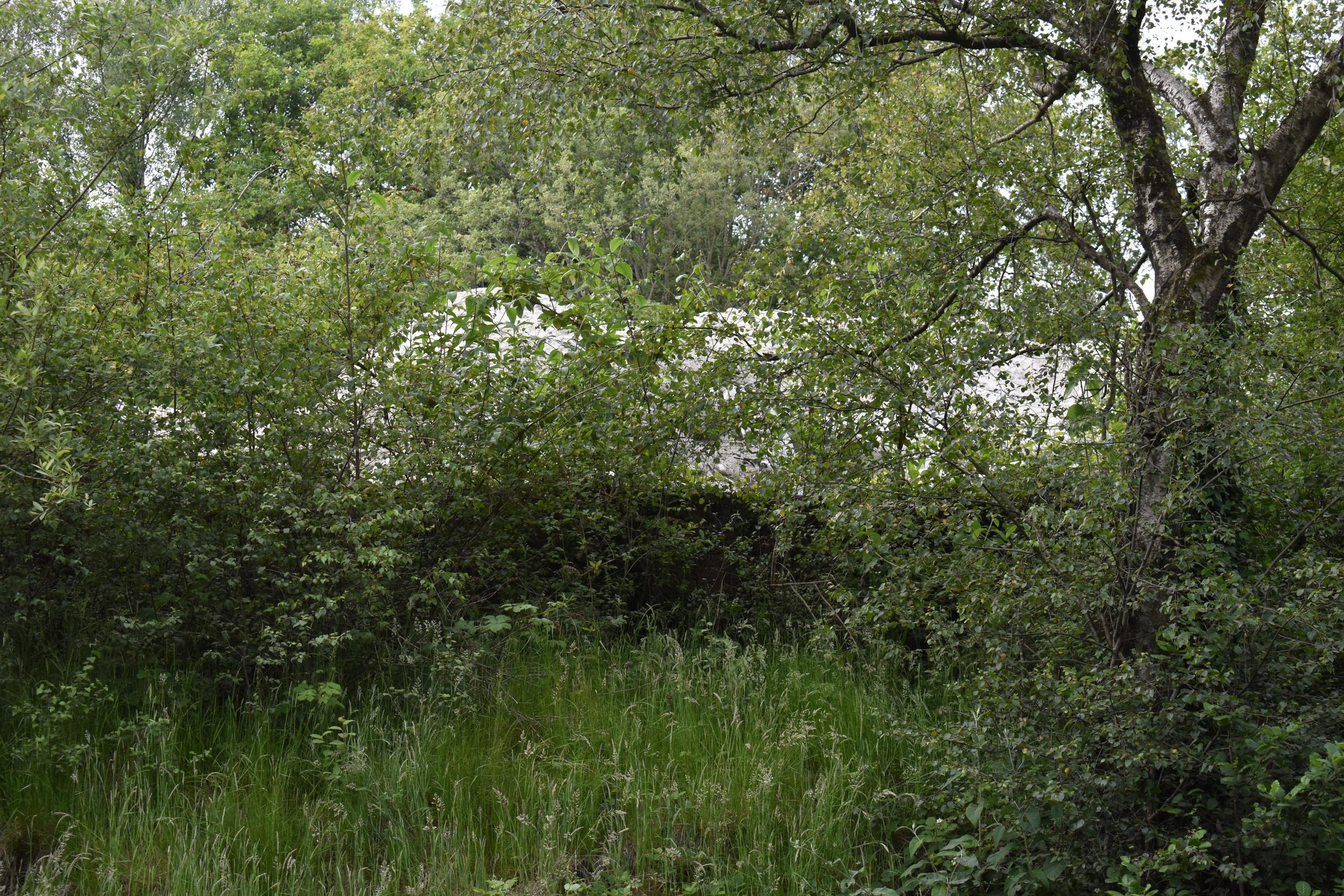
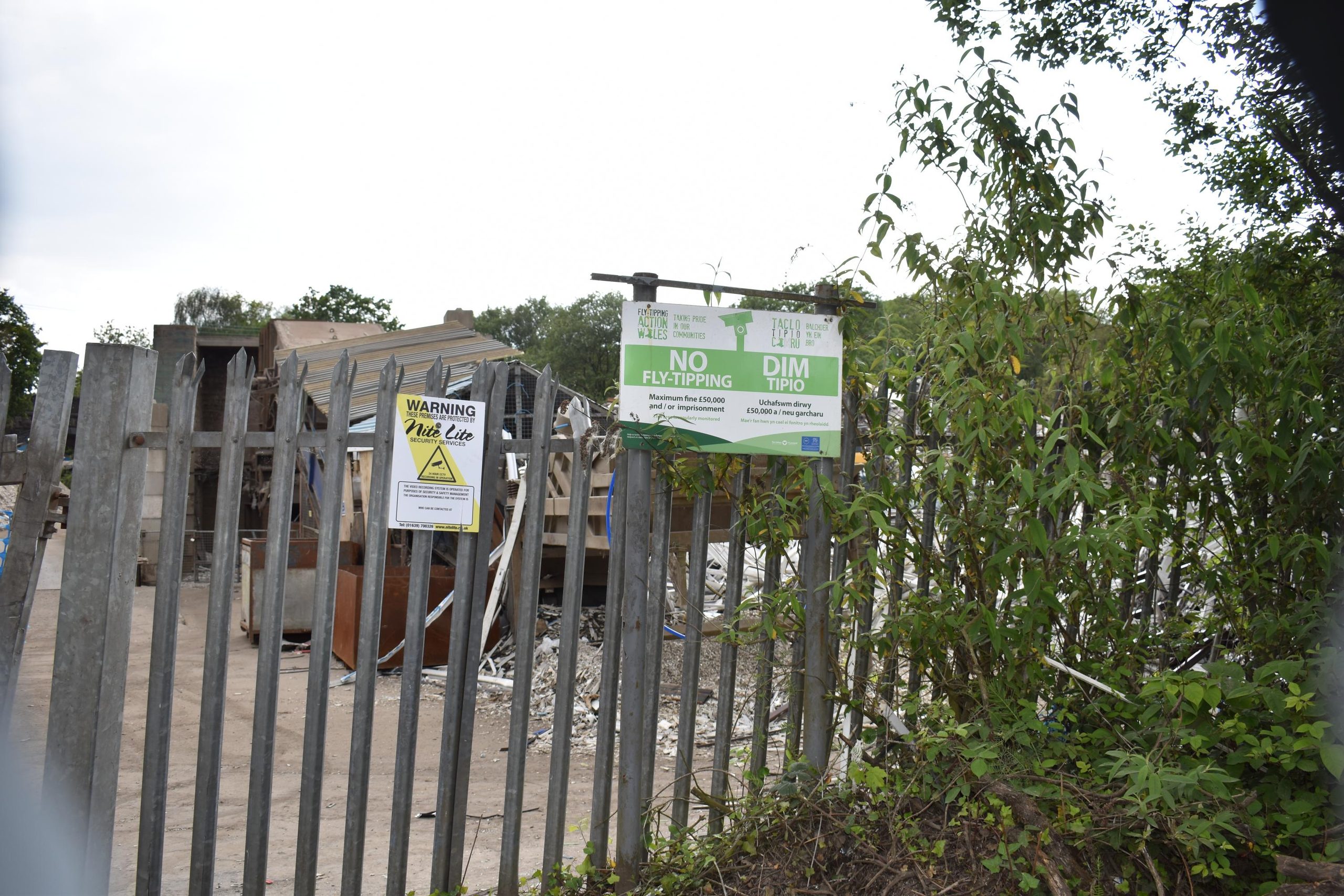
Photographic Evidence of Waste Accumulation at the Fenestration Site.