The Fascinating Story Behind Bendle’s Pond and Its Unfortunate, Preventable End
By STTC
November 01 2026
History
The Crown Copper Works (earlier known as the “Red Works), was erected around 1797 on the right bank of the River Neath and became one of the most significant industrial sites in South Wales during the nineteenth century. The vast quantities of water required by the works led to the creation of a network of two reservoirs. Historical maps dating from 1844 show these man-made reservoirs supplying water to the nearby copper works. The upper reservoir, now known as Bendle’s Pond, was situated on higher ground, while a second, lower reservoir lay further downslope.
By 1824, the newly completed Tennant Canal lay between the reservoirs and the copper works. To overcome this obstacle, water was conveyed across the canal by means of a wooden trough, or aqueduct, before continuing its journey to the works. This ingenious system remained an important part of the area’s industrial infrastructure for many years.
To provide access to the Copper works, a stone bridge was also constructed across the canal. Remarkably, this bridge survives today and continues to serve as the main access route to the Derwen Group site. Sadly, this historic stone bridge, which has stood since the early days of the Crown Copper Works and the Tennant Canal in 1824, is being damaged on an almost daily basis. Despite its importance as a surviving link to the area’s industrial past, continued deterioration threatens the long-term future of this historic structure.
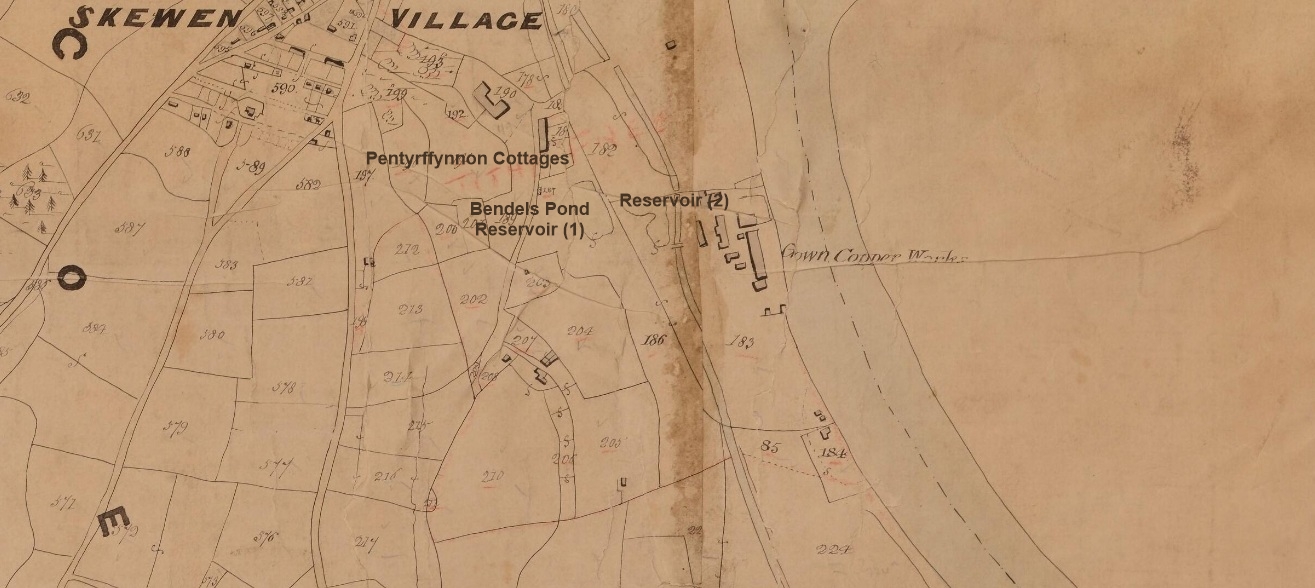
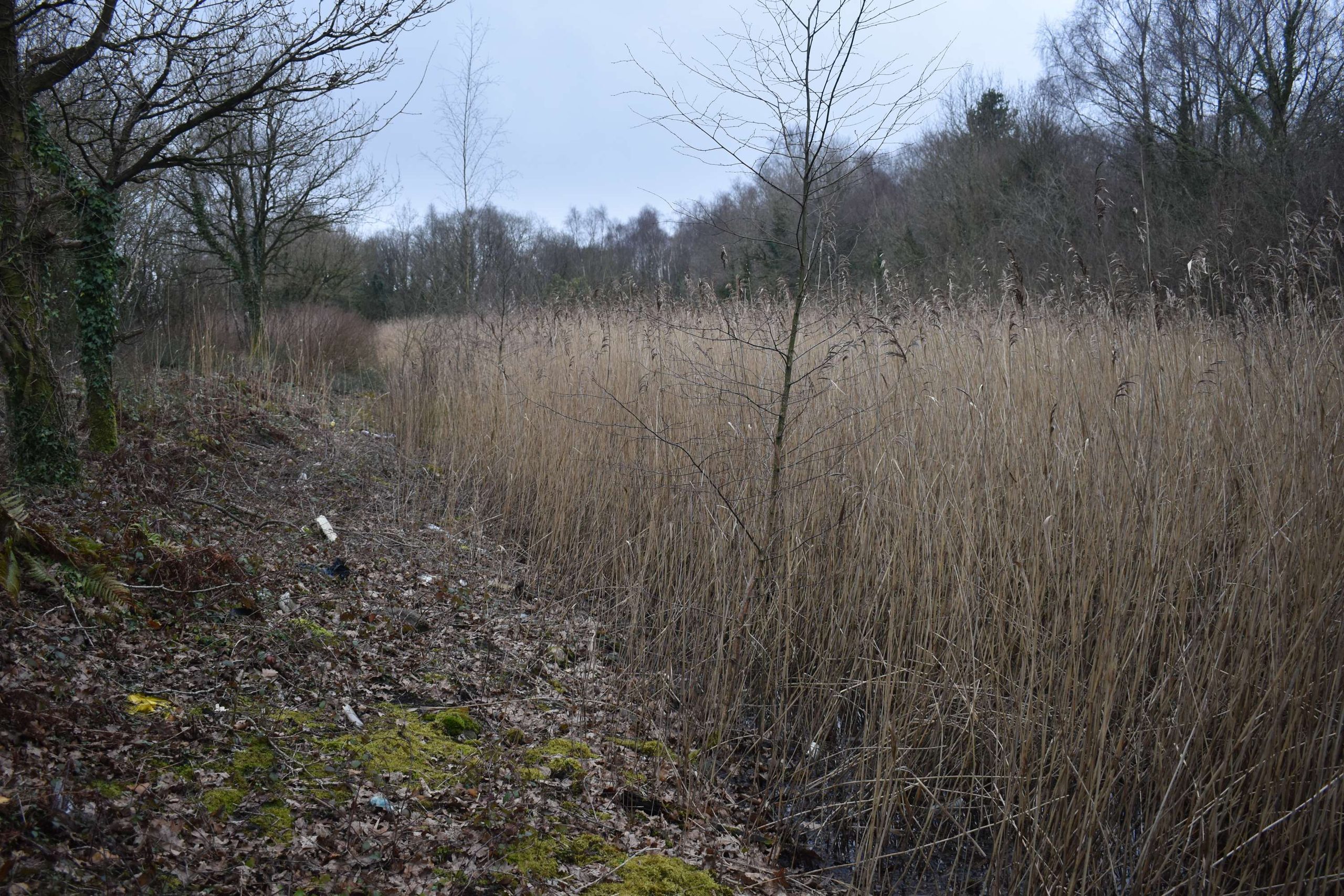
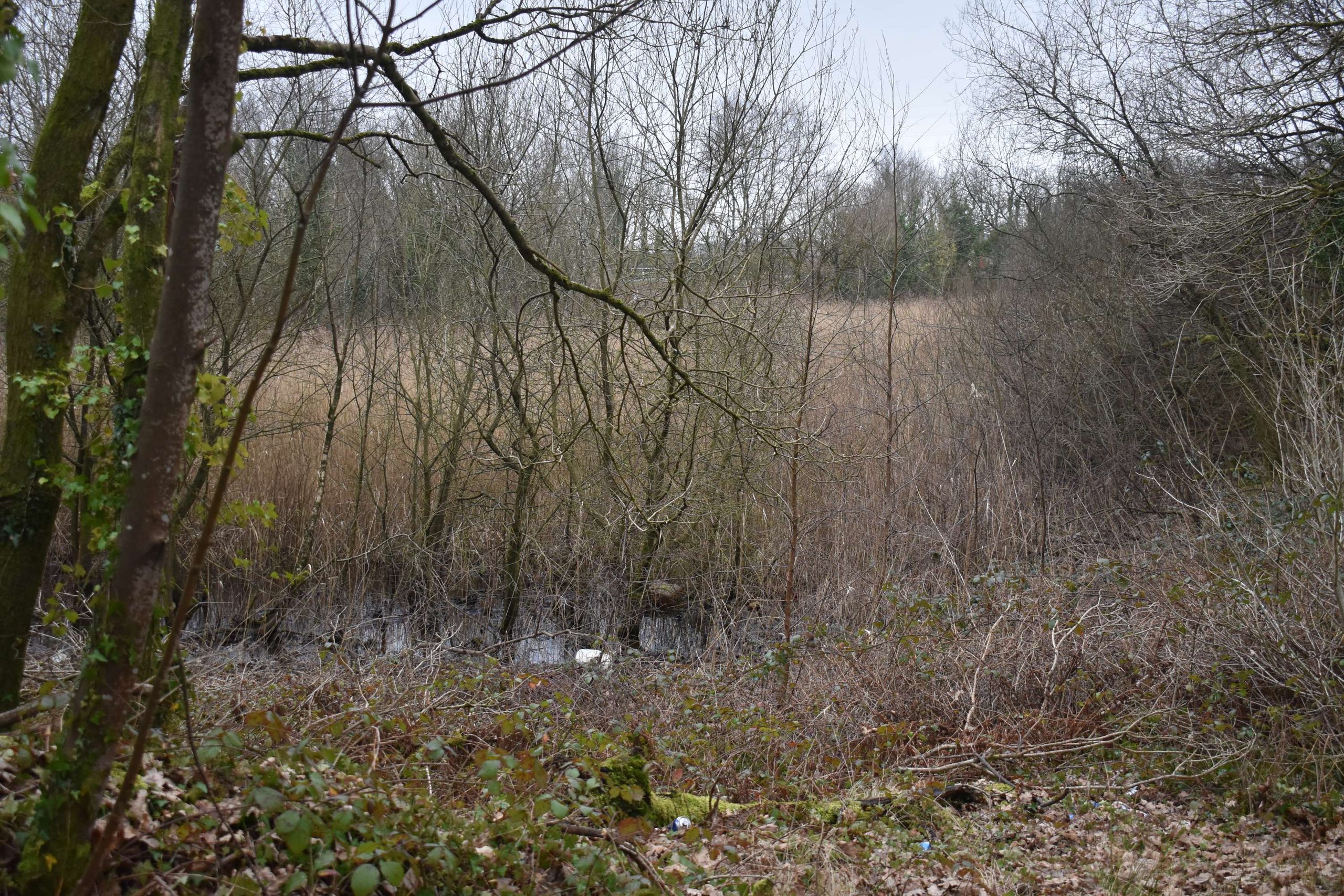
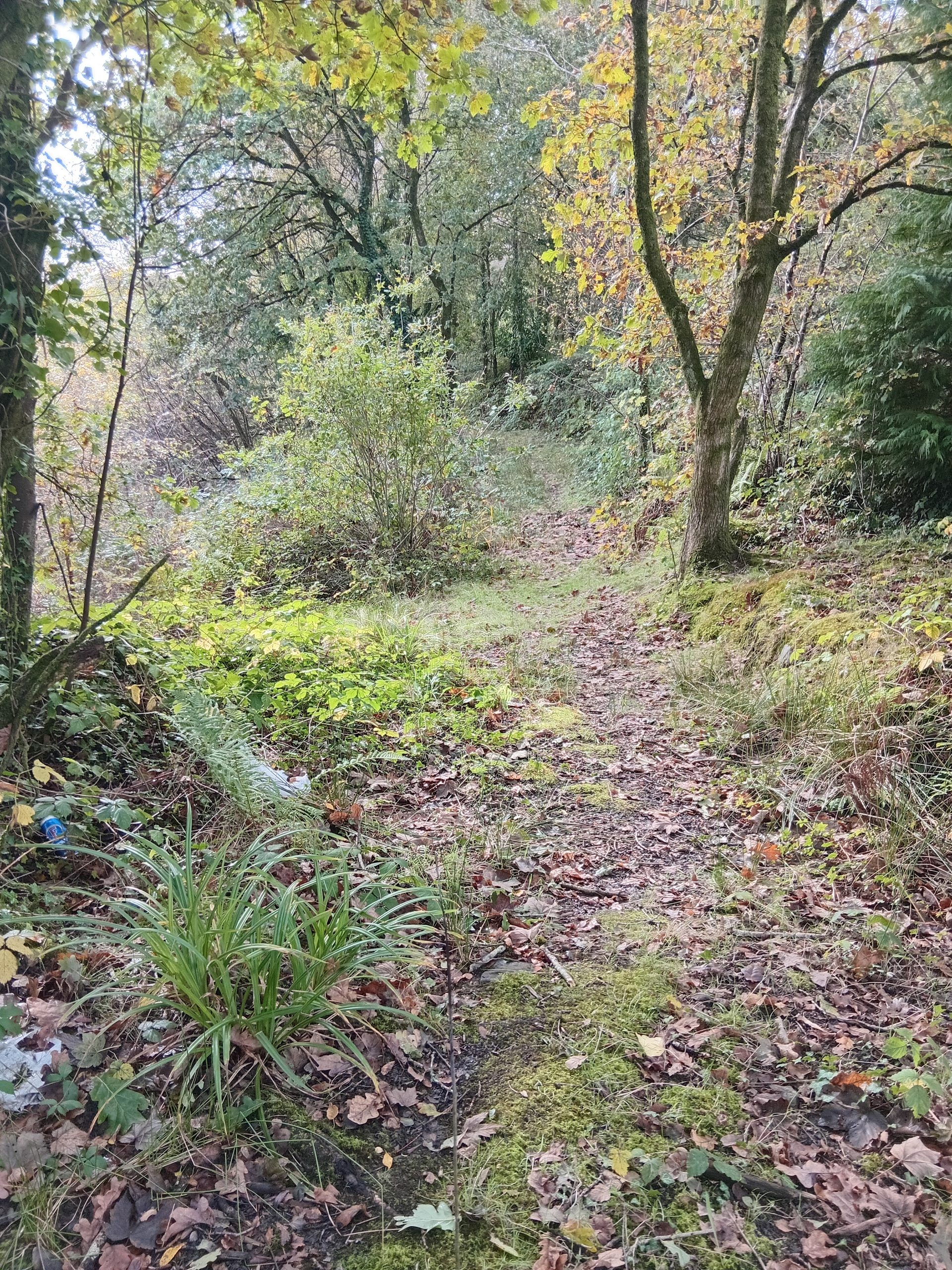
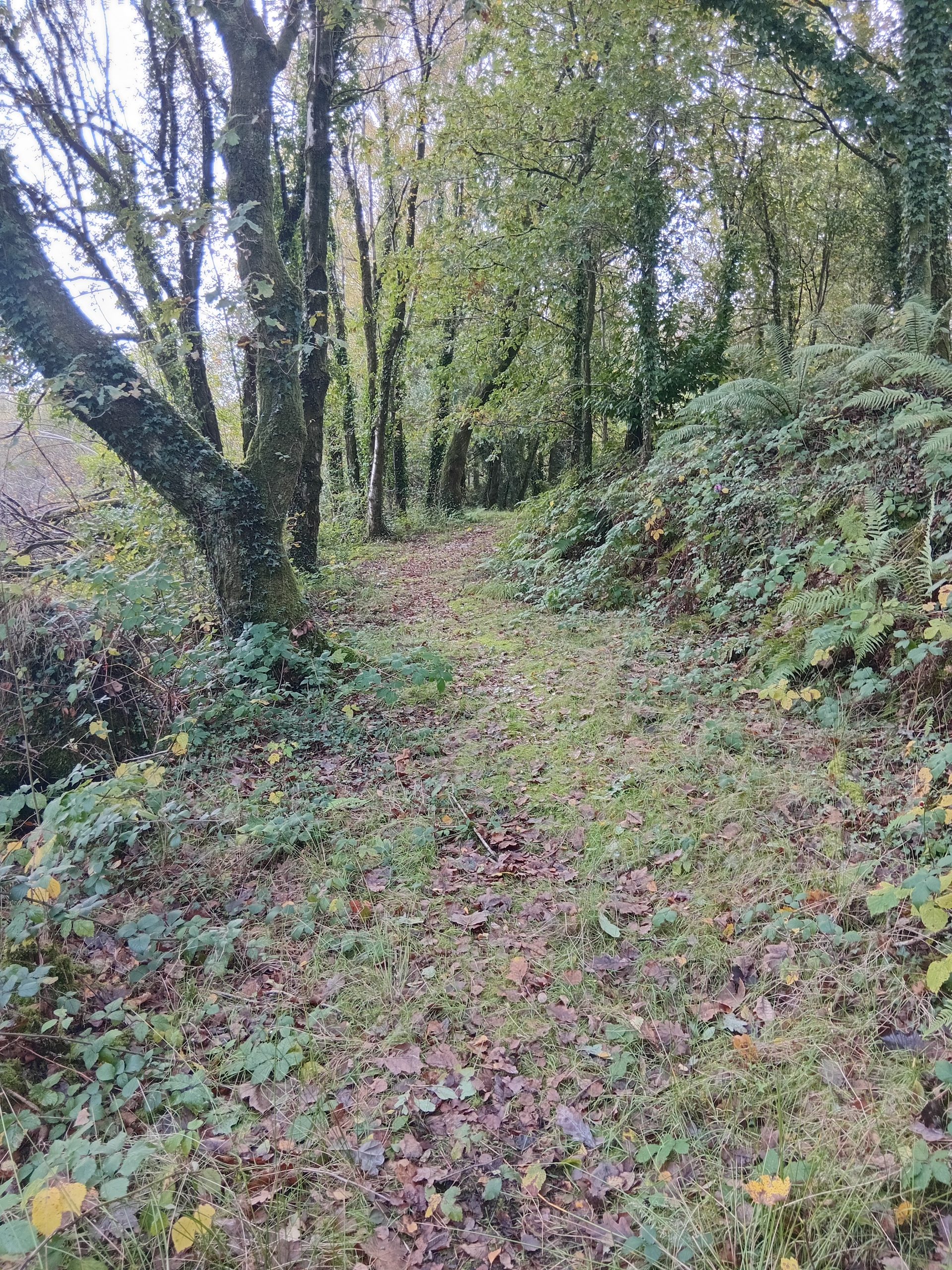
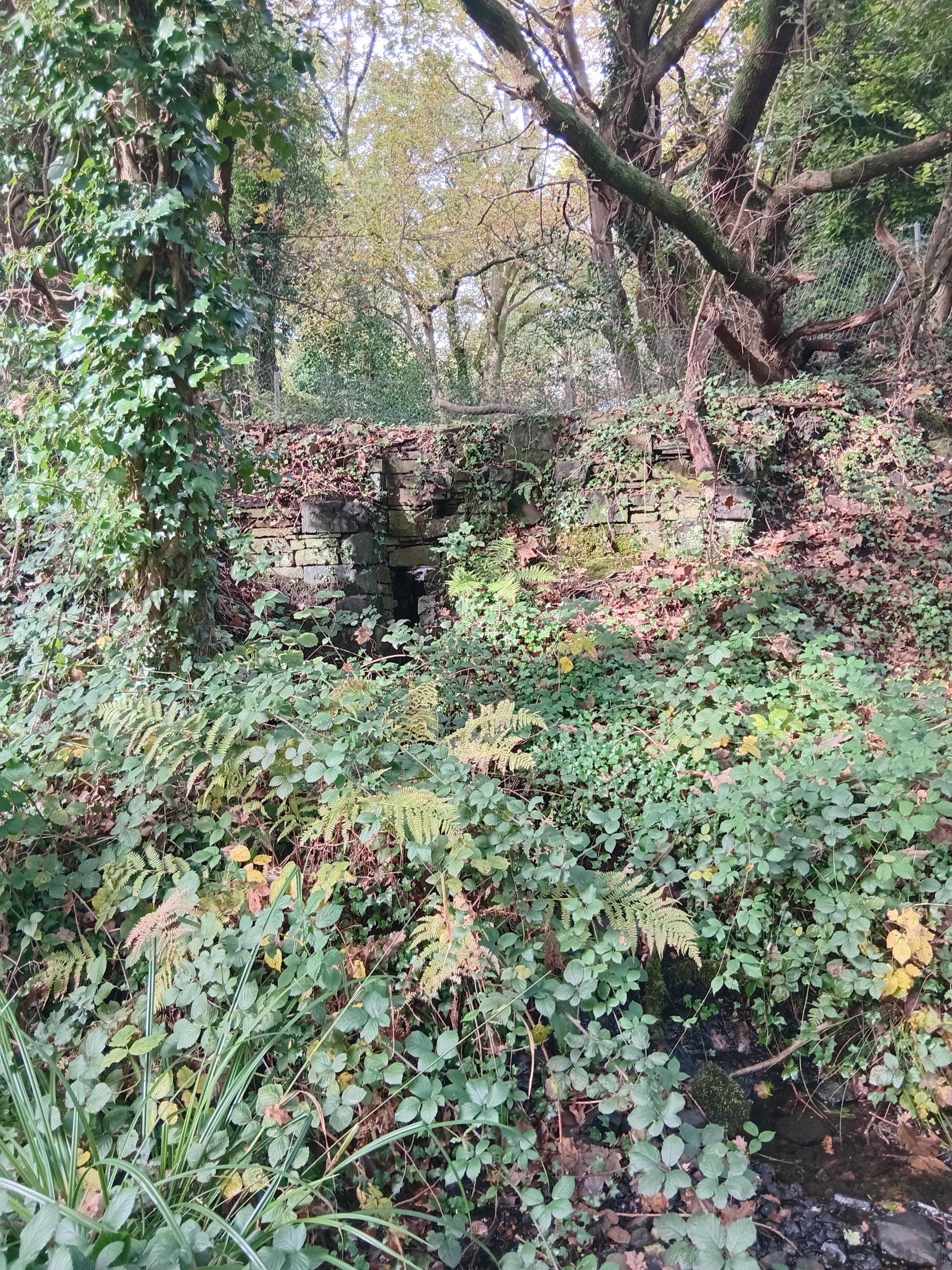
The lower reservoir has long since disappeared, but the upper reservoir, known locally as Bendle’s Pond, remained a familiar feature of the landscape well into modern times. While the water has now gone and the site has become overgrown, the former pond basin survives as an important reminder of the area’s industrial heritage and its historic connections to the Crown Copper Works and the Tennant Canal.
The Name ‘Bendle’
Records from the Skewen area suggest that a number of Bendle families were well established locally, making it quite possible that the pond’s name originated from this connection. While no definitive evidence has yet been found, the surname appears regularly in local records and newspaper reports.
For example, a 1919 newspaper account of a welcome-home event for servicemen at Tabernacle Hall, Skewen, lists a T. W. Bendle among those honoured. Further evidence of the family’s local presence comes from records showing that F. H. Bendle and his family lived at Pentreffynnon, only a short distance from the pond itself.

Members of the Bendle family may have fished the pond regularly, been responsible for its maintenance or perhaps held an official position connected with the reservoirs or the water supply system. One local theory suggests that the name Bendle’s Pond originated from a contractor named Bendle, who is said to have been involved in digging the original reservoirs around 1800. However, no documentary evidence has yet been found to support this claim. If true, it could provide a simple explanation for how the reservoir acquired its name and why it continued to be known locally as Bendle’s Pond for generations.
Taken together, these sources suggest that the Bendle family had a long-standing association with the area and may provide the most likely explanation for how Bendle’s Pond acquired its name.
Railway
In around 1862, a railway corridor connection to Swansea Docks via Lower Skewen was constructed. To accommodate what became known as the Coal Line, a deep cutting was excavated between Bendle’s Pond and the nearby homes, dramatically altering the landscape. The railway became an important transport route for coal, metals and other industrial products, linking the Neath Valley’s thriving industries with the docks for export around the world.
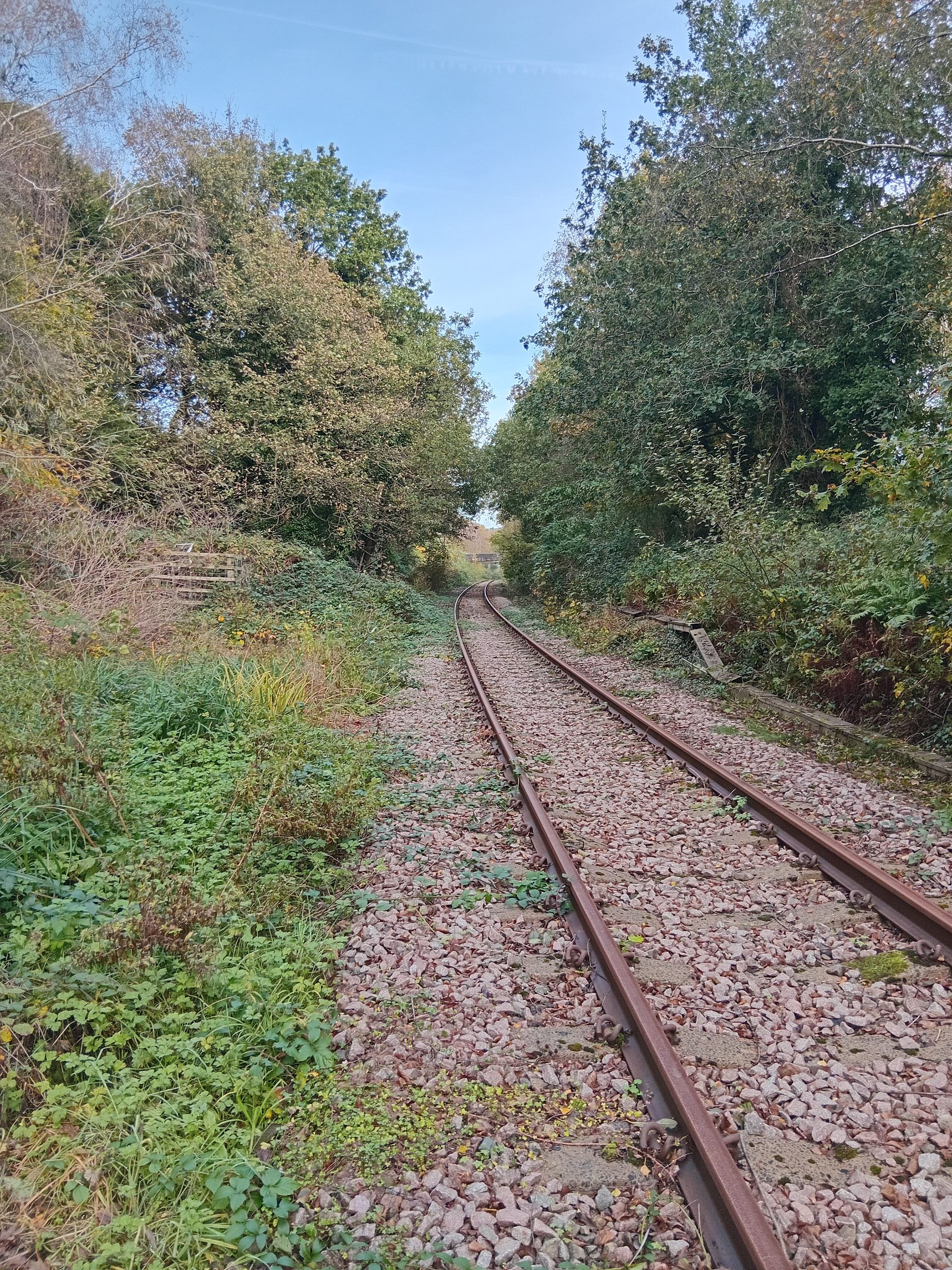
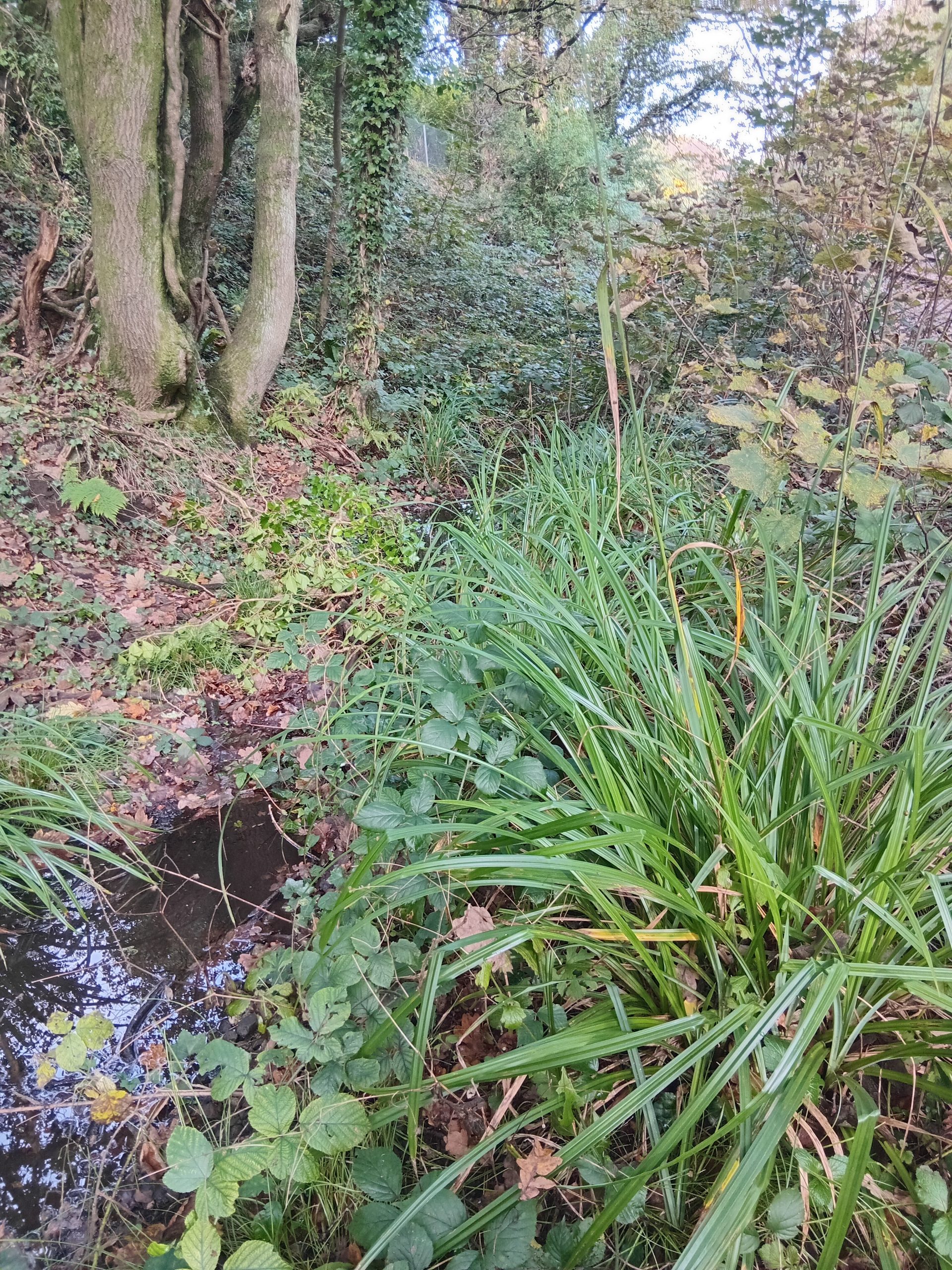
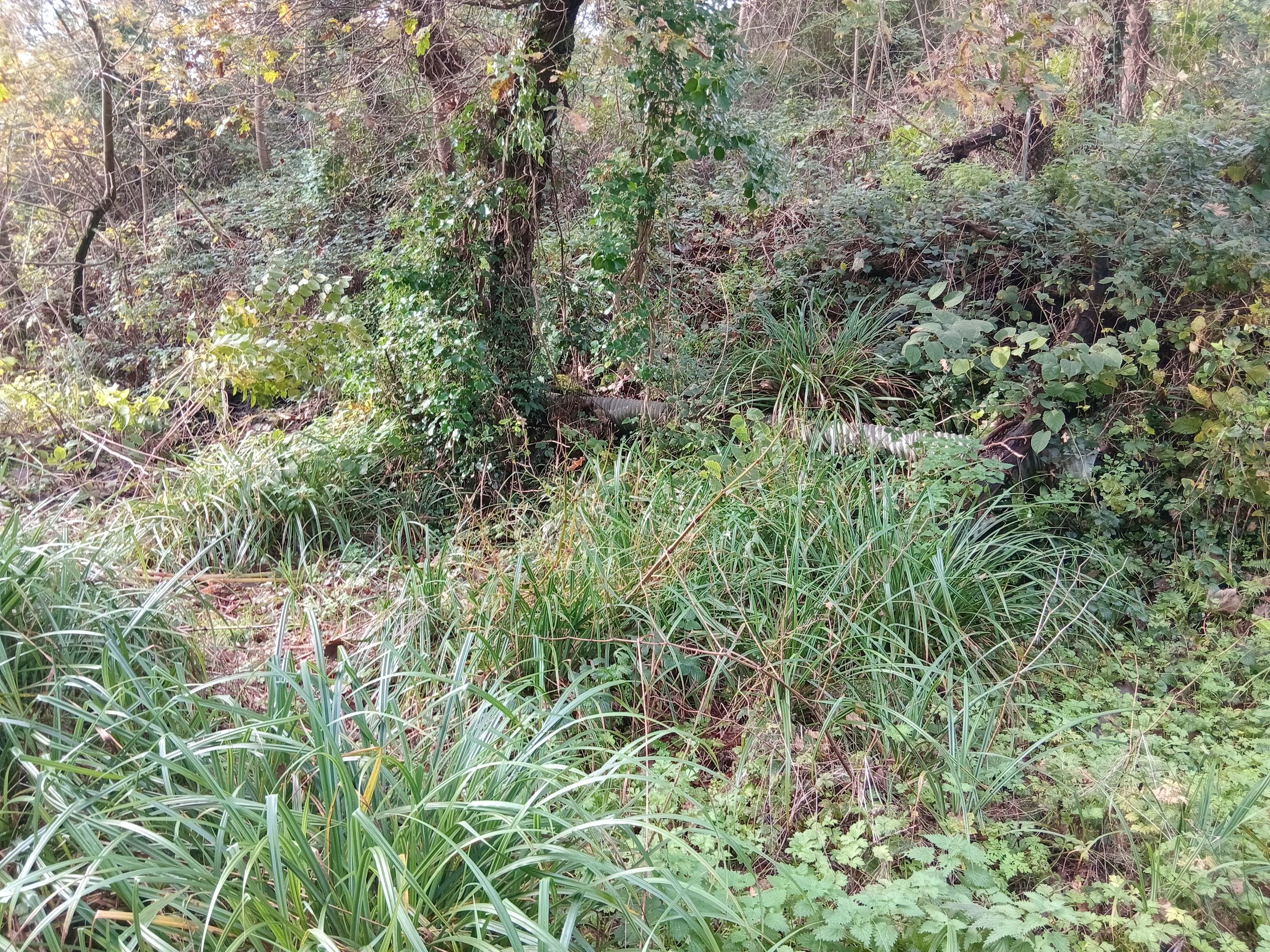
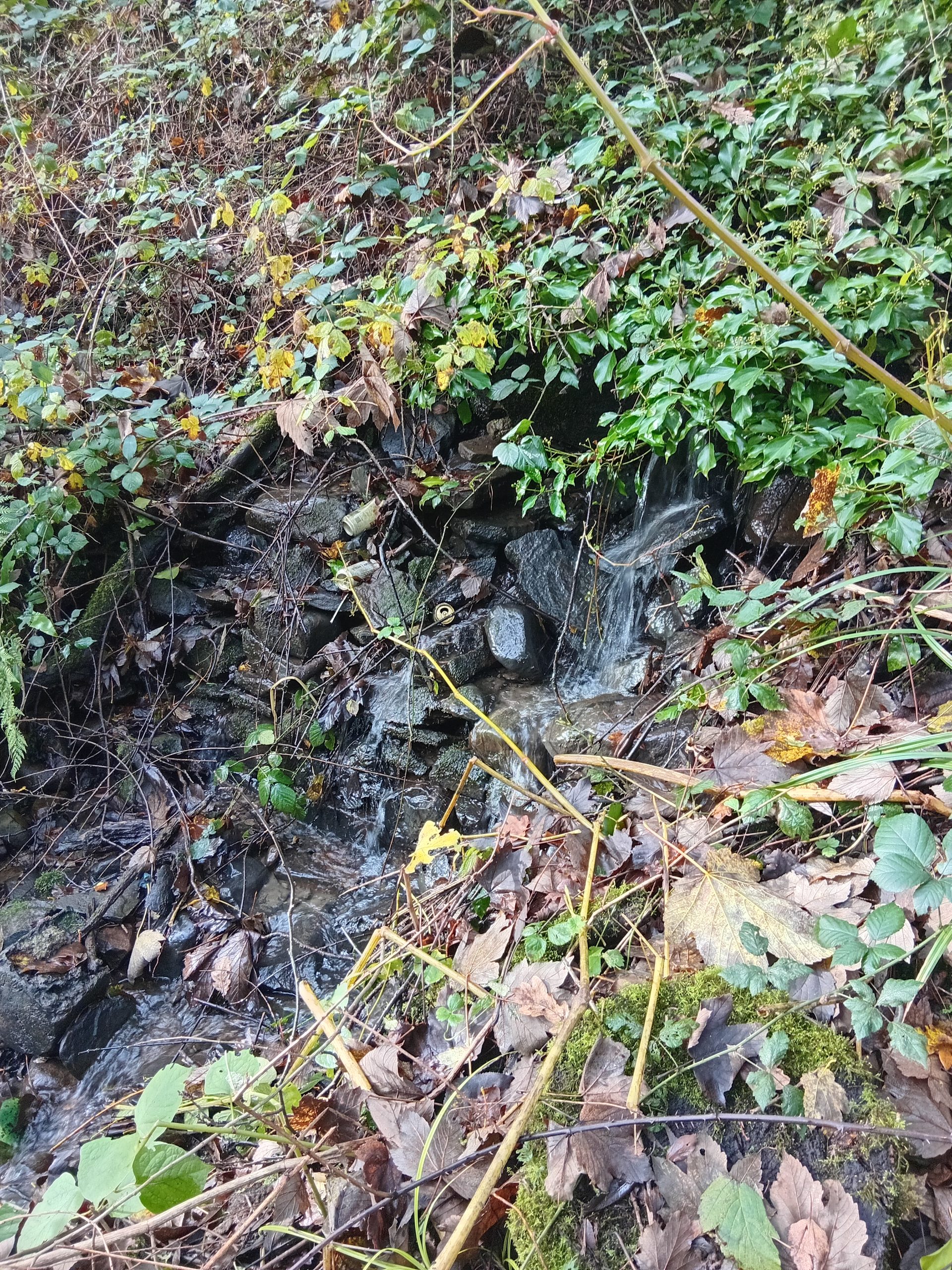
The railway cutting threatened the pond’s natural water supply, as it severed the two streams that had historically fed it. A solution was found by diverting both streams into a dug trough running alongside the railway. The water was then carried beneath the railway by an unknown structure, most likely a pipe, or small archway, before flowing into Bendle’s Pond. This ensured the pond’s water supply was maintained despite the dramatic changes to the surrounding landscape.
The Mystery
For many years, Bendle’s Pond was used for recreational purposes, particularly fishing, and became a popular spot with local anglers. However, alongside its peaceful appearance, the pond also developed a darker and more mysterious reputation.
Over the years, numerous stories became associated with the deep waters of the pond. One of the most enduring tales claimed that Bendle’s Pond was bottomless, with some believing it had been formed over an old mine shaft. Children were often warned of its hidden dangers, and local folklore painted the pond as a place capable of trapping anyone unfortunate enough to fall into its cold, dark depths.
Bendle’s Pond was not without its tragedies. On 17 May 1950, anglers cleaning the pond made a sombre discovery when they recovered the body of Mrs Elizabeth Williams, aged 47, a widow from Wern Road, Skewen. Contemporary newspaper reports state that the body was found floating face down in water approximately seven feet deep. Mrs Williams had left home earlier that morning, and her family were preparing to report her missing when the discovery was made. A local doctor attended the scene, and it was reported that she had been in poor health for some time. Events such as this added to the pond’s reputation as a place of mystery and danger.
A Rare Photograph
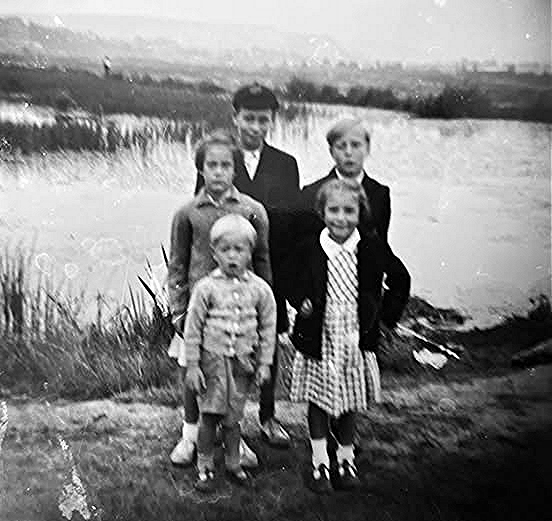
A rare surviving photograph showing a young family at Bendle’s Pond, believed to date from the late 1950s. By this time the former industrial reservoir had become a valued local beauty spot and recreational fishing venue.
The Challenges
Despite surviving for well over a century, Bendle’s Pond faced increasing challenges during the latter half of the twentieth century. The pond relied on a water supply system that had existed since the reservoir was constructed in the early nineteenth century, helping to maintain water levels throughout the year. For generations, this system ensured a constant flow of water into the pond, supporting both its ecological value and its importance as a local recreational asset.
In 1987, a proposal by the site’s owners, Johnson Brothers, to convert Bendle’s Pond into a commercial trout fishery sparked considerable local opposition. The plans raised concerns among anglers, local residents and Coedffranc Community Council, who feared that public access to one of Skewen’s best-known beauty spots would be lost.
The campaign to save the pond attracted significant public support. A petition organised by the Skewen Coarse Angling Club gathered thousands of signatures, demonstrating the strength of local feeling and the importance of the pond to the community. Anglers, residents and local councillors all united in opposing the development and called for the pond to remain a public amenity for future generations.
We have acquired a number of reports from the South Wales Evening Post newspaper highlighting the growing opposition, with concerns that converting the site into a commercial trout farm would effectively end public enjoyment of the pond. Alternative proposals included purchasing the site for community use and developing picnic and recreational facilities around it. Following strong public opposition, the owners’ plans to convert Bendle’s Pond into a commercial trout fishery were eventually abandoned.
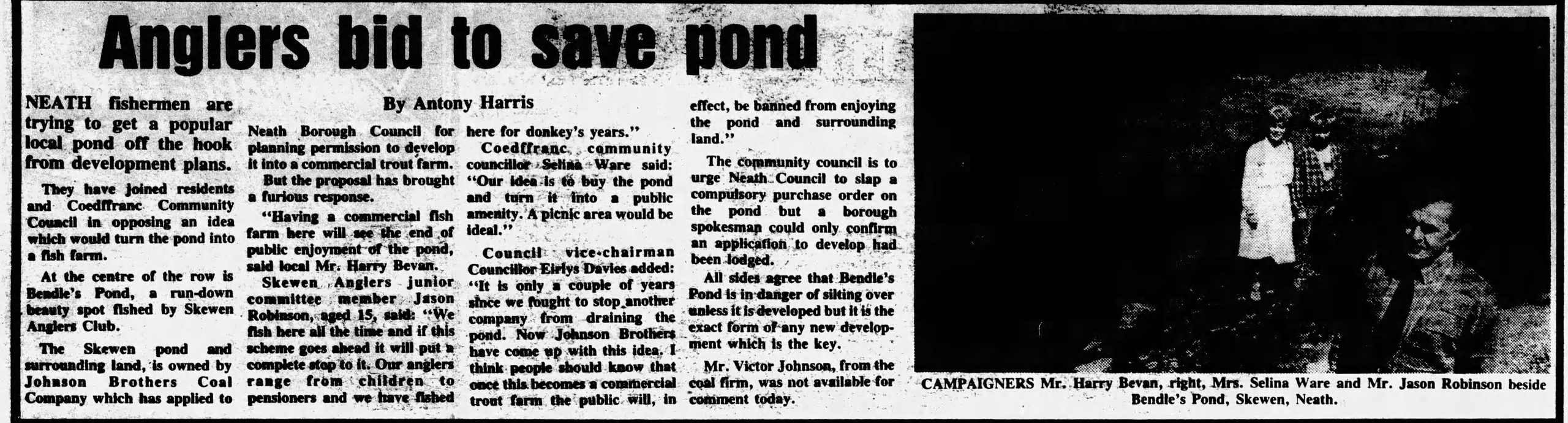
By 1989, Bendle’s Pond was already facing serious threats from fly-tipping and pollution. Concerned about the deterioration of the popular beauty spot, local councillors called on the Neath borough council to purchase and protect the site from its owners, Johnson Brothers.
The pond, which had existed since pre-industrial times and remained popular with local anglers, was increasingly suffering from neglect and environmental damage. In response, Skewen Coarse Angling Club offered to act as bailiffs and manage the pond on behalf of the community.
Although the borough council acknowledged the concerns, it delayed any decision on purchasing the site until its financial implications could be investigated. As an alternative, the council suggested that the angling club could lease the pond, with Coedffranc Community Council potentially providing grant aid towards clearance and improvement works.
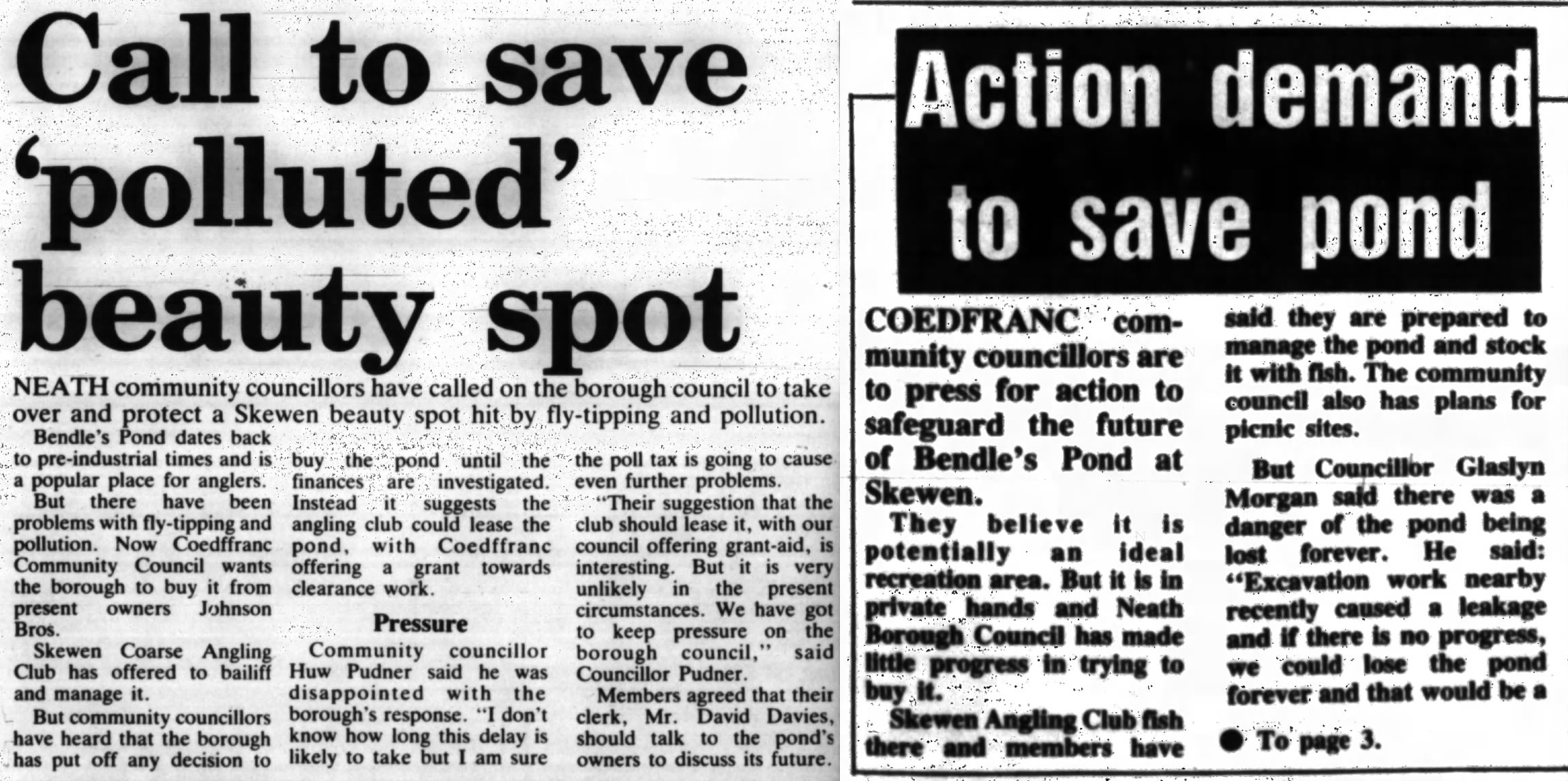
Community councillors expressed disappointment at the lack of immediate action, arguing that delays would only create further difficulties. Determined to secure the pond’s future, councillors agreed that their clerk should enter discussions with the owners regarding the site’s long-term protection.
Unfortunately, the efforts to secure long-term protection for Bendle’s Pond ultimately fell short. Over time, political interest faded and the calls for action were gradually forgotten. Despite repeated warnings about neglect, pollution and fly-tipping, no lasting solution was found.
The Preventable Decline
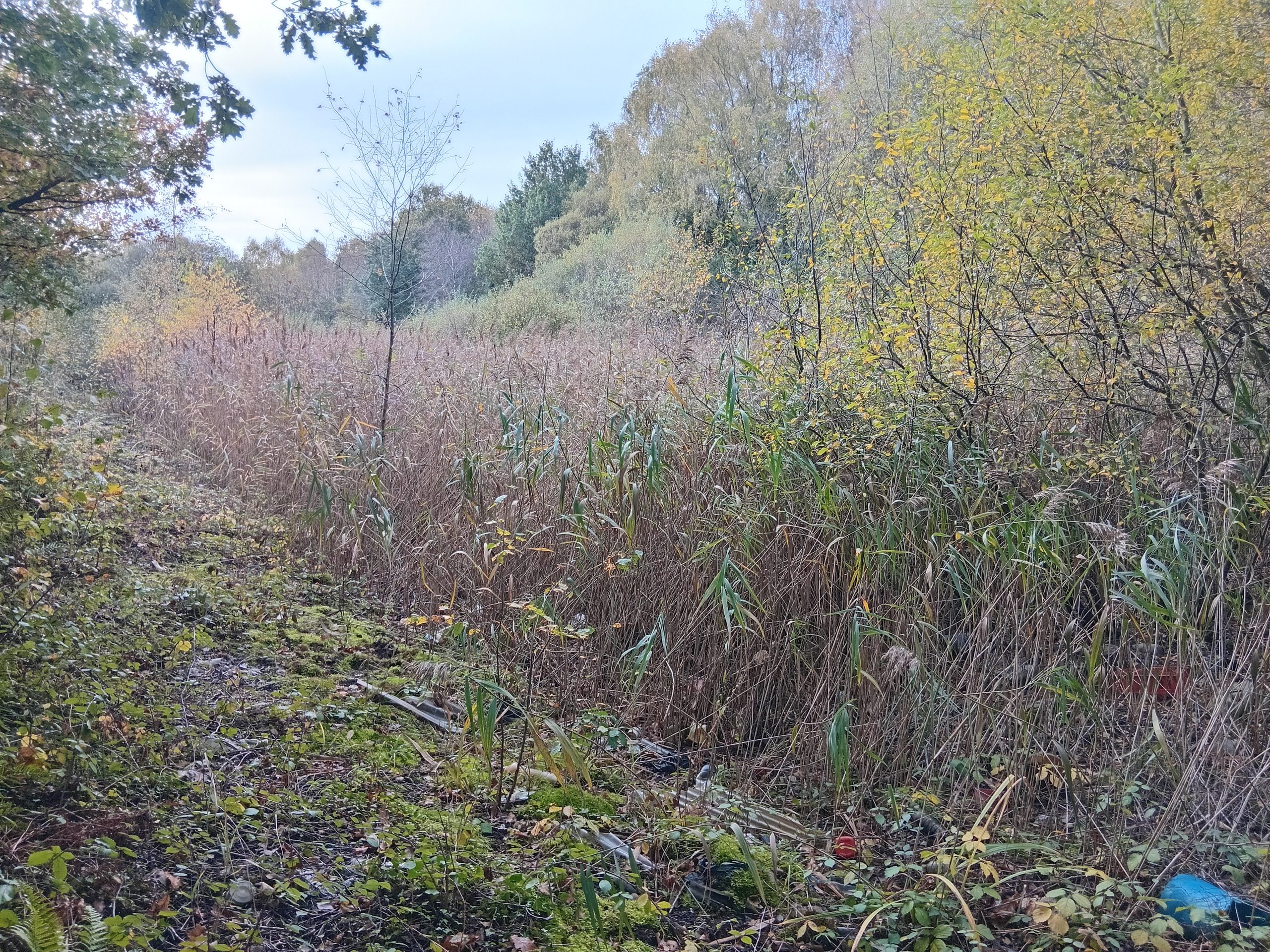
During those attempts to redevelop the site in 1987 by the owners, heavy machinery is believed to have damaged the historic water inlet that had supplied the pond for generations. Although the trout farm proposals did not proceed as originally envisaged, the damage to this long-established water supply had lasting consequences.
Without a reliable source of water, the pond began a slow but steady decline. The loss of its water supply proved devastating. Over time, the pond dried out and became increasingly overgrown, leaving behind a shadow of what was once a much-loved beauty spot, wildlife habitat and popular fishing venue.
Current Owners
The current owners of the site are believed to be Derwen Group, an environmental services and waste management company headquartered at Neath Abbey Wharf. While the company’s ownership of the land has not been independently verified for this article, it is understood that the site forms part of their wider landholding in the area.
Comment
Perhaps the time has come for Skewen Town Council, formerly Coedffranc Community Council, to revisit the future of Bendle’s Pond. With community support, it may be possible to explore options for leasing or purchasing the site, securing grant funding and developing a restoration plan. Such an initiative could help return this historic pond to something resembling its former state, creating a valuable habitat for wildlife while providing a green space for future generations to enjoy.
More than thirty years ago, local councillors and residents recognised the importance of protecting Bendle’s Pond. Today, there is an opportunity to build upon those earlier efforts and ensure that this important part of Skewen’s heritage is not forgotten.
Pictures 2026
Can You Help?
We are always keen to learn more about the history of Bendle’s Pond. If you have relevant information, photographs, documents, or personal recollections that could help expand or improve this article, please get in touch. Your contribution could help preserve an important part of our local heritage.
Sources and Acknowledgements
The information used in this article was compiled from a range of historical and local sources, including the National Library of Wales, the British Newspaper Archive, contributions shared by members of the Skewen – Past & Present Facebook Group, Neath Antiquarian Society and more recent photographs taken by the Canalman.