Helping to Save, Restore, Preserve and Protect the Historic Tennant Canal
The Historic Tennant Canal: A Journey Through Time in Pictures
Welcome to our visual journey through the Tennant Canal, a historic waterway steeped in industrial heritage and natural beauty.
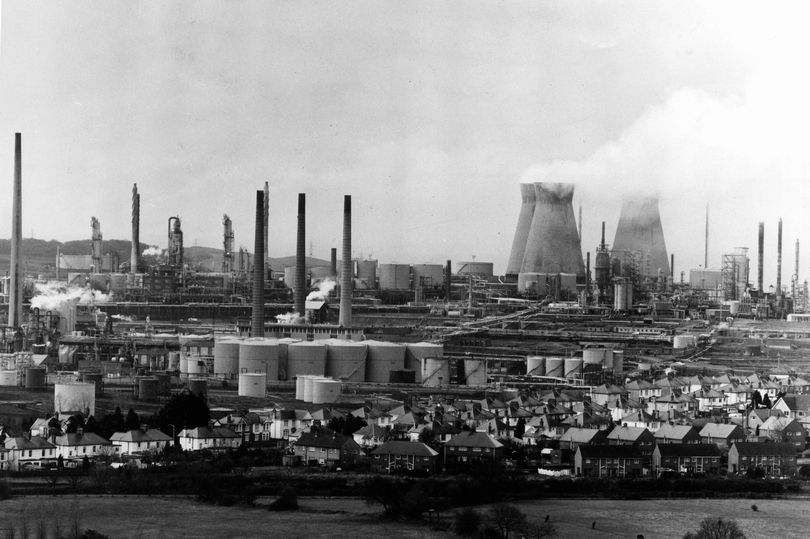
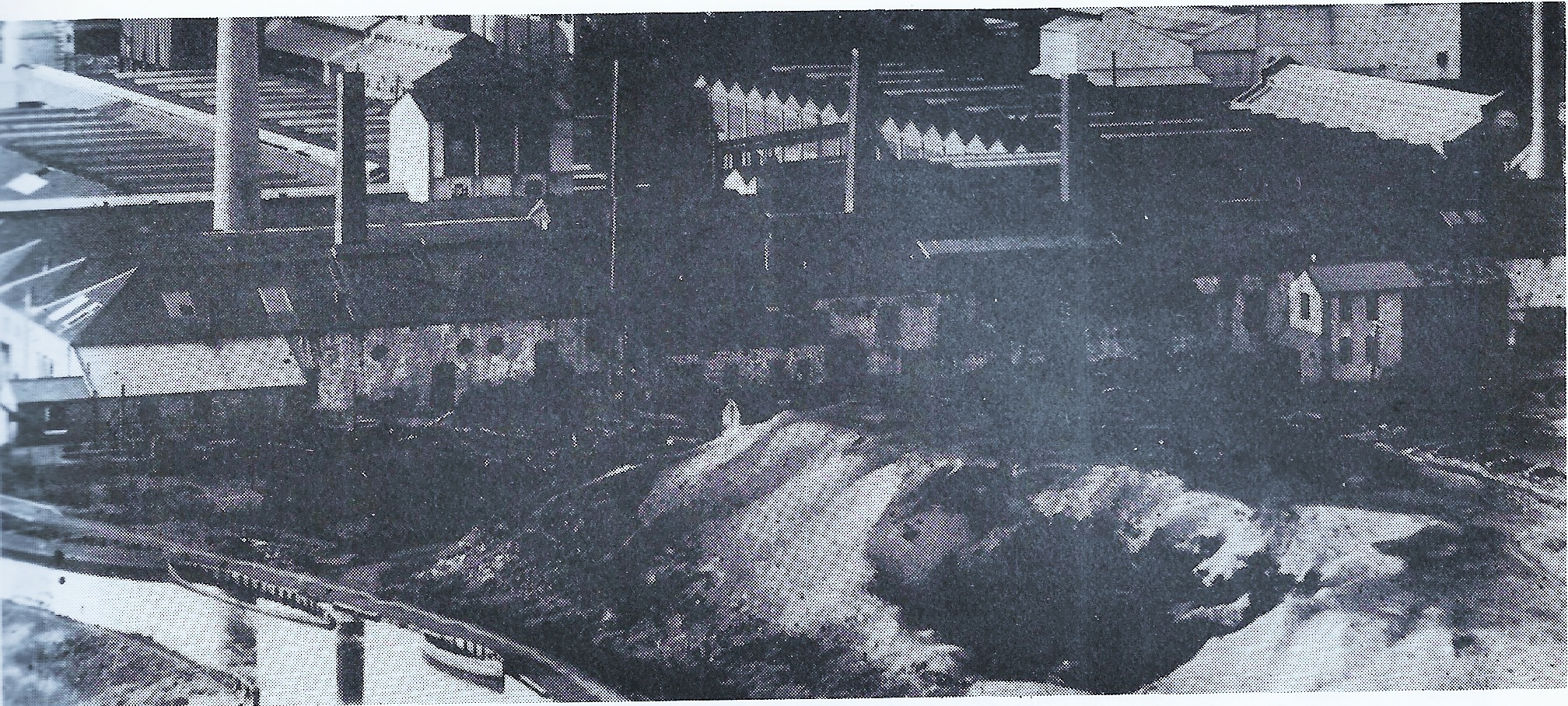
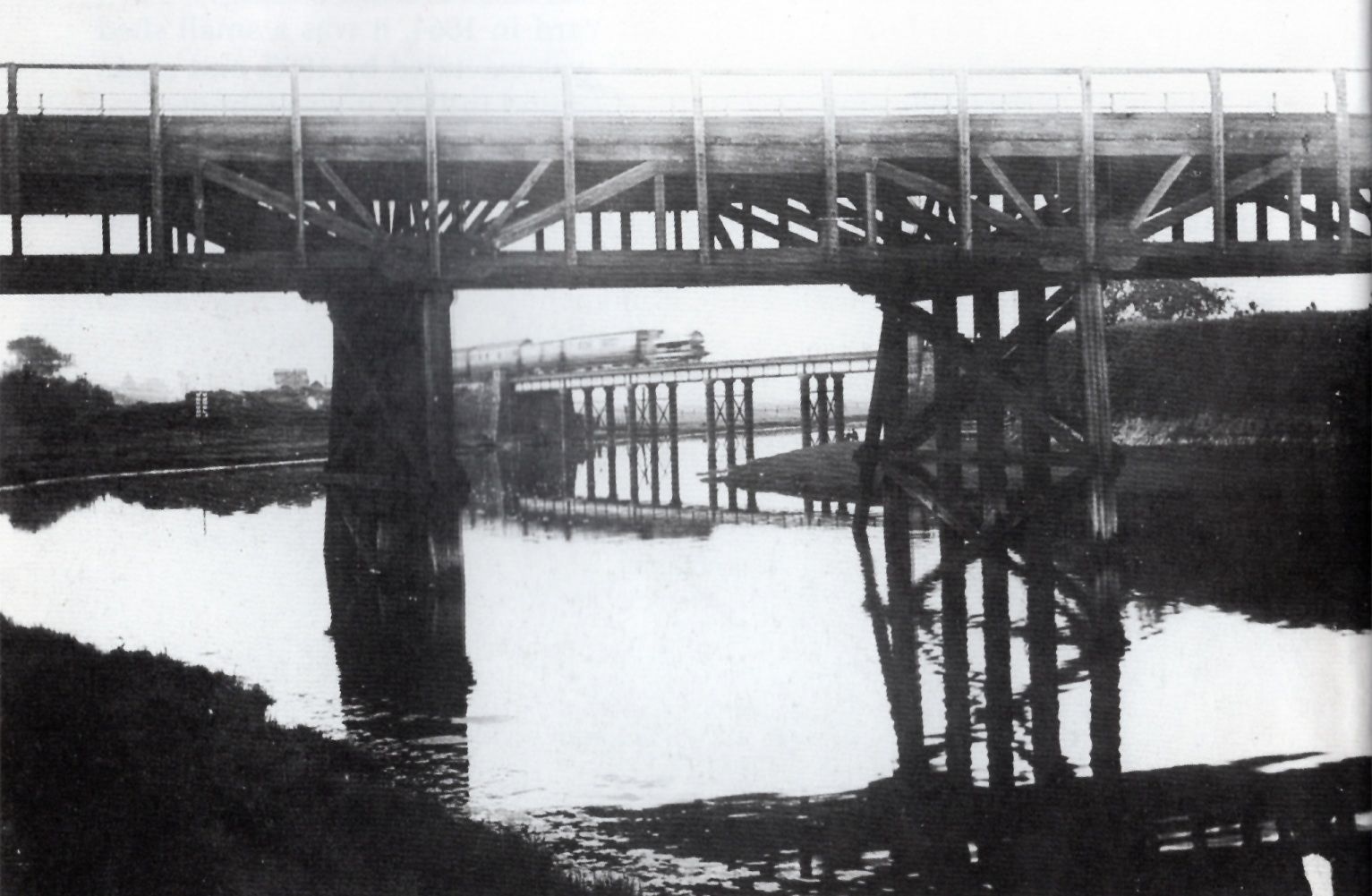
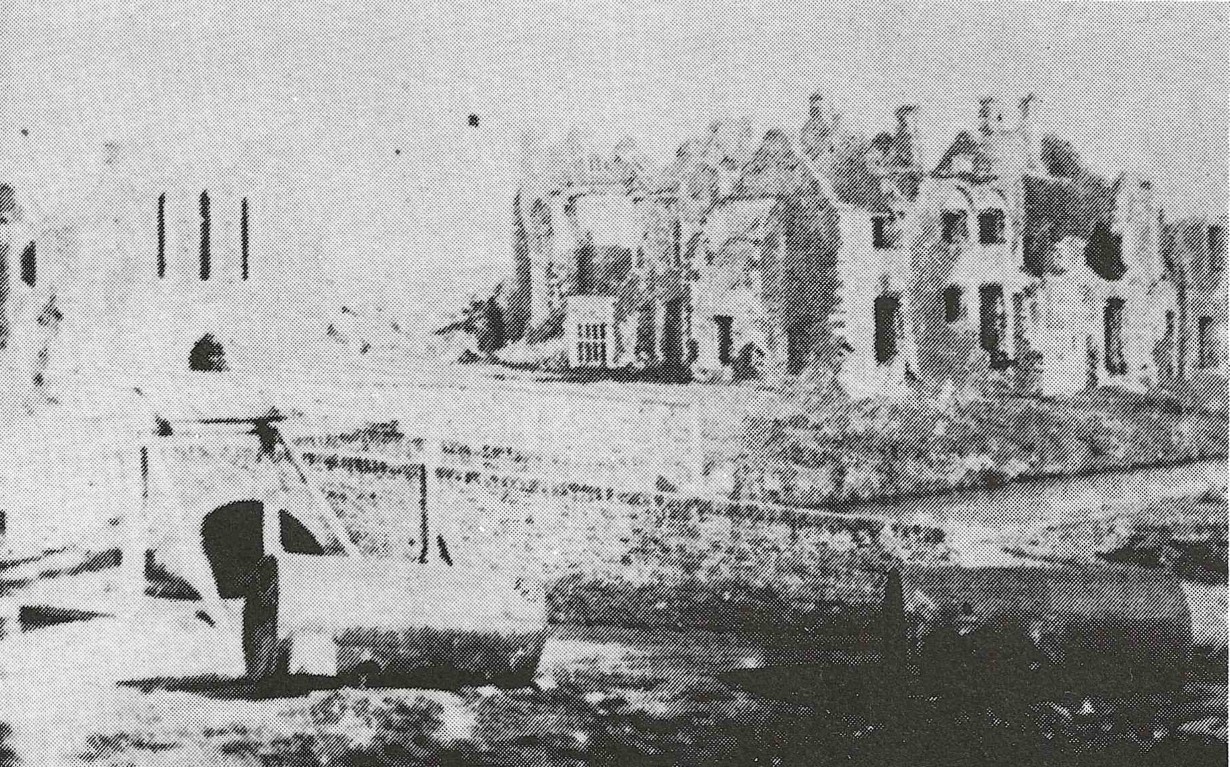
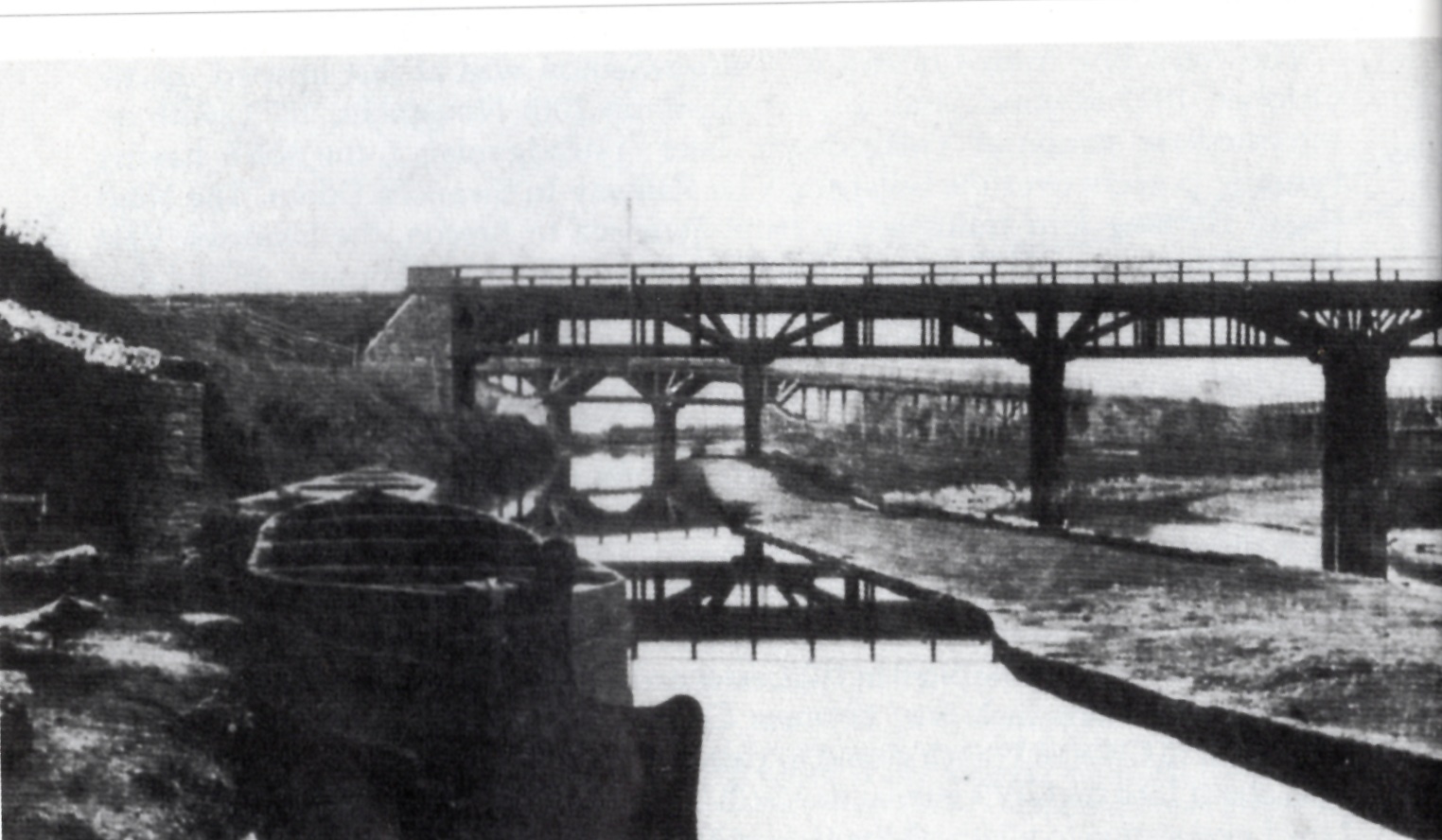
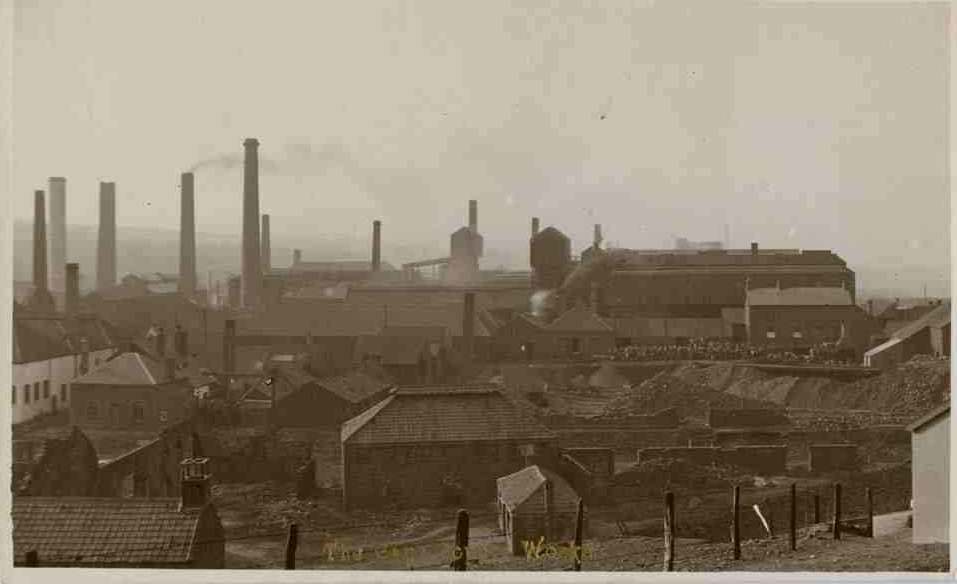
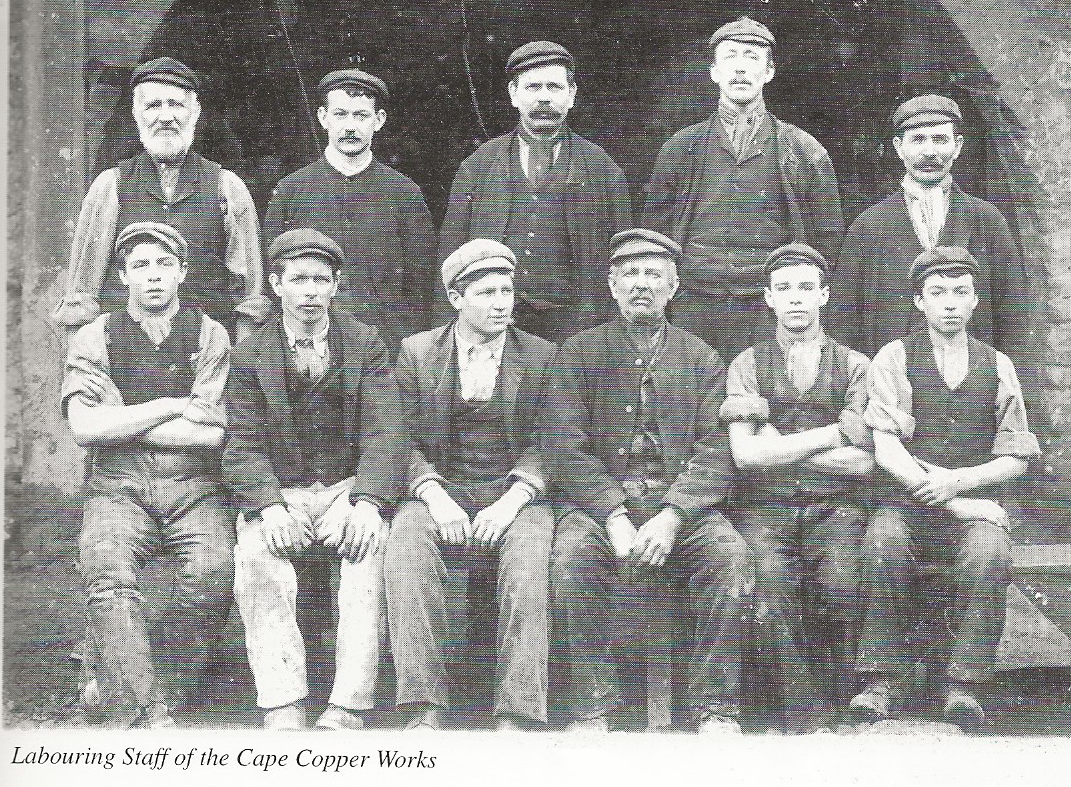
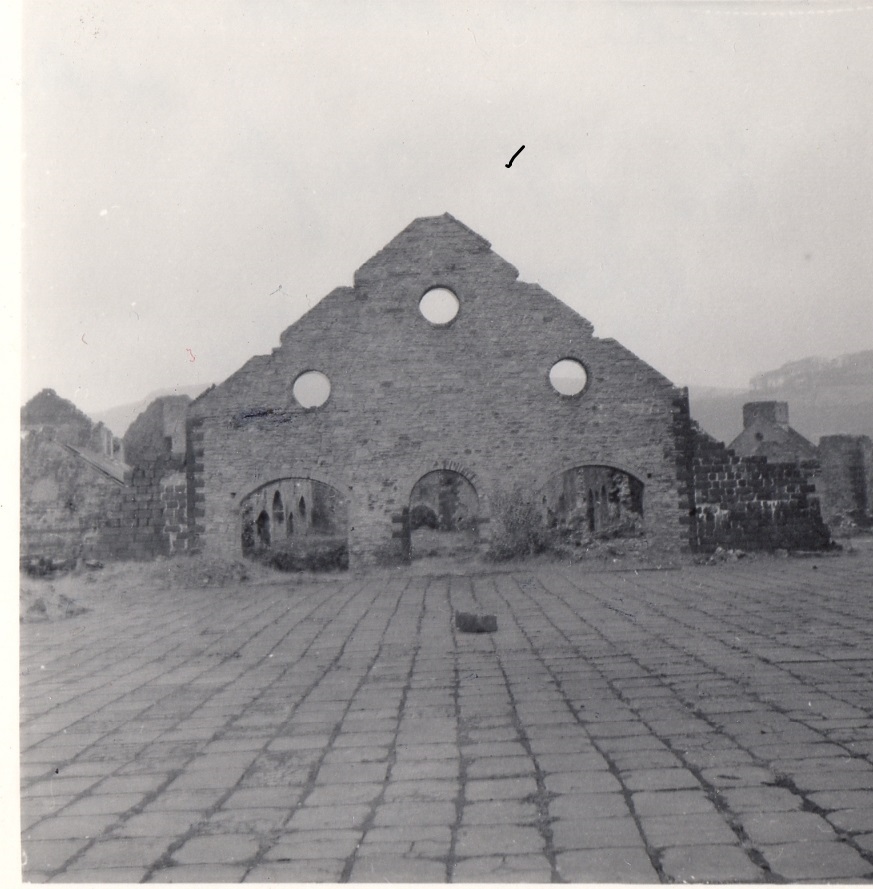
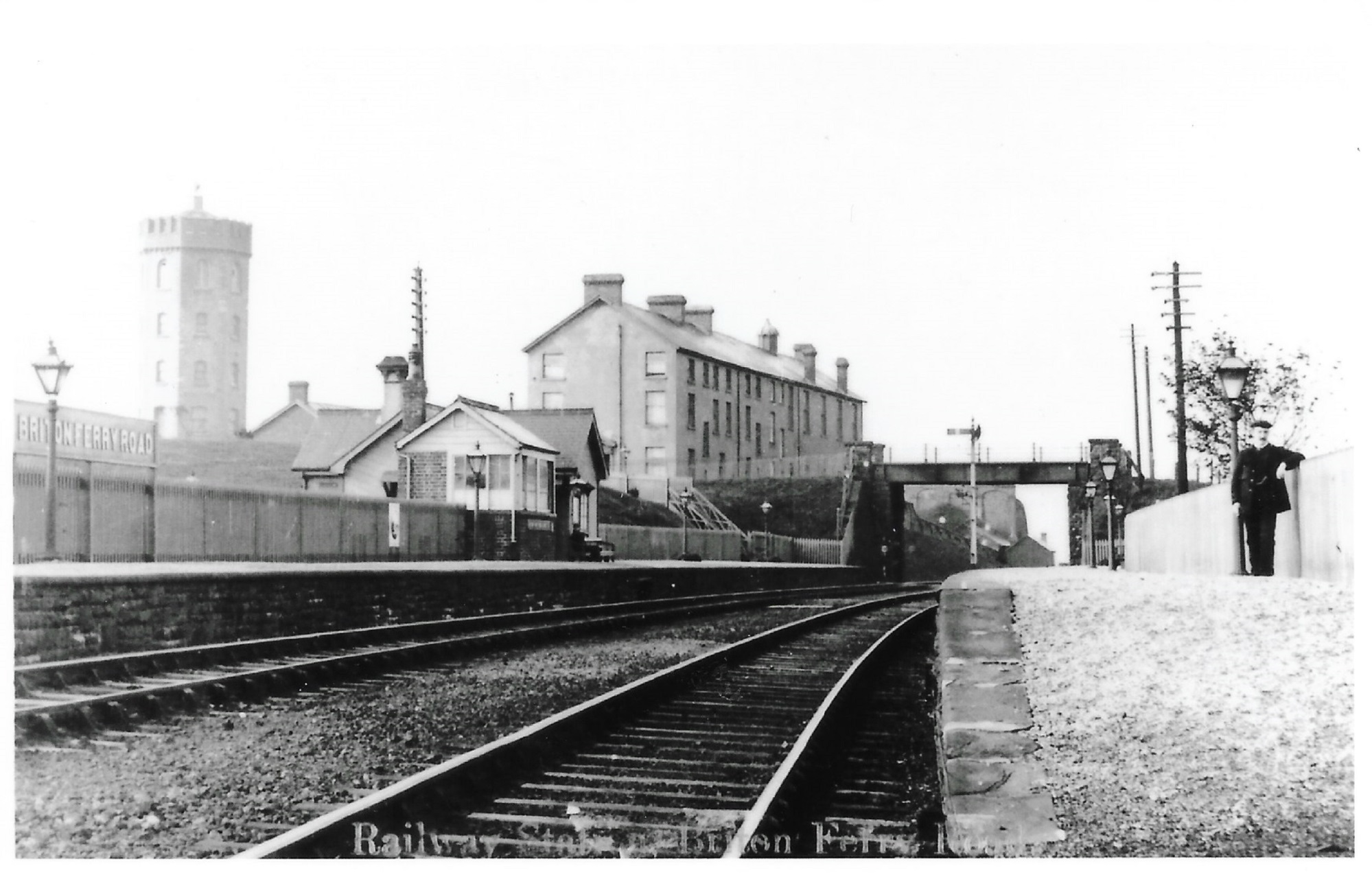
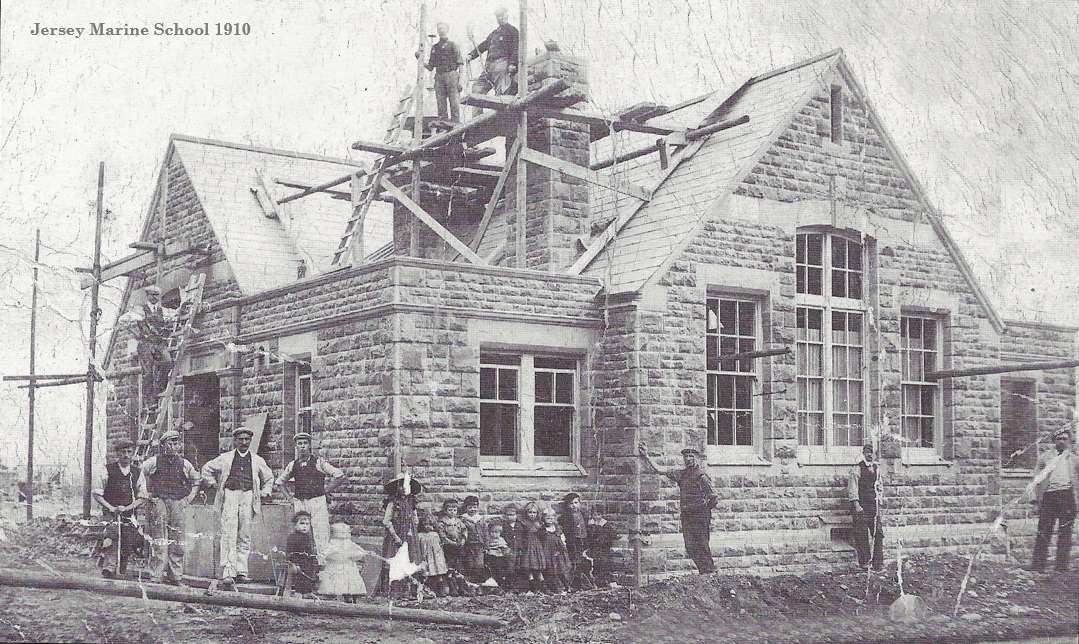
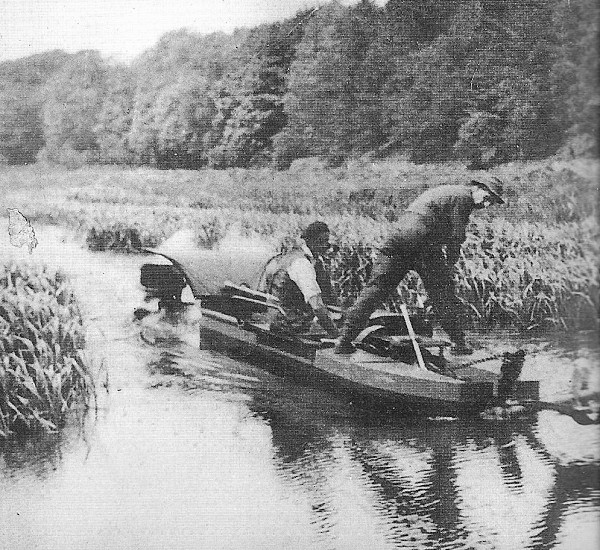
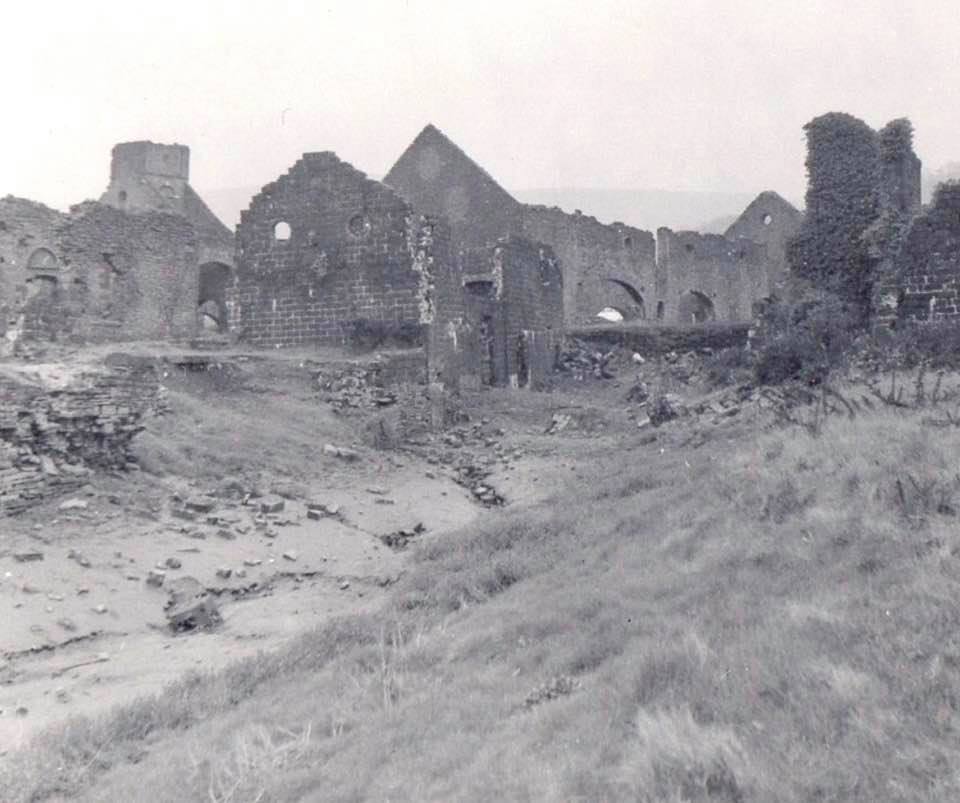
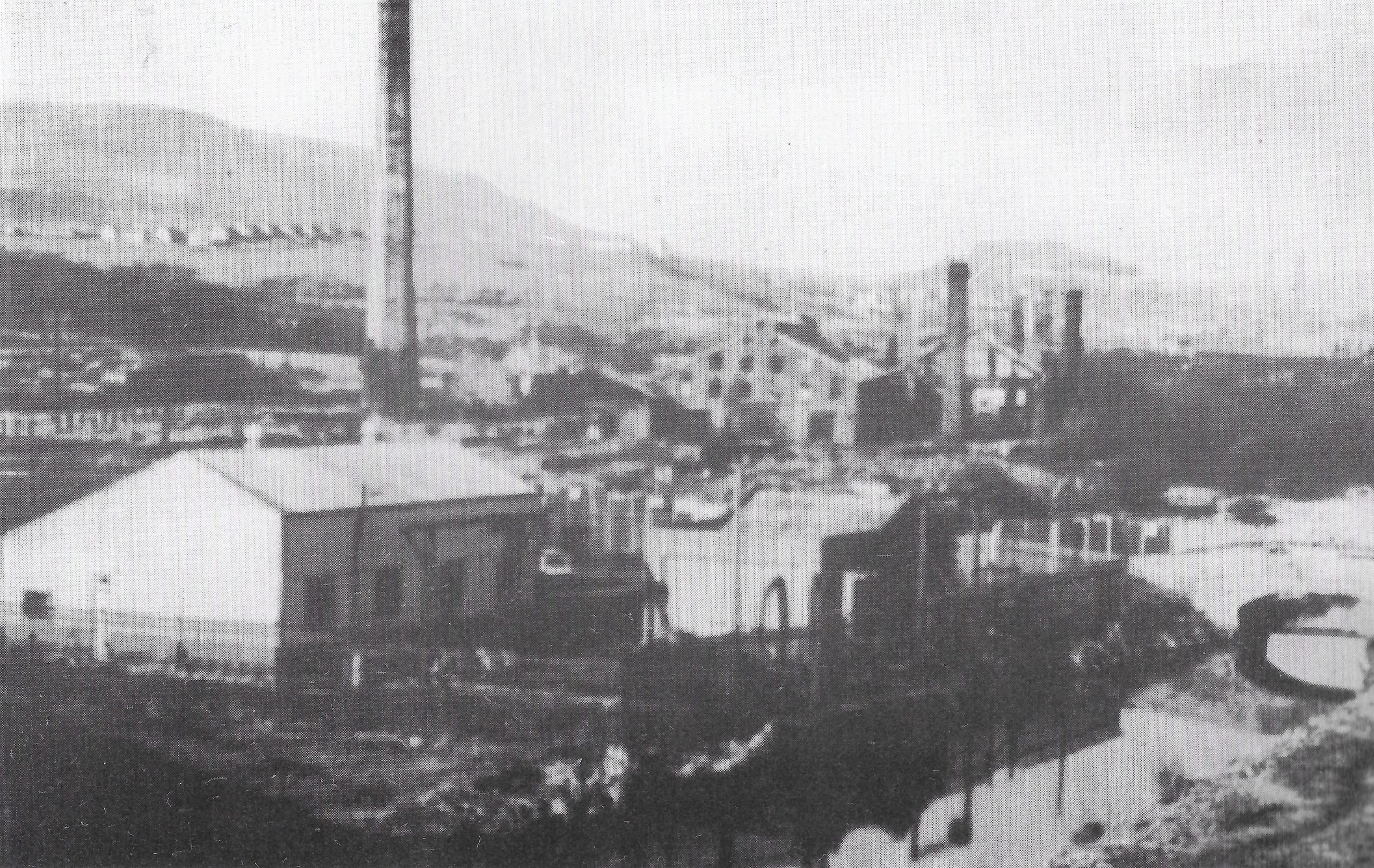
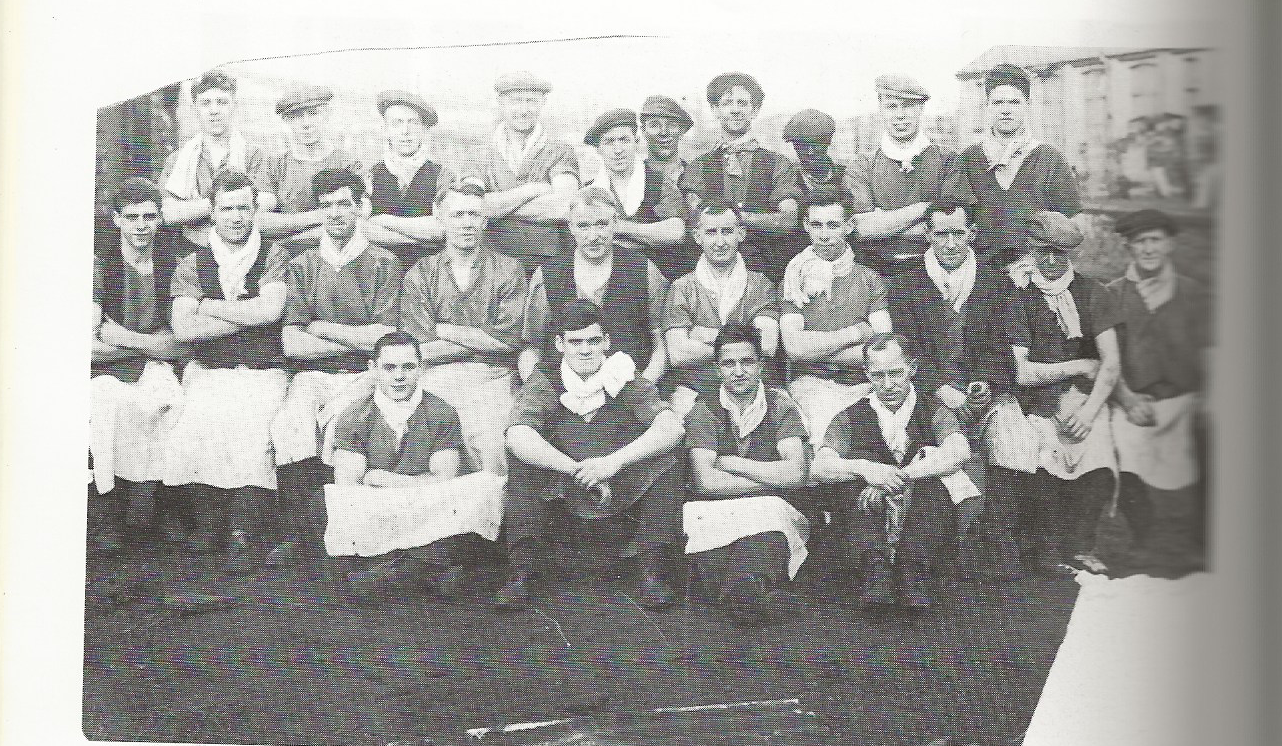
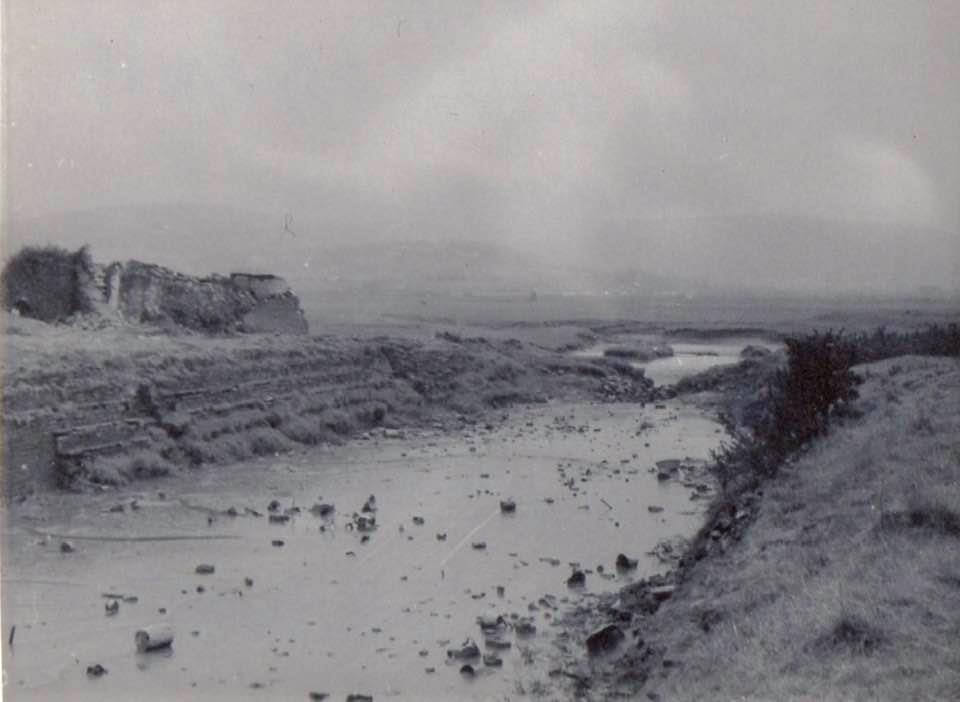
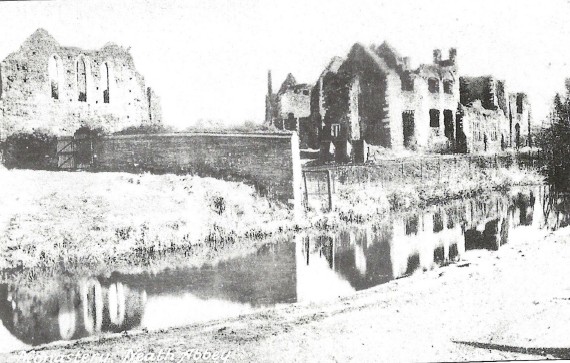
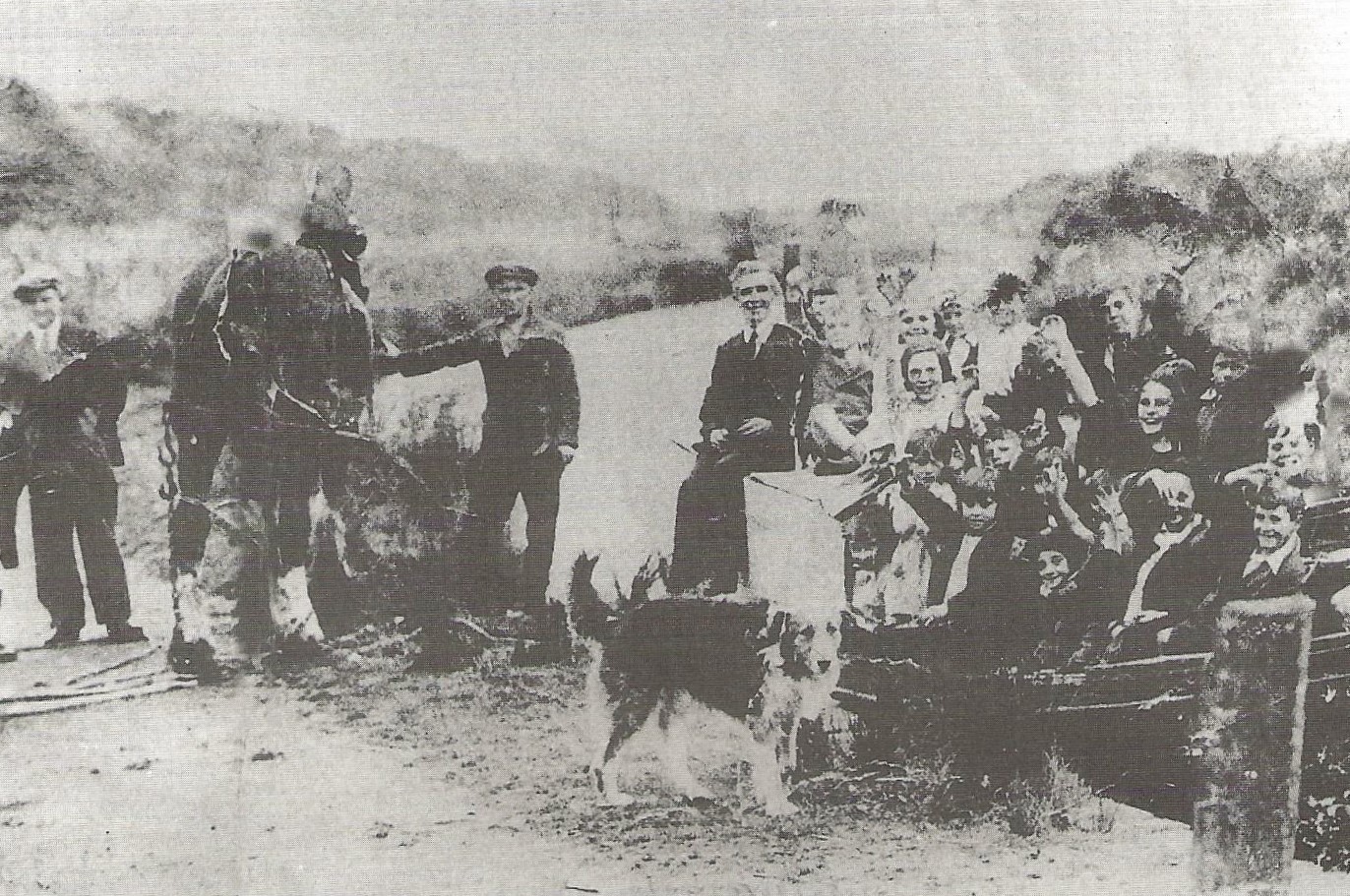
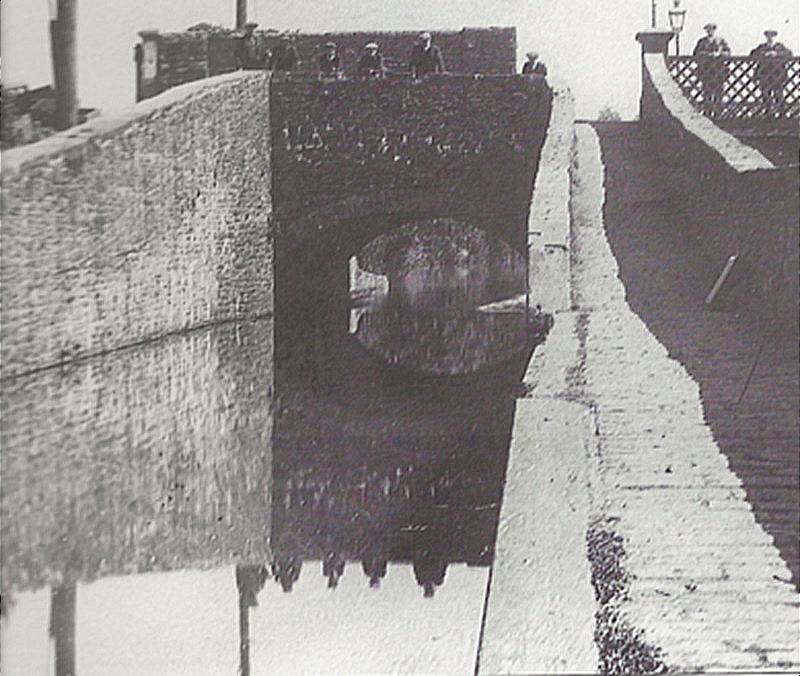
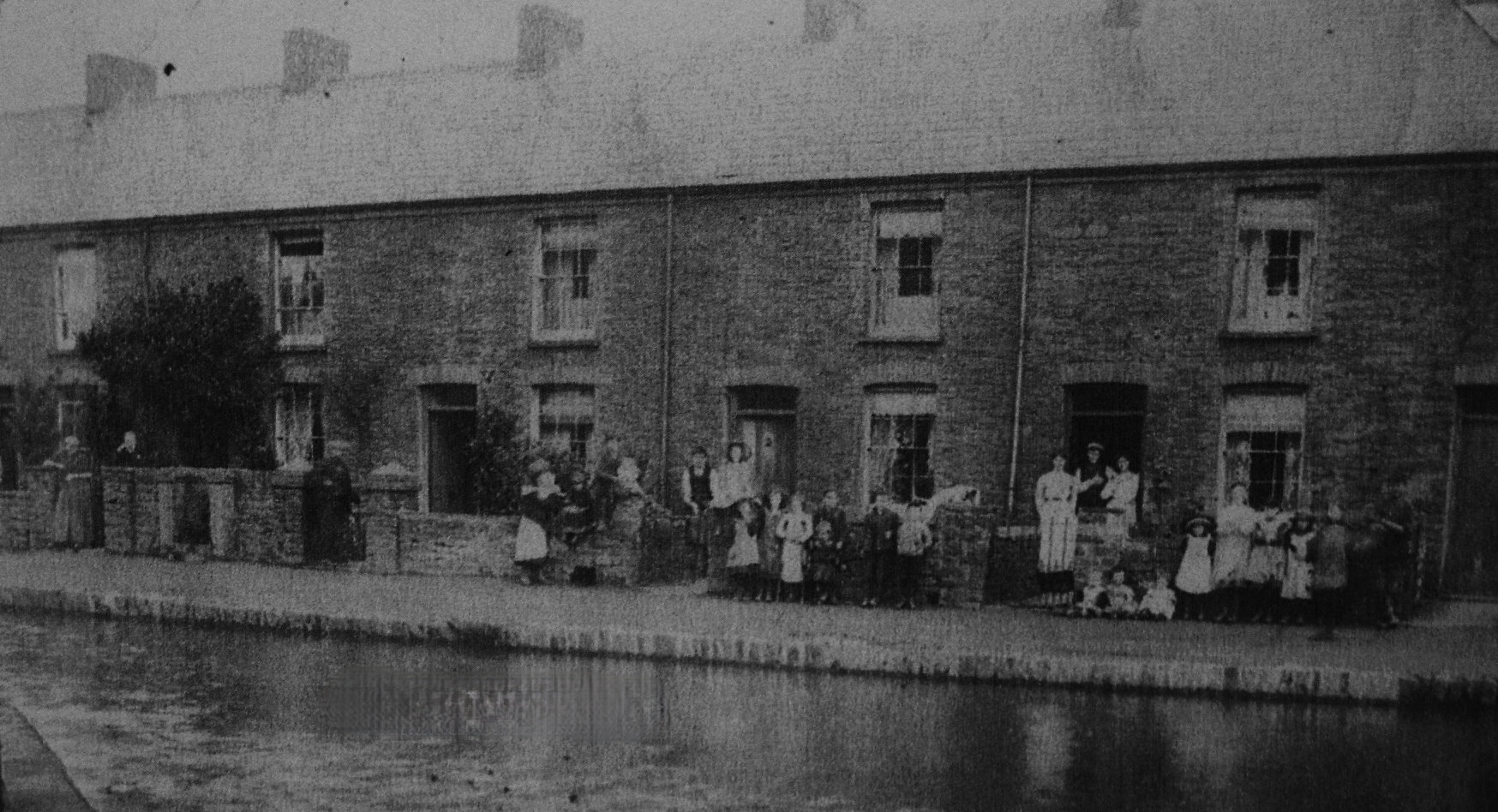
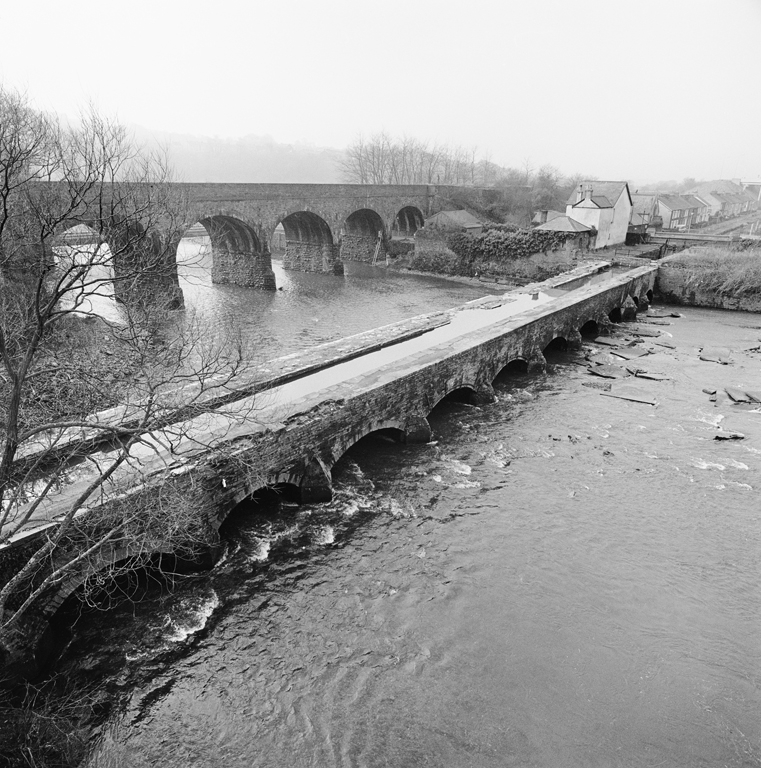
The Tennant Family Home at Cadoxton, Neath.In 1948 at 22 years of age, Ian L Wright bought a two-seater canoe named ‘Cheswardine’ after a village near the Shropshire Union Canal. On behalf of the fledgling Inland Waterways Association, he set out to navigate all of the South Wales waterways. Here he is on 21″ May 1949 approaching the abandoned canal barge ‘Sylvia’ on the Tennant Canal. The BP Llandarcy Oil Refinerywas the United Kingdom’s first oil refinery. This massive works received its water supplies from the Tennant canal 1982. Crymlyn Road, Serecold Ave and Coombe Tennant Ave Skewen also pictured. History and technology flow together.The Tennant at Mary Bottles Bend with old rotting barges on the canal. In the distance, the Cape Copper Works looms, a testament to the industrial heritage that shaped the region. Nearby, the Red Jacket Pill can be seen alongside the canal, an intriguing landmark that piques the curiosity of locals and visitors alike. For those familiar with Mary Bottles Bend, the original photograph capturing this unique tableau remains an enigma. Copper ingot from 1882 smelted by the Cape Copper Company.Drawing Barges on the Tennant Canal 1910.The Timber Built Neath Bridge. In the background a ‘Buffalo’ 0-6-OST is crossing the viaducton the Vale of Neath line with a passenger train. Pictured 1874. The Neath Bridge.Attributed to Charles Waring, is the earliest known Photograph of Tennant Canal and the drawbridge which carried the Cheadle Works tramroad accross the canal 1850.Ivy covered Neath Abbey ruins early 1900’s. The barge on the Tennant Canal is likely to be belonging to the Cape Copper Company.The Western extension in 1880 showing the timber viaduct over the River Neath and the triangle spur to connect with the South Wales Railway. The Tennant Canal is in the foreground.Cape Copper Works at Red Jacket 1910.Cape Copper Workers early 1900’sCape Copper works and the Red Jacket Pill 1920’s.Former Red Jacket Copper works office with the Tennant Canal on the left 1910. Later turned into a dwelling house. Area known locally as the Mary Bottles. Buildings in the distance now the M4 motorway.Bridge over the Tennant Canal near Port Tennant 1920’s (Now Fabian Way).Pentreffynnon Cottages some of the earliest Dwellings built in Skewen. (Now demolished for Flats)The Mines Royal Copper Works Neath Abbey. Ruins pictured in 1958. Peoples CollectionJersey Marine Briton Ferry Road Railway Station 1910Jersey Marine School under construction in 1910.Tennant Canal Weedcutter at Neath Abbey 1930.Double arch bridge at a snowy Red Jacket Pill Lock 1950.The Mines Royal Copper Works Neath Abbey. Ruins pictured in 1958. Peoples CollectionCwrt yr BettwsTennant Canal Bridge 1950 with BP Oil Llandarcy Pumping Station (Left) and the riuns of the Cardonnel Tin-Plate works (Background).Cardonnel Tin-Plate Works 1910.Cardonnel Tinplate Workers 1920’sCheadle Copper Works on the River Clydach at Neath Abbey. Pictured 1958. Dyffryn Clydach and Bryncoch Historical Society. WebsiteAberdulais Canalside 1930.A Railmotor at Jersey Marine Station 1910.The double arch bridge that used to span the canal at the Red Jacket 1930.The Ruins of Neath Abbey 1880.The Neath Abbey ruins with the Neath Dragons speedway stadium on the left 1960.The Cwm Neath Abbey 1900 Note the cottage on the right and viaduct in background.Jersey Marine Village 1938.Tennant canal near Jersey Marine 1900sHauliers of Cwrt-y-Bettws colliery 1913.Neath River Bridge – The Warf and Tannery 1900.Tennant Canal at Neath Bridge 1910This delightful picture depicts Dynevor Road Skewen from Station Road bridge 1920.Aberdulais Flooding 1910. This village was no stranger to floods and was sometimes known as Little Venice.The Canalside housing at Aberdulais, constructed before the 1900s, includes several houses that were originally built for lengthsmen—canal maintenance workers responsible for managing the lock and maintaining the waterways. These homes played a crucial role in supporting the operation and upkeep of the canal system, ensuring smooth navigation and efficient water management in the area.Aberdulais Aqueduct pictured in the 1960’s. Aberdulais Aqueduct, completed in 1824, connects the Neath and Tennant canals. It is a key part of the planned Swansea Bay Inland Waterway.
Sources:
Thanks to Stephen Absalom and Robert King for Images from Around Neath.