By STTC — Photographs by The Canalman
July 19 2021
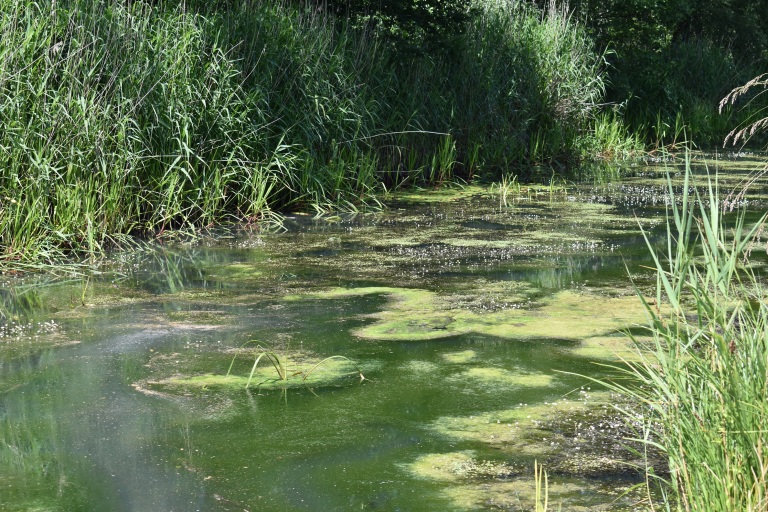
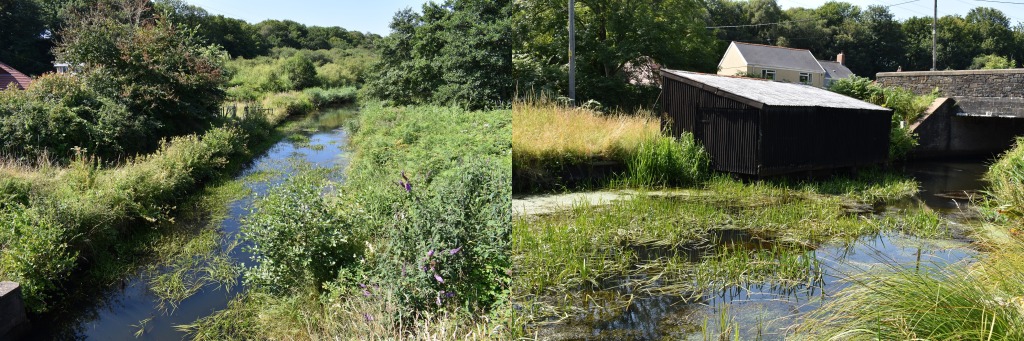
After several weeks of dry weather and unusually low flow along the Tennant Canal, we visited the Canalside at Aberdulais on 15 July 2021 to investigate what might be causing the canal’s sudden loss of water supply.
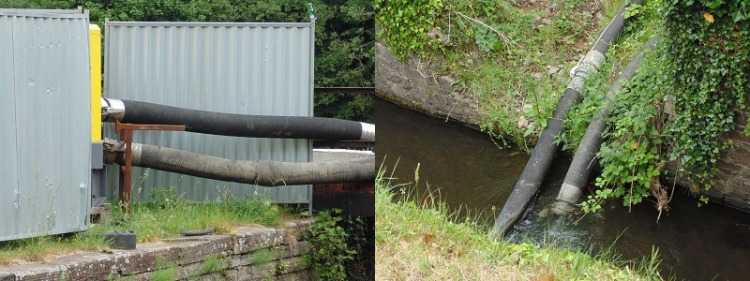
We immediately noticed that the large water pumps had been removed from the site, leaving the canal without the artificial flow that had previously helped maintain its water levels during dry periods.
We were aware of the installation of large pumps after another dry, hot spell in 2018, intended to restore some flow to the Tennant Canal. – ‘Tennant canal ‘at risk’ due to hot weather’ BBC Wales – Water was being pumped from the River Dulais directly into the canal. The canal owners were contracted to supply water from a pumping station at Jersey Marine to an energy plant at Baglan, and we believe the plant was paying for the entire pumping operation. Before those pumps were introduced, the canal had relied on a river weir, which partially collapsed in 2015 and left the water supply severely compromised.
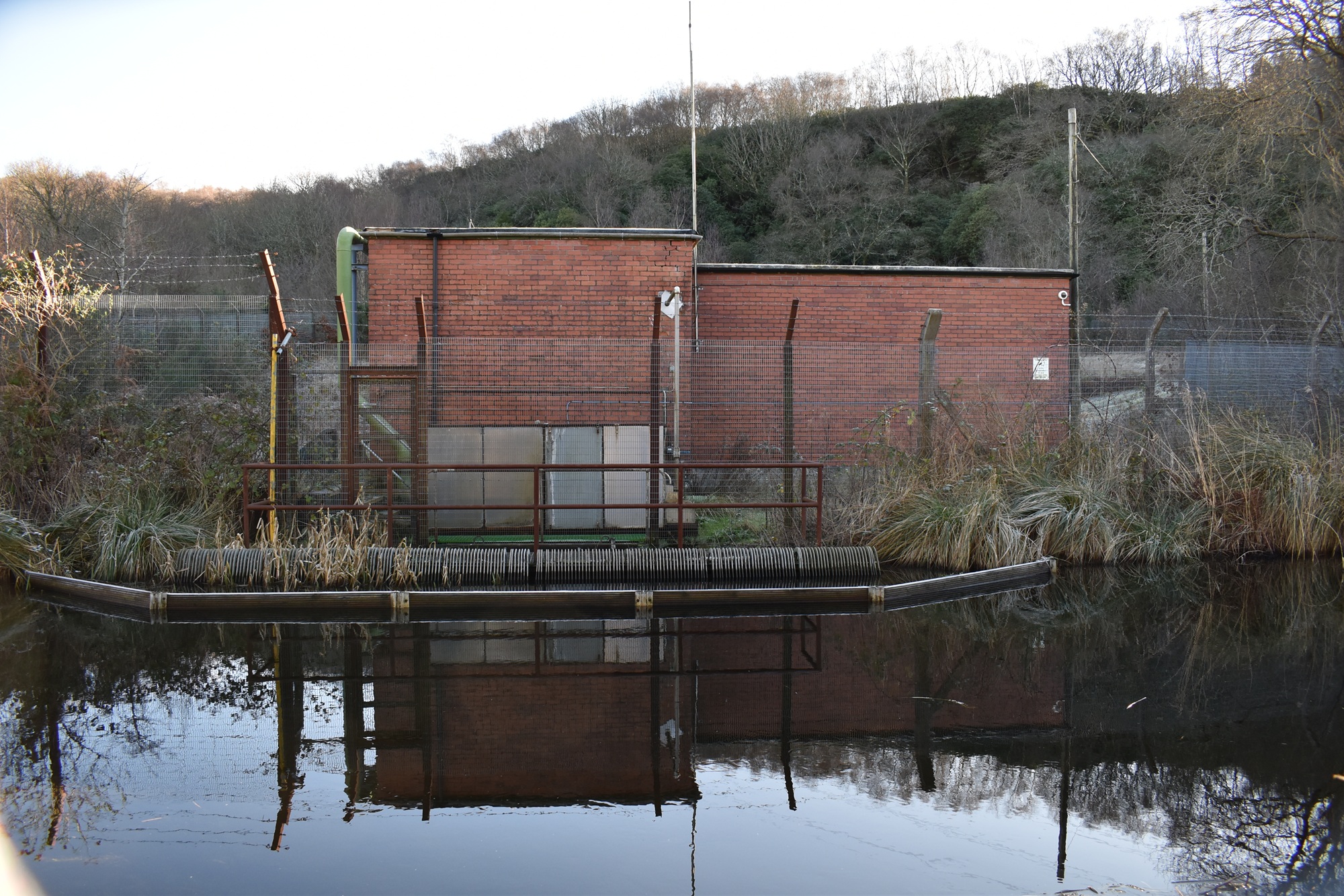
The hot, dry weather and the canal’s already low water levels threatened the energy company’s electricity supply to an entire industrial area at Brunel Way. This included a major civic headquarters building that houses several key local government departments, including the Neath Port Talbot Council Regeneration Team and the regional highways records office.
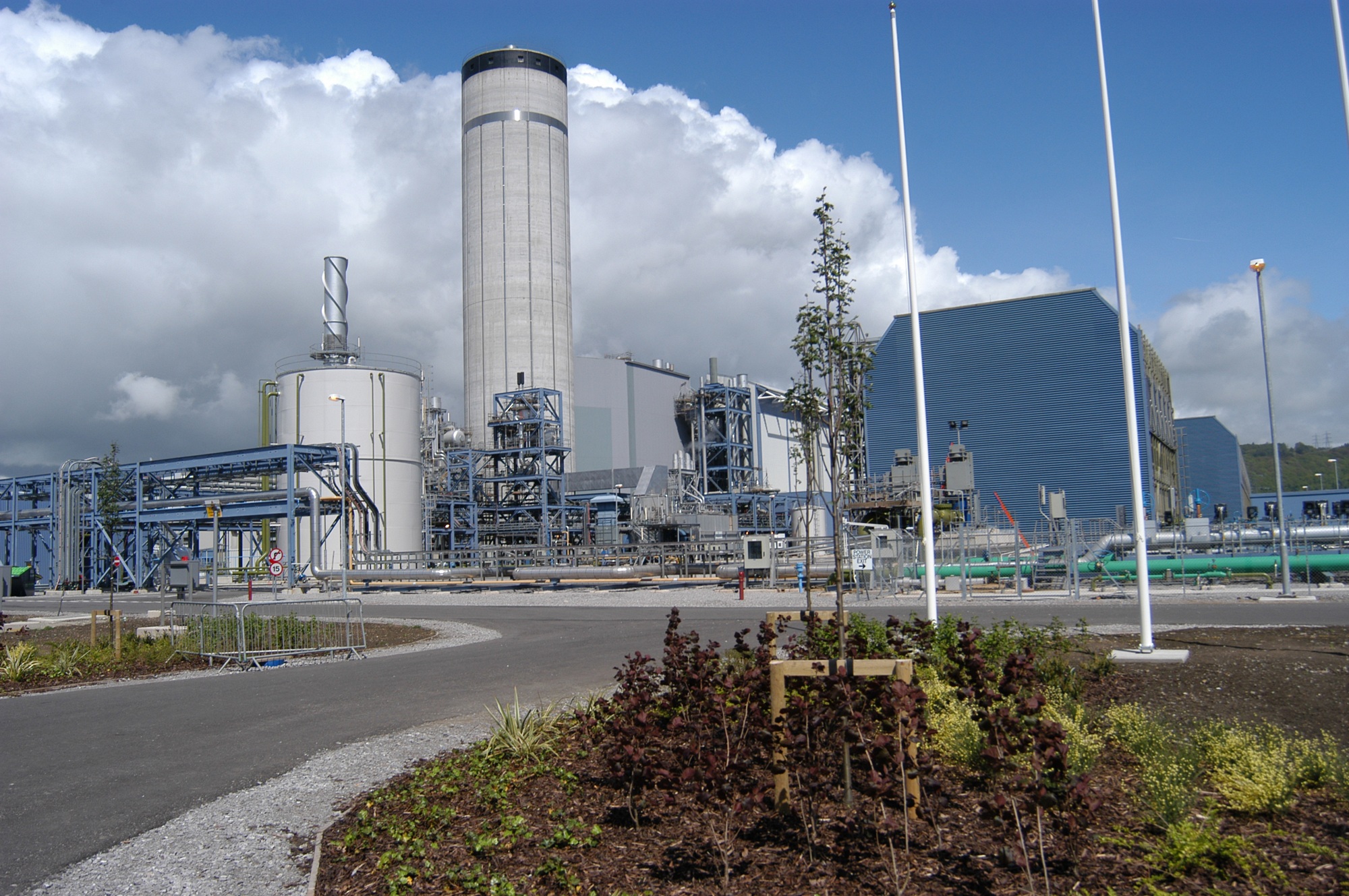
When the Energy Plant went into liquidation in 2021, the pumps that supplied water to the Tennant Canal were removed. This immediately reduced the flow of water entering the canal, and over time the levels dropped so severely that long stretches of the waterway came close to drying out completely.
When the plant was active, this arrangement ensured a steady and reliable flow of water into the canal. – ‘The lone tower that still stands at the site of a disused power station’ (Wales Online) – However, once the plant went into liquidation, the pumping stopped, the equipment was removed, and the canal immediately began to suffer from reduced water levels.
Baglan Energy Park in Neath Port Talbot, Wales, was entirely dependent on a private‑wire network tied directly to the Baglan Bay power station. None of the businesses had connected their electrical systems to the National Grid. When the power station went into liquidation, the situation became critical. To prevent economic and environmental disaster, a prolonged legal battle unfolded between the Welsh Government and the liquidators. This legal standoff bought enough time to construct completely new electrical infrastructure, ultimately costing over £6 million in public money.
There was never any meaningful consideration given to the canal’s condition or the impact on its wildlife and wider environment. The decisions made around water abstraction were driven purely by business needs, with no regard for the ecological consequences. This situation arose from the long‑term incompetence of Neath and Port Talbot Council’s planning processes, which failed to ensure that the Baglan Industrial Park had a secure, reserved emergency electrical supply.
We spoke to workers on the Aberdulais site who confirmed that, after the energy plant went into liquidation, the Port Tennant Canal Company had ordered the removal of the pumps several weeks earlier. All maintenance—if any had been taking place—had also been halted due to a lack of funding.
In October 2021, following determined public pressure, the owners agreed to restart some basic maintenance, but it was nowhere near enough to make any meaningful difference to the neglected waterway, its towpaths, or its listed buildings. By this point it was obvious that, for many months, the Tennant Canal had been effectively abandoned. In the middle of summer, with no functioning water source, no maintenance, and no intervention of any kind, the canal was simply left to its own fate.
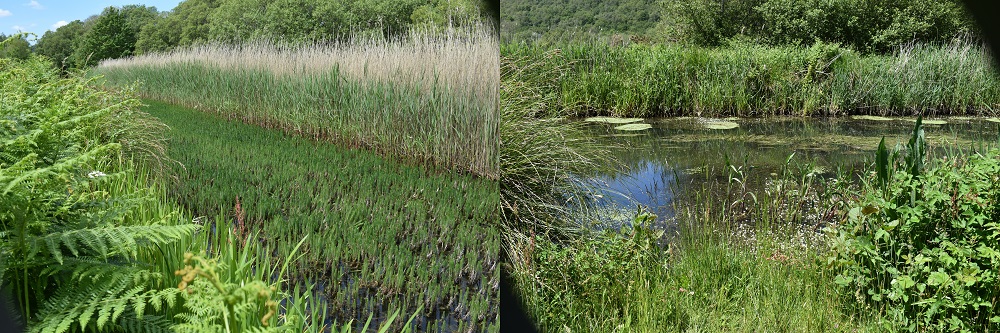
June 2021 – The Tennant Canal at Jersey Marine (Amazon) left in a dreadful state despite the owners claiming that maintenance was in operation from Aberdulais to Port Tennant until 2021.
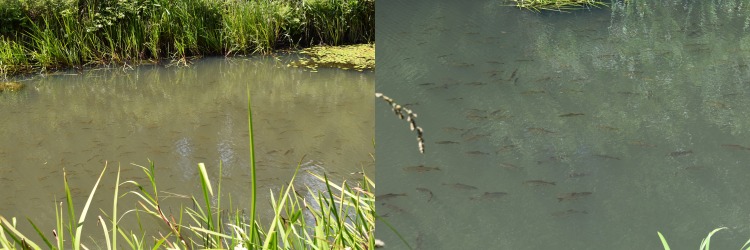
Fish were already being cut off by the extensive weed growth and the shrinking water levels, forced into the few remaining pockets of deeper water. Thousands of Roach, Rudd, Perch and Pike are now put at risk every year. Without a direct supply of fresh water, their survival depends entirely on the weather. Another year passes and the old canal endures yet another hot, dry spell in 2021 — but for how much longer.
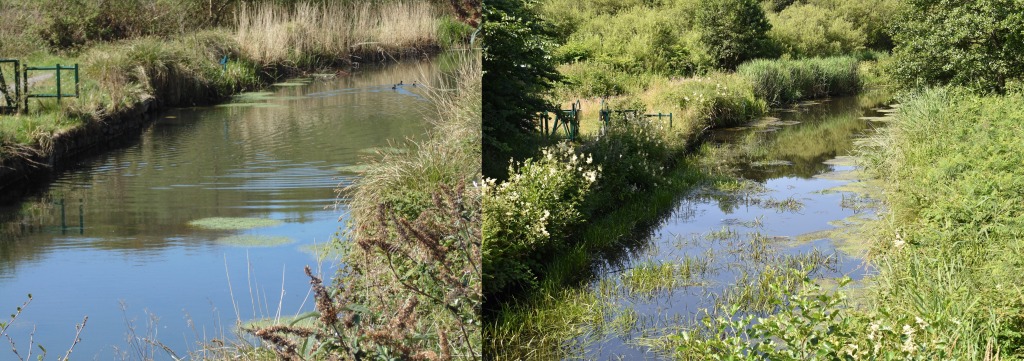
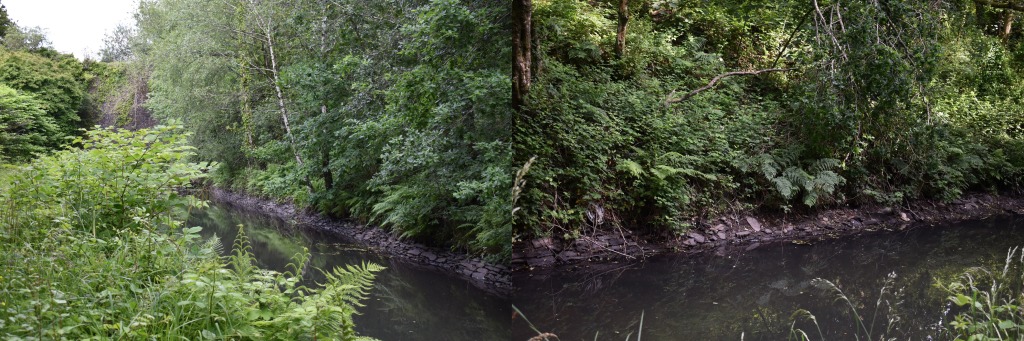
The Scheduled Monument at Skewen Cuttings is now showing visible signs of failure; with no water pressure left in the canal, the structures that support its banks are beginning to collapse.
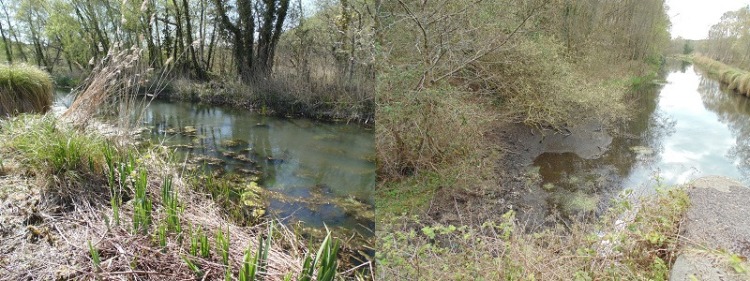
Tennant Canal at Red Jacket – April 2021. This photograph proves that it isn’t only the summer months that threaten the canal’s water supply. By early spring the water level had already dropped to the point where long stretches were exposed, weed growth was accelerating, and the canal’s feeder sources were clearly failing. The image shows a waterway struggling long before the heat of July or August, highlighting how fragile the system had become: no managed inflow, no structural resilience, and no intervention from the owners. The problems visible here in April were simply a preview of the severe conditions that would follow later in the year.
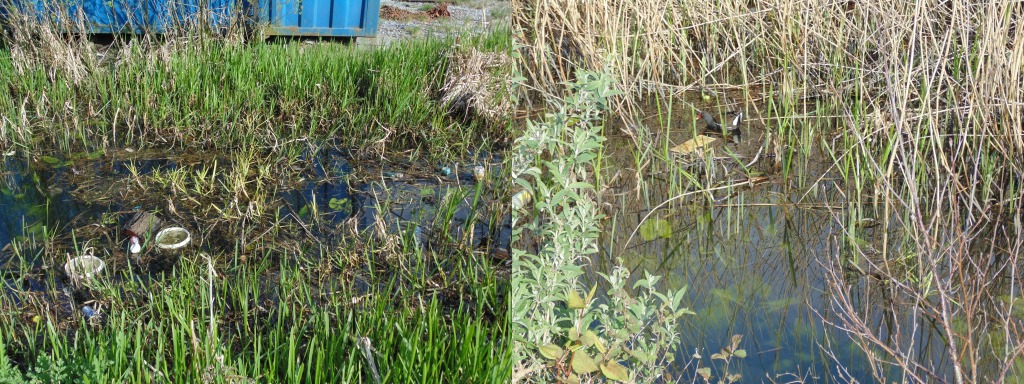
Neath Canal – May 2021, west of Zoar’s Ark Pet Superstore, Neath. The Neath Canal was also in a dreadful state. Long stretches were choked with weed, the water level had fallen noticeably, and the surface was stagnant and discoloured. What should have been a clean, flowing historic waterway had instead become another example of neglect, mirroring the same pattern of abandonment seen along the Tennant Canal. The deterioration here showed that the problems were not isolated — both canals were suffering from the same lack of maintenance, the same absence of water management, and the same slow slide into ecological and structural decline.