Helping to Save, Restore, Preserve and Protect the Historic Tennant Canal
A Picture Journey through the Industrial Heritage of the Tennant Canal.
The Tennant Canal, nestled in the heart of industrial heritage, offers a unique journey through time. As you stroll along its tranquil waters, you’ll encounter a series of historic buildings and bridges that tell the story of the region’s rich past.
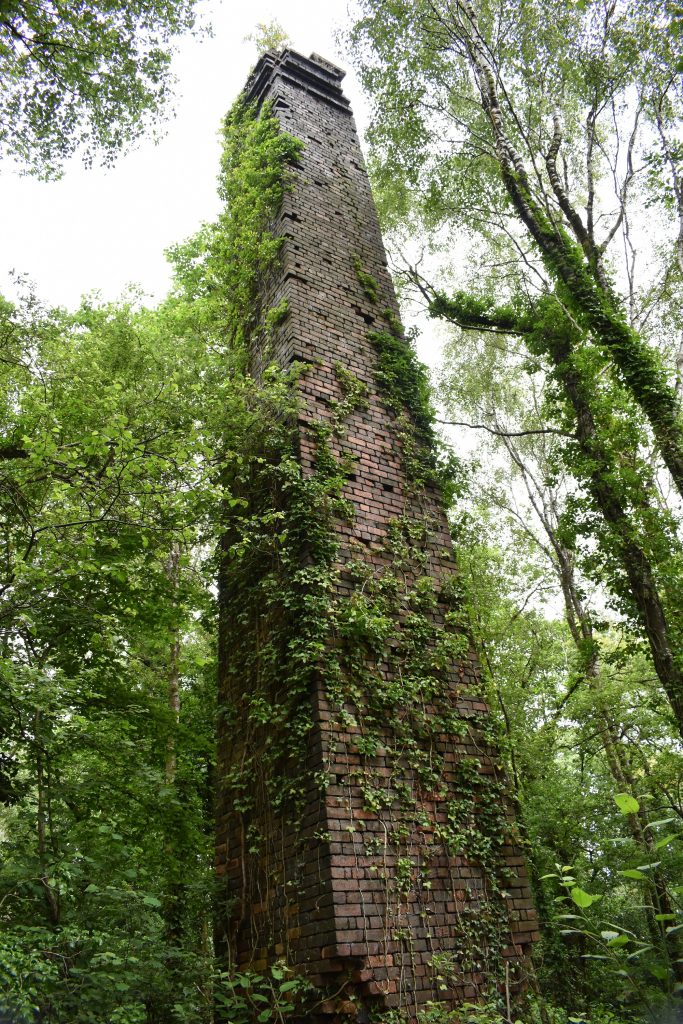
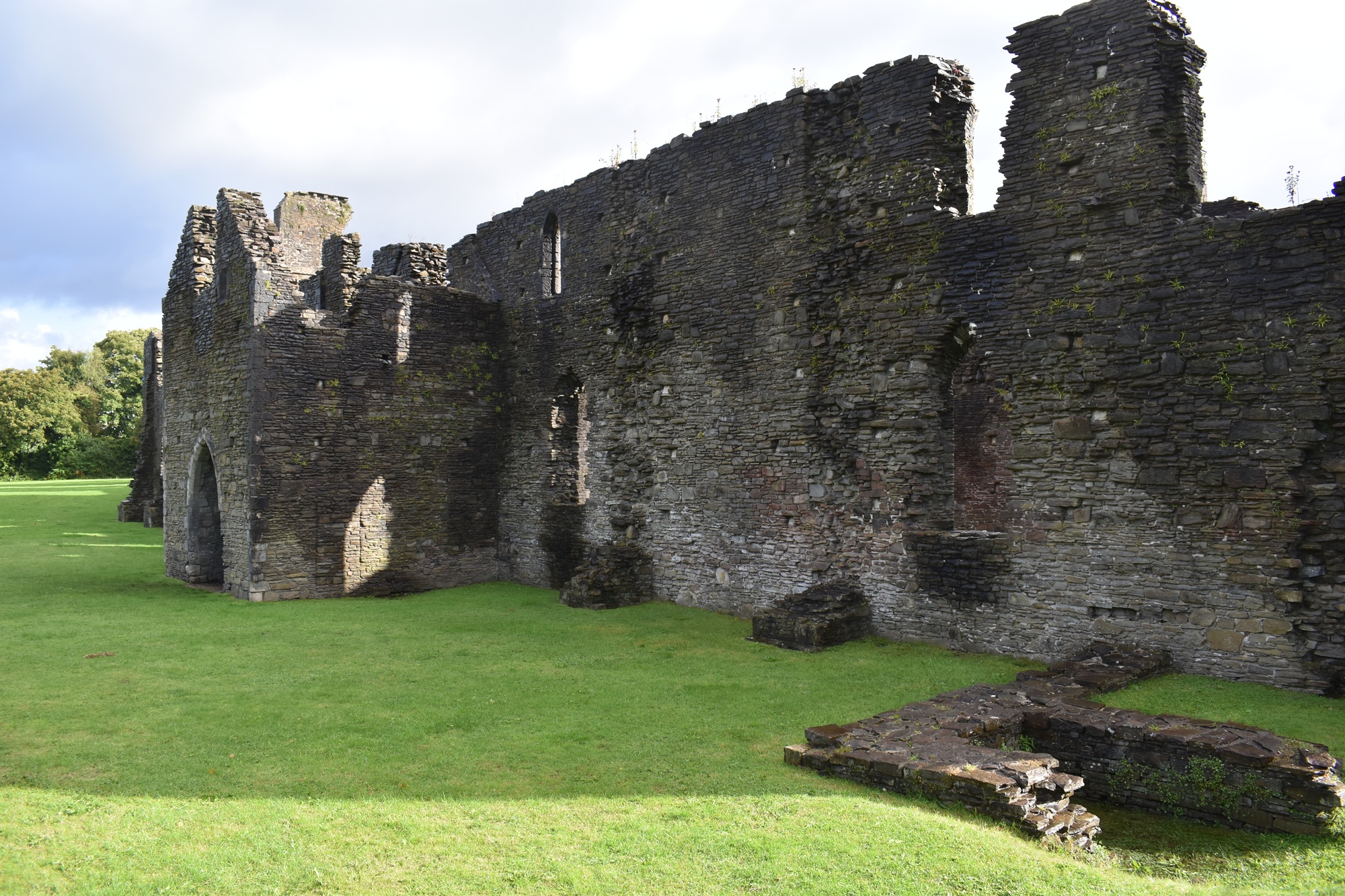
The Cardonnel Tin-Plate Works 1891 – 1940.
The Cardonnel Tin-Plate Works officially opened in 1891.
The works were most favourably situated on what is known as the Burrows, alongside the Tennant canal and within five miles of the East Dock, Swansea.
The works were constructed based on the most trusted principles. formally, there was only two mills, but soon the company expanded the facilities to have eight mills operating at full capacity.
The premises were requisitioned by the Ministry of Supply in 1942, and the buildings were put up for sale in 1948. Some ruins of the original works still remain today. More..
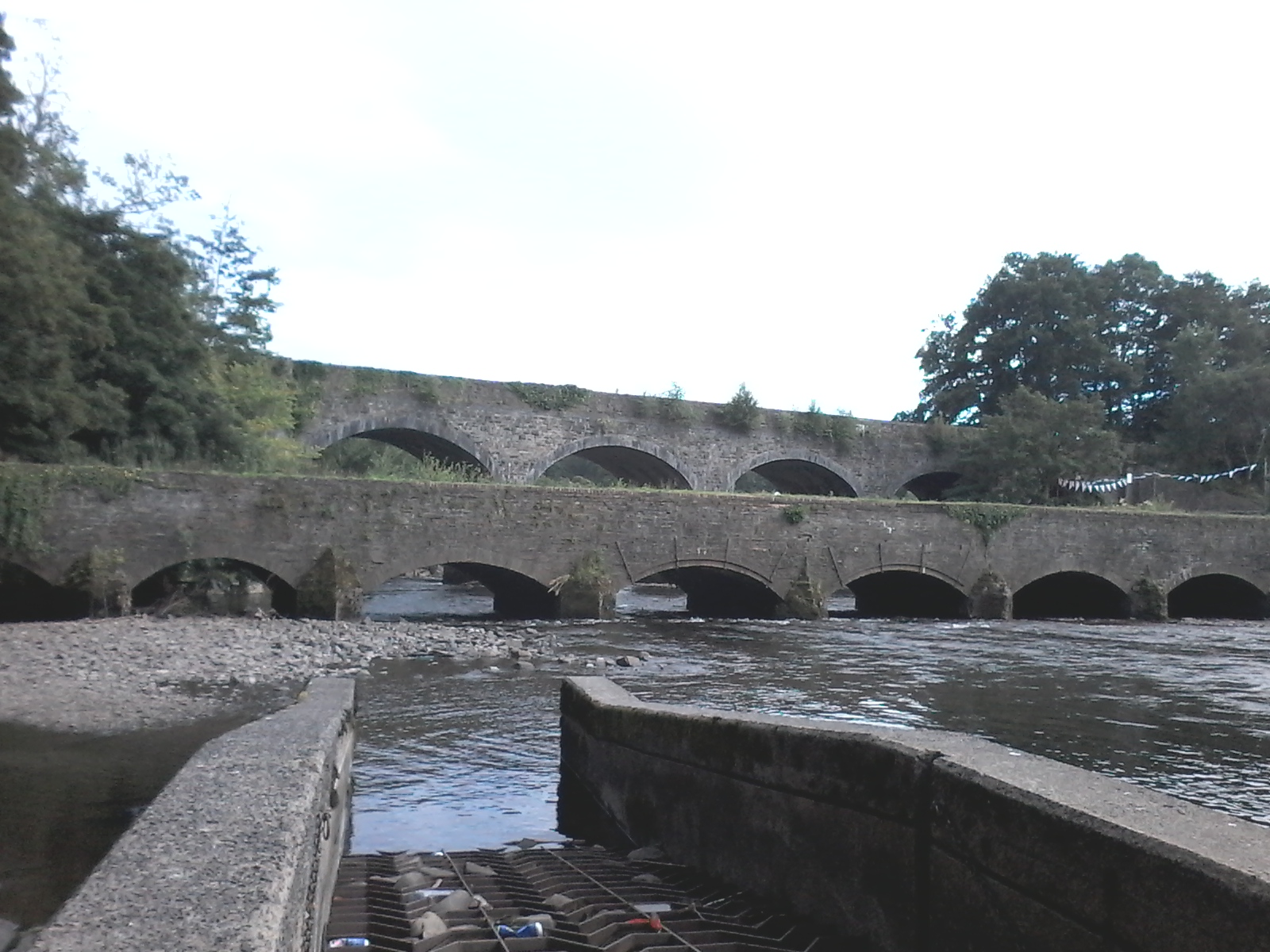
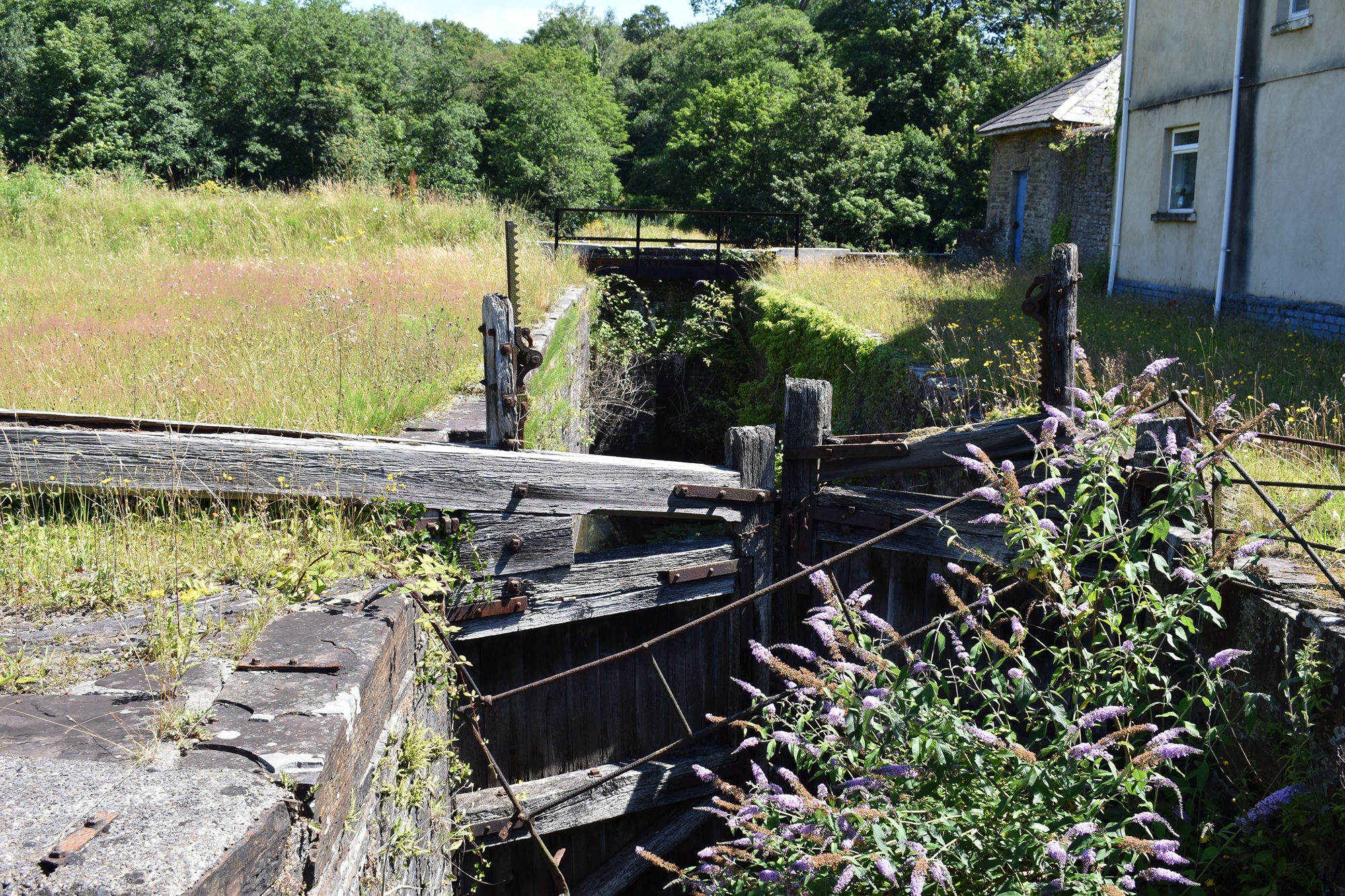
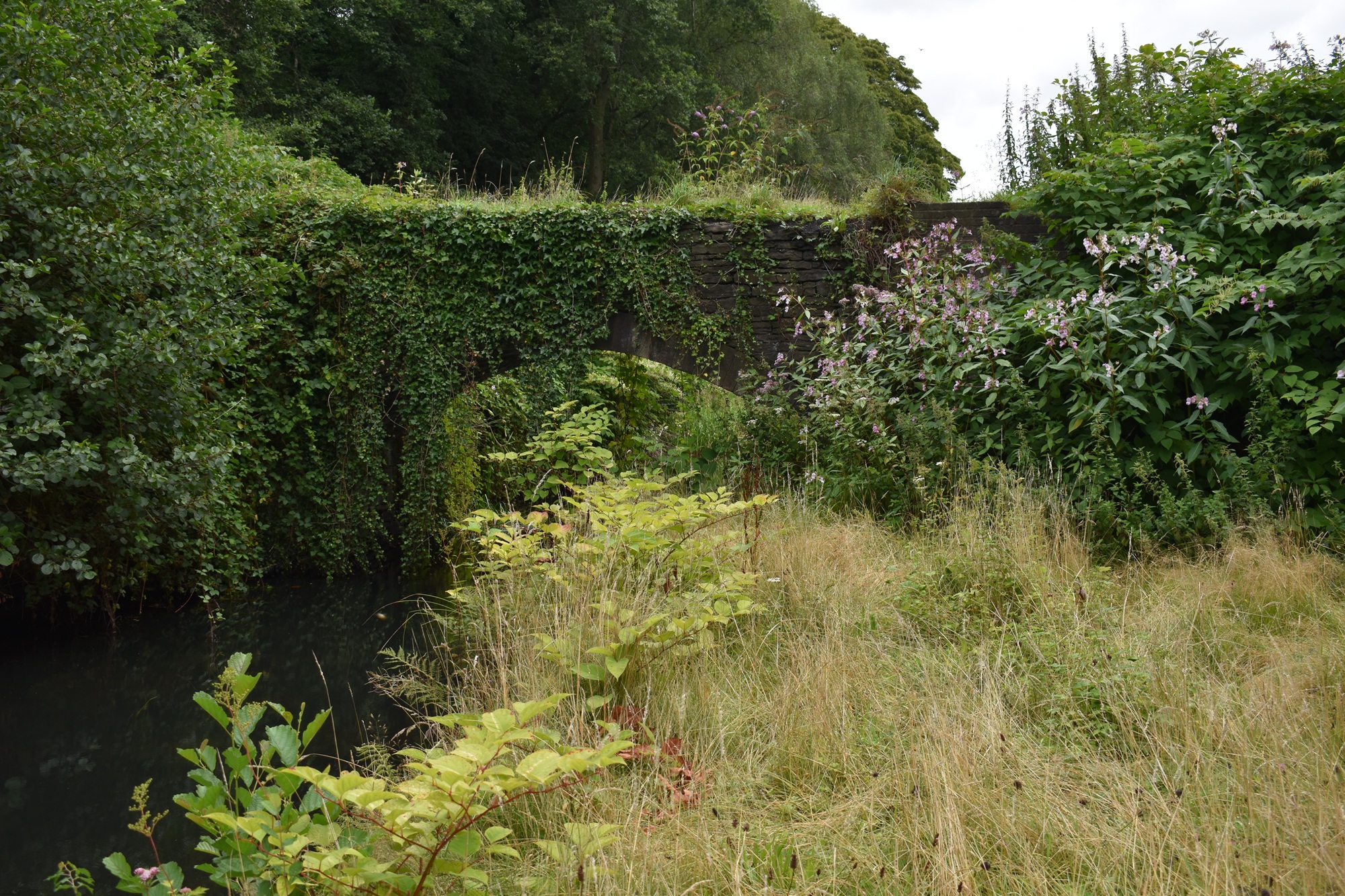
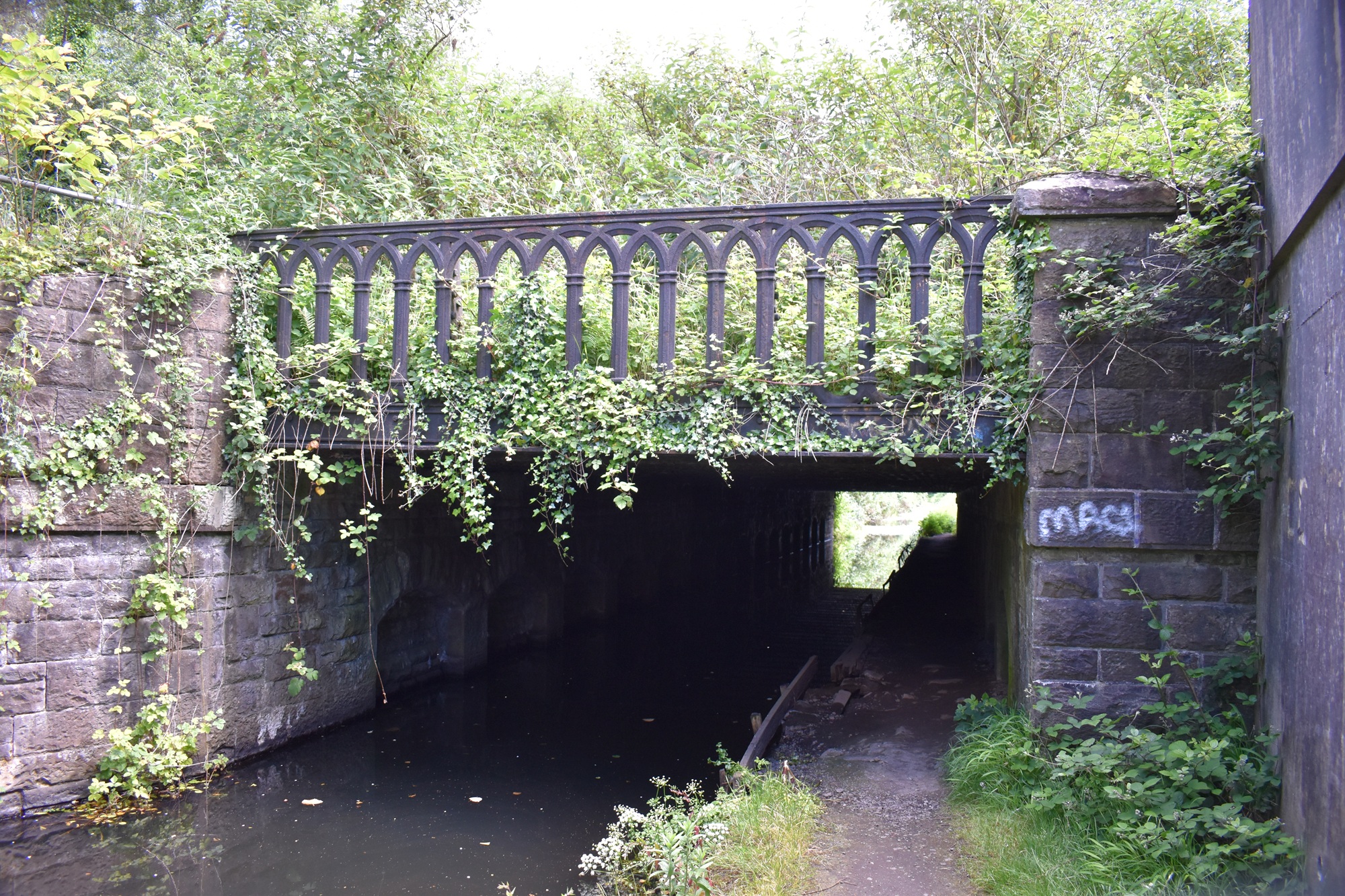
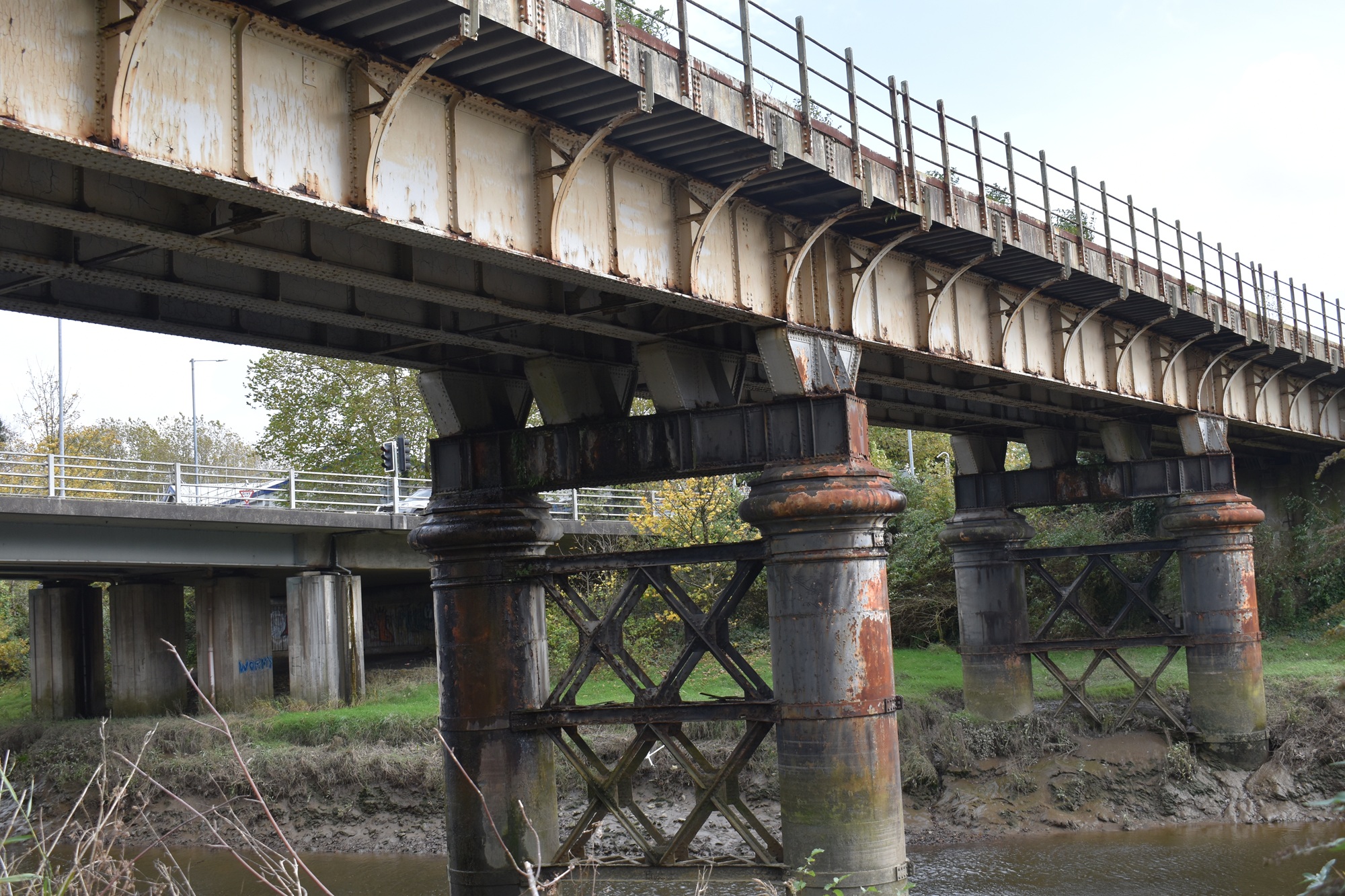
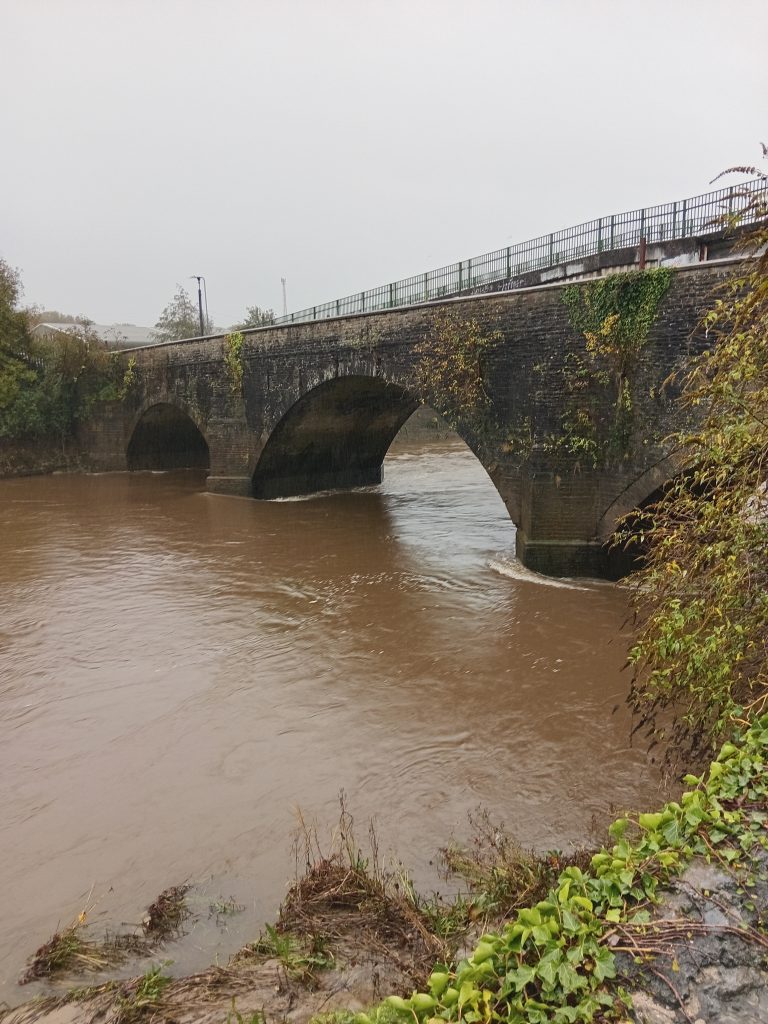
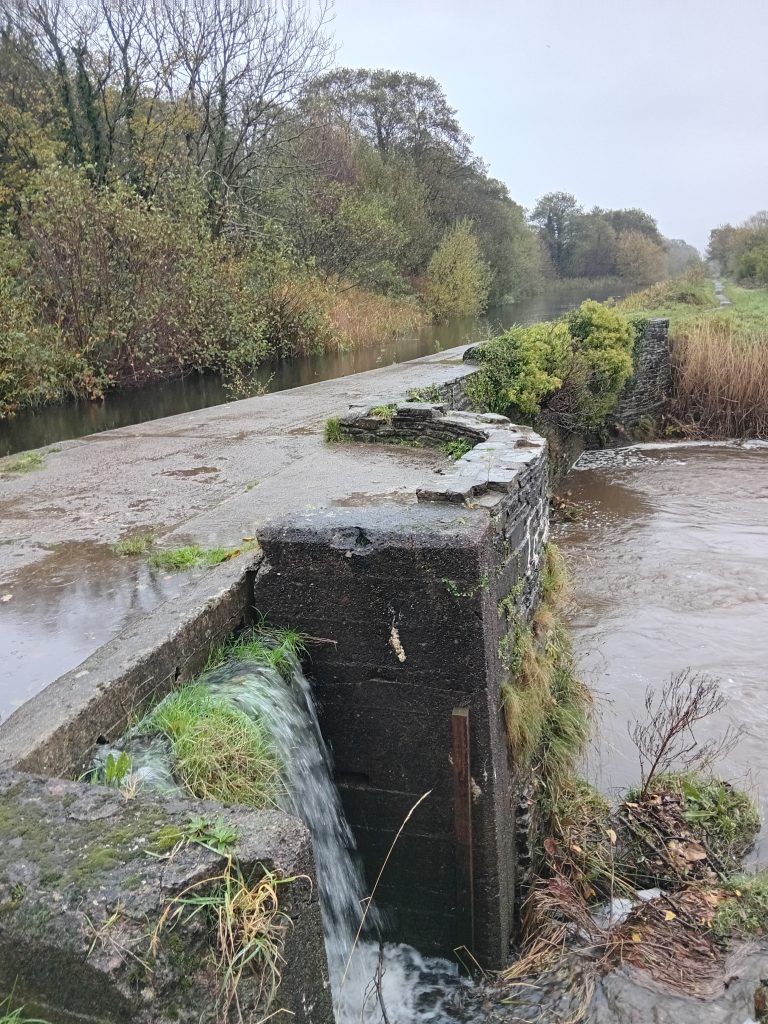
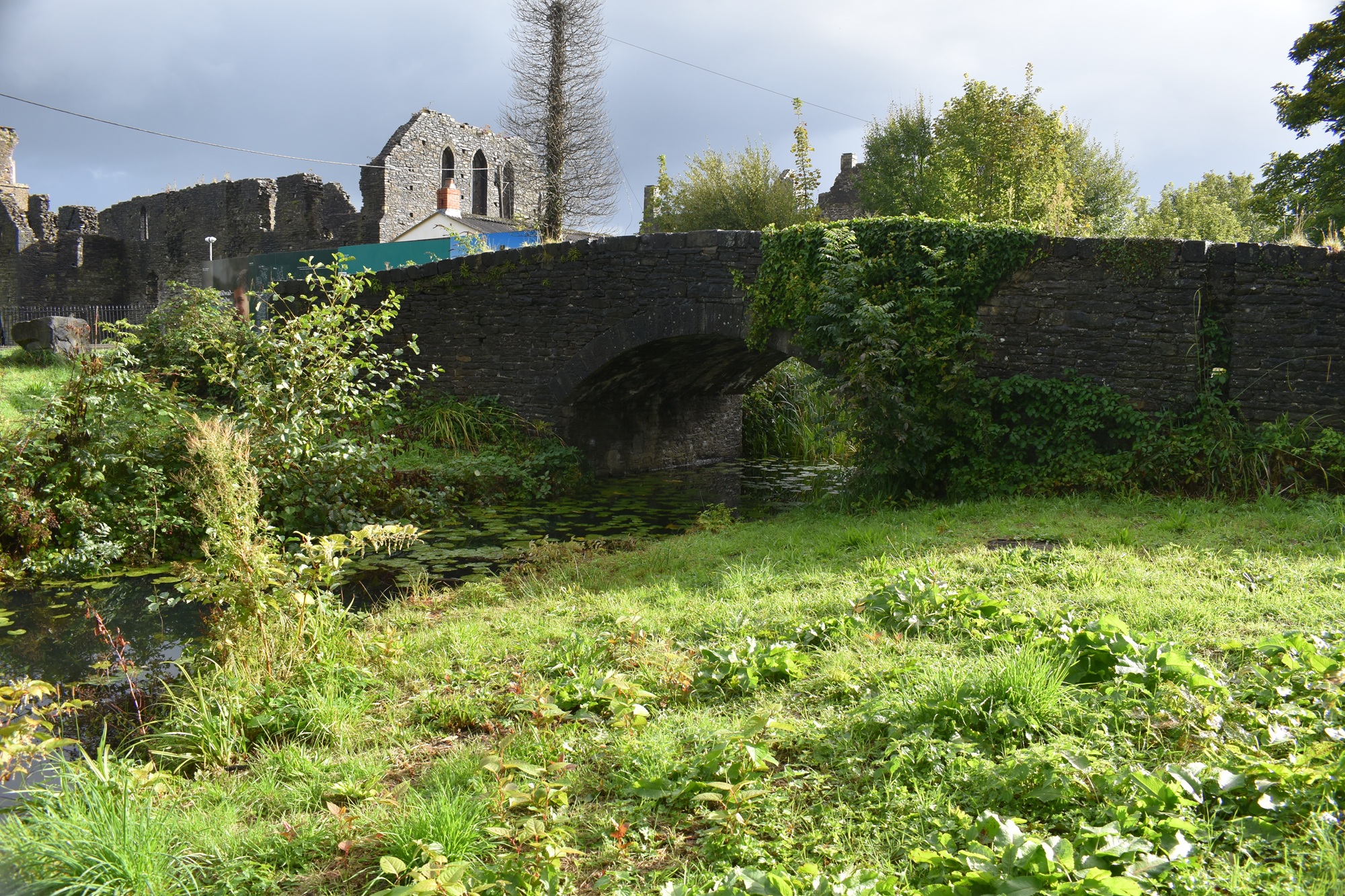
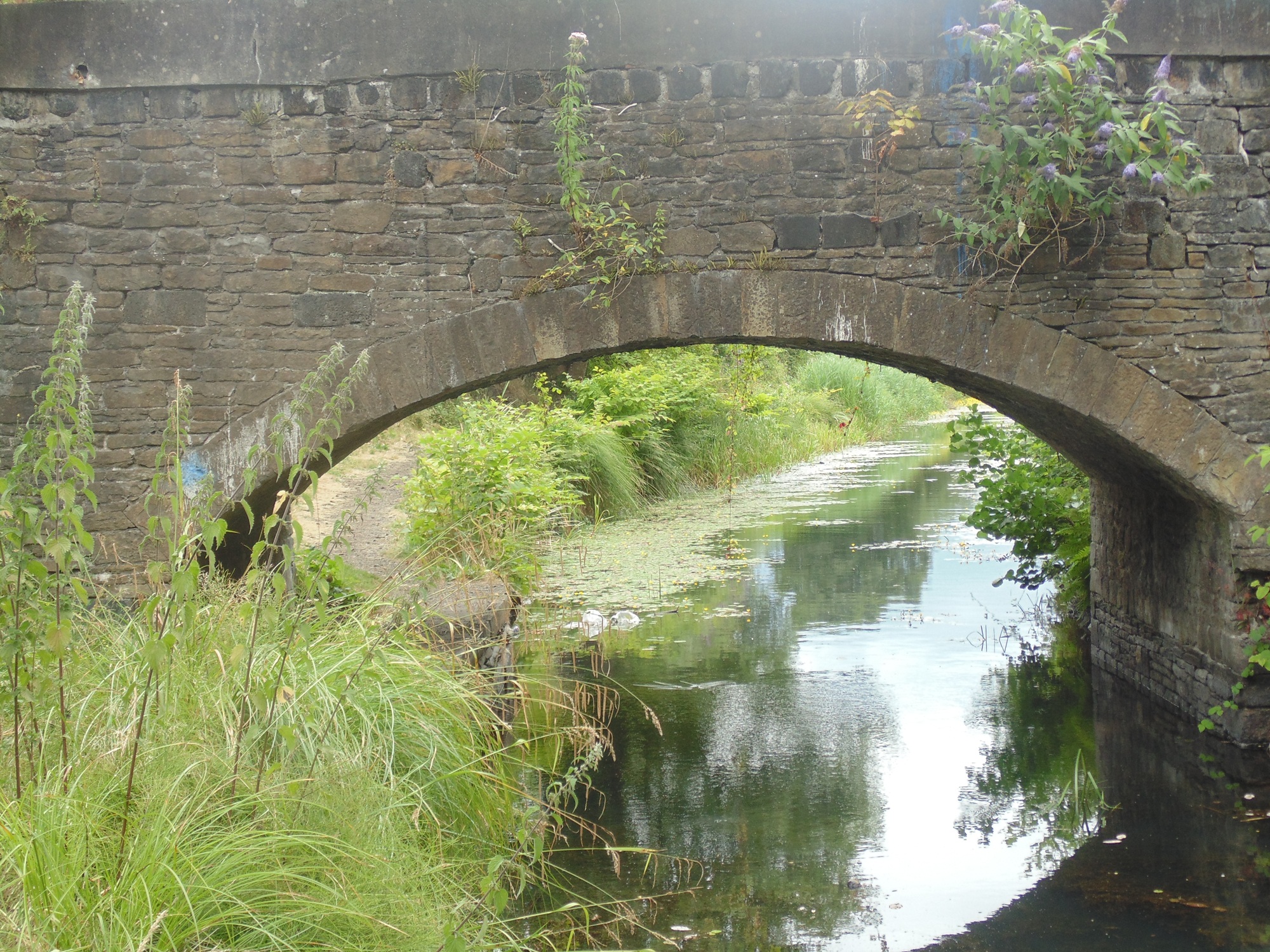
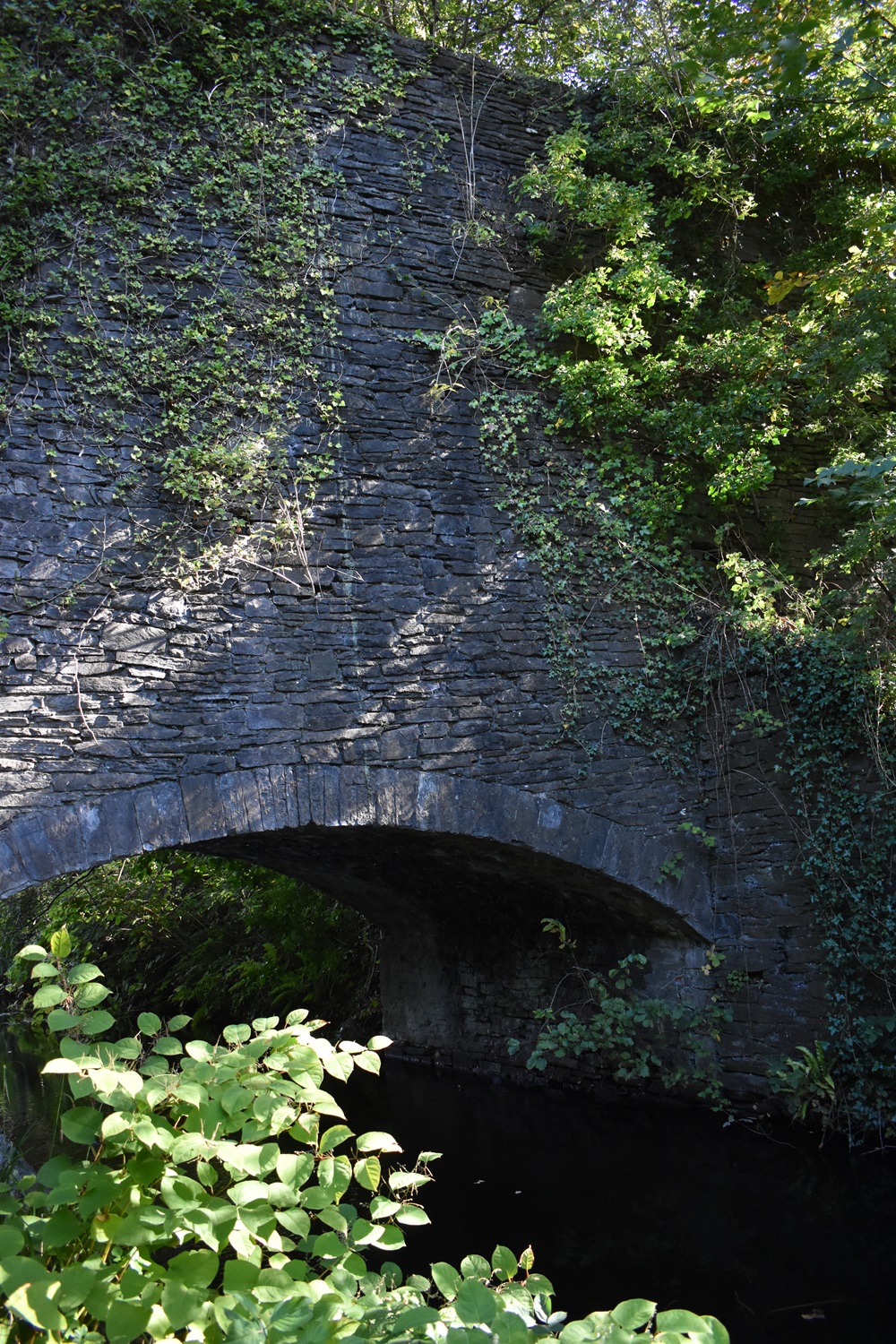
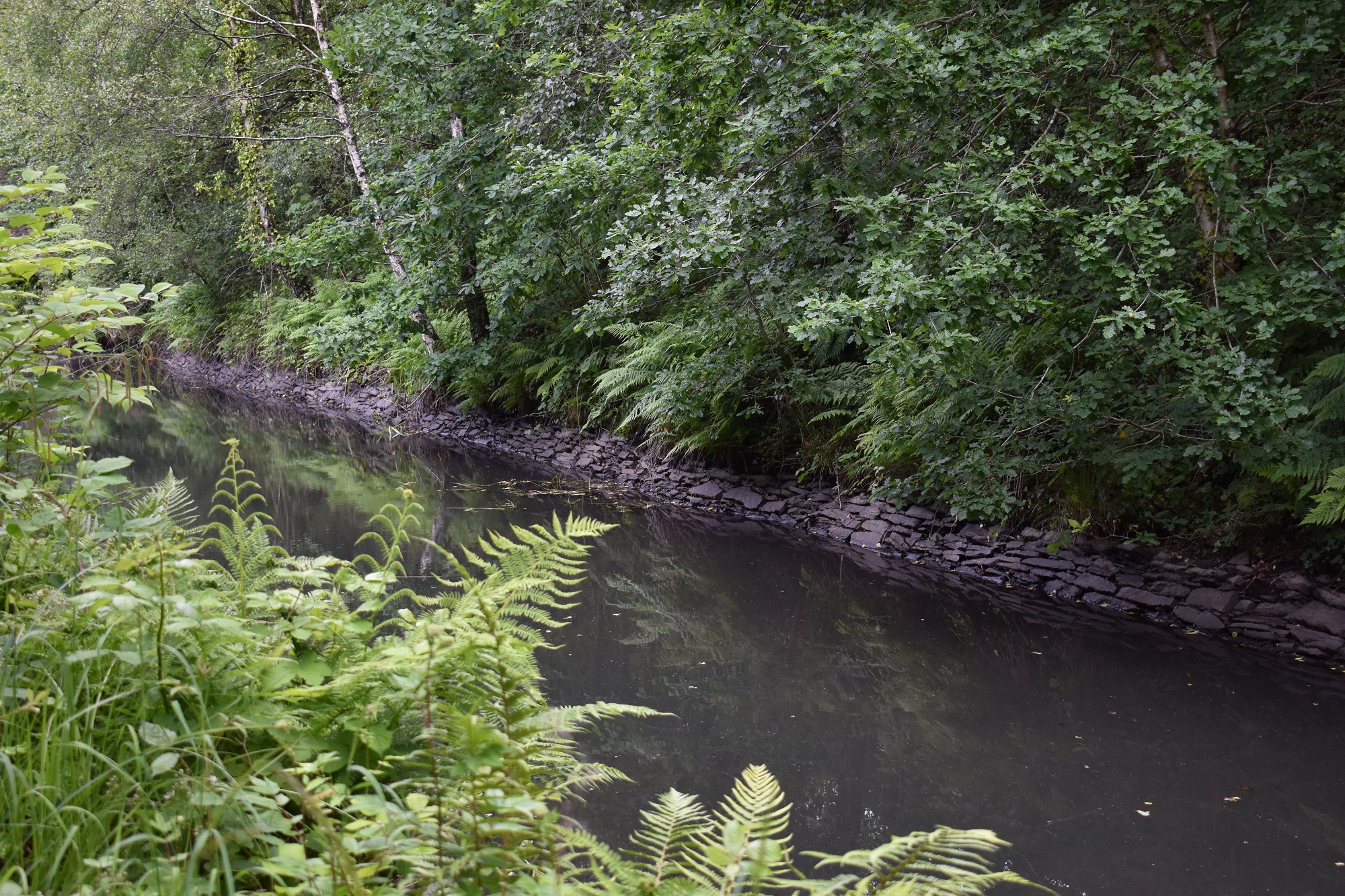
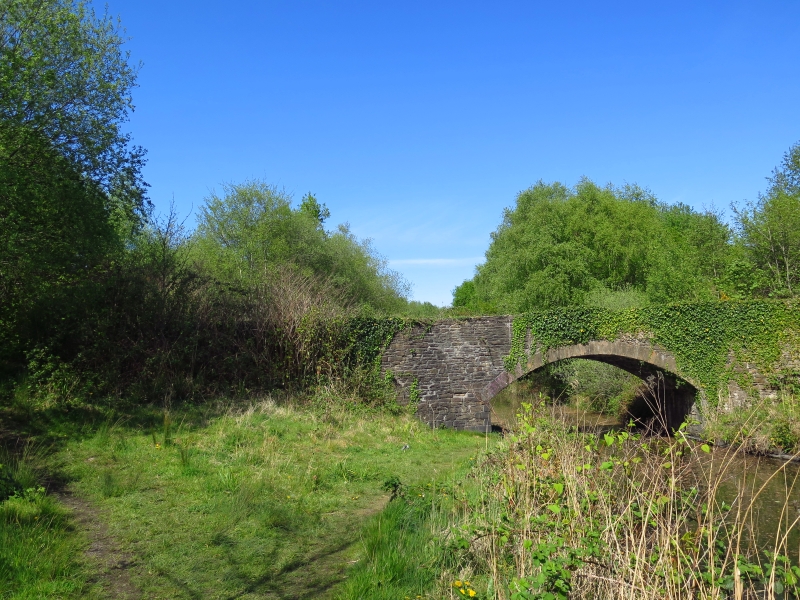
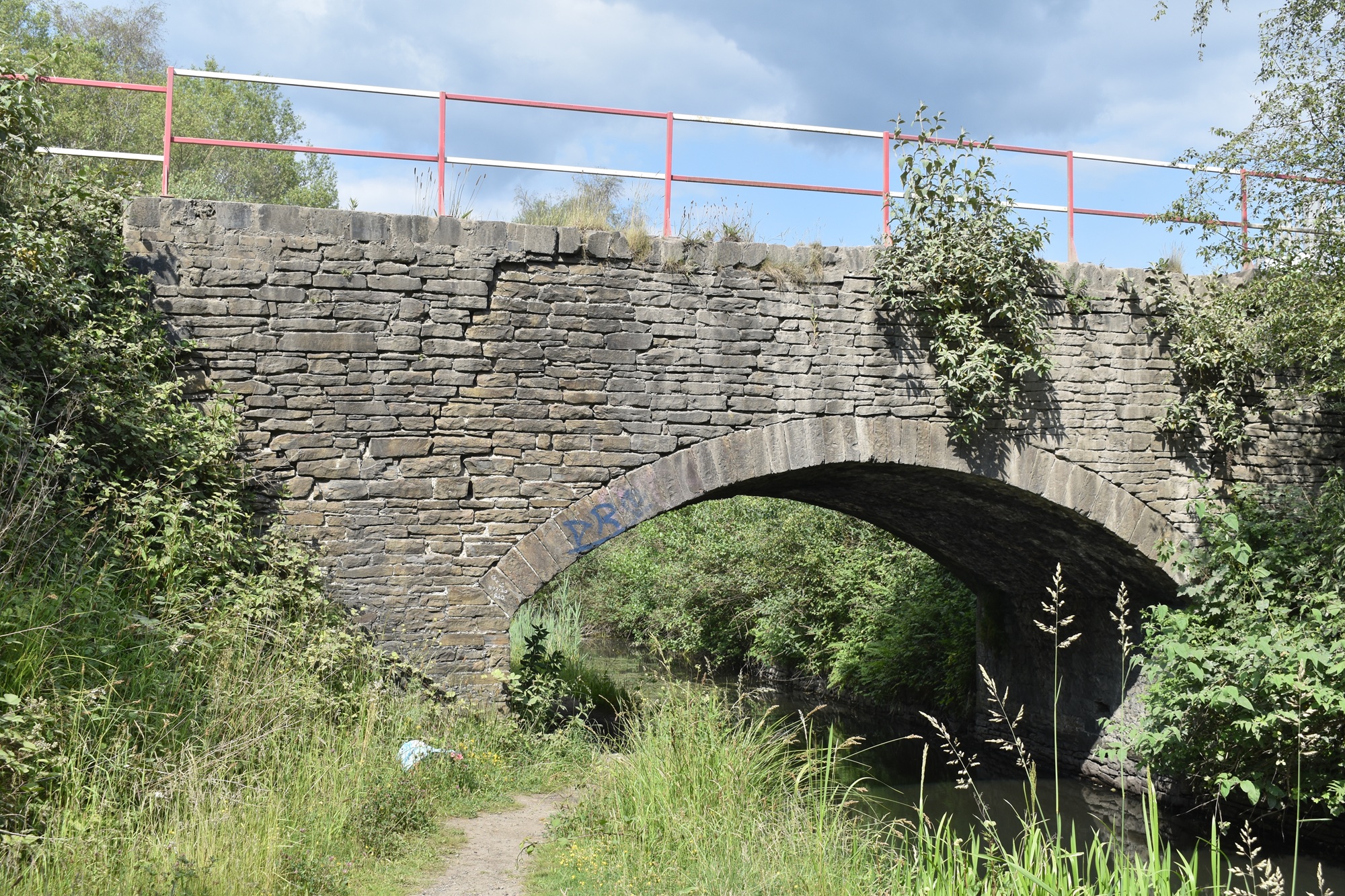
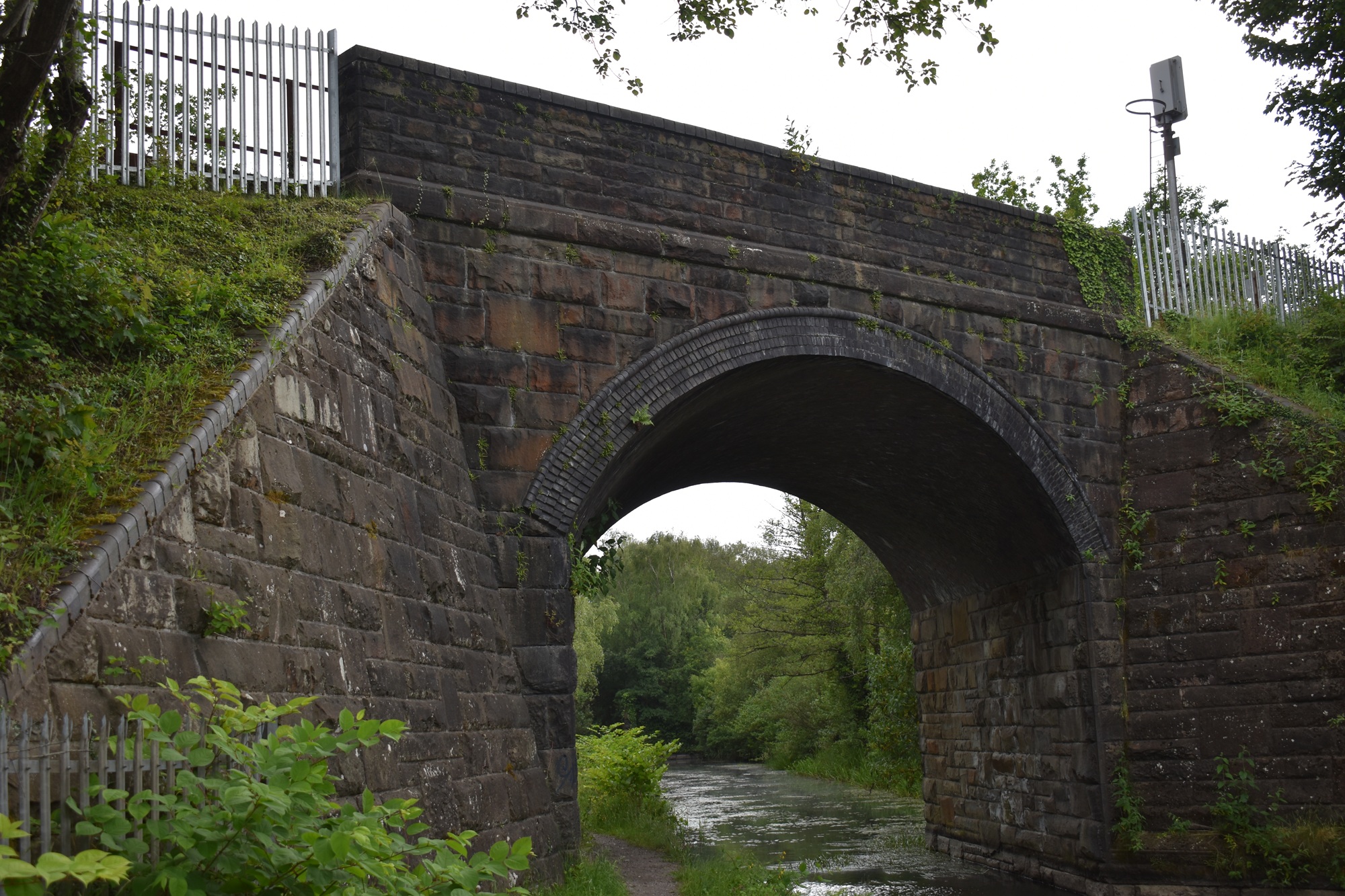
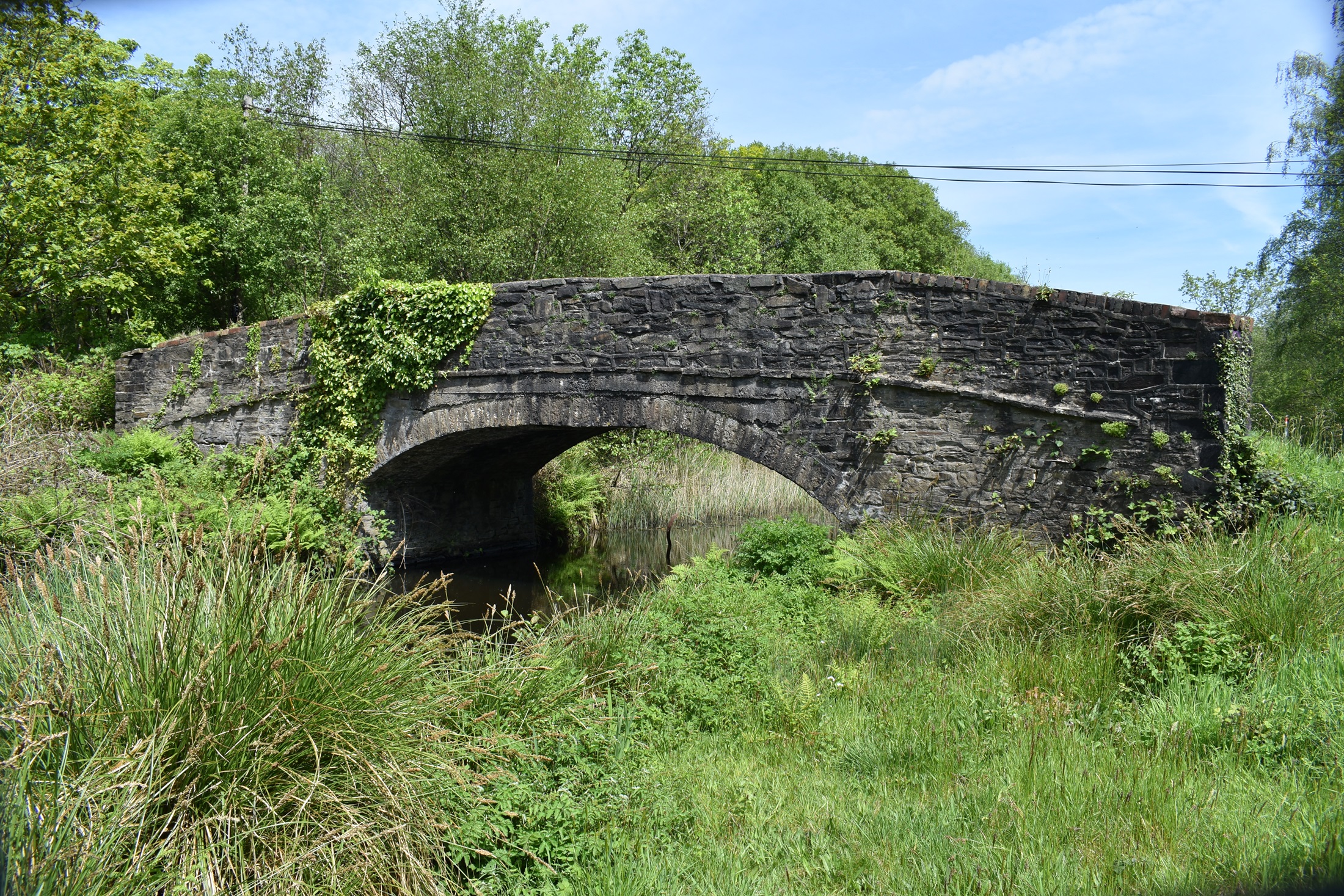
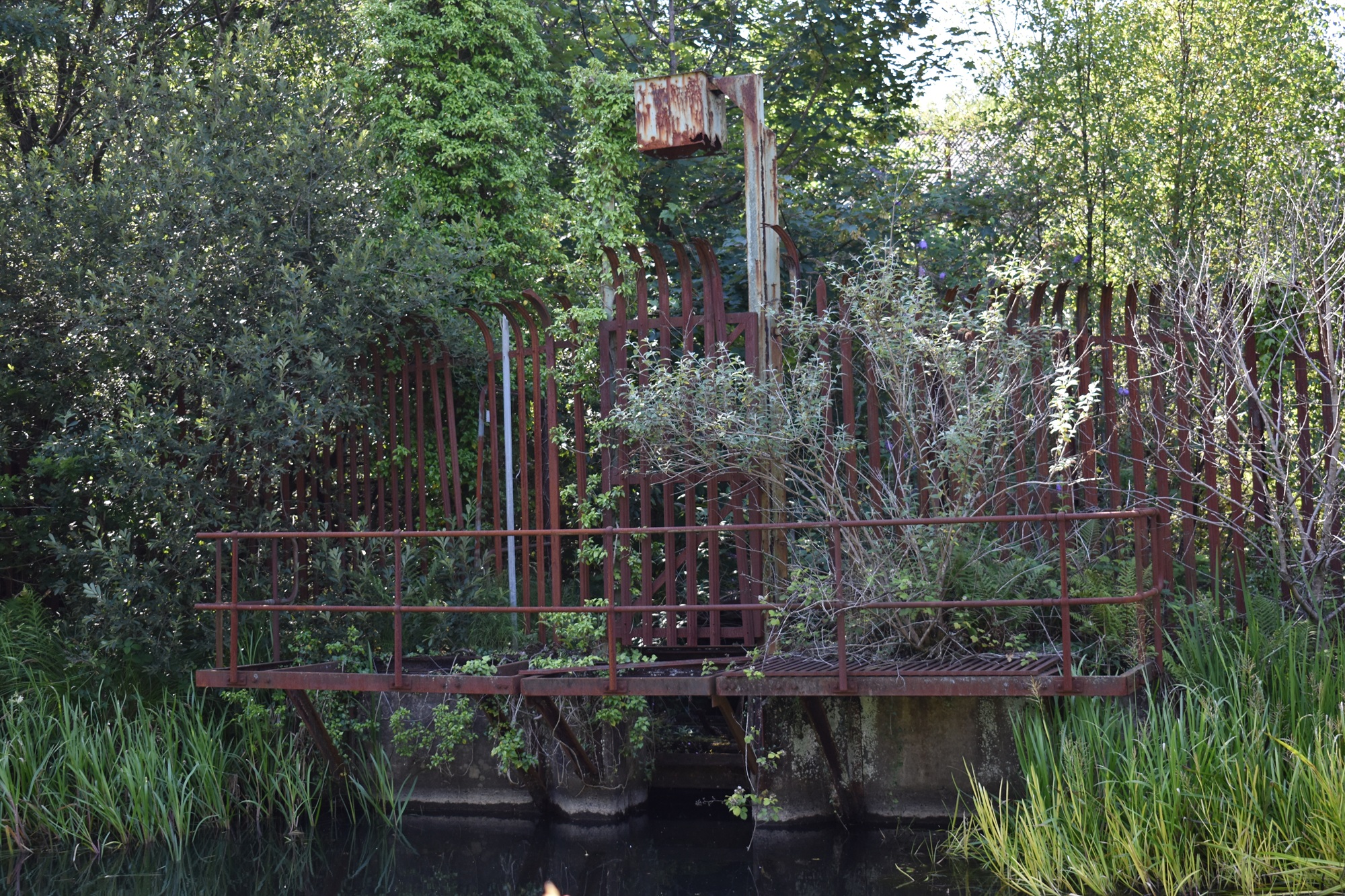
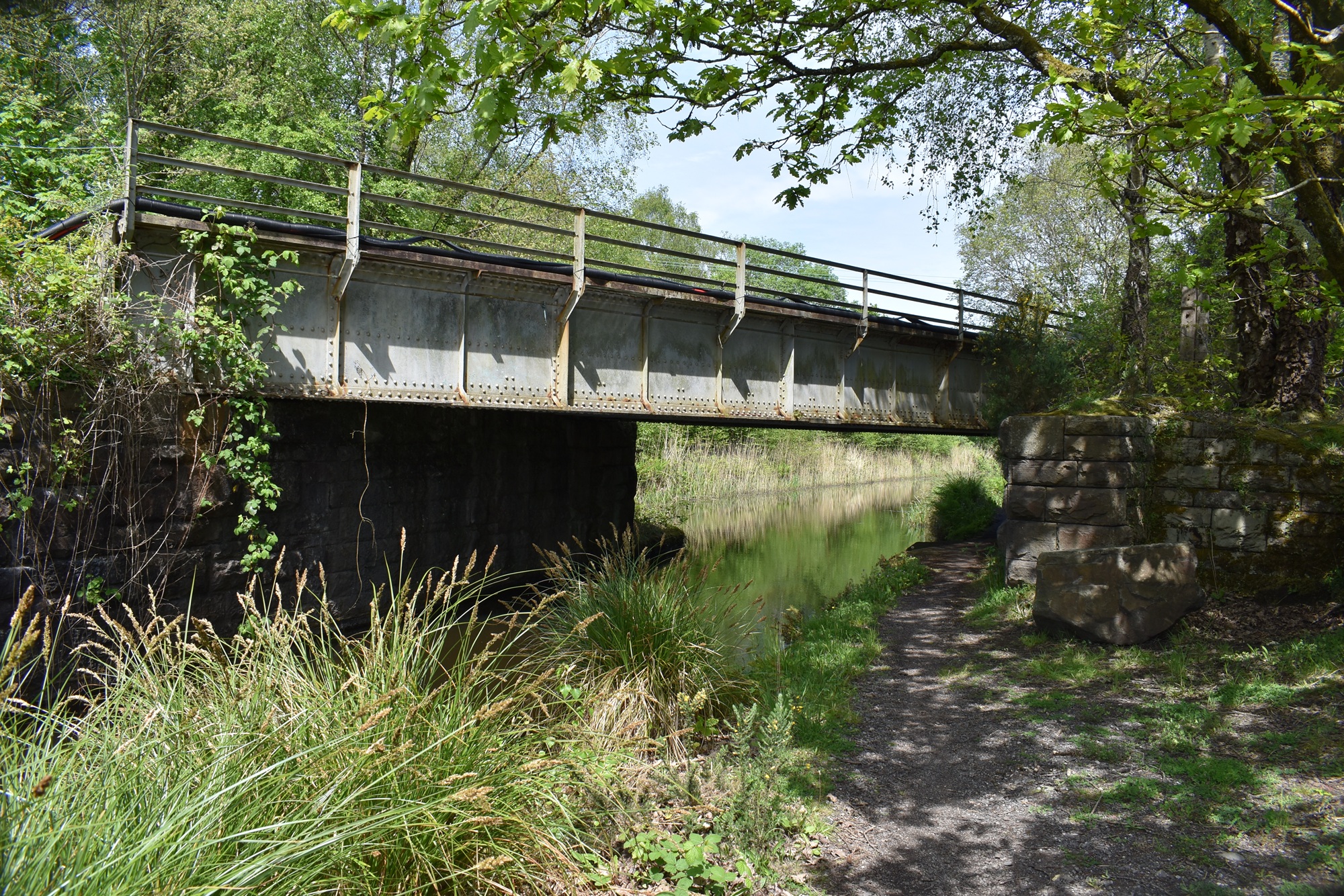
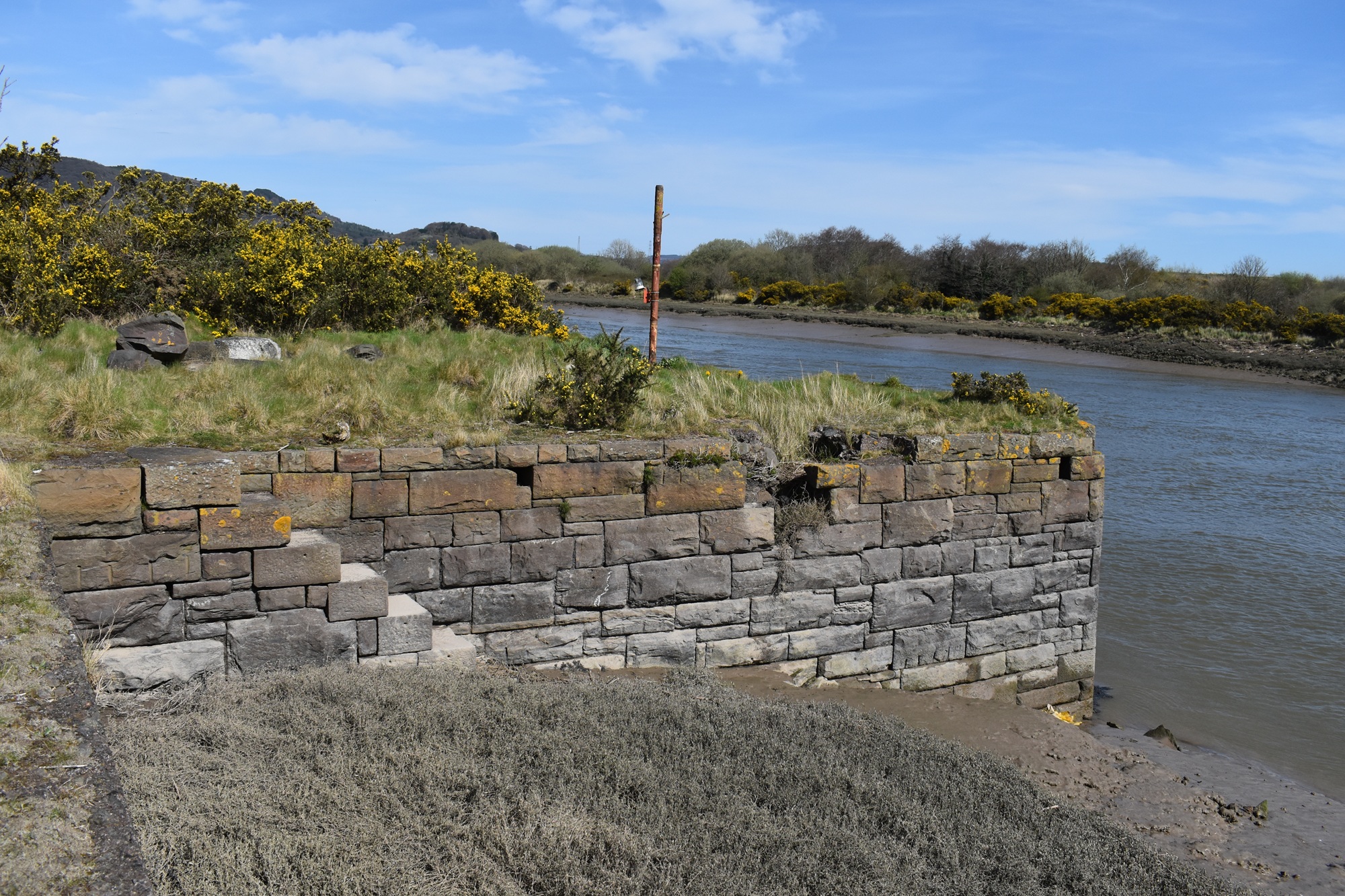
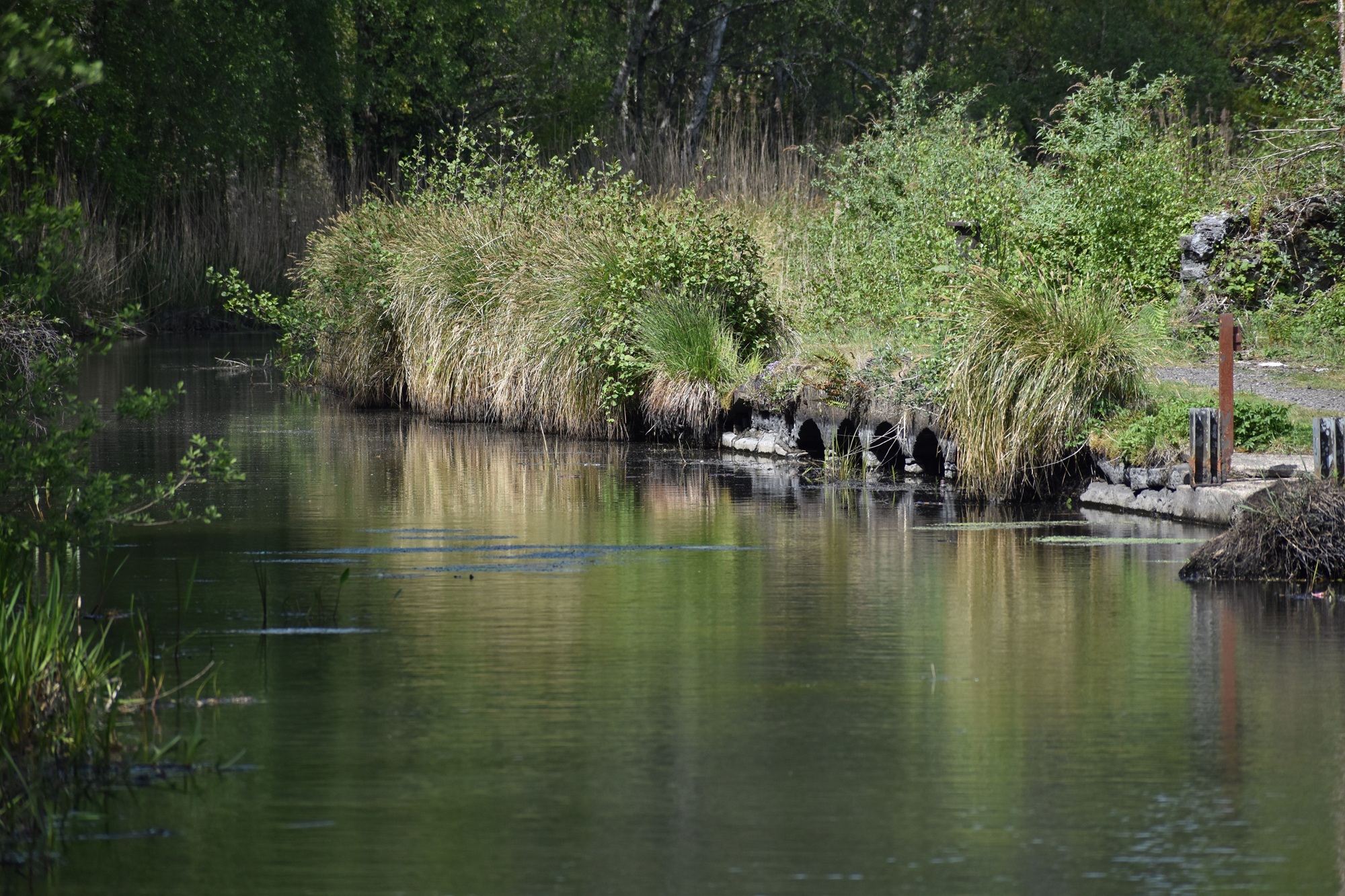
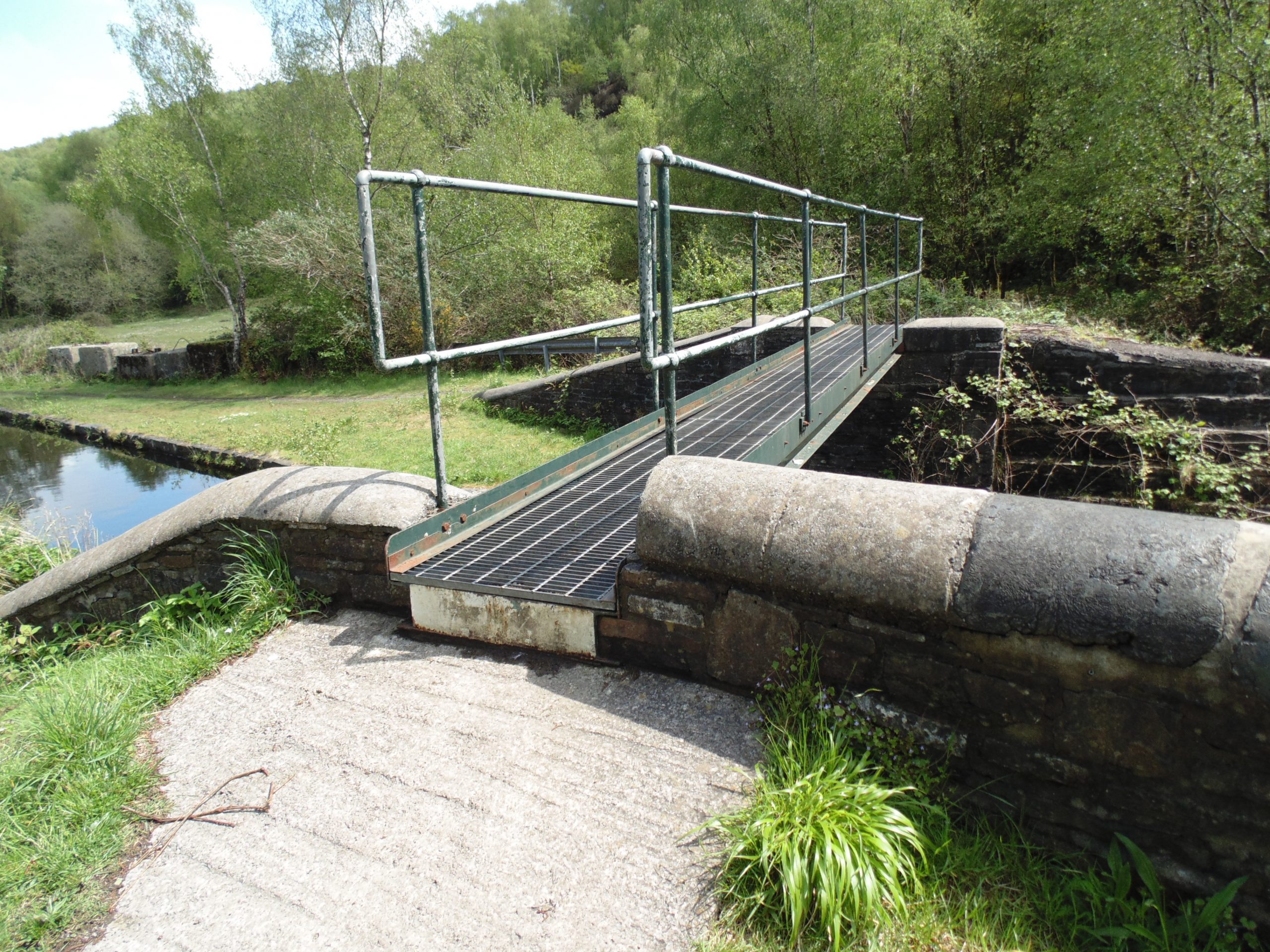
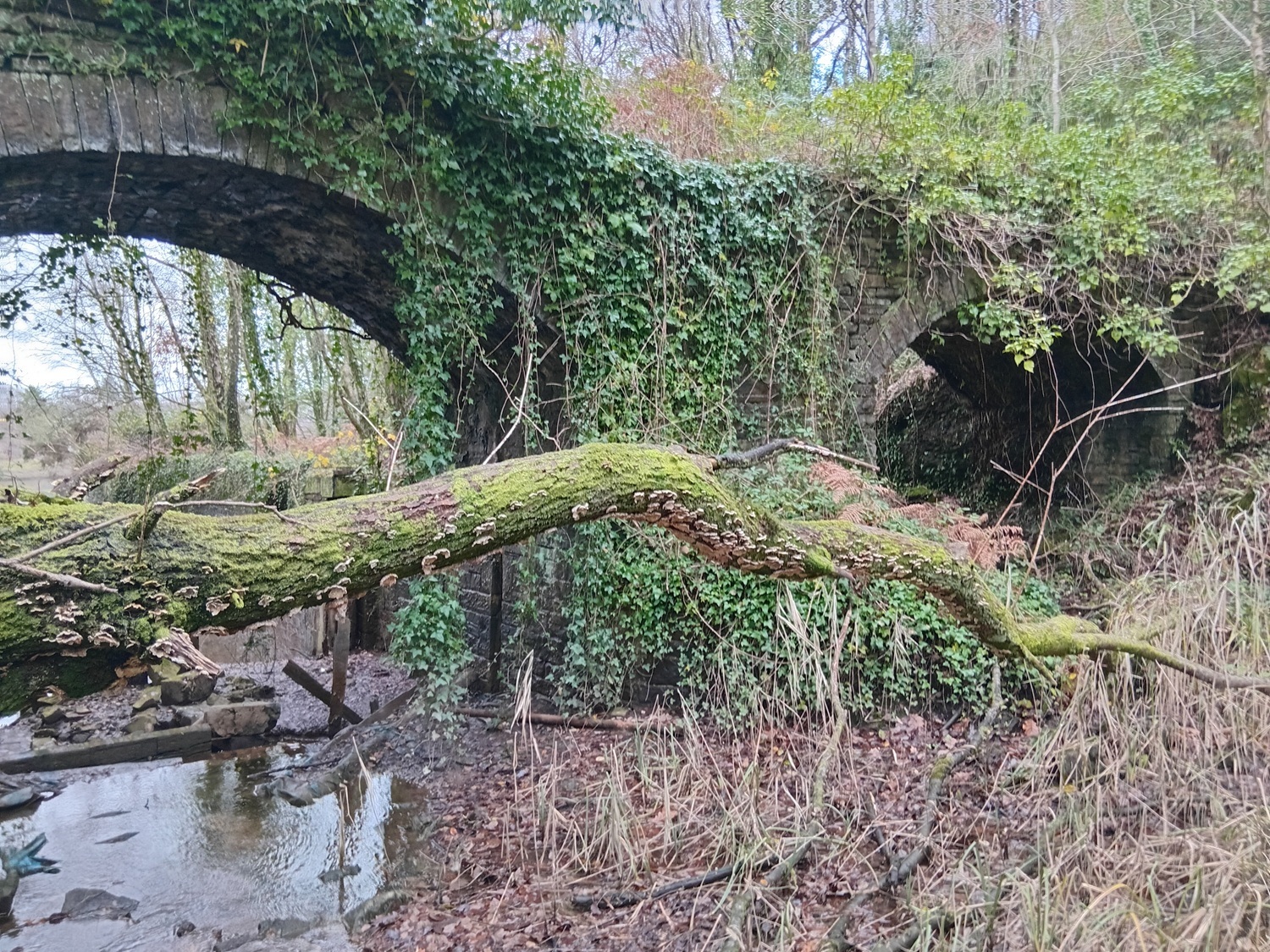
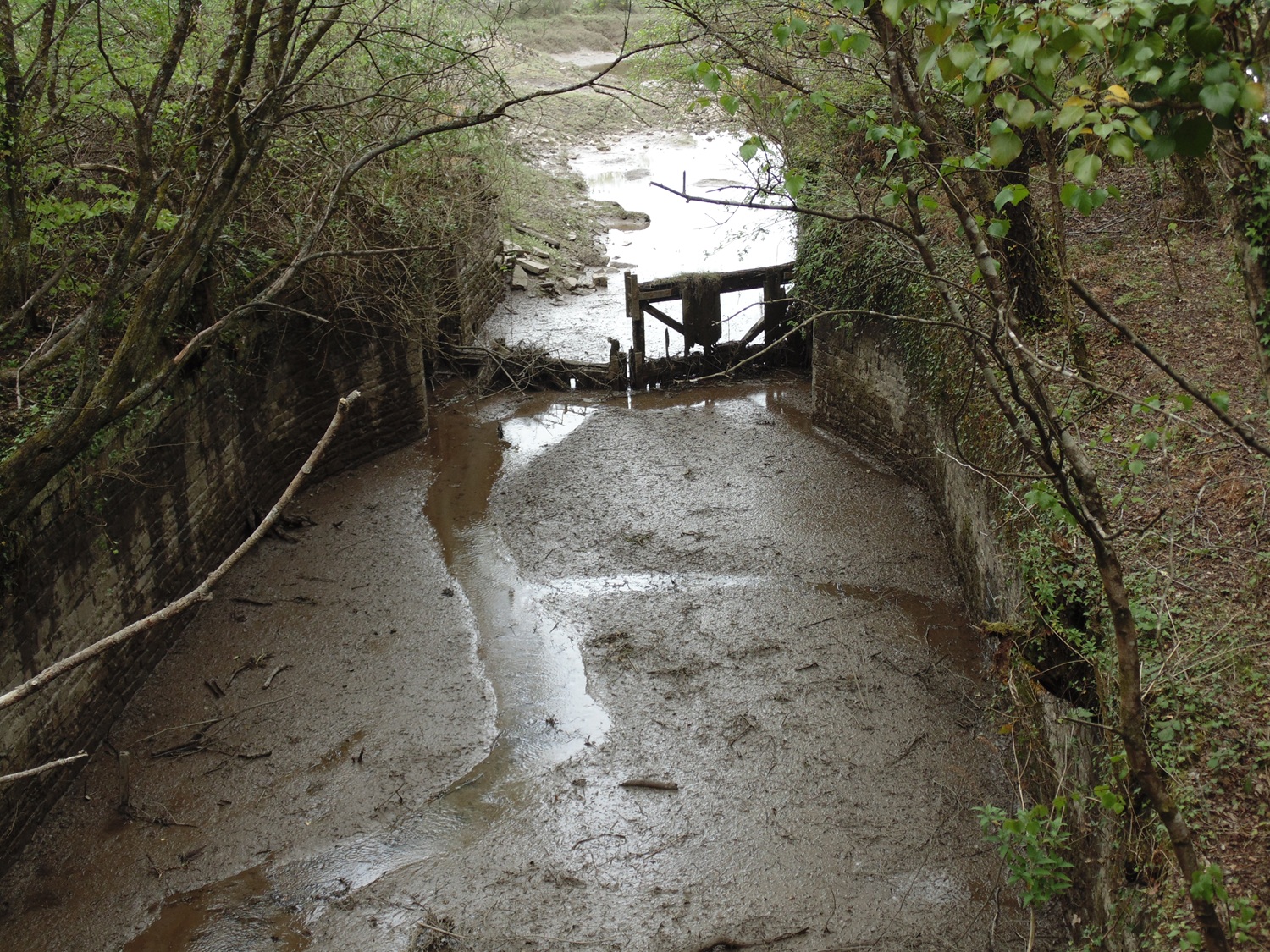
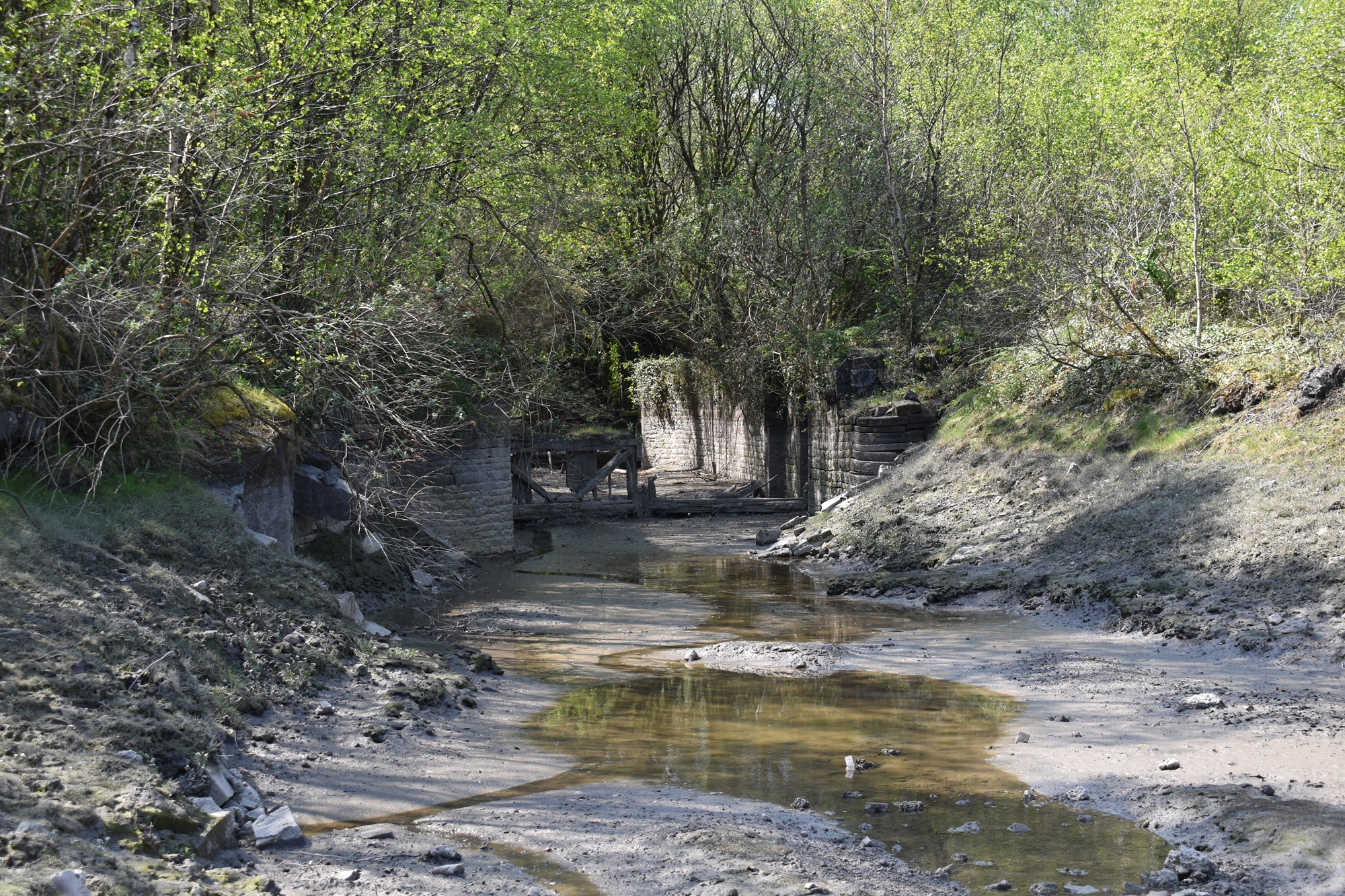
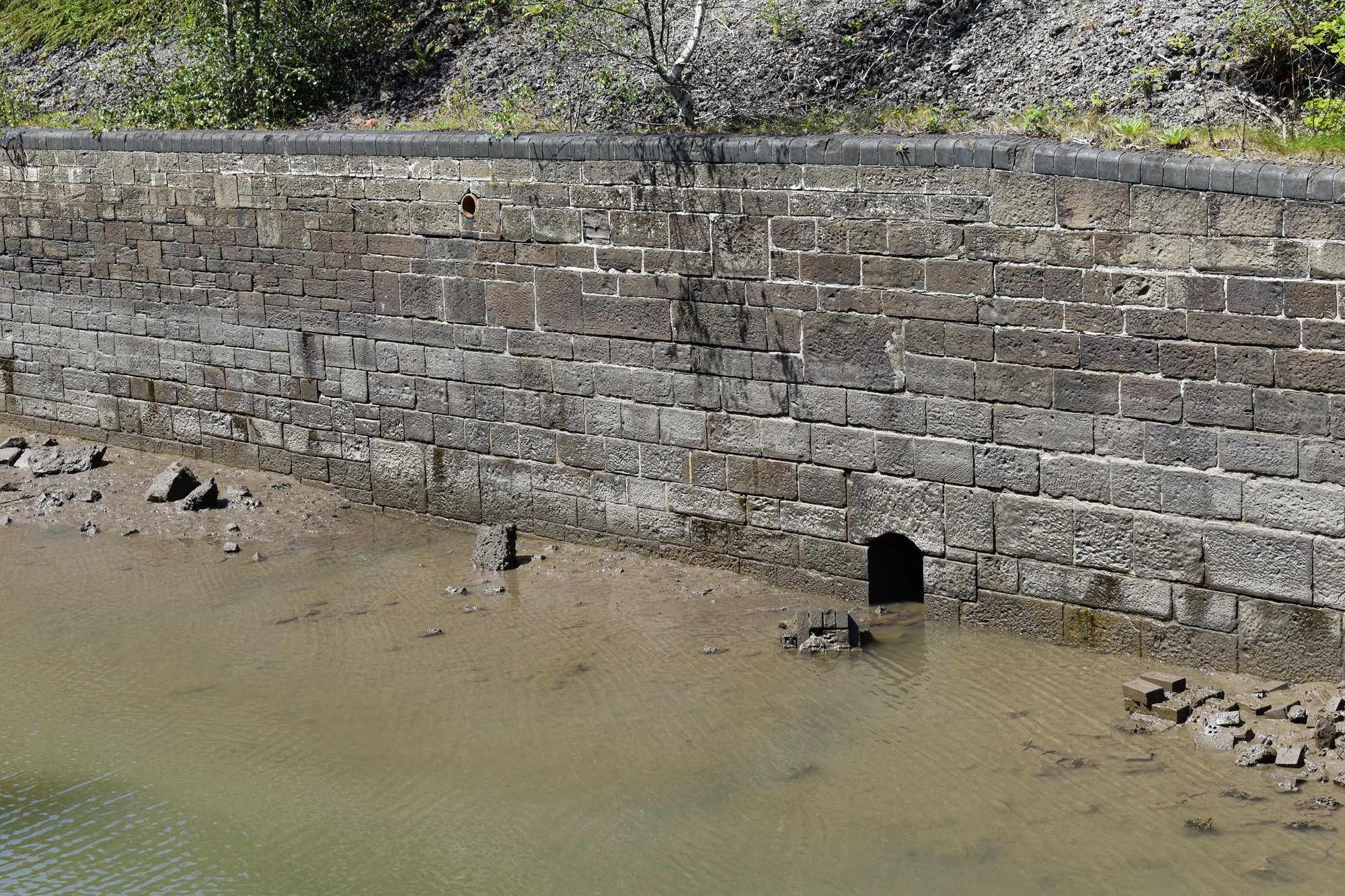
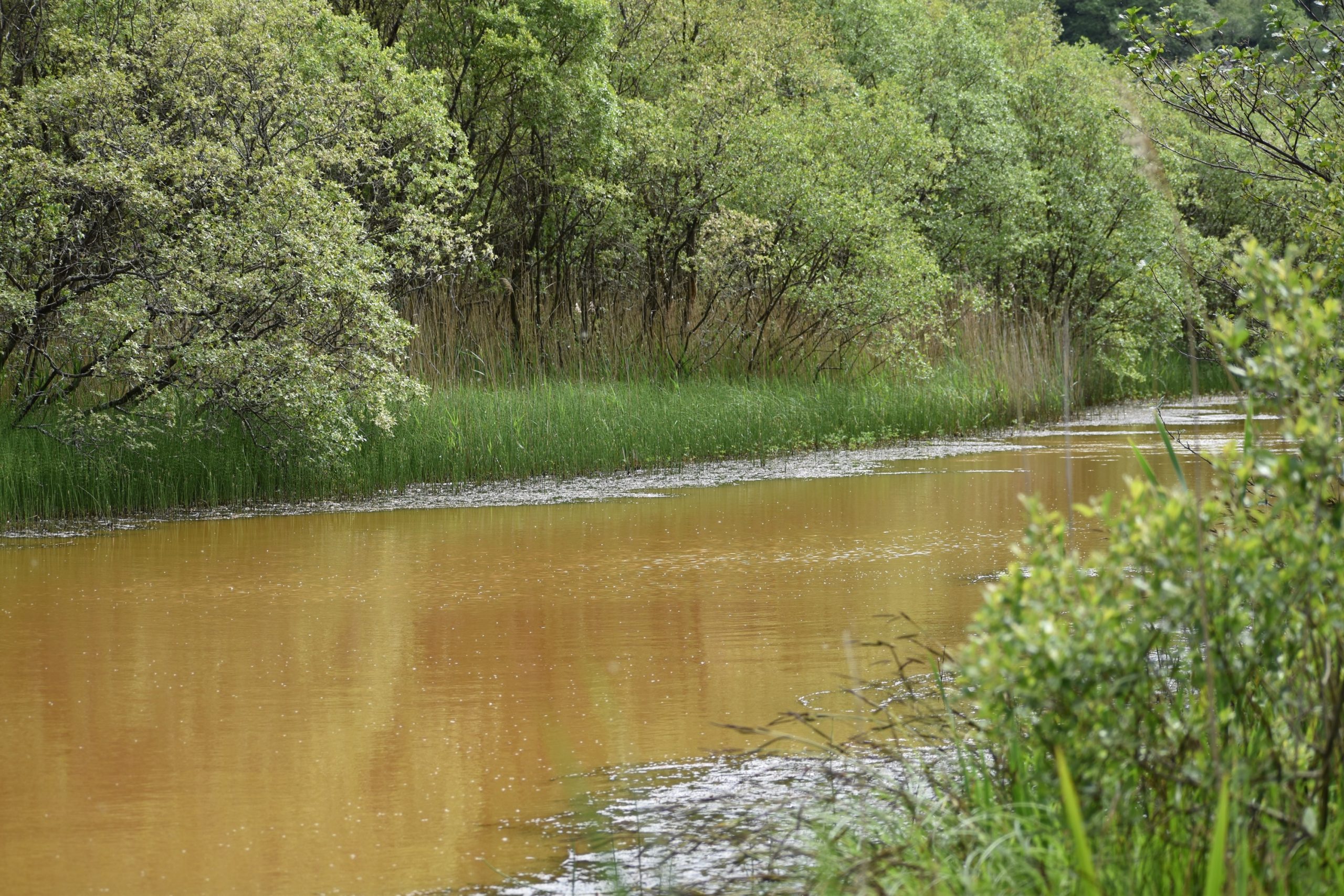
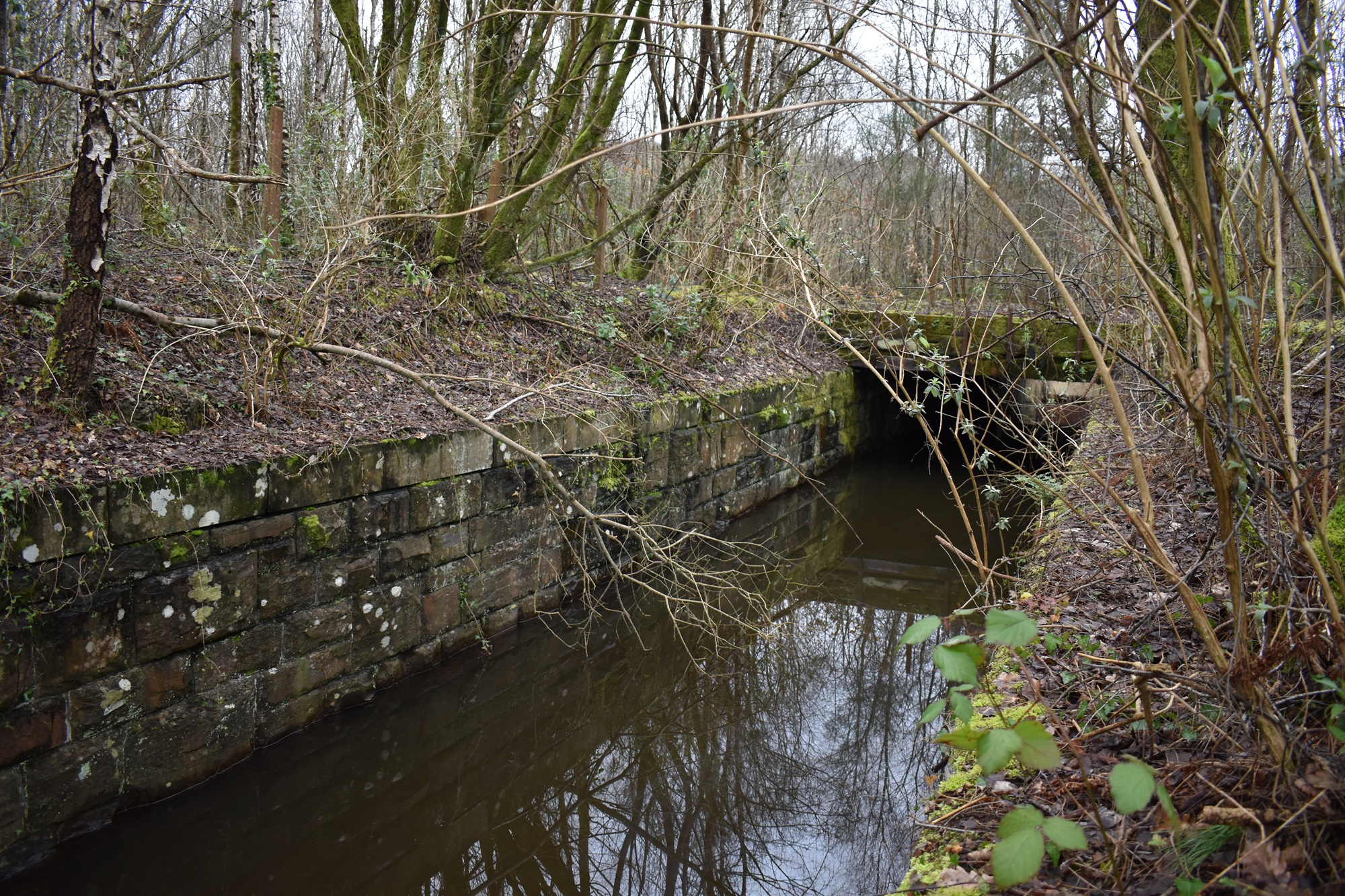
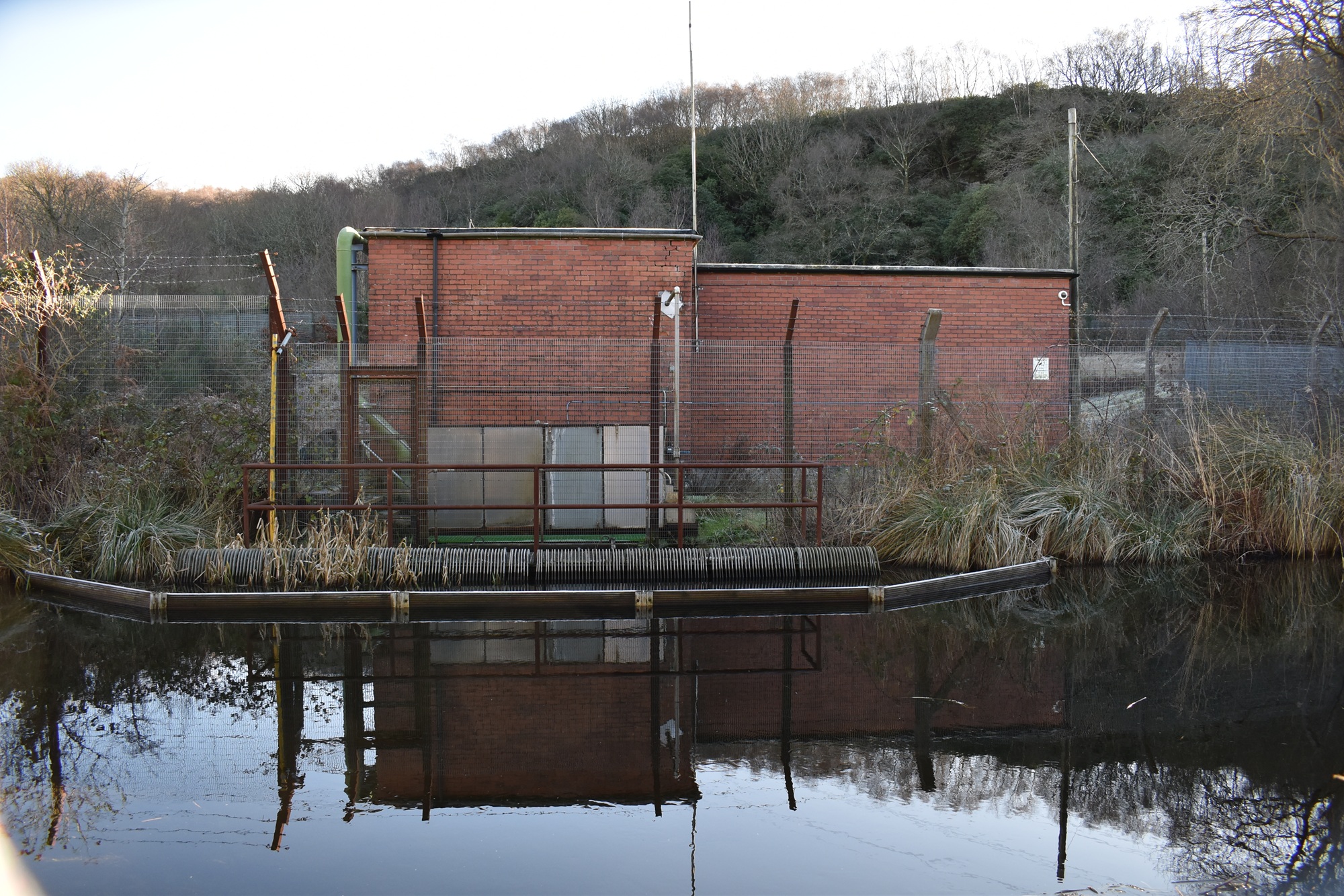
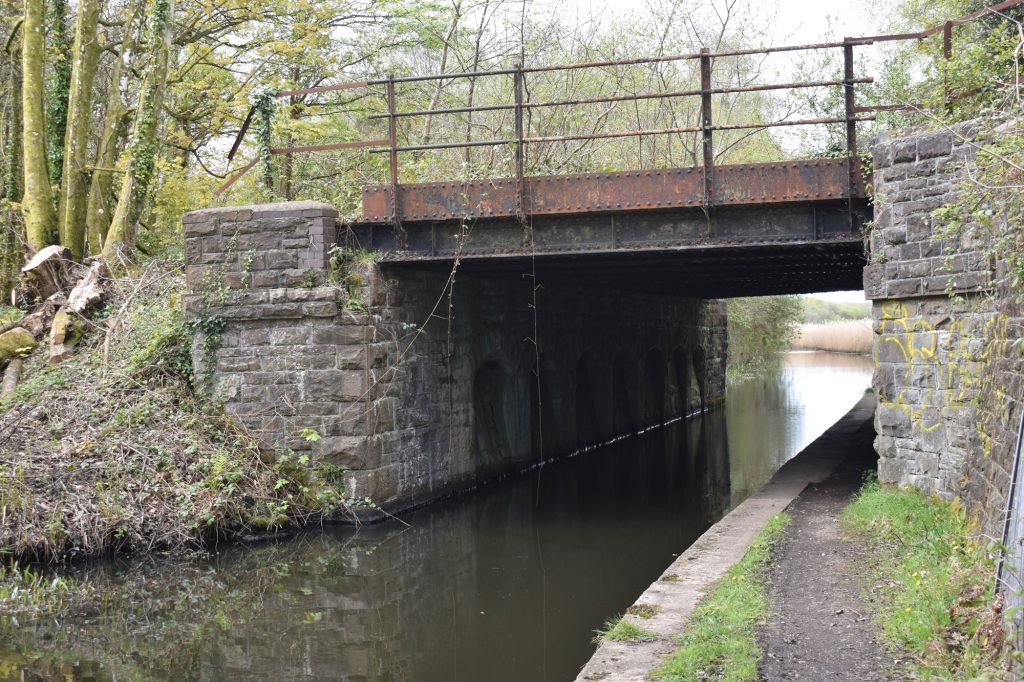
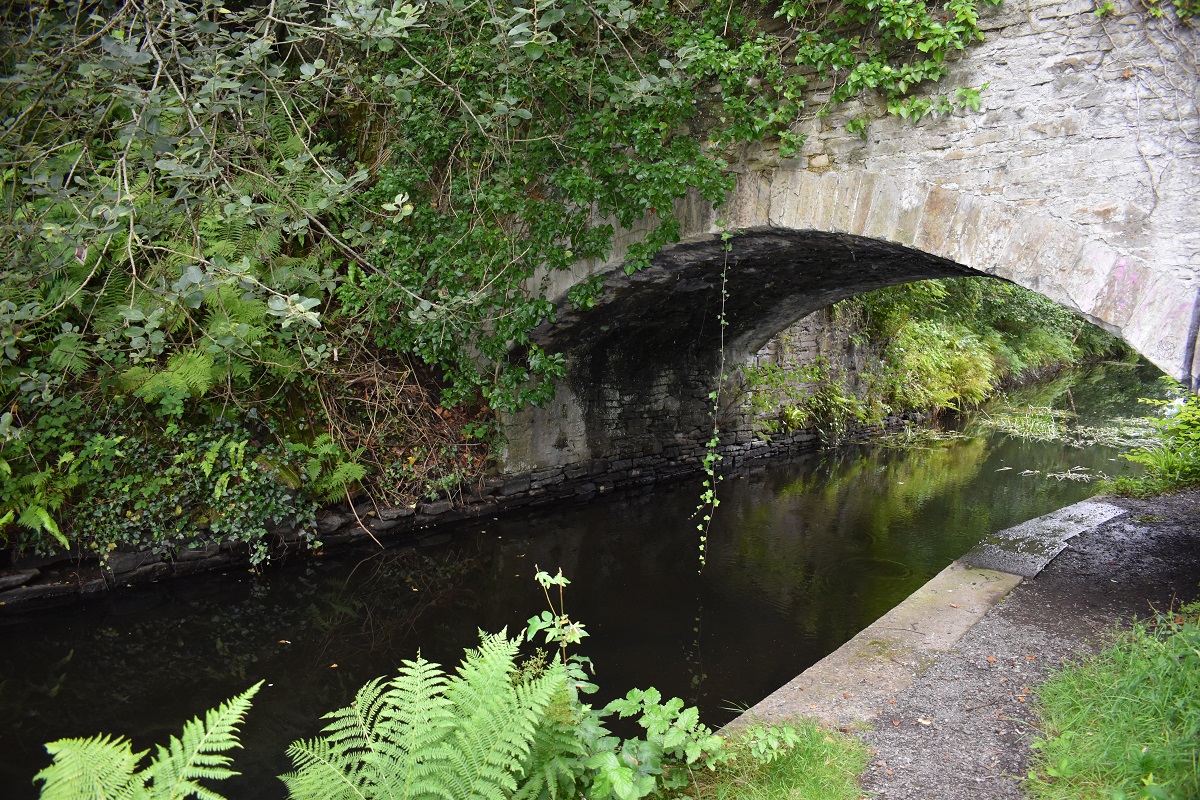
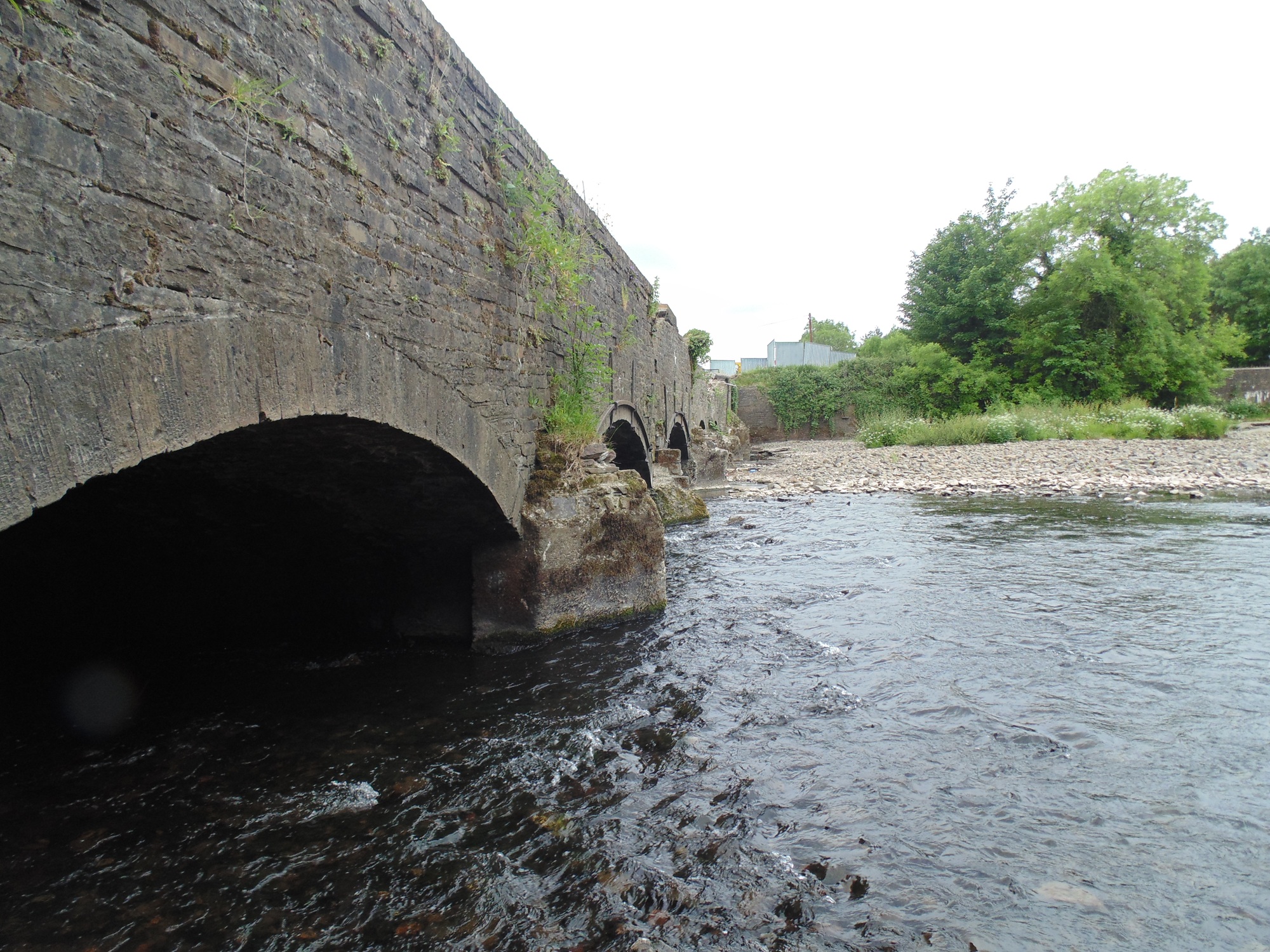
The Incredible Aberdulais Aqueduct. The start of the Tennant Canal over the River Neath. Discover the engineering marvel of the Aberdulais Aqueduct, where the Tennant Canal begins its journey over the picturesque River Neath.The lock at Aberdulais is the only lock on the main line of the Tennant Canal.Cadoxton Bridge spans the Tennant Canal and is constructed from durable rubble stone, showcasing a single segmental arch design. The arch features meticulously tooled cut stone voussoirs, enhancing both its strength and aesthetic appeal. A bridge designed by Isambard Kingdom Brunel crosses the Tennant Canal near Cadoxton. It is associated with the Vale of Neath Railway, which was engineered by Brunel and opened in 1851.An 1890 rebuild of the original timber bridge by Brunel, carrying the South Wales Railway, later Great Western Railway South Wales main line, over the River Neath in Neath. Of four spans, the bridge consists of braced pairs of tubular iron piers carrying a steel deck.The Neath Bridge. Historically part of a vital transport link, it was modified in the 1820s for the Tennant Canal and in the 1850s to cross the Vale of Neath Railway, becoming largely pedestrianized after the 1970s.The Tennant Canal aqueduct at Neath Abbey is a historic structure that carries the Tennant Canal over the River Clydach. This aqueduct is an important engineering feat from the Industrial Revolution era, designed to facilitate the transport of goods and raw materials by waterway.The Neath Abbey ruins are the remains of what was once the largest and wealthiest Cistercian monastery in Wales. Founded in 1130 by Sir Richard de Granville, it housed 50 monks and numerous lay brothers by the 13th century.The Neath Abbey Hump-backed Canal Bridge is a historic and picturesque structure located near the ruins of Neath Abbey. Built approx in 1823, it also supported a drawbridge which carried the Cheadle Works tramroad across the canal serving as a vital point for transporting coal and other materials. Picture of drawbridgeNeath Abbey Bridge is constructed primarily from rubble stone, incorporating occasional blocks of furnace slag. Its parapets are built from rubble stone and topped with slag coping blocks. Originally built around 1823 to provide access to the copper industries, the bridge later served for many years as the route to a home rubbish waste site until the site’s closure in the early 1970s.The impressive Tramway Bridge at Skewen Cuttings crosses the Tennant Canal, providing a vital link for transporting coal to the Maines Royal Copper Works situated on the banks of the River Clydach. This historic structure highlights the industrial heritage of the region showcasing the engineering prowess of the era and the importance of coal in supporting the copper industry.In Skewen, William Kirkhouse, the engineer of the Tennant Canal, faced significant challenges with quicksands while constructing a cutting that was 500 yards long and 30 feet deep. The issue was successfully addressed by installing an inverted masonry arch, a solution so notable that the site became locally known as ‘the Sands’.The Pentreffynnon or the Pont Sais bridge is a single-carriageway, single-span bridge of rubble stone with tooled voussoirs to the segmental arch. It served as a tramway access and workers route commuting to the Crown Copper Works on the River Neath.A wide single-carriageway, single-span bridge of snecked stone. A segmental arch has tooled voussoirs. Built around 1822 as the main access to the Crown Copper Works which was established on the right bank of the River Neath, around 1797. This location played a crucial role in Skewen’s industrial development during the late 18th century. (Now the main Access to Derwen Group)Substantial arched railway bridge constructed from stone, featuring a brick arch and extensive abutments for enhanced stability and support. This robust design ensures durability and efficient load distribution, making it a reliable structure for railway transportation. The railway bridge, built around 1850, is still in use today.Cwrt yr Bettws Bridge is a single-carriageway, single-span bridge constructed from rubble stone with carefully tooled voussoirs forming its segmental arch. Originally built to provide farming livestock access to the salt marshes and facilitate works access, the bridge remains an important historical structure reflecting the area’s agricultural and industrial heritage.The Tennant Canal historically provided essential water to the BP Llandarcy Oil Refinery, the UK’s first oil refinery, starting around 1921. (Closed completely 1996) This pumping station was used to abstract water from the canal for the refinery’s operations.The Cape Bridge derives its name from the historic Cape Copper Works which was situated nearby. This iron and steel railway bridge, supported by robust stonework abutments, replaced an earlier, similar but taller iron and steel bridge from the early 1850’s. The bridge continues to be actively used today.The unsuccessful attempt to construct a floating dock on the River Neath stands as a notable example of engineering challenges and environmental forces combining to thwart ambitious infrastructure projects in the 19th century. The situation reached a critical point in 1885 when a torrential storm struck in the area leading to the abandonment of the project.The original weir at the Tennant Canal was constructed to manage water flow and maintain consistent water levels within the canal system. It played a crucial role in regulating the canal’s water supply, ensuring navigability for boats and preventing flooding in adjacent areas.Mary Bottles Bridge was originally a single-carriageway, single-span bridge constructed from rubble stone with tooled voussoirs forming the segmental arch. It was primarily built to provide access for farming and workers at the Cape and Red Jacket Copper works. Due to the bridge’s condition the original structure was removed and later replaced with a steel bridge to accommodate visitors to the canal.Red Jacket Canal. Today, almost no water remains in the Red Jacket Canal, but its presence is still marked by historical remnants. One of the most notable is the old double archway bridge that spans the 18th-century canal.Between 1817 and 1818, George Tennant acquired the 18th century Glan-y-wern Canal (Later called the Red Jacket Canal) and, alongside his engineer William Kirkhouse, refurbished it by adding an entrance lock. This barge lock allowed vessels up to 61 tonnes to leave the River Neath travel to Swansea via the Red Jacket/Tennant canal.The Tidal Red Jacket Pill approach to the River Lock involves carefully navigating the vessel through changing water levels influenced by tidal movements. The lock closed completly by 1930.Red Jacket Pill connects the Tennant Canal with the River Neath. Featured in the image is a substantial retaining wall constructed from stone, topped with black copper slag shaped blocks, showcasing a unique blend of natural and industrial materials. The Red Jacket Fen pond and area, now owned by the Wildlife Trust of South and West Wales. Once a clay pit excavated in the 1820s to supply lining for the Tennant Canal. The pond and its surroundings were cared for and enjoyed for many years by the BP Angling Club. The Wildlife Trust has faced access issues with Network Rail since its purchase around 2008. As a result, the area and pond have fallen into decline, sadly left to rewild making public access without local knowledge very difficult.At the northern edge of the Pant-yr-Sais Nature Reserve in Jersey Marine, a large stone channel feeds into the Red Jacket Fen and Pond.Historically, this pumping station was used to abstract water from the canal to support industrial sites, including the now closed BP’s Chemical Plant at Baglan and, more recently, a power plant at Baglan Energy Park (from 2013 until 2021).
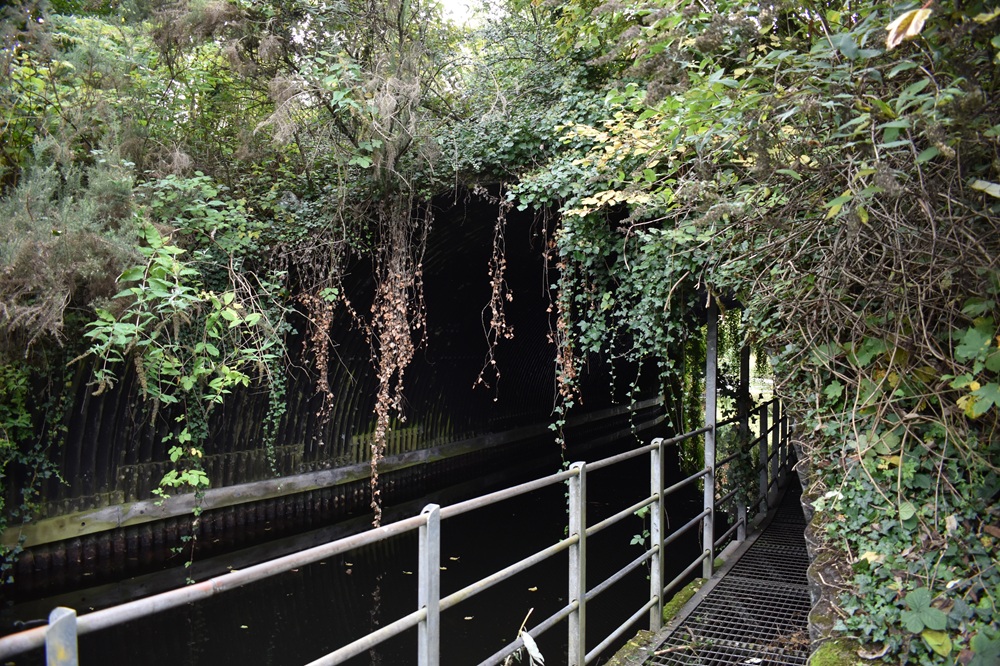
Substantial stone block retaining walls for canal cutting through railway embankments. Arched construction beneath two iron/steel railway bridges. The western bridge carries the Crymlyn Burrows/Swansea Docks railway line, while the eastern bridge now serves as an unsurfaced access road.